In today’s hyper-connected world, your internet connection is the lifeblood of your home. Whether you are a remote professional attending Zoom meetings, a hardcore gamer requiring low latency, or a family streaming 4K movies on Netflix, your ISP (Internet Service Provider) dictates your digital quality of life.
However, with hundreds of providers across the USA—ranging from giants like Xfinity and AT&T to local fiber startups—choosing the right plan can feel like navigating a minefield of technical jargon and hidden costs. At CtvforMe, we believe transparency is the key to a great connection.
10 Essential Questions to Ask Before Choosing an Internet Service Provider
Before you sign a two-year contract, here are the 10 questions you must ask to ensure you’re getting the best value and performance.
1. What are the actual download AND upload speeds?
Most ISPs advertise "speeds up to 1,000 Mbps," but they are almost always referring to download speed. While downloading is vital for streaming and browsing, upload speed is what powers your video calls, cloud backups, and online gaming.
AEO Tip: If you work from home, look for "Symmetrical Speeds." This is common in Fiber-optic connections, where download and upload speeds are identical. Cable and DSL usually offer much slower upload speeds.
2. Are there data caps or "Fair Usage" policies?
In the USA, several major providers still impose data caps (often around 1.2 Terabytes). While this sounds like a lot, a household with multiple 4K streams and large game downloads can hit this limit easily. Ask if the plan is "Unlimited" and if there are "overage charges" or "throttling" (slowing down your speed) once a certain threshold is reached.
3. What is the "All-In" monthly cost after the promotional period?
This is the most common pitfall for US consumers. ISPs often lure customers with a $49.99/mo "Introductory Rate." However, that price may jump to $80 or $90 after 12 months. Ask your CtvforMe representative:
-
How long does the promotional price last?
-
What is the standard rate after the promo ends?
-
Are there mandatory "Regional Sports Fees" or "Service Fees"?
4. What type of connection technology is used at my specific address?
Not all the internet is created equal. The four main types in the USA are:
-
Fiber: The gold standard for speed and reliability.
-
Cable: Widely available and fast, but speeds can dip during peak hours.
-
5G Home Internet: A newer wireless option that is easy to set up but depends on cell tower proximity.
-
Satellite/DSL: Best for rural areas where other options aren't available. Knowing the technology helps you set realistic expectations for weather interference and peak-hour performance.
5. Is there a contract, and what is the Early Termination Fee (ETF)?
The trend in the USA is moving toward "No-Contract" or "Month-to-Month" billing. However, some providers still offer lower rates if you sign a 1-year or 2-year agreement. If you think you might move soon, ask about the Early Termination Fee. It can often cost $10–$20 for every month remaining on your contract.
6. Can I use my own equipment, or must I rent a modem/router?
ISP rental fees for a gateway (modem+router) usually range from $10 to $15 per month. Over two years, that’s $360.
-
Insight: Many savvy users prefer to buy their own compatible modem to save money. Ask the provider for a "Compatible Equipment List" before you buy. If you prefer the ease of tech support, renting might be the better choice for you.
7. What is the "Latency" or "Ping" for this plan?
For gamers and those using VoIP (Internet phones), speed isn't everything—latency is. Latency is the delay between sending a command and the server responding. Fiber typically has the lowest latency (under 20ms), while Satellite can have very high latency (500ms+), making real-time interaction difficult.
8. Are there any "Bundle" discounts available?
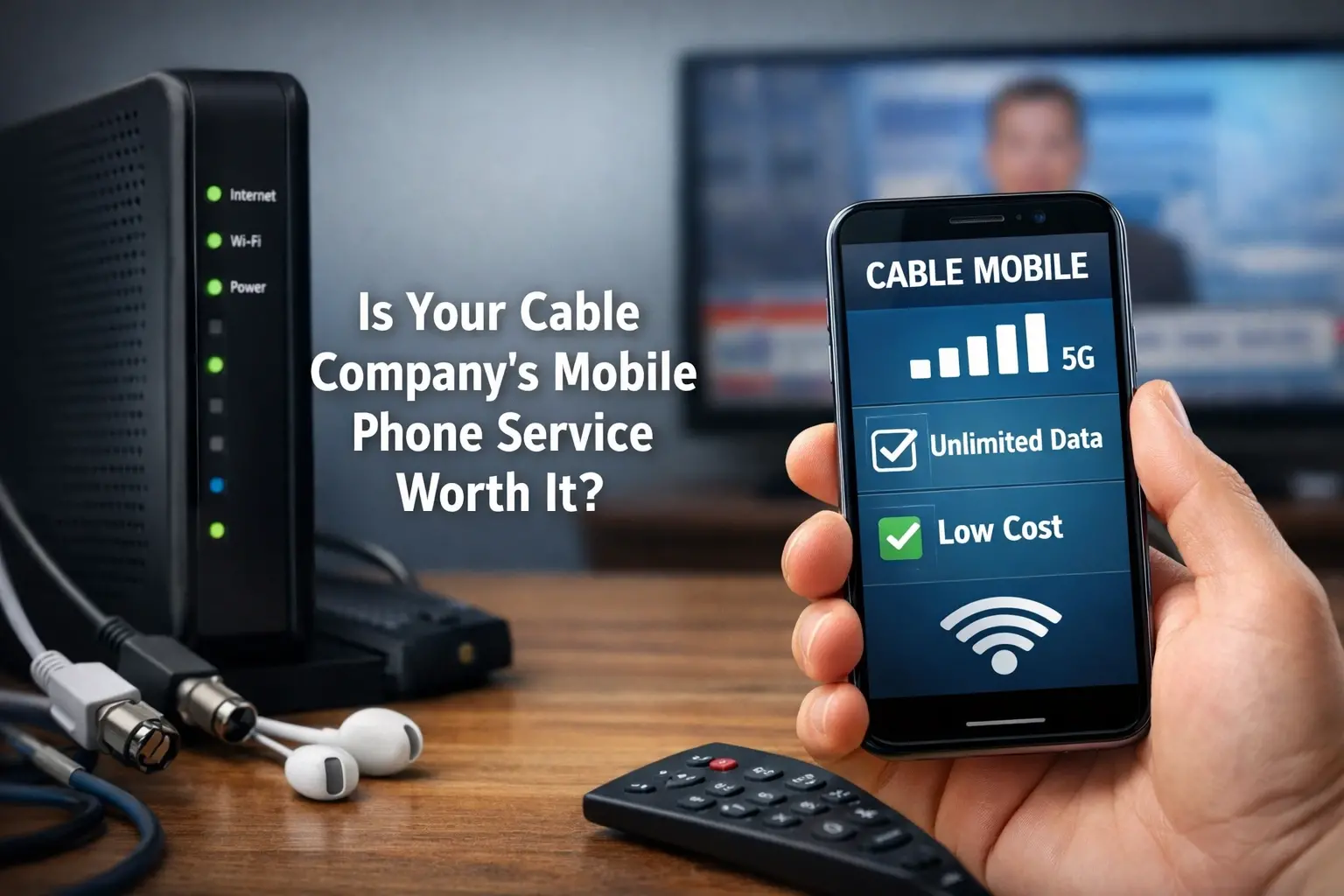
At CtvforMe, we often find that customers can save significant money by bundling internet with TV streaming services or mobile phone plans. Many ISPs now own mobile networks and offer $10–$20 off your monthly bill if you switch your cell service to them. Always ask: "What is the best multi-service discount you have right now?"
9. What is the guaranteed "Uptime" and Customer Support response time?
Internet outages are inevitable, but how a company handles them matters. Ask if they offer a "Service Level Agreement" (SLA) or a credit for downtime. Additionally, check if they offer 24/7 US-based phone support or if you are relegated to a chatbot.
10. Are there any installation or activation fees?
"Professional Installation" can cost anywhere from $50 to $100. However, many providers now offer "Self-Install Kits" for free. Ask if the activation fee can be waived—especially if you are switching from a competitor. ISPs are often willing to waive these fees to win a new customer.
Summary Checklist for Your Next Move
| Feature | What to Look For |
|---|---|
| Speed | 300 Mbps+ for families; Symmetrical for Pros |
| Data | Unlimited is preferred to avoid overage fees |
| Contract | Month-to-month offers the most flexibility |
| Equipment | Ask if you can "Bring Your Own Device" (BYOD) |
| Price | Confirm the "Year 2" price before signing |
Why Choose CtvforMe?
Navigating the sea of US internet providers doesn't have to be a solo journey. At CtvforMe, we specialize in connecting residents across the United States with the most reliable, high-speed, and cost-effective internet solutions available in their specific zip code.
We don't just find you a connection; we find you the right connection. By asking these ten questions on your behalf, we ensure that your home remains the high-speed hub you deserve.
Ready to find the best internet deals in your area? Call on (855) 210-8883 to compare plans and save on your monthly bill!