What does it Mean When your Cox wifi Box is Blinking Green?
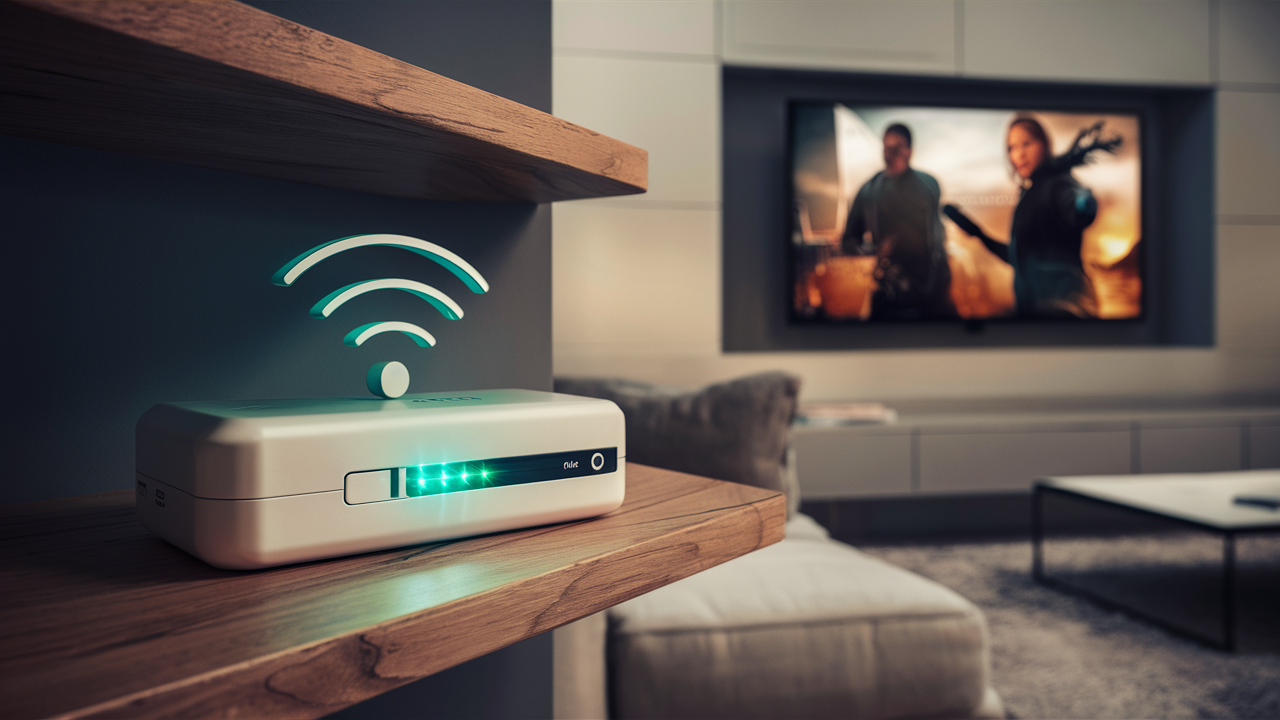
Is your Cox WiFi box blinking green and leaving you in the digital dark? This common indicator often signals a connection issue, but understanding its nuances is key to swift resolution. This guide will demystify the blinking green light, offering clear explanations and actionable steps to restore your internet service.
Understanding the Blinking Green Light on Your Cox WiFi Box
The blinking green light on your Cox WiFi modem or router is a visual cue that your device is attempting to establish or maintain a connection with the Cox network. While a solid green light typically signifies a healthy, active connection, a blinking one suggests a temporary interruption or an ongoing process. This blinking can occur during startup, after a power cycle, or when the device is actively trying to sync with the internet service provider's (ISP) infrastructure. It’s the modem’s way of communicating that it’s working, but not yet fully operational or connected as expected. The specific pattern or speed of the blinking can sometimes offer more granular information, but for most users, a general blinking green light means "I'm trying to connect, but something is preventing it from being stable."
In the digital landscape of 2025-26, reliable internet is not a luxury but a necessity. From remote work and online education to streaming entertainment and smart home management, a stable WiFi connection underpins our daily lives. When this connection falters, especially indicated by a blinking light on your gateway device, it can cause significant disruption. This guide aims to provide a comprehensive understanding of what that blinking green light means and, more importantly, how to resolve it efficiently. We will delve into the common culprits, offer a structured troubleshooting approach, and equip you with the knowledge to tackle this issue head-on, minimizing downtime and frustration.
Common Causes of a Blinking Green Light
Several factors can contribute to your Cox WiFi box displaying a blinking green light. Understanding these common causes is the first step toward diagnosing and fixing the problem. These issues range from simple power interruptions to more complex network or equipment malfunctions.
1. Initial Boot-Up or Restart
When you first power on your Cox modem/router or after it has been restarted (either intentionally or due to a power outage), it needs time to boot up and establish a connection. During this phase, the lights will cycle through various states, and a blinking green light is often part of this normal initialization process. The device is downloading configuration settings, obtaining an IP address, and attempting to connect to the Cox network. This can take anywhere from a few minutes to up to 15 minutes, depending on the model and network conditions.
2. Signal Interruption or Fluctuation
The blinking green light can indicate that the modem is experiencing intermittent signal loss or fluctuations from the Cox network. This could be due to issues with the coaxial cable connection, damage to the cable, or problems further up the line at Cox's local infrastructure. Even minor signal degradation can prevent the modem from maintaining a stable lock on the downstream and upstream channels, leading to a blinking status as it continuously tries to re-establish a solid connection.
3. Power Issues
An unstable power supply can also cause the modem to behave erratically. If the power adapter is faulty, loose, or the electrical outlet is unreliable, the modem might not receive consistent power. This inconsistency can lead to frequent reboots or connection attempts, manifesting as a blinking green light. It’s important to ensure the power adapter is securely plugged into both the modem and a working wall outlet.
4. Network Congestion or Outages
While less common for a blinking green light specifically (more often associated with no connection or a different color light), severe network congestion or a localized Cox network outage could, in some instances, cause the modem to struggle to maintain a stable connection, leading to a blinking indicator. Cox's network is designed to be robust, but during peak usage times or due to unforeseen maintenance or damage, service disruptions can occur.
5. Modem or Router Malfunction
In some cases, the blinking green light could be a symptom of a hardware issue with the modem or router itself. The device might be overheating, have a faulty internal component, or be nearing the end of its operational life. If troubleshooting steps don't resolve the issue, and the blinking persists, a hardware defect becomes a more likely cause.
6. Incorrect Configuration or Provisioning
Though Cox typically handles the initial setup and provisioning of their equipment, errors can sometimes occur. If the modem isn't correctly provisioned on Cox's network, or if there's a configuration mismatch, it may fail to establish a proper connection, resulting in a blinking light. This is more common with customer-owned equipment that hasn't been properly activated or registered with the ISP.
7. Firmware Issues
Like any electronic device, modems and routers run on firmware. If the firmware is outdated, corrupted, or experiencing a bug, it can interfere with the device's ability to connect to the internet. While Cox usually pushes firmware updates automatically, sometimes these updates can fail or cause temporary issues.
Understanding these potential causes allows us to approach troubleshooting systematically. The following sections will guide you through the steps to identify which of these issues might be affecting your Cox WiFi box.
Troubleshooting: A Step-by-Step Guide
When your Cox WiFi box is blinking green, it's time to take action. Follow these steps in order to systematically diagnose and resolve the issue. Remember to be patient, as some steps require the device to reboot and re-establish its connection.
Step 1: Check the Coaxial Cable Connection
Objective: Ensure a secure physical link between the modem and the wall outlet.
Action:
- Locate the coaxial cable connected to the back of your Cox modem/router and the wall outlet.
- Gently unscrew the coaxial cable from both the modem and the wall outlet.
- Inspect the cable for any visible signs of damage, such as kinks, cuts, or frayed wires.
- Screw the coaxial cable back into the modem and the wall outlet, ensuring a snug, hand-tight connection. Do not overtighten.
Why it works: A loose or damaged coaxial cable is one of the most frequent culprits behind connection problems. A secure connection ensures the signal can reach the modem effectively.
Step 2: Power Cycle Your Modem and Router
Objective: Reset the device and clear any temporary glitches.
Action:
- Unplug the power cord from your Cox modem/router.
- If you have a separate router, unplug its power cord as well.
- Wait for at least 60 seconds. This allows the device to fully discharge and clear its memory.
- Plug the power cord back into the modem/router.
- If you have a separate router, plug its power cord back in.
- Wait patiently for the device to boot up. This can take 5-15 minutes. Observe the lights; you want to see them stabilize, ideally to a solid green.
Why it works: A power cycle, often referred to as a "reboot," is like giving your device a fresh start. It can resolve temporary software glitches, clear cached data, and force the modem to re-initiate its connection sequence with the Cox network.
Step 3: Check Other Connected Devices
Objective: Determine if the issue is isolated to one device or affects the entire network.
Action:
- Try connecting to the internet using a different device (e.g., another computer, smartphone, or tablet).
- If other devices can connect, the problem might be with the original device's WiFi settings or hardware.
- If no devices can connect, the issue is likely with the modem, router, or the Cox service itself.
Why it works: This helps narrow down the scope of the problem. If multiple devices are offline, it points towards the core internet connection rather than an individual device's configuration.
Step 4: Bypass the Router (If Applicable)
Objective: Isolate whether the modem or the router is the source of the problem.
Action:
- If you have a separate router connected to your Cox modem, unplug the Ethernet cable that connects the modem to the router.
- Connect a computer directly to the modem using an Ethernet cable.
- Restart both the modem and the computer.
- Check if you can access the internet.
Why it works: This test helps determine if the modem is receiving a signal from Cox. If you can get online when directly connected to the modem, the issue likely lies with your router. If you still cannot connect, the problem is more likely with the modem or Cox's service.
Step 5: Check the Outlet and Power Adapter
Objective: Rule out power supply issues.
Action:
- Ensure the modem's power adapter is securely plugged into the modem and the wall outlet.
- Try plugging the modem into a different, known-working electrical outlet.
- If possible, test the original outlet with another small appliance to confirm it's providing power.
- Inspect the modem's power adapter for any visible damage.
Why it works: Inconsistent power can cause the modem to reset or fail to boot properly, leading to connection issues. A stable power source is crucial for consistent operation.
Step 6: Check for Cox Service Outages
Objective: Determine if the problem is a widespread Cox service interruption.
Action:
- Visit the Cox website (www.cox.com) or use the Cox app on your smartphone (if you have cellular data access).
- Look for an "Outage Map" or "Service Status" section.
- You can also call Cox customer service to inquire about reported outages in your area.
Why it works: If there's a known outage, troubleshooting your equipment won't help. This step saves you time and effort by confirming if the issue is on Cox's end.
Step 7: Factory Reset the Modem/Router (Use as a Last Resort)
Objective: Restore the device to its original settings, clearing any misconfigurations.
Action:
- Locate the reset button on your Cox modem/router. This is usually a small, recessed button on the back or bottom of the device.
- You will likely need a paperclip or a pen tip to press and hold the button.
- With the device powered on, press and hold the reset button for 10-30 seconds (refer to your device's manual for the exact duration).
- The lights on the device will likely flash or change, indicating a reset is in progress.
- Release the button and wait for the modem to reboot and re-establish its connection. This process can take longer than a regular power cycle.
Caution: A factory reset will erase all custom settings, including your WiFi network name (SSID) and password. You will need to reconfigure these settings after the reset. This is why it's best performed as a last resort before contacting support.
Why it works: A factory reset effectively wipes the device's configuration and returns it to its default state, which can resolve issues caused by incorrect settings or corrupted configuration files.
If after following these steps, your Cox WiFi box continues to blink green, it's time to consider contacting Cox support. The issue may require their advanced diagnostics or a technician visit.
Interpreting Other Cox WiFi Box Lights
While the blinking green light is our primary focus, understanding the other indicator lights on your Cox WiFi box can provide a more complete picture of its operational status. Different lights signify different functions and connection states. The exact labels and behavior can vary slightly by modem model, but here’s a general guide to common lights and their meanings, with an emphasis on how they relate to a blinking green light scenario (as of 2025-26).
Power Light
- Solid On (Green/Blue): The device is receiving power and is operational.
- Off: No power is being supplied to the device. Check the power adapter and outlet.
- Blinking: This is unusual for a power light and might indicate a power supply issue or a hardware fault.
Downstream/Receive Light
This light indicates the modem's ability to receive data from the Cox network.
- Solid On (Green/Blue): The modem has established a stable downstream connection.
- Blinking (Green/Blue): The modem is attempting to lock onto the downstream channel. If this light blinks continuously and never becomes solid, it suggests a problem with the incoming signal (e.g., weak signal, interference, or cable issue). This often accompanies a blinking green "Online" or "Internet" light.
- Off: No downstream signal is being received.
Upstream/Send Light
This light indicates the modem's ability to send data back to the Cox network.
- Solid On (Green/Blue): The modem has established a stable upstream connection.
- Blinking (Green/Blue): The modem is attempting to lock onto the upstream channel. Similar to the downstream light, if this blinks and never solidifies, it points to an issue with sending data back, which can prevent internet access. This can also contribute to a blinking "Online" light.
- Off: No upstream signal is being transmitted.
Online/Internet Light
This is often the most critical light, indicating the modem's overall connection status to the internet.
- Solid On (Green/Blue): The modem is fully connected to the Cox network and has internet access. This is the desired state.
- Blinking (Green/Blue): This is the light you're asking about! It typically means the modem is trying to connect to the internet but is encountering issues. It might be cycling through trying to establish downstream and upstream connections. If it's blinking and never becomes solid, it signifies a persistent problem.
- Off: The modem is not connected to the internet.
- Solid Red/Amber: This usually indicates a more severe connection error or a hardware failure.
WiFi/Wireless Light
This light indicates the status of the wireless network broadcast by your router or gateway.
- Solid On (Green/Blue): The WiFi network is active and broadcasting.
- Blinking (Green/Blue): Indicates WiFi activity (data transfer). This is normal when devices are actively using the internet.
- Off: The WiFi network is disabled.
Ethernet Lights (LAN Ports)
These lights correspond to the Ethernet ports on the back of your modem/router, indicating a wired connection.
- Solid On (Green/Amber): A device is connected via Ethernet to that specific port.
- Blinking (Green/Amber): Indicates data activity on that Ethernet port.
- Off: No device is connected via Ethernet to that port.
How Lights Interact with Blinking Green Online Light
When your "Online" light is blinking green, pay close attention to the Downstream and Upstream lights.
- If both Downstream and Upstream lights are blinking, it suggests the modem is struggling to establish a stable link with Cox's network on both ends. This is a strong indicator of a signal issue or an upstream problem.
- If the Downstream light is solid but the Upstream light is blinking, the modem can receive data but cannot send it back, preventing a full internet connection.
- If the Downstream light is blinking and the Upstream light is off or also blinking, the modem is having trouble receiving the signal from Cox.
Understanding these light patterns helps you communicate more effectively with Cox support, providing them with specific details about what your modem is reporting.
Preventative Measures and Best Practices for a Stable Connection
While troubleshooting is essential when issues arise, adopting preventative measures can significantly reduce the likelihood of encountering problems like a blinking green light on your Cox WiFi box. These practices focus on maintaining optimal equipment performance and a healthy network environment. As of 2025-26, with increasing reliance on home networks, these habits are more crucial than ever.
1. Ensure Proper Ventilation for Your Equipment
Modems and routers generate heat. Overheating can lead to performance issues and hardware degradation.
- Place your modem/router in a well-ventilated area, away from direct sunlight or heat sources.
- Avoid placing it inside enclosed cabinets or stacking other electronics on top of it.
- Ensure there is adequate space around the device for air circulation.
2. Use Surge Protection
Power surges, whether from lightning strikes or internal electrical fluctuations, can damage sensitive electronic equipment.
- Connect your modem, router, and other essential networking devices to a high-quality surge protector.
- Regularly check the surge protector to ensure it's functioning correctly.
3. Secure Your Coaxial Cable Connections
As mentioned in troubleshooting, loose coaxial cables are a common cause of signal loss.
- Periodically check that the coaxial cable is securely hand-tightened to both the modem and the wall outlet.
- Inspect the cable for any signs of wear or damage. Replace it if necessary.
4. Keep Firmware Updated
Cox typically pushes firmware updates automatically to their provided equipment. However, if you use your own modem, ensure it's compatible and that you're aware of its update process.
- For Cox-provided equipment, ensure your modem is registered and online so it can receive updates.
- For customer-owned modems, check the manufacturer's website for firmware updates and follow their instructions for installation.
5. Optimize Your WiFi Network
While not directly related to the modem's blinking green light, a well-optimized WiFi network ensures that when your internet is working, it's performing at its best.
- Choose the Right Channel: If your router allows, select a less congested WiFi channel to reduce interference.
- Router Placement: Position your router in a central location in your home, away from obstructions like thick walls, metal objects, and other electronics that can cause interference (e.g., microwaves, cordless phones).
- Consider a Mesh System: For larger homes or areas with weak WiFi signals, a mesh WiFi system can provide more consistent coverage.
6. Schedule Regular Reboots (Optional but Recommended)
While not always necessary, performing a scheduled reboot of your modem and router can help maintain optimal performance and clear out minor glitches before they become major issues.
- You can manually reboot your modem weekly or bi-weekly.
- Some advanced routers or smart plugs allow you to schedule automatic reboots during off-peak hours (e.g., overnight).
7. Monitor Your Internet Speed
Regularly testing your internet speed can help you identify performance degradations before they lead to connection drops.
- Use reputable speed test websites or apps.
- Compare your results to the speeds you are supposed to receive from Cox.
- A consistent drop in speed might indicate an underlying signal issue that could eventually lead to connection problems.
8. Document Your Network Setup
Keep a record of your modem model, router model, network name (SSID), and password. This information is invaluable when troubleshooting or contacting support.
By implementing these preventative measures, you create a more stable foundation for your home network, reducing the chances of experiencing disruptive issues like a blinking green light and ensuring a more reliable internet experience throughout 2025-26 and beyond.
When to Call Cox Support
You've followed the troubleshooting steps, patiently waited through reboots, checked your cables, and perhaps even performed a factory reset. Yet, your Cox WiFi box continues to display that persistent blinking green light. At this point, it's highly probable that the issue is beyond your direct control and requires the expertise of Cox's technical support team. Knowing when to escalate the problem can save you considerable time and frustration.
1. After Exhausting All Self-Troubleshooting Steps
This is the primary indicator. If you have systematically worked through the steps outlined in the troubleshooting guide (checking cables, power cycling, bypassing the router, checking for outages, and performing a factory reset) and the problem persists, it's time to reach out to Cox. You can confidently tell them what you've already tried, which helps them diagnose the issue more efficiently.
2. Persistent Blinking Green Light for Extended Periods
While a blinking green light during boot-up is normal, it should eventually turn solid. If the light blinks continuously for more than 15-20 minutes after a power cycle, it signifies a problem that needs professional attention. This extended blinking suggests the modem is unable to lock onto the network signal.
3. Intermittent Internet Connectivity
If your internet connection is constantly dropping and reconnecting, often accompanied by the blinking green light, this indicates an unstable link. Such inconsistencies can be frustrating and are usually indicative of signal issues that Cox needs to address from their end.
4. No Internet Access on Any Device
If you've confirmed that no device in your home can access the internet, and the blinking green light is present on your modem, it strongly suggests a service-level problem. This could be a localized outage Cox is unaware of or a more widespread issue affecting your neighborhood.
5. Damaged Equipment
If you notice any physical damage to your Cox modem, router, or the coaxial cables, it's crucial to contact Cox. Attempting to use damaged equipment can be unsafe and will likely not resolve the connection issue.
6. Error Codes or Specific Light Patterns
While this guide focuses on a general blinking green light, some modems might display specific patterns or other colored lights that indicate particular error codes. If you observe such patterns and they aren't covered by basic troubleshooting, consult Cox support.
7. When You Suspect an Issue with Cox's Infrastructure
If you've ruled out internal wiring issues, your own equipment, and have confirmed no local outages are reported, the problem likely lies with Cox's network infrastructure. This could involve issues with the lines coming into your home, the local network hub, or equipment at Cox's facility.
What to Expect When Calling Cox Support
When you call Cox support, be prepared to provide:
- Your account information.
- The model number of your modem/router.
- A clear description of the problem, including the blinking green light and any other observed light patterns.
- A list of the troubleshooting steps you have already performed.
Cox support will likely guide you through some of the same troubleshooting steps you've already done. They can also remotely check the signal strength to your modem, provision your modem, and identify any network outages or issues in your area. If necessary, they can schedule a technician visit to your home to diagnose and repair any problems with the external lines or equipment.
By following these guidelines, you can ensure you contact Cox support at the right time, armed with the necessary information for a swift resolution.
In conclusion, a blinking green light on your Cox WiFi box is a signal that requires attention, but it's often resolvable with a few straightforward steps. We've explored the common reasons behind this indicator, from simple power cycles to more complex signal issues. By systematically troubleshooting, understanding the various lights on your device, and implementing preventative measures, you can significantly improve your chances of restoring a stable internet connection. Remember that patience is key, and knowing when to escalate the issue to Cox support is a crucial part of the process. Don't let a blinking light leave you disconnected; take control of your home network today.