How Much are Cox Cable Boxes?
Understanding the costs associated with Cox cable boxes is crucial for managing your home entertainment budget. This guide breaks down the rental fees, purchase options, and potential savings, helping you make informed decisions about your Cox service in 2025-26.
Understanding Cox Cable Box Costs
Navigating the expenses associated with your Cox cable service often leads to questions about the cost of the essential equipment: the cable boxes themselves. For many subscribers, these devices are a necessary component to access the full range of channels and features offered by Cox Communications. However, the pricing structure for these boxes can be a source of confusion, with various fees and options influencing the overall expenditure. In 2025-26, understanding these costs is more important than ever as consumers seek to optimize their entertainment budgets without sacrificing quality or convenience.
Cox, like most major cable providers, typically offers its customers two primary ways to obtain cable boxes: renting them from the company or purchasing compatible devices independently. Each approach comes with its own set of financial implications. Rental fees, while seemingly straightforward, can accumulate over time, potentially becoming a significant recurring expense. On the other hand, purchasing a box outright involves an upfront investment, but can lead to substantial long-term savings. This guide aims to demystify the pricing models, explore the nuances of each option, and provide actionable insights to help you make the most cost-effective decision for your home entertainment needs.
We will delve into the current rental rates for various types of Cox cable boxes, examining how different packages and equipment tiers affect these monthly charges. Furthermore, we will investigate the feasibility and benefits of purchasing your own cable boxes, including compatibility considerations and the potential return on investment. By the end of this comprehensive analysis, you will be equipped with the knowledge to confidently manage your Cox cable box expenses and ensure you are getting the best value for your money.
Cox Cable Box Rental Fees (2025-26)
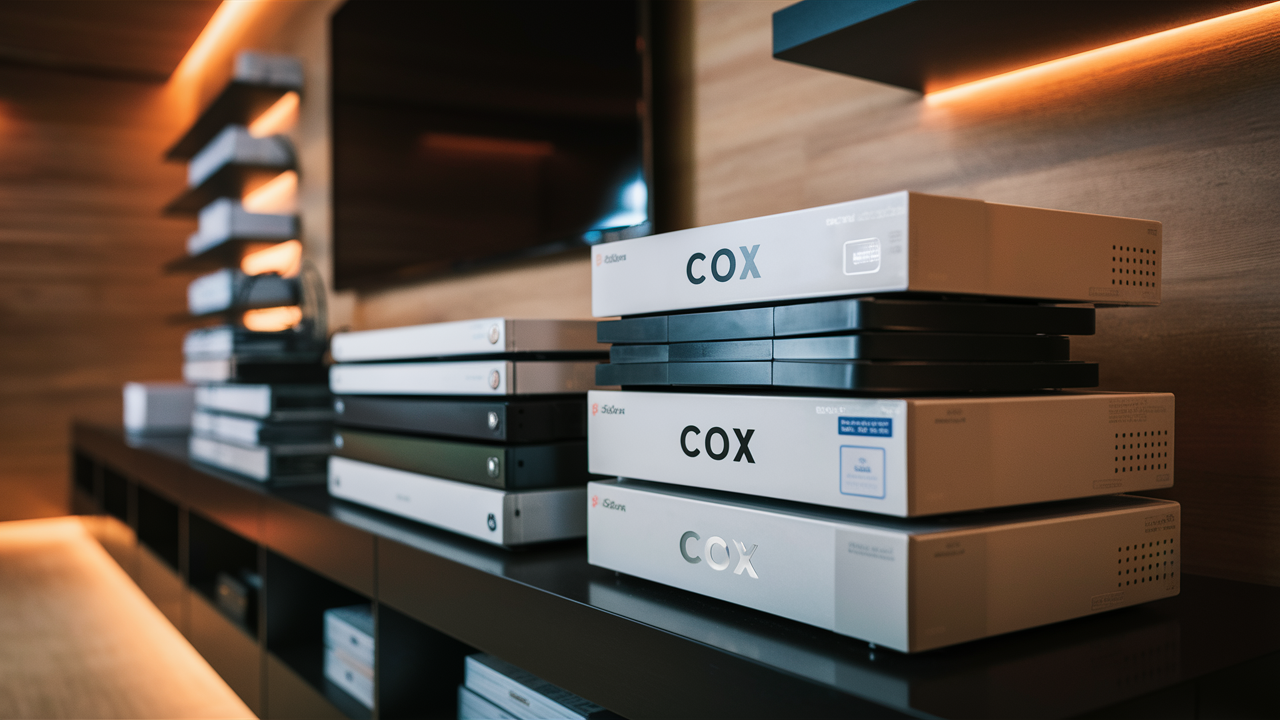
The most common way subscribers access Cox cable channels is by renting equipment directly from the provider. These monthly rental fees are a standard part of most Cox cable packages. It's important to note that these fees can vary based on the type of box you need, the services you subscribe to, and your specific service location. Cox offers a range of equipment, from basic digital receivers to advanced DVRs and streaming-capable devices, each with its own associated rental cost.
As of 2025-26, here's a general overview of what you might expect for Cox cable box rental fees. These figures are approximate and can change, so it's always best to confirm with Cox directly for the most up-to-date pricing in your area. Many sources suggest that basic digital receivers, capable of receiving standard and some high-definition channels, typically range from $8 to $12 per month. These are suitable for users who primarily watch live TV and don't require advanced features like recording or whole-home DVR functionality.
For subscribers who want the convenience of recording live television, a DVR (Digital Video Recorder) box is essential. Cox offers various DVR options, including standard DVRs and Contour DVRs, which often come with enhanced features and user interfaces. The rental fees for these more advanced units are higher. Expect to pay anywhere from $15 to $25 per month for a standard DVR. The Contour DVRs, which are Cox's premium offering, often include features like voice control, streaming app integration, and multi-room viewing capabilities. These premium DVRs can cost between $20 and $30 per month, sometimes even more depending on the specific model and storage capacity.
Cox also offers mini boxes or streaming boxes, which are smaller, more energy-efficient devices designed for secondary TVs or for customers who primarily use streaming services alongside their cable subscription. These typically have lower rental fees, often in the range of $5 to $10 per month. They are a good option for adding service to an extra room without the cost of a full-sized box.
It's crucial to understand that these fees are per box. If you have multiple televisions in your home that require a cable box, you will incur these monthly charges for each device. For example, a household with three TVs, each needing a separate box, could easily see their monthly bill increase by $30 to $90 or more, solely for equipment rental.
Furthermore, Cox may offer bundles that include equipment rentals at a slightly discounted rate. However, even with discounts, the cumulative cost of renting multiple boxes can be substantial over the lifespan of your subscription. For instance, renting a Contour DVR at $25 per month for 12 months amounts to $300 annually per box. Over several years, this can add up to well over a thousand dollars for a single device.
To illustrate the potential cumulative cost, consider a family that rents one Contour DVR ($25/month) and two mini boxes ($7.50/month each) for three TVs. This would result in a monthly equipment rental cost of $25 + $7.50 + $7.50 = $40. Annually, this amounts to $480 just for cable boxes. Over a five-year period, this would be $2,400. This figure highlights why exploring purchase options or alternative solutions can be financially beneficial.
Cox's pricing structure is designed to encourage the rental of their proprietary equipment, as it ensures compatibility and allows them to manage the network effectively. However, for consumers looking to reduce their monthly expenses, understanding these rental fees is the first step toward finding more economical solutions.
Understanding the Contour Experience
Cox's Contour platform represents their latest generation of TV service, offering an integrated experience that combines live TV, on-demand content, and popular streaming apps. The rental fees for Contour boxes, particularly the Contour DVR, reflect the advanced technology and features they provide. These boxes are designed to offer a seamless user interface, personalized recommendations, and the ability to access content from various sources within a single device.
The cost associated with the Contour DVR is often higher than older models due to its enhanced capabilities. These include features like 4K streaming support, voice remote functionality, and the ability to stream content across multiple devices within the home. For users who value these advanced features and a streamlined entertainment hub, the rental fee might be justifiable. However, it's essential to weigh these benefits against the recurring cost.
For households with multiple televisions, the cost of equipping each with a Contour box can become significant. Cox typically offers "mini" Contour boxes for secondary TVs, which are less expensive to rent but may have fewer features than the primary DVR unit. The pricing for these mini boxes is generally lower, making them a more accessible option for extending the Contour experience to other rooms. As mentioned, these can range from $5 to $10 per month.
The overall cost of the Contour experience through rental depends heavily on the number of boxes required. A single Contour DVR might cost around $20-$30 per month, while adding two mini boxes could bring the total equipment cost to $35-$50 per month. Over a year, this translates to $420-$600, a considerable expense that can be offset by purchasing compatible equipment if available and feasible.
Impact of Package Tiers on Rental Fees
The rental fees for Cox cable boxes are not always a flat rate; they can sometimes be influenced by the specific cable TV package you subscribe to. Higher-tier packages, which typically include more channels, premium sports, or movie networks, might come with slightly different equipment rental rates or may bundle certain equipment at a perceived discount. Conversely, basic packages might have lower rental fees associated with their standard digital receivers.
It's important to scrutinize the details of your Cox package. Sometimes, what appears to be a lower rental fee for a box might be tied to a more expensive overall programming package. Conversely, a seemingly higher rental fee for a premium box might be part of a value-added package that includes significant channel selections or features that you would otherwise pay more for separately. This interconnectedness means that evaluating the cost of a cable box rental should always be done in the context of your entire Cox service agreement.
Cox often presents equipment as part of a bundle. For example, a "Cox Bundle" might include internet, phone, and TV services. Within these bundles, the cost of cable boxes is often integrated, making it harder to isolate the exact rental fee. While this can sometimes offer overall savings, it also means that the price of the box rental is less transparent. It's advisable to request a detailed breakdown of all charges, including individual equipment rental costs, even when subscribing to a bundle.
For 2025-26, Cox continues to emphasize its Contour platform. This means that many packages are now geared towards the Contour boxes. If you are on an older package or using older equipment, Cox might encourage an upgrade, which could involve new rental fees or a transition to the Contour system with its associated costs. Understanding your current package and any potential upgrade paths is key to managing these expenses.
Factors Influencing Rental Costs
Several factors contribute to the monthly rental cost of Cox cable boxes. Understanding these variables can help you anticipate costs and identify potential areas for savings. The primary drivers of these costs include the type of equipment, the number of devices, your service location, and any promotions or bundles you might be enrolled in.
The most significant factor is the type of equipment. As detailed earlier, a basic digital receiver will cost less to rent than a high-definition DVR or a premium Contour box with advanced features. The technology and capabilities of the box directly correlate with its rental price. A DVR, for instance, contains more complex hardware for recording and storage, justifying a higher fee.
The number of boxes is another critical determinant. Each television in your home that requires a Cox-provided cable box will incur its own monthly rental fee. Therefore, a household with multiple TVs will see a substantially higher cumulative equipment cost compared to a single-television household. This is a common area where subscribers can significantly reduce their monthly bill by opting for fewer boxes or exploring alternative solutions.
Your service location can also play a role. While Cox aims for a standardized pricing structure, regional differences in market competition, operational costs, and local regulations can sometimes lead to slight variations in equipment rental fees across different geographic areas. It's always best to check the specific rates applicable to your address.
Promotions and bundles are often used by Cox to attract and retain customers. These can include introductory offers that reduce rental fees for a limited period, or bundled packages that combine internet, phone, and TV services. While bundles can offer overall savings, it's essential to understand how the equipment rental costs are factored in. Sometimes, a promotional discount might apply only to the programming package and not the equipment, or vice versa. Always ask for a detailed breakdown of all costs associated with any promotional offer.
Furthermore, the age and type of your subscription plan can influence rental costs. Older legacy plans might have different equipment pricing compared to newer packages, especially those designed around the Contour platform. If you are on an older plan, Cox might offer incentives to upgrade, which could involve new equipment rental fees. Conversely, if you are on a premium package, certain equipment might be included or offered at a reduced rate as part of the package's value proposition.
Finally, consider the features required. If you only need to watch live TV, a basic box suffices. If you need to record shows, a DVR is necessary. If you want to access streaming apps directly from your cable box, a Contour box is likely required. Each additional feature typically translates to a higher rental cost. By carefully assessing which features are truly essential for your household, you can avoid paying for services and equipment you don't utilize.
Equipment Tiers and Their Costs
Cox offers a tiered system for its cable boxes, with each tier providing different functionalities and consequently, different rental prices. Understanding these tiers is fundamental to managing your costs.
- Basic Digital Receiver: This is the most economical option. It allows you to receive standard and high-definition channels but lacks recording capabilities. Ideal for secondary TVs or users who primarily watch live programming. Estimated rental cost: $8 - $12 per month.
- DVR (Digital Video Recorder): This tier adds the ability to record, pause, and rewind live TV. It's essential for users who want to watch programs on their own schedule. Rental costs vary based on storage capacity and features. Estimated rental cost: $15 - $25 per month.
- Contour DVR: This is Cox's premium offering. It provides advanced features such as a modern user interface, voice control, integration with streaming apps (like Netflix, Hulu, etc.), and often enhanced recording capabilities. These are the most expensive to rent. Estimated rental cost: $20 - $30 per month.
- Contour Mini Box: Designed for secondary TVs, these boxes provide access to the Contour interface and channels available on your main subscription but typically lack extensive recording capabilities. They are a more affordable way to extend service to multiple rooms. Estimated rental cost: $5 - $10 per month.
The choice between these tiers directly impacts your monthly bill. For example, a household needing a Contour DVR for the main TV and two Contour Mini Boxes for other rooms could face monthly rental fees of approximately $20-$30 (for the DVR) + $5-$10 (for the first mini) + $5-$10 (for the second mini) = $30 - $50 per month. This totals $360 - $600 per year, a significant recurring expense.
Understanding Promotional Pricing
Cox, like many service providers, frequently offers promotional pricing on equipment rentals to attract new customers or encourage upgrades. These promotions can significantly reduce the monthly cost of cable boxes for a specified period, often the first 12 or 24 months of a contract.
It's crucial to understand the terms and conditions of these promotions. Often, the rental fee will revert to the standard, higher rate after the promotional period expires. Subscribers need to be aware of this transition to avoid unexpected increases in their monthly bill. For instance, a Contour DVR might be advertised at $15 per month for the first year, but the standard rate is $25 per month. After 12 months, the cost will jump to the full rate unless a new promotion is secured or the equipment is returned.
When evaluating a promotional offer, always ask for:
- The duration of the promotion.
- The standard rental rate that applies after the promotion ends.
- Whether the promotion applies to all types of boxes or specific models.
Some promotions might be tied to specific service bundles. For example, signing up for a triple-play bundle (internet, TV, phone) might include a discounted rental fee for one or more cable boxes. While these bundles can offer overall savings, it's important to ensure that the discounted equipment rental is a genuine benefit and not just a way to obscure the total cost of the bundle.
For 2025-26, Cox is likely to continue offering various promotions, especially as they push their Contour platform. Consumers should be proactive in inquiring about available deals and understanding the long-term cost implications beyond the introductory period. Without this awareness, the perceived savings from a promotion can quickly evaporate.
Exploring Cox Cable Box Purchase Options
While renting cable boxes from Cox is the most common approach, purchasing your own compatible equipment presents a viable alternative for long-term cost savings. This strategy involves an upfront investment but can eliminate recurring monthly rental fees, potentially saving hundreds or even thousands of dollars over the years. However, it's essential to understand the nuances of purchasing your own equipment, including compatibility, warranty, and support.
Cox, like other cable providers, operates on a system that requires specific hardware to decode their digital signals and access their programming. Historically, cable companies have made it challenging for subscribers to use their own equipment by using proprietary technology or requiring specific certifications. However, regulations and market evolution have made it more feasible for consumers to purchase compatible devices.
The primary type of equipment you can purchase for use with Cox is a cableCARD-enabled device. A cableCARD is a small, removable device that is inserted into a compatible television or set-top box. This card is provisioned by Cox and essentially acts as the "key" to unlock their cable signals. Without a cableCARD, any third-party device will not be able to receive Cox's channels.
Compatible Devices:
The most common category of devices that support cableCARDs are TiVo DVRs. TiVo devices are well-known for their advanced recording features, user-friendly interface, and the ability to integrate with various cable providers. When purchasing a TiVo device, you will need to ensure it is compatible with Cox's cableCARD system. This typically means purchasing a TiVo model that explicitly states compatibility with Cox or cableCARDs.
Other potential options might include certain Windows Media Center PCs with TV tuner cards and cableCARD tuners, or some high-end AV receivers with integrated cableCARD slots. However, TiVo remains the most popular and widely supported option for consumers looking to purchase their own cable box for use with Cox.
The Process of Using Your Own Equipment:
- Purchase Compatible Hardware: Acquire a TiVo DVR or another cableCARD-compatible device. Ensure it is new or in excellent condition, as you will need it to function reliably for years.
- Contact Cox for a cableCARD: You will need to contact Cox Communications to request a cableCARD. There might be a one-time activation fee for the cableCARD, and in some cases, a small monthly fee for the card itself, though this is usually significantly less than renting a full set-top box. For 2025-26, the monthly cost for a cableCARD itself is often in the range of $2 to $5, a fraction of the rental cost of a full box.
- Installation and Activation: Cox will typically schedule a technician visit to install and activate the cableCARD in your device. The technician will ensure the card is properly recognized by Cox's system and that your purchased device can receive the channels included in your subscription package.
- Configuration: Once the cableCARD is active, you will need to configure your TiVo or other device to scan for channels and set up your programming guide.
Cost Analysis of Purchasing:
The upfront cost of a TiVo DVR can range from $300 to $700 or more, depending on the model, storage capacity, and whether it's a new or refurbished unit. For example, a high-end TiVo model with significant storage might cost around $600. Add to this a potential cableCARD activation fee (around $20-$50) and a monthly cableCARD rental fee ($2-$5).
Let's compare this to renting a Cox Contour DVR for $25 per month. Over three years (36 months), the rental cost would be $25 * 36 = $900. If you purchase a $600 TiVo and pay a $5 monthly cableCARD fee for 36 months ($5 * 36 = $180), your total cost would be $600 + $180 = $780. In this scenario, purchasing saves you $120 over three years. If you keep the equipment for longer, the savings become even more substantial.
For example, over five years (60 months):
- Rental: $25/month * 60 months = $1,500
- Purchase: $600 (TiVo) + ($5/month * 60 months) = $600 + $300 = $900
In this five-year comparison, purchasing saves you $600. The longer you use the purchased equipment, the greater the return on your investment.
Limitations and Considerations:
It's important to be aware of the limitations when using your own equipment:
- No Whole-Home DVR: Most third-party devices, including TiVo, do not support Cox's "Whole-Home DVR" service, which allows you to watch recordings from one DVR on other TVs in the house. You would need a separate TiVo or device for each TV if you want to record and watch on multiple screens independently.
- No On-Demand or Pay-Per-View via Box: Accessing Cox's on-demand library or purchasing pay-per-view events directly through the set-top box is typically not supported with third-party devices. You might need to use a separate Cox box for these features or access them through other means if available.
- Limited Support: Cox will only support the cableCARD itself and the signal delivery. They will not provide technical support for the TiVo device or any other third-party hardware. You will need to rely on the manufacturer's support (e.g., TiVo support) for issues related to the device's functionality.
- Compatibility Updates: While generally stable, there's a small risk that future network updates from Cox could impact compatibility with older third-party devices. However, reputable manufacturers like TiVo usually keep their devices updated to maintain compatibility.
- No Access to Cox Apps: You won't be able to access Cox's proprietary apps or streaming integrations directly through a third-party device in the same way you can with a Contour box.
Despite these limitations, for many users who prioritize saving money and primarily watch live TV or record shows for later viewing, purchasing a TiVo device with a cableCARD is a financially sound decision in 2025-26.
TiVo as a Cox-Compatible Solution
TiVo devices have long been a popular alternative for cable subscribers looking to bypass provider-rented equipment. For Cox customers, TiVo offers a robust DVR experience that can be significantly more cost-effective over the long term.
Key TiVo Features:
- Advanced Recording: TiVo's interface is renowned for its ease of use in recording entire series, managing recordings, and providing a clear program guide.
- Storage Capacity: TiVo units often come with larger storage capacities than standard provider DVRs, allowing you to store more hours of programming.
- SkipMode and OnePass: Features like SkipMode allow you to skip entire commercial breaks with a single button press, while OnePass makes it easy to record every episode of a series, regardless of when or where it airs.
- Streaming Integration: Many modern TiVo models can integrate with popular streaming apps, offering a more unified entertainment experience, though not directly through Cox's own app ecosystem.
Choosing the Right TiVo Model:
When selecting a TiVo for use with Cox, ensure it supports cableCARDs. Models like the TiVo EDGE, TiVo BOLT, or older TiVo Roamio series are generally compatible. Always verify the specific model's compatibility with Cox in the product specifications or by checking TiVo's support resources.
The cost of a TiVo device can range from approximately $300 for a refurbished TiVo Roamio with a smaller hard drive to over $700 for a new TiVo EDGE with substantial storage. This upfront cost is the primary barrier, but the long-term savings are substantial.
CableCARD Costs with TiVo:
As mentioned, you will need a cableCARD from Cox. While Cox does charge a monthly fee for the cableCARD itself, it's typically minimal, often around $2-$5 per month. This is a significant reduction compared to the $15-$30 monthly rental for a Cox-branded DVR. Over a year, this could save you $180 to $360 or more per device.
The total cost of ownership for a TiVo setup over, say, five years:
- Upfront TiVo Cost: $500 (example)
- CableCARD Monthly Fee: $4/month
- Total CableCARD Cost over 5 years: $4 * 60 months = $240
- Total Cost: $500 + $240 = $740
Compare this to renting a Cox DVR for $25/month over 5 years:
- Total Rental Cost over 5 years: $25 * 60 months = $1,500
In this scenario, using TiVo saves you $760 over five years. This makes TiVo a compelling option for cost-conscious consumers who are willing to make an initial investment.
Where to Buy Compatible Equipment
Purchasing compatible cable box equipment, such as TiVo DVRs, requires careful consideration of where to buy to ensure you get a reliable product at a fair price.
Authorized Retailers:
- Online Retailers: Major online platforms like Amazon, Best Buy, and Newegg are primary sources for new TiVo devices. These retailers often offer a wide selection, competitive pricing, and customer reviews that can help in making a decision. Ensure you are buying from a reputable seller to avoid counterfeit or used items misrepresented as new.
- TiVo's Official Website: Purchasing directly from TiVo's website is another excellent option. This guarantees you are getting an authentic product, and you may find exclusive deals or bundles. TiVo's site also provides detailed information on product compatibility.
Refurbished Options:
For significant cost savings, consider purchasing refurbished TiVo units. These are often available directly from TiVo or through authorized refurbishers. Refurbished devices are typically tested, repaired if necessary, and come with a warranty, though it might be shorter than for new products. Always check the warranty terms carefully.
Used Equipment:
While possible, buying used TiVo units from platforms like eBay or Craigslist carries more risk. There's a higher chance of receiving a device with hidden defects, limited lifespan, or without a proper warranty. If opting for used equipment, ensure the seller has excellent ratings and provides clear descriptions and photos of the item's condition. It's also advisable to confirm the device's serial number with TiVo to ensure it's not locked or otherwise restricted.
Important Considerations When Buying:
- Compatibility: Double-check that the specific model you are buying is compatible with Cox Communications and supports cableCARDs.
- Warranty: Understand the warranty period and what it covers. A longer warranty provides greater peace of mind.
- Condition: For new items, ensure they are factory-sealed. For refurbished or used items, look for detailed descriptions of any cosmetic flaws and confirmation that the device is fully functional.
- Return Policy: Familiarize yourself with the retailer's return policy in case the equipment doesn't function as expected or is incompatible.
By purchasing from reputable sources and performing due diligence, you can acquire compatible equipment that will serve as a long-term, cost-effective alternative to renting from Cox.
Benefits of Buying vs. Renting
The decision between buying your own cable box and renting one from Cox involves weighing several factors, with cost savings being the most prominent benefit of purchasing. However, there are other advantages and disadvantages to consider for both options.
Benefits of Buying Your Own Equipment:
- Long-Term Cost Savings: This is the most significant advantage. While the upfront cost of purchasing a device like a TiVo can be substantial (e.g., $300-$700), it eliminates recurring monthly rental fees. Over the lifespan of the device (typically 3-7 years), this can result in savings of hundreds or even thousands of dollars compared to renting. For instance, renting a $25/month DVR for 5 years costs $1,500. Purchasing a $500 TiVo and paying $5/month for a cableCARD for 5 years costs $800 ($500 + $300), saving $700.
- Ownership and Control: When you own your equipment, it's yours. You are not tied to Cox's specific hardware models or their upgrade cycles. You can choose a device with features and a user interface that you prefer, such as the advanced capabilities of TiVo.
- No Contractual Obligation for Equipment: You are not locked into a rental agreement with Cox for the hardware. If you decide to switch providers (assuming they use compatible technology), you can take your equipment with you.
- Potentially Better Features: Third-party devices like TiVo often offer more advanced features, better user interfaces, and more storage capacity than standard provider-rented boxes. This can enhance your overall viewing and recording experience.
- No Monthly CableCARD Fee (Potentially): While Cox does charge a small monthly fee for the cableCARD itself, it's significantly less than renting a full set-top box. In some rare instances, providers might offer a cableCARD without a monthly fee, though this is uncommon.
Benefits of Renting from Cox:
- No Upfront Cost: The most immediate benefit is that there is no large initial purchase required. You receive the equipment and start paying a monthly fee, making it easier to get started with cable TV service.
- Technical Support and Maintenance: If the rented equipment malfunctions or stops working, Cox is responsible for troubleshooting and replacing it, usually at no additional cost (unless damage is due to customer negligence). This provides peace of mind.
- Guaranteed Compatibility: Cox-provided equipment is guaranteed to be compatible with their network and services. You won't have to worry about compatibility issues or the need for cableCARDs.
- Access to All Services: Rented Cox boxes, especially Contour devices, provide seamless access to all of Cox's services, including On Demand, Pay-Per-View, whole-home DVR, and any integrated streaming apps or features they offer.
- Easy Upgrades: If Cox releases new technology or you need different features, upgrading your rented equipment is usually a straightforward process, often involving a simple exchange or a technician visit.
Drawbacks of Buying Your Own Equipment:
- Upfront Investment: The initial cost can be a barrier for some consumers.
- Limited Access to Provider Services: As discussed, you may not have access to all of Cox's proprietary services like their full On Demand library or advanced whole-home DVR features.
- No Provider Support for Hardware: Cox will not provide technical support for your purchased equipment. You are reliant on the manufacturer's support.
- Potential for Obsolescence: While less common with reputable brands like TiVo, there's always a slight risk that new technological standards or provider network changes could eventually render your purchased equipment incompatible.
Drawbacks of Renting from Cox:
- High Long-Term Cost: The cumulative cost of monthly rental fees over several years can far exceed the purchase price of comparable equipment.
- Lack of Ownership: You never own the equipment, and the monthly payments continue indefinitely as long as you rent.
- Limited Choice of Hardware: You are restricted to the models and features offered by Cox, which may not always be the most advanced or user-friendly.
- Potential for Hidden Fees: Rental agreements can sometimes include various fees or charges that are not immediately apparent.
In summary, for budget-conscious individuals or families planning to keep their cable service for an extended period, buying their own compatible equipment generally offers superior long-term financial benefits and greater control over their entertainment system. Renting is more convenient for those who prefer minimal upfront cost and rely on the provider for all technical support and service integration.
Potential Savings Strategies
Optimizing your Cox cable box costs in 2025-26 involves a combination of smart choices regarding equipment and service. Beyond the fundamental decision of buying versus renting, several other strategies can help reduce your overall expenditure.
1. Minimize the Number of Boxes:
This is perhaps the most straightforward way to cut costs. If you have multiple TVs, evaluate which ones truly require a dedicated Cox cable box. For secondary TVs where viewing is infrequent or limited to specific channels, consider if a simpler, less expensive mini box or even a streaming device might suffice. For households with only one or two primary viewing TVs, limiting the number of boxes rented or purchased can lead to substantial savings.
For example, if you have three TVs and currently rent three standard DVRs at $20/month each ($60/month total), reducing to one DVR and two mini boxes at $7.50/month each ($15/month total) saves you $45 per month, or $540 per year.
2. Negotiate with Cox:
Don't be afraid to negotiate with Cox, especially if you are a long-term customer or have received better offers from competitors. Call their customer service or retention department and inquire about:
- Promotional Discounts: Ask if there are any current promotions or discounts available on equipment rentals or your overall package.
- Package Reviews: Request a review of your current package to see if there are more cost-effective options that meet your needs. Sometimes, a slightly different programming tier might come with lower equipment costs or better bundle deals.
- Competitor Offers: Mentioning offers from competing providers can sometimes incentivize Cox to match or beat them to retain your business.
3. Bundle Services Strategically:
Cox often offers discounts when you bundle multiple services like internet, TV, and phone. While bundles can provide savings, it's crucial to analyze the true value. Ensure that the bundled price is genuinely lower than purchasing each service separately and that the equipment rental costs within the bundle are reasonable. Sometimes, a bundle might include a premium box at a slightly reduced rate, but the overall package price might still be higher than necessary if you don't need all the included services.
4. Consider Streaming Services as Alternatives:
For some households, a significant portion of their viewing habits might be covered by streaming services like Netflix, Hulu, Amazon Prime Video, Disney+, etc. If you find yourself using these more than traditional cable channels, you might consider reducing your cable TV package and relying more on streaming. This could allow you to downgrade to a basic cable box or even eliminate the need for a Cox box altogether if you use streaming devices like Roku, Apple TV, or Fire TV.
5. Utilize Cox's Free Equipment Offers (If Available):
Occasionally, Cox might offer promotions that include a free mini box or a discounted rate on a primary box for a limited time, especially for new customers or during specific promotional periods. Keep an eye out for these offers, but always understand the terms and conditions, particularly when the promotional period ends.
6. Explore Used or Refurbished Purchased Equipment:
If you decide to buy your own equipment, looking for certified refurbished units from reputable sellers (like TiVo directly) can significantly reduce the upfront cost compared to buying new. Ensure the refurbished item comes with a warranty.
7. Avoid Unnecessary Features:
Be honest about the features you truly need. Do you really need a DVR with massive storage, or will a basic digital receiver suffice? Do you frequently use the On Demand library, or do you primarily watch live TV and recorded shows? Opting for the simplest equipment that meets your core needs will always be the most cost-effective approach.
8. Monitor Your Bills:
Regularly review your Cox bills to ensure you are being charged correctly for equipment rentals and that no unexpected fees have appeared. If you notice discrepancies, contact Cox customer service immediately.
By implementing these strategies, you can actively manage and reduce the costs associated with your Cox cable boxes, making your home entertainment more affordable in 2025-26.
Alternative Solutions to Cox Boxes
Beyond purchasing your own cableCARD-compatible devices, several other alternative solutions can help you access content without relying solely on Cox-provided cable boxes. These alternatives often leverage the internet to deliver entertainment, offering flexibility and potentially lower costs.
1. Streaming Devices (Roku, Apple TV, Amazon Fire TV, Google Chromecast):
These devices connect to your TV via HDMI and use your internet connection to stream content from various apps. If you subscribe to streaming services like Netflix, Hulu, Disney+, YouTube TV, Sling TV, or others, these devices provide a platform to access them. Many of these services offer live TV channel packages that can replace or supplement traditional cable.
Pros:
- Wide variety of content from numerous apps.
- Often more affordable than traditional cable packages, especially if you curate your subscriptions carefully.
- Portable and easy to set up.
- Modern smart TVs often have these capabilities built-in.
Cons:
- Requires a stable and reasonably fast internet connection.
- May not offer the same breadth of local channels or niche sports networks as traditional cable without specific subscriptions (e.g., YouTube TV offers local channels).
- Can become expensive if subscribing to many individual services.
- No integration with Cox's proprietary services.
2. Live TV Streaming Services (YouTube TV, Hulu + Live TV, Sling TV, DirecTV Stream):
These services offer bundles of live TV channels delivered over the internet, often including local channels, sports, and popular entertainment networks. They function as direct replacements for traditional cable TV packages.
Pros:
- Can be significantly cheaper than traditional cable, especially for comparable channel lineups.
- Offer DVR functionality (cloud-based) and multi-device viewing.
- No equipment rental fees from the provider (you use your own streaming device).
Cons:
- Reliant on internet connectivity.
- Channel lineups may differ from Cox, and specific regional sports networks might be missing.
- DVR storage is typically cloud-based and may have limitations.
3. Over-the-Air (OTA) Antennas:
For accessing local broadcast channels (ABC, CBS, NBC, FOX, PBS, etc.), a digital HDTV antenna is an excellent and completely free solution. With a good antenna and optimal placement, you can receive dozens of channels in high definition.
Pros:
- Completely free after the initial purchase of the antenna.
- High-definition broadcast quality.
- No internet required for local channels.
Cons:
- Limited to local broadcast channels; no cable-exclusive networks.
- Signal reception can be affected by weather, terrain, and distance from broadcast towers.
- Requires a TV with a built-in digital tuner or a separate digital converter box.
4. Smart TV Apps and On-Demand Services:
Many modern smart TVs come with built-in apps for popular streaming services. If your primary goal is to watch movies, TV shows, and some live content, relying solely on these apps and services can reduce or eliminate the need for a cable box. You can subscribe to services like Netflix, Amazon Prime Video, HBO Max, Peacock, Paramount+, etc., and access their content directly through your TV.
Combining Solutions:
The most effective strategy for many households in 2025-26 is to combine these alternatives. For example:
- Use an OTA antenna for free local channels.
- Subscribe to a live TV streaming service (like YouTube TV or Sling TV) for cable-like channels.
- Supplement with on-demand streaming services (Netflix, Disney+) for entertainment.
- Use a streaming device (Roku, Fire TV) to access all these services on your TV.
This approach allows you to cut the cord from traditional cable providers like Cox, eliminating expensive equipment rental fees and potentially lowering your overall monthly entertainment bill significantly. The key is to assess your viewing habits and choose the services that best match your needs and budget.
Troubleshooting and Support for Cox Boxes
Even with the best equipment, issues with Cox cable boxes can arise. Understanding how to troubleshoot common problems and where to find support is crucial for maintaining an uninterrupted viewing experience.
Common Issues and Solutions:
1. No Picture or Intermittent Signal:
- Check Connections: Ensure all cables (HDMI, coaxial) are securely connected to both the TV and the cable box.
- Restart the Box: Unplug the power cord from the back of the cable box, wait for 30 seconds, and then plug it back in. This simple reboot often resolves temporary glitches.
- Check TV Input: Make sure your TV is set to the correct input source (e.g., HDMI 1, HDMI 2) for the cable box.
- Check for Outages: Visit the Cox website or use their app to check for any reported service outages in your area.
2. Poor Picture or Sound Quality:
- Check Cable Connections: Loose or damaged coaxial cables can degrade signal quality.
- Restart the Box: As mentioned above, a reboot can sometimes clear up signal processing issues.
- Check for Software Updates: Ensure your cable box has the latest software. Cox typically pushes updates automatically, but you can sometimes check manually through the box's settings menu.
3. Remote Control Not Working:
- Check Batteries: Replace the batteries in the remote control.
- Clear Obstructions: Ensure there's a clear line of sight between the remote and the cable box.
- Re-pair the Remote: For advanced remotes (like Contour voice remotes), you may need to re-pair it with the box. Refer to your Cox manual or online support for specific instructions.
- Test the Remote: Point the remote at your phone's camera. When you press a button, you should see a faint light flash on your phone screen if the remote is transmitting.
4. DVR Not Recording or Playback Issues:
- Check Storage Space: If the DVR is full, it won't be able to record new programs. Delete old recordings you no longer need.
- Verify Schedule Conflicts: Ensure there are no overlapping recordings scheduled for the same time slot.
- Restart the DVR: A power cycle can resolve many recording issues.
- Check Signal Strength: Poor signal quality can prevent successful recordings.
5. Error Messages:
If you encounter specific error codes, note them down. These codes often provide clues to the problem. You can usually find explanations and solutions by searching the Cox support website for the specific error code.
Where to Find Support:
1. Cox Website and Online Support:
Cox Communications offers extensive online resources, including:
- FAQ sections: Covering common questions and troubleshooting steps.
- Support articles: Detailed guides on various issues.
- Troubleshooting tools: Interactive guides that help diagnose problems.
- Service outage map: To check for current network disruptions.
- Account management portal: For managing your services and equipment.
2. Cox Customer Service Phone Number:
For more complex issues or if online resources are insufficient, you can contact Cox customer support via phone. They can often perform remote diagnostics on your equipment and schedule a technician visit if necessary. The best number to reach them is typically found on your monthly bill or the Cox website.
3. Cox Retail Stores or Service Centers:
In some areas, Cox may have retail stores or service centers where you can bring malfunctioning equipment for exchange or get in-person assistance.
4. Community Forums:
Cox may host online community forums where users can ask questions and share solutions. While not official support, these can sometimes offer valuable insights from other customers.
Support for Purchased Equipment (e.g., TiVo):
If you have purchased your own equipment, remember that Cox will only support the cableCARD and the signal delivery. For issues with the TiVo device itself (e.g., software glitches, hardware failures, user interface problems), you will need to contact TiVo's customer support. TiVo offers its own set of online resources, forums, and phone support for its products.
By understanding these troubleshooting steps and support channels, you can minimize downtime and resolve most common issues with your Cox cable boxes efficiently.
Making the Right Choice for Your Home
Deciding whether to rent Cox cable boxes or purchase your own compatible equipment, or even explore alternative streaming solutions, is a significant decision that impacts your monthly budget and overall entertainment experience. In 2025-26, with the proliferation of streaming services and advancements in home entertainment technology, consumers have more options than ever before.
Recap of Key Considerations:
- Cost: Renting involves lower upfront costs but higher long-term expenses due to recurring monthly fees. Purchasing requires a significant initial investment but leads to substantial savings over time. Alternative streaming solutions can offer a lower monthly bill if curated effectively.
- Features and Functionality: Cox-provided boxes, especially Contour DVRs, offer seamless integration with all provider services (On Demand, Pay-Per-View, etc.) and often include advanced features like voice control. Purchased devices like TiVo offer superior DVR capabilities and user interfaces but may lack full integration with provider-specific services. Streaming solutions provide access to a vast library of on-demand and live content through apps.
- Technical Support: Renting provides the convenience of provider support for hardware issues. Purchasing shifts the responsibility for hardware support to the manufacturer. Streaming solutions rely on app providers and device manufacturers for support.
- Flexibility: Purchased equipment offers more flexibility, as you own it and can take it with you if you switch providers. Streaming solutions are also highly flexible, allowing you to adjust subscriptions as needed.
Who Should Rent from Cox?
- Individuals or families who prefer minimal upfront costs and value the convenience of provider-managed equipment and support.
- Those who heavily utilize Cox's specific services like On Demand, Pay-Per-View, or advanced whole-home DVR features that are not easily replicated by third-party devices.
- Subscribers who plan to upgrade their equipment frequently as new technology becomes available.
Who Should Consider Buying Their Own Equipment (e.g., TiVo)?
- Budget-conscious consumers looking for significant long-term savings.
- Tech-savvy individuals who prefer more advanced DVR features and control over their viewing experience.
- Those who plan to keep their cable service for several years and want to maximize their return on investment.
- Users who are comfortable managing their own hardware support and are less reliant on provider-specific services.
Who Should Explore Streaming Alternatives?
- Cord-cutters or cord-nevers who primarily consume content via the internet.
- Households that can meet their entertainment needs with a combination of live TV streaming services and on-demand apps.
- Individuals who want to avoid long-term contracts and have the flexibility to change their entertainment subscriptions frequently.
- Those with reliable high-speed internet access.
Final Recommendation:
For most households aiming to balance cost and functionality in 2025-26, a hybrid approach often proves most effective. Consider using an OTA antenna for free local channels. If you still require a broader range of cable channels, evaluate live TV streaming services against Cox's packages, factoring in equipment costs. If you choose to stick with Cox for some channels, purchasing a compatible DVR like a TiVo with a cableCARD can offer substantial long-term savings compared to renting, provided you are comfortable with the initial investment and the limitations regarding Cox-specific services. Always perform a thorough cost-benefit analysis based on your unique viewing habits and budget before making a final decision.
By carefully weighing these options and understanding the associated costs and benefits, you can make an informed choice that best suits your home entertainment needs and financial goals.