Where is the best place to put the AT&T Gateway?

Finding the optimal location for your AT&T gateway is crucial for a robust and reliable home internet connection. This guide dives deep into the factors that influence signal strength and performance, offering actionable advice to ensure you get the most out of your AT&T service.
Understanding Gateway Placement
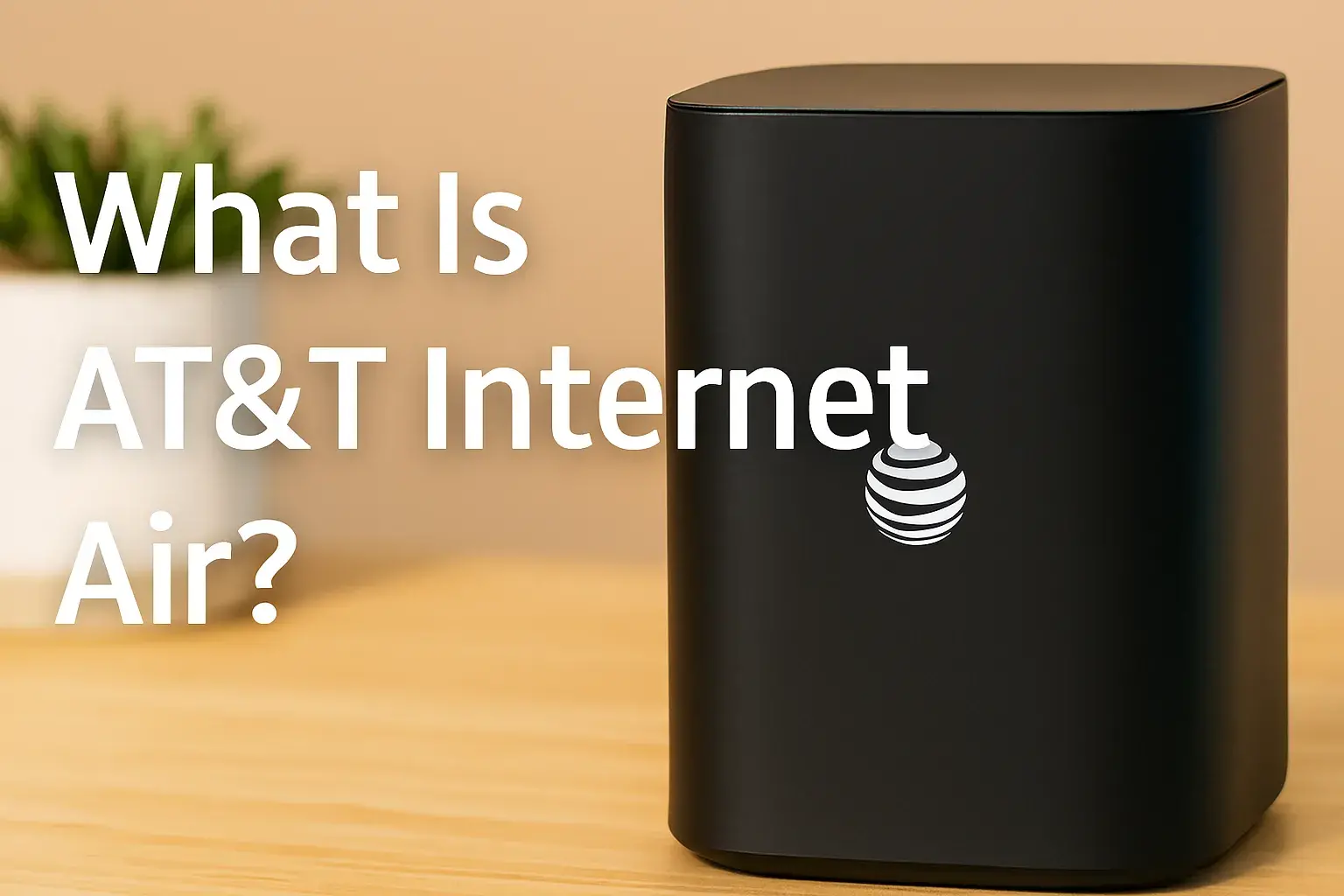
The AT&T gateway, often referred to as a modem-router combo, is the central hub for your home's internet connectivity. Its placement is not merely a matter of aesthetics; it directly impacts the speed, stability, and reach of your Wi-Fi signal. Unlike traditional modems that only convert the internet signal, gateways integrate routing capabilities, broadcasting the Wi-Fi network throughout your home. This dual functionality makes its location even more critical. A poorly placed gateway can lead to frustrating dead zones, slow loading times, and dropped connections, regardless of the internet plan you subscribe to. In 2025 and 2026, with the increasing reliance on high-bandwidth applications like 8K streaming, cloud gaming, and seamless video conferencing, optimizing this placement becomes paramount for a smooth digital experience.
Many users mistakenly believe that plugging the gateway into the nearest available electrical outlet is sufficient. However, this overlooks the complex interplay of radio waves, physical obstructions, and the gateway's own internal components. The goal is to maximize the signal's ability to travel unimpeded to all the devices that will be using it. This involves understanding the types of signals your gateway emits (both Wi-Fi and the connection to the AT&T network) and how various environmental factors can interfere with them. This comprehensive guide will break down these factors, provide clear recommendations, and empower you to make an informed decision about where to position your AT&T gateway for peak performance.
Factors Affecting Signal Strength
Several key factors influence the strength and reach of your AT&T gateway's Wi-Fi signal. Understanding these will help you make informed decisions about placement. These factors are universal across most Wi-Fi devices but are particularly important for the gateway as it serves your entire network.
Physical Obstructions
The most significant barriers to Wi-Fi signals are physical objects. Different materials absorb, reflect, or block radio waves to varying degrees. Understanding this is the first step to effective placement.
- Walls: The material of your walls plays a crucial role. Drywall is relatively permeable to Wi-Fi signals, allowing them to pass through with minimal degradation. However, materials like brick, concrete, and stone are much denser and can significantly weaken or block signals. Older homes with thick plaster and lath walls can also pose a challenge.
- Metal Objects: Large metal appliances (refrigerators, ovens, washing machines), metal filing cabinets, and even mirrors with metallic backing can act as signal reflectors or absorbers, creating dead zones or distorting the signal.
- Water: Aquariums, large water heaters, and even significant amounts of foliage can absorb Wi-Fi signals.
- Furniture: While less impactful than solid walls, dense furniture can still contribute to signal attenuation, especially if it's large and metallic or densely packed.
Interference from Other Electronic Devices
Your AT&T gateway operates on specific radio frequencies (2.4 GHz and 5 GHz). Other devices in your home that use these same frequencies, or even nearby devices operating on adjacent frequencies, can cause interference, leading to slower speeds and dropped connections. This is a common issue in densely populated areas or homes with many smart devices.
- Microwave Ovens: These are notorious for interfering with the 2.4 GHz Wi-Fi band, as they operate on a similar frequency. Using a microwave can temporarily cripple your Wi-Fi.
- Bluetooth Devices: While generally low-power, numerous Bluetooth devices in close proximity can contribute to 2.4 GHz interference.
- Cordless Phones: Older cordless phones, especially those operating in the 2.4 GHz range, can be a significant source of interference.
- Other Wi-Fi Networks: In apartment buildings or densely packed neighborhoods, overlapping Wi-Fi networks can create congestion on the available channels, impacting performance.
- Baby Monitors and Security Cameras: Some wireless models operate on the 2.4 GHz band.
Gateway's Own Signal Characteristics
The gateway itself has limitations and characteristics that influence its signal propagation.
- Antenna Type and Placement: Most AT&T gateways have internal or external antennas. Their orientation and design affect how the signal is broadcast. While you generally can't change these, understanding that they broadcast signals in a specific pattern is helpful.
- Heat Dissipation: Gateways generate heat. Placing them in enclosed spaces without adequate ventilation can lead to overheating, which can degrade performance and potentially shorten the device's lifespan.
- Signal Strength Drop-off: Wi-Fi signals naturally weaken with distance. The further a device is from the gateway, the weaker the signal will be.
Environmental Factors
Beyond direct obstructions and electronic interference, the general environment can play a role.
- Elevation: Placing the gateway on a higher shelf or table can sometimes improve signal distribution compared to placing it on the floor, as signals tend to spread outwards and downwards.
- Centrality: The ideal location is often central to the areas where you use your internet the most. This minimizes the distance to the furthest devices.
- Airflow: As mentioned, good ventilation is important for the gateway's performance and longevity.
Ideal Locations for Your AT&T Gateway
Based on the factors discussed, certain locations within your home are consistently better for AT&T gateway placement. The overarching principle is to find a spot that is central, elevated, open, and away from common sources of interference.
The Central Hub Approach
The most effective strategy is to place your gateway as close to the geographic center of your home as possible. This ensures that the Wi-Fi signal has a more balanced reach to all rooms, reducing the likelihood of dead zones in distant areas.
- Consider the Layout: Think about the floor plan of your home. If you have a sprawling ranch-style house, a central location on that floor might be best. For multi-story homes, the placement on the main floor, potentially in a central hallway or living area, often works well.
- Prioritize High-Usage Areas: If you primarily use the internet in your living room and home office, and these areas are relatively close to the center of the house, aim for a location that serves both well.
Open and Elevated Spaces
Giving your gateway an unobstructed path for its signals is crucial.
- On a Shelf or Table: Placing the gateway on a desk, shelf, or table, rather than on the floor, allows the signal to propagate more effectively downwards and outwards. Aim for a height of at least a few feet off the ground.
- Away from Corners: Corner locations, especially those near exterior walls, can limit the directionality of the signal and push it away from the interior of your home.
- Avoid Enclosed Cabinets: Unless the cabinet is specifically designed for electronics with ample ventilation, avoid placing the gateway inside. This can trap heat and block signals.
Minimizing Interference
Strategic placement can help you avoid common sources of electronic interference.
- Away from Kitchen Appliances: Keep the gateway away from microwaves, refrigerators, and other large kitchen appliances that can interfere with Wi-Fi signals.
- Separate from Entertainment Centers: While convenient, placing the gateway directly within a crowded entertainment center with multiple electronic devices can lead to interference.
- Consider Proximity to Other Networks: If you live in an apartment building, try to position the gateway away from walls shared with neighbors whose Wi-Fi networks might be causing congestion.
The "First Outlet" Rule (with caveats)
For AT&T Fiber installations, the gateway is often installed near where the fiber line enters your home. This is usually the most practical location for the technician to ensure a stable connection to the AT&T network. If this location is not ideal for Wi-Fi coverage, consider using a Wi-Fi extender or mesh system to supplement the signal in other areas. However, if you have a choice, and the entry point is in a poor location (e.g., a basement corner), discuss potential alternative placements with your AT&T technician if possible, or plan to reposition it yourself after installation.
Examples of Ideal Placements:
- Central Living Room: On a bookshelf or side table, away from the TV and other electronics.
- Hallway Table: If a hallway is centrally located, a table or console can be a good spot.
- Home Office Desk: If your office is centrally located and not cluttered with other electronics.
- Open-plan Kitchen/Dining Area: On a counter or island, away from the microwave and refrigerator.
Gateway Placement for Different Home Types
The ideal placement can vary slightly depending on the type and size of your home.
Single-Story Homes
For single-story homes, a central location is paramount. Aim for the middle of the house, ideally in a main living area. If the house is long and narrow, you might consider placing it slightly off-center towards the area where you spend the most time online.
Multi-Story Homes
In multi-story homes, the challenge is to cover multiple floors. Placing the gateway on the main floor, centrally located, often provides the best balance. However, if you experience significant signal loss on upper or lower floors, you might need to consider placing it on the floor with the highest concentration of devices or using a mesh network.
Apartments and Condominiums
Space is often at a premium. Prioritize a central location away from shared walls with neighbors if possible, as this can reduce interference. A bookshelf or a small side table can be ideal. Be mindful of potential signal bleed into neighboring units, which can sometimes cause interference.
Locations to Avoid
Just as important as knowing where to place your AT&T gateway is knowing where *not* to place it. Avoiding these common pitfalls will save you a great deal of troubleshooting and frustration.
Hidden Away in Closets or Cabinets
While it might seem like a good way to hide unsightly equipment, placing your gateway in a closet, especially a linen closet or a utility closet, is generally a bad idea. These spaces often lack adequate ventilation, leading to overheating. Furthermore, the doors and the confined space can significantly block and degrade the Wi-Fi signal, creating dead zones just a few feet away.
Near Large Metal Objects or Appliances
As discussed in the factors affecting signal strength, large metal objects and appliances are major signal disruptors. This includes:
- Refrigerators
- Ovens and Microwaves
- Washing Machines and Dryers
- Large Metal Filing Cabinets
- Mirrors with metal backing
The metallic surfaces can reflect and absorb Wi-Fi signals, creating weak spots or completely blocking the signal's path.
On the Floor
Wi-Fi signals tend to propagate outwards and slightly downwards. Placing the gateway directly on the floor means a significant portion of the signal is directed into the floor itself, reducing its reach. Elevating the gateway, even by a few inches, can make a noticeable difference.
Near Windows or Exterior Walls
While it might seem intuitive to place it near where the internet enters, placing it directly against an exterior wall or near a window can cause the signal to broadcast outwards, away from the interior of your home. This is particularly true if the wall is made of dense materials like brick or concrete.
In Basements or Attics (unless absolutely necessary)
Basements and attics are often the least central locations in a home and can be prone to obstructions. While sometimes the fiber entry point dictates placement here, if you have a choice, avoid these areas for optimal Wi-Fi coverage throughout the main living spaces.
Areas with High Electronic Device Density
Avoid placing the gateway in the middle of a dense collection of electronics. This includes:
- Entertainment centers with multiple gaming consoles, soundbars, and TVs.
- Home offices crammed with computers, printers, and other peripherals.
These devices can emit electromagnetic interference that disrupts Wi-Fi signals.
Behind or Underneath Furniture
Similar to closets, hiding the gateway behind or under furniture can obstruct the signal. Even if the furniture isn't metallic, it still acts as a physical barrier that weakens the signal.
Optimizing Your AT&T Gateway Setup
Once you've identified a promising location, there are several steps you can take to optimize your AT&T gateway's performance and ensure you're getting the best possible connection.
Restart Your Gateway Regularly
It sounds simple, but regularly restarting your gateway (power cycling) can resolve many minor performance issues. This clears out temporary glitches and allows the device to re-establish a fresh connection to the AT&T network. Aim to do this at least once a month, or whenever you notice a slowdown.
- Unplug the power cord from the back of the gateway.
- Wait for at least 30 seconds.
- Plug the power cord back in.
- Allow the gateway a few minutes to fully boot up and reconnect.
Update Gateway Firmware
AT&T regularly releases firmware updates for their gateways. These updates often include performance enhancements, bug fixes, and security patches. Most AT&T gateways update automatically, but it's worth checking periodically through the gateway's administrative interface or the AT&T Smart Home Manager app to ensure it's running the latest version.
Utilize the AT&T Smart Home Manager App
The AT&T Smart Home Manager app (available for iOS and Android) is an invaluable tool for managing your home network. It allows you to:
- Check Wi-Fi Signal Strength: The app often has a feature to test signal strength in different areas of your home, helping you identify dead zones.
- Manage Connected Devices: See which devices are connected to your network and their signal strength.
- Restart Your Gateway: Remotely power cycle your gateway.
- Change Wi-Fi Network Name (SSID) and Password: Customize your network for security and ease of use.
- Set Up Guest Networks: Provide internet access to visitors without compromising your main network security.
Consider Wi-Fi Extenders or Mesh Systems
Even with optimal placement, very large homes or homes with complex layouts may still experience Wi-Fi dead zones. In such cases, consider supplementing your AT&T gateway with additional hardware:
- Wi-Fi Extenders (Repeaters): These devices capture your existing Wi-Fi signal and rebroadcast it, extending its range. They are generally less expensive but can sometimes halve the available bandwidth.
- Mesh Wi-Fi Systems: These systems consist of a main router and several satellite nodes that work together to create a single, seamless Wi-Fi network throughout your home. They offer superior performance and coverage compared to extenders and are ideal for larger or multi-story homes. AT&T offers its own AT&T Wi-Fi Extender solutions, and third-party options from brands like Eero, Google Nest Wifi, and TP-Link Deco are also compatible.
Optimize Wi-Fi Band Usage
Most modern AT&T gateways broadcast on both the 2.4 GHz and 5 GHz bands. Each has its advantages:
- 2.4 GHz: Offers a longer range and better penetration through walls but is more susceptible to interference and has slower speeds.
- 5 GHz: Offers faster speeds and less interference but has a shorter range and struggles with obstructions.
For devices that are close to the gateway and require high speeds (e.g., streaming devices, gaming consoles), connect them to the 5 GHz band. For devices further away or that don't require high speeds (e.g., smart home devices, older laptops), the 2.4 GHz band is often sufficient. Some gateways allow you to give these bands different SSIDs (network names) for easier selection.
Secure Your Network
While not directly related to placement, a secure network is essential. Ensure you have a strong, unique password for your Wi-Fi network. Avoid using default passwords. Regularly review connected devices in the AT&T Smart Home Manager app to ensure no unauthorized devices are accessing your network.
Troubleshooting Common Placement Issues
Even with careful planning, you might encounter issues. Here's how to troubleshoot common problems related to AT&T gateway placement:
Slow Internet Speeds in Certain Areas
Symptom: Your internet works fine near the gateway but is sluggish in other rooms.
Cause: Signal obstruction, distance, or interference. The gateway might be too far from the device, or there are too many physical barriers or sources of interference between them.
Solution:
- Relocate the Gateway: If possible, move the gateway to a more central location.
- Reduce Interference: Move the gateway away from microwaves, cordless phones, or other interfering devices.
- Use a Wi-Fi Extender or Mesh System: This is often the most effective solution for widespread coverage issues.
- Switch Bands: Try connecting your device to the 5 GHz band if it's close enough, or the 2.4 GHz band if it's further away.
Frequent Wi-Fi Disconnections
Symptom: Your devices randomly lose their Wi-Fi connection.
Cause: Signal instability due to interference, an overloaded network, or a gateway that's overheating or malfunctioning.
Solution:
- Check for Interference: Identify and move away from potential sources of interference (microwaves, Bluetooth devices, etc.).
- Restart the Gateway: A simple power cycle can often resolve temporary glitches.
- Ensure Proper Ventilation: Make sure the gateway isn't in an enclosed space and has airflow.
- Update Firmware: Ensure your gateway's firmware is up to date.
- Check Device Compatibility: Ensure your devices are compatible with the Wi-Fi standards your gateway supports.
- Contact AT&T: If the issue persists, there might be a problem with the gateway itself or the AT&T service line.
"Dead Zones" Where Wi-Fi Doesn't Reach
Symptom: Specific areas of your home have no Wi-Fi signal at all.
Cause: Significant physical obstructions (thick walls, multiple floors) or the gateway being too far from these areas.
Solution:
- Gateway Relocation: The most direct solution is to move the gateway closer to the dead zone, ideally to a more central point.
- Wi-Fi Extenders or Mesh System: These are designed specifically to eliminate dead zones by extending the Wi-Fi coverage.
- Strategic Placement of Extenders: If using extenders, place them halfway between the gateway and the dead zone for optimal performance.
Inconsistent Speeds
Symptom: Internet speeds fluctuate wildly, even when using the same device in the same location.
Cause: Network congestion (too many devices using the bandwidth), interference, or a combination of factors.
Solution:
- Manage Connected Devices: Limit the number of bandwidth-intensive applications running simultaneously.
- Use the 5 GHz Band: Connect devices that require higher speeds to the 5 GHz band.
- Check for Interference: Eliminate or move away from sources of interference.
- Test Wired Connection: Connect a device directly to the gateway via Ethernet cable to see if the issue is with the Wi-Fi signal or the internet service itself. If wired speeds are consistently good, the problem is likely Wi-Fi related.
Gateway Placement vs. Other Routers
It's important to distinguish between an AT&T gateway and a standalone router. An AT&T gateway is typically a modem and router combined, provided by AT&T to manage your internet connection. If you've chosen to use your own high-performance router instead of the AT&T gateway's Wi-Fi capabilities (often referred to as "bypassing" the gateway's router function), the placement principles for your router are largely the same.
AT&T Gateway as Modem Only
In some advanced setups, users might disable the Wi-Fi on their AT&T gateway and use a separate, more powerful router. In this scenario:
- Gateway Placement: The AT&T gateway (acting as a modem) needs to be placed where it can receive the best signal from AT&T's network. For fiber, this is typically where the fiber line enters the home. For DSL or U-verse, it's near the phone jack. Its Wi-Fi broadcasting capability is irrelevant.
- Router Placement: Your standalone router, which will broadcast your Wi-Fi, should then be placed according to the optimal placement strategies outlined in this guide – centrally located, elevated, and free from obstructions and interference.
Standalone Routers
If you are using a router that is not integrated with a modem (i.e., you have a separate modem), the placement considerations for that router are identical to those for the Wi-Fi aspect of an AT&T gateway. The modem's placement is determined by its connection type (cable, DSL, fiber), while the router's placement is determined by Wi-Fi signal optimization.
The key takeaway is that regardless of whether you're using an AT&T gateway's built-in Wi-Fi or a separate router, the principles for maximizing Wi-Fi coverage remain consistent: central location, elevation, and minimizing obstructions and interference.
Future-Proofing Your Placement
As technology evolves and our reliance on the internet grows, our home network needs will continue to change. Considering future needs when placing your AT&T gateway can save you hassle down the line.
Anticipate Increased Device Count
The number of connected devices in the average home is only going to increase. Smart home devices, wearables, multiple streaming devices, and remote work setups all contribute to network demand. Placing your gateway in a location that can adequately serve a higher density of devices will be beneficial.
Consider Future Internet Speeds
AT&T is continuously upgrading its network. While your current plan might be sufficient, future upgrades could offer significantly higher speeds. Ensure your gateway's placement can support these higher speeds without becoming a bottleneck. For instance, if you're using a Wi-Fi 5 (802.11ac) device, and your gateway supports Wi-Fi 6E or Wi-Fi 7, placing the gateway optimally will allow you to take advantage of those newer, faster standards.
Plan for Smart Home Integration
Smart home ecosystems often rely heavily on stable Wi-Fi. If you envision expanding your smart home setup with devices like smart lights, thermostats, security cameras, or smart speakers, ensure your gateway's placement can provide reliable coverage to all these potential locations.
The Role of Mesh Networks
For true future-proofing, especially in larger homes, investing in a mesh Wi-Fi system is highly recommended. These systems are designed for scalability and seamless coverage. By placing the primary mesh node (which connects to your AT&T gateway) in an optimal central location, you can then strategically place satellite nodes to cover every corner of your home, adapting to your evolving needs.
Accessibility for Maintenance
While not strictly about signal strength, consider placing your gateway in a location that is easily accessible for future maintenance, troubleshooting, or eventual replacement. Avoid placing it behind heavy furniture or in hard-to-reach areas if possible.
Conclusion
In conclusion, the best place to put your AT&T gateway is a strategic decision that profoundly impacts your home's internet performance. By prioritizing a central, elevated, and open location, while actively avoiding physical obstructions and electronic interference, you can significantly enhance your Wi-Fi signal strength, speed, and reliability. Remember to consider the unique layout of your home and the specific factors that can degrade signal quality. Regularly restarting your gateway, keeping its firmware updated, and utilizing tools like the AT&T Smart Home Manager app are essential optimization steps. For larger homes or those with persistent coverage issues, investing in a Wi-Fi extender or a mesh Wi-Fi system is a highly effective solution for eliminating dead zones and ensuring consistent connectivity throughout your entire living space. By following these guidelines, you can ensure your AT&T gateway is positioned for optimal performance in 2025 and beyond, supporting all your online activities with speed and stability.