What Is Xfinity 10G?
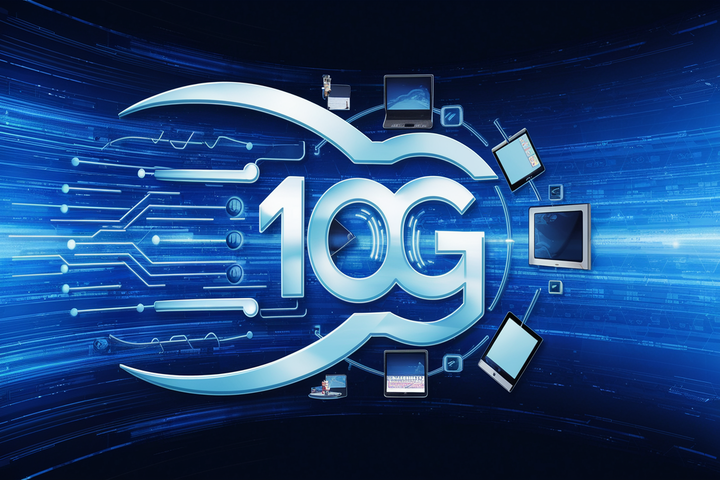
Xfinity's "10G" is not a new generation of wireless technology but rather a branding initiative highlighting their advanced fiber-optic and coaxial network capabilities. This post demystifies Xfinity 10G, explaining what it truly means for your internet speed, reliability, and the future of connectivity, empowering you to make informed decisions.
What Exactly is Xfinity 10G?
The term "Xfinity 10G" is a strategic marketing initiative by Comcast's Xfinity to signify their commitment to delivering cutting-edge internet experiences. It's crucial to understand that "10G" does not refer to a new wireless generation akin to 5G for mobile devices. Instead, Xfinity 10G represents the culmination of their ongoing investments in their advanced hybrid fiber-coaxial (HFC) network, designed to offer significantly faster speeds, lower latency, and enhanced reliability for residential and business customers. This branding aims to convey a sense of future-ready technology and superior performance that goes beyond traditional internet offerings. It's about leveraging their existing robust infrastructure and continuously upgrading it to meet the ever-increasing demands of modern digital life, from high-definition streaming and online gaming to the proliferation of smart home devices and the metaverse. Essentially, Xfinity 10G is Xfinity's promise of next-generation internet performance delivered through their highly evolved network.
Understanding the Technology Behind 10G
To truly grasp what Xfinity 10G entails, it's essential to delve into the underlying technologies that power this advanced network. Xfinity's approach is not about a single revolutionary technology but rather the sophisticated integration and enhancement of existing, proven infrastructure. The core of their offering lies in their robust hybrid fiber-coaxial (HFC) network, which combines the best attributes of fiber optics and coaxial cable.
Fiber Optic Technology
Fiber optic cables are the backbone of modern high-speed internet. Unlike traditional copper wires that transmit data using electrical signals, fiber optics use light pulses to transmit information. This fundamental difference offers several significant advantages:
- Immense Bandwidth: Fiber optic cables can carry vastly more data than copper wires, enabling incredibly high speeds. Think of it as a superhighway for data, with many more lanes and a much higher speed limit.
- Lower Latency: Light travels faster than electricity, resulting in significantly reduced latency. Latency is the delay between sending a command and receiving a response, crucial for real-time applications like online gaming and video conferencing.
- Immunity to Interference: Fiber optic cables are not susceptible to electromagnetic interference (EMI) or radio frequency interference (RFI) that can plague copper wires. This means a more stable and consistent connection, unaffected by external electrical noise.
- Longer Distances: Light signals can travel much further through fiber optic cables with less signal degradation compared to electrical signals in copper.
Xfinity has been progressively deploying fiber optic cables deeper into its network, bringing the fiber closer to homes and businesses. This "fiber deeper" strategy is a key component of their 10G initiative.
Coaxial Cable Network
Coaxial cable, the same type of cable traditionally used for cable television, has been a workhorse for internet service providers for decades. While it has limitations compared to pure fiber, it's also highly resilient and widely deployed. Xfinity has continuously innovated its coaxial network through technologies like DOCSIS (Data Over Cable Service Interface Specification).
- DOCSIS Standards: Each iteration of DOCSIS has brought significant improvements in speed and efficiency. DOCSIS 3.0, for instance, allowed for channel bonding, significantly increasing download and upload speeds. The latest standards, like DOCSIS 3.1 and the upcoming DOCSIS 4.0, are designed to push the boundaries of what's possible over coaxial, enabling multi-gigabit speeds.
- Ubiquitous Deployment: Coaxial cable is already present in millions of homes, making it a cost-effective way to deliver high-speed internet to a vast customer base without requiring entirely new infrastructure to every doorstep.
- Robustness: Coaxial cables are generally durable and can withstand various environmental conditions.
Xfinity's expertise in optimizing and upgrading its coaxial network is a critical part of its 10G strategy, allowing them to leverage existing infrastructure while achieving unprecedented speeds.
Combined Power: HFC
The "10G" branding from Xfinity heavily relies on the strengths of their Hybrid Fiber-Coaxial (HFC) network. HFC architecture strategically combines fiber optic cables and coaxial cables to deliver internet services. Here's how it works and why it's central to Xfinity 10G:
- Fiber to the Node (FTTN) / Fiber to the Premises (FTTP): In an HFC network, fiber optic cables are run from the provider's central office (or a local hub) to a neighborhood node or even directly to a building or home. This is the high-speed, high-capacity part of the network.
- Coaxial from Node to Home: From the fiber node, traditional coaxial cables are used to connect to individual homes or businesses. This segment leverages the existing cable TV infrastructure.
- DOCSIS Enhancements: Xfinity utilizes advanced DOCSIS technologies (like 3.1 and future iterations) over the coaxial segment to maximize the data throughput. This allows them to deliver multi-gigabit speeds to the end-user without the prohibitive cost of running fiber directly to every single premise.
- "10G" as a Performance Indicator: Xfinity's "10G" branding signifies the advanced state of their HFC network, which is engineered to deliver speeds and performance that are on par with, or even surpass, what many perceive as next-generation capabilities. It's a testament to their ongoing upgrades and optimizations of both the fiber and coaxial components of their network, pushing the boundaries of speed, latency, and capacity. This includes advancements like Remote PHY (Radio Frequency over a Physical Interface), which moves more of the network's processing to the edge, closer to the customer, further enhancing performance.
By strategically deploying fiber deeper and enhancing their coaxial network with the latest DOCSIS standards, Xfinity is able to offer a high-performance internet experience that they've branded as "10G." This approach allows them to deliver impressive speeds and reliability to a broad customer base by intelligently combining these two powerful technologies.
What 10G Means for You: The Consumer
The technical advancements behind Xfinity 10G translate into tangible benefits for everyday users. It's not just about marketing; it's about a demonstrably better internet experience that impacts how you work, play, and connect.
Speed and Performance
The most immediate and noticeable benefit of Xfinity's 10G initiative is the significant increase in internet speeds. This isn't just about theoretical maximums; it's about delivering faster downloads, quicker uploads, and a more responsive online experience.
- Faster Downloads: Downloading large files, such as movies, software updates, or game installations, will take a fraction of the time. For example, a 100GB game that might have taken an hour or more on older connections could potentially download in under 10-15 minutes on a 10G-enabled plan.
- Quicker Uploads: This is particularly beneficial for content creators, remote workers who frequently share large files, and those who regularly upload videos to platforms like YouTube or Twitch. Uploading high-resolution video footage or backing up large data sets to cloud storage becomes much more efficient.
- Smoother Streaming: High-definition and 4K streaming will be virtually buffer-free, even with multiple devices connected simultaneously. This means uninterrupted movie nights and seamless live sports broadcasts.
- Enhanced Cloud Computing: Accessing and working with applications and files stored in the cloud becomes much more fluid, making remote work and collaboration more effective.
By 2025-26, with the continued rollout and optimization of Xfinity's network, users can expect to see advertised speeds reaching into the multi-gigabit range (e.g., 1 Gbps, 2 Gbps, and potentially higher in select areas).
Reliability and Stability
Speed is only one part of the equation. Xfinity 10G also focuses on delivering a more reliable and stable internet connection, reducing frustrating outages and intermittent connectivity issues.
- Reduced Congestion: As more data is pushed through the network, congestion can become a problem, leading to slower speeds during peak hours. Xfinity's upgraded infrastructure, particularly the deeper fiber deployment, helps to alleviate this by increasing overall network capacity.
- Less Susceptibility to Interference: The use of fiber optics for the core network means less vulnerability to external electrical interference, which can cause dropped connections or performance degradation in traditional copper networks.
- Improved Network Management: Xfinity employs sophisticated network management tools to monitor and optimize traffic flow, ensuring a consistent experience for users.
- Resilience: The robust nature of both fiber and well-maintained coaxial networks contributes to overall service resilience, meaning fewer disruptions due to external factors.
In 2025-26, consumers can anticipate a more consistent and dependable internet service, crucial for critical tasks like remote work, online education, and telehealth appointments.
Future-Proofing Your Connection
The digital landscape is constantly evolving, with new technologies and applications demanding more bandwidth and lower latency. Xfinity 10G is positioned as a forward-looking solution.
- Support for Emerging Technologies: As virtual reality (VR), augmented reality (AR), the metaverse, and advanced smart home ecosystems become more prevalent, they will require robust internet connections. Xfinity 10G aims to provide the necessary infrastructure to support these future applications seamlessly.
- Increased Device Density: Modern households have numerous connected devices – smartphones, tablets, smart TVs, gaming consoles, smart appliances, security cameras, and more. A high-capacity network like 10G can handle this growing density without performance degradation.
- Scalability: The underlying technology powering 10G is designed to be scalable. As future bandwidth demands increase, Xfinity can continue to upgrade its network to meet those needs without necessarily requiring a complete overhaul of the physical infrastructure.
Investing in an Xfinity 10G plan in 2025-26 means you are preparing your home for the next wave of digital innovation, ensuring your internet connection won't be a bottleneck.
Xfinity 10G vs. Traditional Internet
To fully appreciate the advancements represented by Xfinity 10G, it's helpful to compare it directly with what is typically considered "traditional" internet service. This comparison highlights the significant leap in performance and capability.
Speed Comparison
This is where the difference is most stark. Traditional internet plans often offer speeds ranging from 25 Mbps to a few hundred Mbps for download. Upload speeds are typically much lower.
| Feature | Traditional Internet (Example) | Xfinity 10G (Example - 2025-26) |
|---|---|---|
| Download Speed | 25 Mbps - 300 Mbps | 300 Mbps - 2 Gbps+ |
| Upload Speed | 3 Mbps - 20 Mbps | 20 Mbps - 100 Mbps+ |
| Use Case Impact | Basic browsing, standard streaming, email. May struggle with multiple HD streams or large downloads. | Seamless 4K streaming, fast large file downloads/uploads, lag-free gaming, multiple device support. |
As you can see, Xfinity 10G plans offer significantly higher download and upload speeds, enabling a much richer and more responsive online experience. The difference in upload speeds is particularly important for creators and remote workers.
Latency Comparison
Latency, or ping, is the time it takes for data to travel from your device to a server and back. Lower latency means a more responsive connection.
| Feature | Traditional Internet (Example) | Xfinity 10G (Example - 2025-26) |
|---|---|---|
| Latency (Ping) | 30ms - 100ms+ | 10ms - 30ms |
| Use Case Impact | Acceptable for general browsing and streaming. May cause noticeable lag in fast-paced online games or real-time video conferencing. | Near real-time responsiveness for online gaming, smooth video calls, immersive VR experiences. |
The reduced latency of Xfinity 10G is a direct result of the improved network infrastructure, especially the fiber components. This is critical for applications where split-second responses are essential.
Reliability Comparison
While reliability can vary based on local infrastructure and maintenance, the underlying technologies of Xfinity 10G offer inherent advantages.
| Feature | Traditional Internet (Example) | Xfinity 10G (Example - 2025-26) |
|---|---|---|
| Network Technology | Primarily copper-based (DSL, older cable) | Hybrid Fiber-Coaxial (HFC) with advanced DOCSIS and deeper fiber deployment |
| Susceptibility to Interference | Higher risk from EMI/RFI | Lower risk due to fiber optics in the core network |
| Congestion Management | Can be more prone to slowdowns during peak hours | Increased capacity and better management to reduce congestion |
| Overall Stability | Can be inconsistent, especially with older infrastructure | Designed for more consistent and stable performance |
The advanced HFC architecture of Xfinity 10G, combined with continuous network upgrades, aims to provide a more stable and dependable connection, minimizing downtime and performance dips.
Xfinity 10G Packages and Pricing (2025-26)
Understanding the pricing and package structure for Xfinity 10G is crucial for consumers looking to upgrade. While specific offers can vary by region and promotional periods, there are general trends and factors to consider.
Understanding Tiers
Xfinity, like most internet providers, offers a tiered service structure. These tiers are primarily differentiated by speed. As Xfinity rolls out its 10G enhancements, you'll see plans with increasingly higher speed tiers becoming available.
- Entry-Level 10G: These plans will offer speeds that are significantly faster than traditional broadband, likely starting in the 300-500 Mbps download range. They are suitable for households with moderate internet usage, including streaming in HD and supporting a few connected devices.
- Mid-Tier 10G: These plans typically offer speeds between 500 Mbps and 1 Gbps. They are ideal for most households, supporting multiple simultaneous HD/4K streams, online gaming, and efficient large file transfers.
- High-End/Gigabit 10G: These are the top-tier plans, offering speeds of 1 Gbps and above, potentially reaching 2 Gbps or more in areas where the infrastructure is fully optimized. These are for power users, large families with many connected devices, businesses, or those who need the absolute fastest speeds for demanding applications.
It's important to note that "10G" is a branding for the network's capability. The actual speed you get will depend on the specific plan you subscribe to.
Typical Pricing Structure
Pricing for Xfinity 10G plans generally correlates with speed. Higher speeds command higher monthly prices.
- Base Monthly Rate: This is the advertised price for the internet service itself. These prices are often subject to promotional periods, typically lasting 12 or 24 months.
- Promotional Pricing: New customers or those upgrading may be eligible for introductory discounts that lower the monthly cost for a set duration. After this period, the price typically reverts to the standard rate.
- Equipment Rental Fees: Xfinity typically charges a monthly fee for modem/router rentals. While purchasing your own compatible equipment can save money long-term, ensure it meets the requirements for the higher speeds offered by 10G plans.
- Taxes and Fees: Be aware that the advertised price usually doesn't include taxes, regulatory fees, and other surcharges, which can add a significant amount to your final bill.
As of 2025-26, you might expect to see:
- Entry-level 10G plans (300-500 Mbps): $65 - $85 per month (standard rate, promotional rates will be lower).
- Mid-tier 10G plans (up to 1 Gbps): $80 - $100 per month (standard rate).
- High-end/Gigabit+ 10G plans (1 Gbps+): $100 - $120+ per month (standard rate).
These are estimates, and actual pricing should be verified on the Xfinity website or by contacting their sales department.
Factors Affecting Price
- Your Location: Pricing can vary significantly based on your geographic location and the competitive landscape in your area.
- Bundling Services: Xfinity often offers discounts when you bundle internet with other services like TV or mobile.
- Contract Length: While Xfinity has moved towards more flexible plans, some offers might still involve a contract, which can influence pricing.
- Promotional Offers: Keep an eye out for special deals, especially during peak sales periods or for new customer acquisitions.
- Data Caps: While Xfinity has largely moved away from hard data caps on its internet plans, it's always wise to confirm the data allowance for your specific plan to avoid potential overage charges.
For the most accurate and up-to-date pricing for Xfinity 10G in your area, it is essential to visit the official Xfinity website or speak with a customer service representative.
How to Upgrade to Xfinity 10G
Transitioning to an Xfinity 10G-enabled plan is a straightforward process designed to be as seamless as possible for existing and new customers. The key steps involve checking availability, selecting the right plan, and understanding the installation process.
Checking Availability
The first and most crucial step is to determine if Xfinity 10G technology is available at your specific address. While Xfinity is continuously expanding its network, availability can vary by neighborhood and even street.
- Visit the Xfinity Website: The easiest way to check availability is by visiting the official Xfinity website (www.xfinity.com).
- Enter Your Address: Look for a "Check Availability" or "Shop Plans" section and enter your full street address.
- Review Available Plans: The website will display the internet plans, including those leveraging the 10G network, that are available at your location. You'll be able to see the speeds, features, and pricing for each option.
- Contact Xfinity Directly: If you encounter any issues or are unsure about the results, you can call Xfinity customer service or visit a local Xfinity store.
Availability is often dictated by the presence of Xfinity's advanced HFC infrastructure, including the deployment of fiber deeper into the network and the necessary equipment at local nodes.
Choosing the Right Plan
Once you've confirmed availability, the next step is to select the plan that best suits your household's needs. Consider the following factors:
- Internet Usage Habits:
- Light Users: Primarily email, social media, occasional HD streaming. An entry-level 10G plan (e.g., 300-500 Mbps) might suffice.
- Moderate Users: Regular HD/4K streaming, online gaming, video conferencing, multiple devices. A mid-tier plan (e.g., 500 Mbps - 1 Gbps) is likely ideal.
- Heavy Users: Simultaneous 4K streaming on multiple devices, extensive online gaming, large file downloads/uploads (content creators, remote professionals), smart home enthusiasts. A Gigabit or multi-Gigabit plan is recommended.
- Number of Connected Devices: The more devices you have connected simultaneously, the more bandwidth you'll need.
- Budget: Compare the monthly costs of different plans, factoring in any promotional offers, equipment rental fees, and taxes.
- Upload vs. Download Needs: If you frequently upload large files or stream your own content, pay close attention to the upload speeds offered.
Don't hesitate to ask Xfinity representatives for recommendations based on your specific household's usage patterns.
Installation Process
The installation process for upgrading to Xfinity 10G can vary depending on whether you are a new customer or an existing customer upgrading your service.
- New Customers:
- Professional Installation: Typically, a technician will visit your home to set up the service, install necessary equipment (modem/router), and ensure everything is working correctly. This is often the default option for new sign-ups.
- Self-Installation: In some cases, if the necessary wiring is already in place, Xfinity may offer a self-installation kit, allowing you to set up the service yourself to save on installation fees.
- Existing Customers:
- Self-Installation (Most Common): If you are upgrading your speed tier within the same service type (e.g., from a lower Xfinity internet plan to a higher 10G plan), you may be able to perform a self-installation. Xfinity will often send you a new modem/router if required, along with clear instructions. You'll simply need to connect the new equipment and activate it online or via phone.
- Technician Visit: In some instances, especially if significant infrastructure changes are needed at your location or if you opt for a very high-tier plan, a technician visit might be required. This will be communicated to you during the sign-up or upgrade process.
Regardless of the method, Xfinity aims to make the transition smooth. Ensure you have a clear schedule for any technician appointments and follow the provided instructions carefully for self-installation.
Common Misconceptions About 10G
The term "10G" can be confusing, especially given the prevalence of "5G" in the mobile world. It's important to clarify what Xfinity 10G is and isn't to avoid misunderstandings.
Is it 5G for Internet?
No, Xfinity 10G is not related to 5G wireless technology. 5G refers to the fifth generation of cellular network technology used for mobile devices like smartphones and tablets. Xfinity 10G, on the other hand, is a branding term for Xfinity's advanced wired internet network, primarily utilizing hybrid fiber-coaxial (HFC) infrastructure. While both aim to deliver faster speeds and improved performance, they operate on entirely different technological principles and delivery methods. Xfinity 10G leverages the robust, established cable network, enhanced with fiber optics and the latest DOCSIS standards, to provide high-speed internet to homes and businesses.
Does it Require New Equipment?
It depends on your current equipment and the plan you choose. If you are upgrading to a significantly faster speed tier within the Xfinity 10G network, you might need a newer modem or router that supports the higher speeds and technologies (like DOCSIS 3.1 or 4.0). Xfinity will typically inform you if your existing equipment is insufficient and offer options to rent or purchase compatible hardware. If you already have a modern, high-performance Xfinity gateway capable of supporting gigabit speeds, you might not need new equipment for certain 10G plans. Always check the specific requirements for the plan you are interested in.
Is it Available Everywhere?
No, Xfinity 10G is not yet available in all areas served by Xfinity. The rollout of Xfinity's advanced network infrastructure, including the deeper deployment of fiber optics and upgrades to the coaxial network, is an ongoing process. Availability is dependent on the specific infrastructure in your neighborhood. While Xfinity is continually expanding its 10G capabilities, some areas may still be on older network technologies or may not yet have received the full upgrades. It is essential to check your specific address on the Xfinity website to confirm availability.
Understanding these distinctions helps set realistic expectations about what Xfinity 10G offers and how it differs from other connectivity technologies.
The Future of Connectivity with Xfinity 10G
Xfinity 10G is more than just an incremental speed increase; it represents a foundational upgrade to the internet infrastructure that will power the next wave of digital innovation. As we move further into the mid-2020s and beyond, the demands on our home and business internet connections will only continue to grow.
Smart Homes and IoT
The Internet of Things (IoT) continues to expand, with more devices in our homes becoming connected – from smart thermostats and lighting to security systems, appliances, and voice assistants. A robust network like Xfinity 10G is essential to manage this increasing density of devices without performance issues.
- Seamless Device Integration: Higher bandwidth and lower latency ensure that all your smart devices can communicate efficiently and reliably with each other and with the cloud.
- Enhanced Security: A stable and fast connection is crucial for the security of your smart home network, allowing for real-time monitoring and alerts from security cameras and sensors.
- Future Device Support: As more sophisticated smart home devices emerge, requiring more data processing and faster communication, the 10G network will be better equipped to handle these demands.
By 2025-26, a truly smart home experience will be heavily reliant on a high-capacity internet connection, making Xfinity 10G a significant enabler.
Virtual and Augmented Reality
The development of immersive technologies like Virtual Reality (VR) and Augmented Reality (AR) is rapidly advancing. These technologies, often associated with the "metaverse," require massive amounts of data and extremely low latency to deliver a convincing and comfortable experience.
- High-Fidelity Experiences: VR and AR demand high-resolution graphics and complex environmental data to be streamed in real-time. Xfinity 10G's multi-gigabit speeds are crucial for delivering these high-fidelity experiences without lag or visual artifacts.
- Reduced Motion Sickness: Low latency is paramount in VR to prevent motion sickness. The near-instantaneous response times offered by 10G technology minimize the disconnect between physical movement and visual feedback.
- Interactive Metaverse Applications: As virtual worlds become more interactive and populated, the need for a robust internet connection to support real-time interactions, complex simulations, and large-scale virtual events will be critical.
Xfinity 10G is positioned to be a key infrastructure component for consumers looking to explore the burgeoning world of VR and AR in the coming years.
Advanced Gaming and Streaming
The demands of online gaming and high-definition streaming continue to escalate. Cloud gaming services, 4K and 8K video content, and the sheer volume of data involved require a powerful internet connection.
- Cloud Gaming: Services like Xbox Cloud Gaming, NVIDIA GeForce NOW, and PlayStation Plus Premium rely on streaming games directly to your device. This requires high download speeds and ultra-low latency, similar to streaming video but even more sensitive to delays.
- 4K/8K Streaming: As more content becomes available in 4K and eventually 8K resolution, the bandwidth requirements increase dramatically. Xfinity 10G ensures smooth, buffer-free playback of the highest quality video content.
- Faster Game Downloads: Modern video games can be enormous, often exceeding 100GB. Multi-gigabit speeds mean downloading these games in minutes rather than hours.
- Competitive Online Gaming: For serious gamers, low latency (ping) is non-negotiable. Xfinity 10G's reduced latency provides a competitive edge by ensuring faster reaction times in online multiplayer games.
In 2025-26, Xfinity 10G will be the backbone for households that demand the best in entertainment and gaming experiences.
Conclusion: Is Xfinity 10G Right for You?
Xfinity 10G represents a significant evolution in home internet service, driven by continuous investment in and optimization of their hybrid fiber-coaxial network. It's not a new wireless standard, but rather Xfinity's branding for the superior performance—faster speeds, lower latency, and enhanced reliability—that their advanced wired infrastructure now delivers. For consumers in 2025-26, this translates into tangible benefits: quicker downloads and uploads, seamless 4K streaming, lag-free gaming, and a more responsive experience for all connected devices. It future-proofs your home for emerging technologies like VR, AR, and the expanding IoT ecosystem.
To determine if Xfinity 10G is the right choice, assess your current internet usage, the number of devices in your household, and your budget. If you're experiencing slow speeds, buffering during streaming, or lag in online games, an upgrade to an Xfinity 10G plan could dramatically improve your digital life. While pricing varies by plan and location, the enhanced performance and future-readiness often justify the investment for households that rely heavily on their internet connection. Check Xfinity's website for availability in your area and compare plans to find the best fit for your needs. Embracing Xfinity 10G means stepping into a faster, more reliable, and more capable internet future.