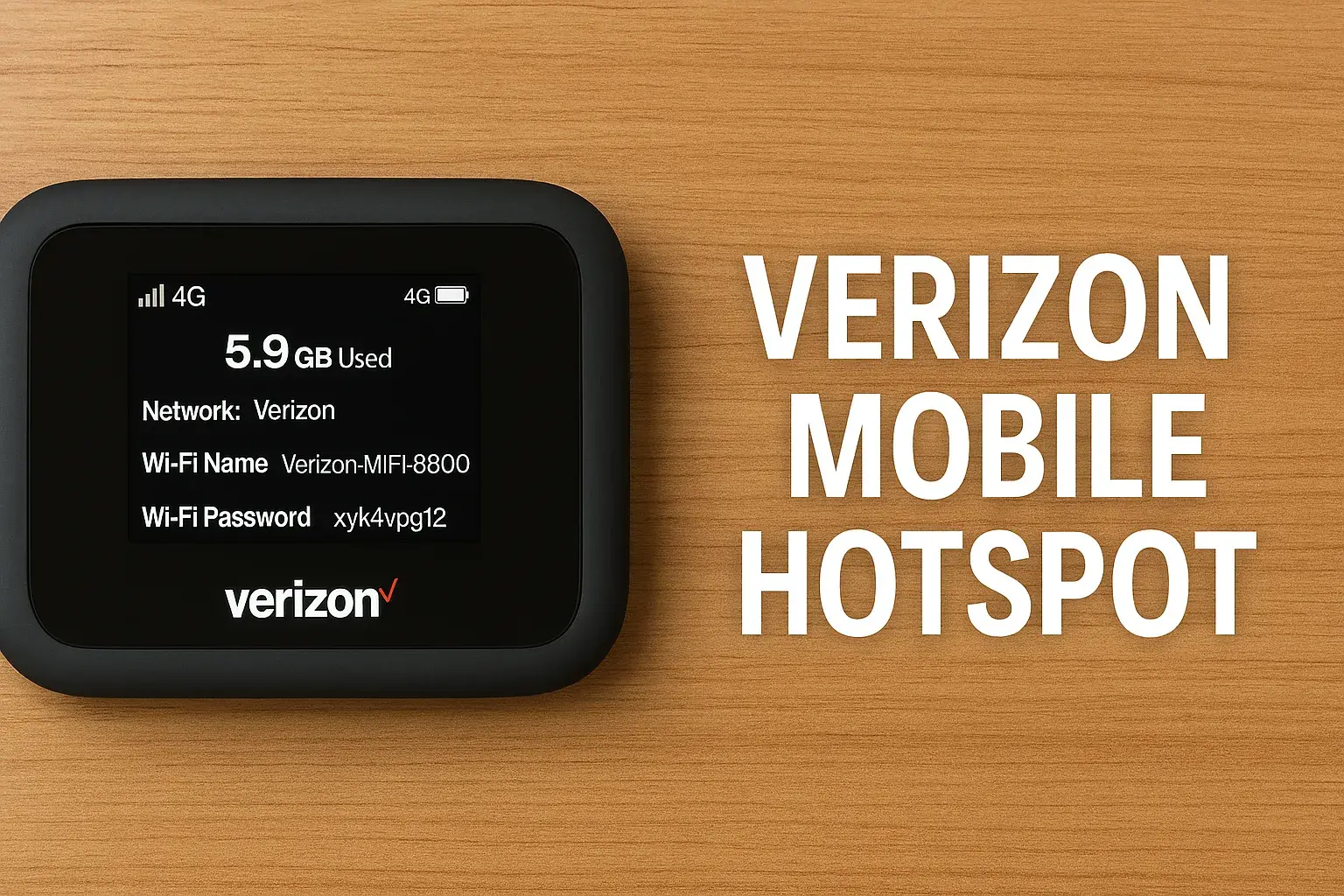
What is the Verizon 65 Plus plan price for seniors?

Discover the most affordable and feature-rich Verizon plans tailored for seniors. This comprehensive guide breaks down the Verizon 65 Plus plan pricing for 2025-26, helping you find the perfect fit for your needs and budget, ensuring you stay connected without overspending.
Understanding Verizon Plans for Seniors
In today's connected world, reliable mobile service is no longer a luxury but a necessity. For seniors, staying in touch with family, accessing essential services, and enjoying digital entertainment are all crucial aspects of modern life. Verizon, a leading telecommunications provider in the United States, offers various plans designed to meet the diverse needs of its customers, including specific considerations for older adults. Understanding the landscape of these plans is the first step toward finding the most suitable and cost-effective option. This section will delve into the general approach Verizon takes towards its senior-focused offerings, setting the stage for a detailed examination of the Verizon 65 Plus plan.
Verizon's commitment to providing accessible and affordable mobile solutions is evident in its tiered plan structures. While not all plans are explicitly marketed as "senior plans," many offer features and pricing that are particularly beneficial for older adults. These benefits often include simplified data allowances, unlimited talk and text, and sometimes, discounts on specific devices or services. The key is to navigate these options to identify which best aligns with a senior's typical usage patterns and budget. Many seniors prefer straightforward plans with predictable costs, avoiding the complexities of unlimited data or premium features they may not utilize. Verizon aims to cater to this preference through carefully curated plan options.
The evolution of mobile technology means that seniors are increasingly tech-savvy and have a wide range of needs, from basic communication to utilizing smartphones for health monitoring, navigation, and social interaction. Recognizing this, Verizon continuously refines its offerings. The "65 Plus" designation is a clear signal of a plan specifically designed with the demographic in mind, often implying a focus on value, ease of use, and essential services. However, it's important to look beyond the label and understand the specifics of what each plan entails. This includes examining data limits, international calling options, hotspot capabilities, and any bundled perks that might enhance the user experience.
Furthermore, the pricing of mobile plans is a significant factor for many seniors, who may be on fixed incomes. Verizon's senior-specific plans are often positioned as budget-friendly alternatives to their standard offerings. This doesn't necessarily mean a compromise on network quality or essential features. Instead, it suggests a strategic pricing model that offers a strong value proposition. Understanding the nuances of these pricing structures, including any potential hidden fees or promotional periods, is vital for making an informed decision. This guide aims to demystify these aspects, providing clarity on what seniors can expect from Verizon in terms of both service and cost.
The Verizon 65 Plus Plan: An In-Depth Look
The Verizon 65 Plus plan is specifically designed to cater to the communication needs of individuals aged 65 and older. It aims to provide a straightforward, reliable, and cost-effective mobile experience. Unlike some of Verizon's more complex unlimited plans, the 65 Plus plan typically focuses on core services that are most important to its target demographic: unlimited talk and text, and a generous, yet manageable, data allowance. This simplicity is a key selling point, reducing confusion and ensuring users can easily understand their plan's features and limitations.
At its core, the Verizon 65 Plus plan is built around providing essential connectivity. This means that users can expect unlimited calling and texting within the United States, as well as to Canada and Mexico, which is a significant benefit for seniors who have family and friends in these regions. The plan also includes a specific amount of high-speed data. While the exact data allowance can vary based on promotions or specific plan iterations, it's generally sufficient for typical smartphone usage, such as browsing the web, using email, and engaging with social media. For users who exceed their data limit, Verizon typically offers options to purchase additional data or slows down their speeds to avoid unexpected charges, a feature that provides peace of mind.
One of the standout features of the 65 Plus plan is its pricing. It is often one of Verizon's most affordable single-line plans. This competitive pricing makes it an attractive option for seniors who are budget-conscious. The plan is typically available for a single line, making it ideal for individuals or couples who may have separate devices and accounts. While it's primarily a single-line offering, it's worth exploring if there are any bundle options or ways to add additional lines at a reasonable cost, though this is less common for the core 65 Plus designation.
The plan's focus on simplicity extends to its features. It usually includes standard features like voicemail and caller ID. Advanced features like international roaming beyond North America, mobile hotspot capabilities, or premium streaming subscriptions are generally not included in the base 65 Plus plan, which helps keep the cost down. However, users can often add these features for an additional fee if needed. This tiered approach allows seniors to customize their plan if they have specific requirements, without being forced to pay for services they don't use.
The network quality is a crucial consideration for any mobile plan, and Verizon is known for its extensive and reliable network coverage. The 65 Plus plan benefits from this robust infrastructure, ensuring that users can make calls, send texts, and access data reliably in most areas. This is particularly important for seniors who may rely on their phones for safety and communication in various locations. The plan aims to provide a consistent and dependable service, which is a hallmark of the Verizon brand.
In summary, the Verizon 65 Plus plan is a well-defined offering that prioritizes essential communication services, straightforward pricing, and reliable network performance. It's designed for seniors who seek a no-fuss mobile experience that keeps them connected without unnecessary complexity or high costs. Understanding these core aspects is fundamental to evaluating its suitability for individual needs.
Verizon 65 Plus Plan Pricing: What to Expect in 2025-26
Navigating mobile plan pricing can often feel like a maze, but for the Verizon 65 Plus plan, the structure is generally designed for clarity and affordability. For the 2025-26 period, Verizon continues to position this plan as a competitive option for seniors, focusing on delivering value without compromising on essential services. While specific promotional offers and minor adjustments can occur, the core pricing model for the Verizon 65 Plus plan remains consistent in its aim to be one of the most accessible plans on the market.
The standard pricing for the Verizon 65 Plus plan in 2025-26 typically hovers around a specific monthly cost for a single line. Based on current trends and Verizon's historical pricing strategies for this demographic, you can expect the base price to be in the range of $60 to $70 per month. This price point generally includes unlimited talk and text within the U.S., Canada, and Mexico, along with a set amount of high-speed data. For instance, a common data allowance might be 15GB of high-speed data per month. After this threshold is reached, data speeds are typically reduced for the remainder of the billing cycle, preventing overage charges and ensuring continuous connectivity, albeit at a slower pace.
It's important to note that this base price usually does not include taxes and fees. These additional charges can add anywhere from 10% to 20% to the advertised monthly rate, depending on your location. Therefore, when budgeting, it's wise to factor in these extra costs. Verizon often provides an estimated total monthly cost during the sign-up process, which can help manage expectations.
Promotional pricing can also influence the perceived cost. Verizon frequently runs limited-time offers that might reduce the monthly price for the first few months or offer a discount on a new device when signing up for a senior plan. These promotions can make the plan even more attractive, but it's crucial to understand the duration of the promotion and the price after it expires. Always read the fine print associated with any promotional offer.
For seniors looking to add a second line, the 65 Plus plan is primarily designed as a single-line offering. However, Verizon sometimes allows for the addition of a second line on a compatible plan at a different price point, or seniors might opt for a different plan for a second user. It's advisable to consult directly with Verizon sales representatives or check their website for the most current options regarding multi-line setups for seniors, as policies can evolve. Generally, adding a second line to a senior-specific plan might not be as cost-effective as adding it to a standard family plan, but it's worth inquiring.
When comparing prices, it's essential to consider what is included. The Verizon 65 Plus plan's price typically covers unlimited domestic calling and texting, a solid data allowance, and access to Verizon's strong network. Some other plans might offer more data or premium features but at a significantly higher cost. For seniors whose needs are met by these core services, the 65 Plus plan often represents the best value. Always verify the current pricing and included features directly on the Verizon website or by speaking with a customer service representative, as plans and pricing are subject to change.
Estimated Monthly Pricing for Verizon 65 Plus Plan (2025-26):
| Plan Component | Estimated Cost (USD) | Notes |
|---|---|---|
| Base Monthly Price (Single Line) | $60 - $70 | Includes unlimited talk/text, 15GB high-speed data. |
| Taxes and Fees | Additional 10-20% | Varies by location. |
| Additional Line | Varies (Inquire directly) | Primarily a single-line plan. |
This table provides a general overview, and actual costs may vary. It's always recommended to get a personalized quote.
Key Features and Benefits of the 65 Plus Plan
The Verizon 65 Plus plan is meticulously crafted to offer a compelling package of features and benefits specifically tailored for seniors. Its primary appeal lies in its simplicity, affordability, and the reliability of the Verizon network. Understanding these key aspects will help potential users determine if this plan aligns with their communication habits and financial considerations.
1. Unlimited Talk and Text: At the forefront of the plan's benefits is unlimited calling and texting within the United States. This ensures seniors can stay connected with family and friends without worrying about minute or message limits. This is particularly valuable for those who frequently communicate with loved ones, offering peace of mind and the freedom to converse as much as needed.
2. North American Calling and Texting: Beyond domestic use, the plan typically extends unlimited talk and text to Canada and Mexico. This is a significant advantage for seniors who have family or travel to these neighboring countries, eliminating the need for costly international add-ons for basic communication.
3. Generous Data Allowance: While designed for simplicity, the plan doesn't skimp on data. It usually includes a substantial amount of high-speed data, often around 15GB per month. This is generally more than sufficient for everyday tasks such as browsing websites, checking emails, using social media applications like Facebook, and even streaming some video content. The inclusion of data ensures seniors can utilize the full capabilities of their smartphones for information, entertainment, and essential services.
4. Network Reliability: Verizon is renowned for its extensive and dependable network coverage across the United States. The 65 Plus plan leverages this robust infrastructure, providing users with reliable service in urban, suburban, and even many rural areas. This consistent connectivity is crucial for safety, emergency communication, and general convenience.
5. Simplified Billing and Plan Structure: The plan's straightforward structure is a major benefit. Unlike some of Verizon's more complex unlimited plans, the 65 Plus plan has fewer tiers and options, making it easier to understand what is included and what the monthly cost will be. This simplicity reduces the likelihood of confusion or unexpected charges, appealing to users who prefer a no-fuss approach to their mobile service.
6. Cost-Effectiveness: Priced competitively, the 65 Plus plan is one of Verizon's most affordable single-line options. This makes it an excellent choice for seniors who are on fixed incomes or are simply looking for the best value for their money. The combination of essential features at a lower price point makes it a highly attractive proposition.
7. Reduced Speeds After Data Cap: For users who might exceed their high-speed data allowance, Verizon's policy of reducing data speeds rather than charging overage fees is a significant benefit. This ensures that the user remains connected, albeit at a slower pace, preventing unexpected bill shocks and maintaining essential communication capabilities.
8. Potential for Device Discounts: While not always guaranteed, Verizon sometimes offers promotions that include discounts on select smartphones when signing up for senior-specific plans. This can help reduce the upfront cost of acquiring a new device, making the transition to a new phone or plan more affordable.
9. Essential Features Included: The plan typically includes standard features like voicemail and caller ID, which are fundamental for most mobile users. These basic functionalities are integrated seamlessly, ensuring a complete communication experience without additional charges for these common services.
In essence, the Verizon 65 Plus plan is designed to provide a secure, reliable, and budget-friendly mobile solution. Its focus on unlimited talk and text, a sufficient data allowance, and the backing of a strong network, all at an attractive price point, makes it a compelling choice for seniors seeking straightforward and dependable mobile service.
Eligibility and How to Enroll in the 65 Plus Plan
Enrolling in the Verizon 65 Plus plan is designed to be a straightforward process, ensuring that eligible seniors can access this cost-effective service with minimal hassle. Verizon aims to make its senior-focused plans accessible, and understanding the eligibility requirements and the enrollment steps is key to getting started.
Eligibility Requirements:
The primary eligibility criterion for the Verizon 65 Plus plan is age. As the name suggests, individuals must be 65 years of age or older to qualify for this specific plan. While Verizon doesn't typically require extensive proof of age beyond what's needed for account verification, they may ask for a date of birth during the sign-up process. The plan is generally intended for individual use, meaning it's typically offered as a single-line plan. This is a common structure for senior-specific mobile offerings, focusing on providing a primary line at a reduced cost.
How to Enroll:
There are several convenient ways for eligible seniors to enroll in the Verizon 65 Plus plan:
- Online Enrollment: The most direct method is often through the official Verizon website. Navigate to the plans section and look for offerings specifically designated for seniors or the "65 Plus" plan. The website will guide you through selecting the plan, choosing a phone (if needed), and completing the application process. You'll typically need to provide personal information, billing details, and potentially port your existing phone number.
- In-Store Visit: For those who prefer in-person assistance, visiting a local Verizon store is an excellent option. Verizon store representatives can explain the plan's details, answer any questions you may have, help you compare it with other available plans, and complete the enrollment process on the spot. Bringing a valid photo ID that shows your date of birth can be helpful, though not always strictly required for the sign-up itself.
- Phone Enrollment: You can also enroll by calling Verizon's customer service line. This is a convenient option for individuals who may have difficulty visiting a store or navigating online platforms. A customer service representative can walk you through the plan options, confirm your eligibility, and set up your new service over the phone. The number for Verizon sales or customer service can be found on their official website.
What to Have Ready for Enrollment:
Regardless of the enrollment method chosen, having the following information readily available will streamline the process:
- Personal Identification: Your full name, address, date of birth, and potentially your Social Security number for credit verification.
- Payment Information: A valid credit card or debit card for setting up monthly payments.
- Existing Phone Number (if porting): If you wish to keep your current phone number, you'll need your account number and PIN from your previous carrier.
- Desired Device: If you need a new phone, you can choose one during the enrollment process. You can also bring your own compatible device (BYOD) to potentially save money.
Important Considerations During Enrollment:
- Read the Fine Print: Always take the time to review the plan details, including any promotional terms, contract lengths (if applicable), and what happens after any introductory offers expire.
- Ask Questions: Don't hesitate to ask the sales representative or customer service agent any questions you have about the plan, its features, or associated costs.
- Understand Data Usage: While the plan includes a data allowance, ensure you understand how much data is provided and what happens if you exceed it (e.g., reduced speeds).
By following these steps and being prepared with the necessary information, seniors can efficiently enroll in the Verizon 65 Plus plan and begin enjoying its benefits. The process is designed to be user-friendly, ensuring that technology remains accessible and convenient for older adults.
Comparing Verizon Plans for Seniors: Beyond 65 Plus
While the Verizon 65 Plus plan is a standout option for many seniors, it's not the only choice available. Verizon offers a range of plans that might better suit specific needs, usage patterns, or budget constraints. Understanding these alternatives allows seniors to make a truly informed decision, ensuring they select the plan that provides the best value and functionality for their individual circumstances. This section will explore some of the other Verizon plans that seniors might consider, comparing them against the 65 Plus plan.
1. Verizon Unlimited Plans (e.g., Unlimited Welcome, Unlimited Plus, Unlimited Ultimate):
Verizon's standard Unlimited plans offer a significant amount of data, often truly unlimited high-speed data, along with premium features like higher-quality streaming, larger mobile hotspot allowances, and international perks.
- Pros for Seniors: Truly unlimited data can be beneficial for heavy users who stream a lot of video, use their phone as a hotspot frequently, or travel internationally often. Some tiers include perks like free subscriptions to streaming services.
- Cons for Seniors: These plans are considerably more expensive than the 65 Plus plan. The sheer amount of data and premium features might be overkill for seniors with more modest usage habits, leading to unnecessary spending. The complexity of different unlimited tiers can also be overwhelming.
- Comparison to 65 Plus: The 65 Plus plan is significantly more affordable and simpler, making it ideal for seniors who primarily need unlimited talk/text and a moderate amount of data. Standard Unlimited plans are best for those who require extensive data or premium features and are willing to pay a premium for them.
2. Play More/Do More/Get More Unlimited (Older Unlimited Tiers):
These older tiers of unlimited plans offered a mix of data, hotspot, and perks tailored to different user types. While being phased out, some existing customers might still be on them, or similar concepts might appear in new offerings.
- Pros for Seniors: Could offer a good balance of features for specific needs, like a generous data allowance with some entertainment perks.
- Cons for Seniors: Often more expensive than the 65 Plus plan. Features might not be fully utilized by all seniors.
- Comparison to 65 Plus: The 65 Plus plan remains the more budget-friendly and straightforward option for core communication needs. These older unlimited tiers might be suitable if a senior specifically needs a particular perk included, but generally, the 65 Plus is superior for cost-conscious users.
3. Basic Phone Plans:
For seniors who only need a phone for calls and texts and do not require a smartphone, Verizon offers basic phone plans. These plans typically have a very limited or no data allowance and are priced accordingly.
- Pros for Seniors: Extremely affordable, simple to use, and ideal for those who only need basic communication features.
- Cons for Seniors: Do not support smartphone functionalities like internet browsing, apps, or mobile banking.
- Comparison to 65 Plus: The 65 Plus plan is for smartphone users. If a senior only needs a flip phone for calls and texts, a basic phone plan would be significantly cheaper and more appropriate. However, if a smartphone is desired for any reason, the 65 Plus plan is the better value proposition compared to basic smartphone plans.
4. Prepaid Plans:
Verizon also offers prepaid options, which can be appealing for seniors who want to avoid contracts and have more control over their spending. These plans typically require you to pay upfront for a certain amount of service.
- Pros for Seniors: No credit check required, no long-term contracts, and you can't spend more than you've paid for. Can be very cost-effective if usage is predictable.
- Cons for Seniors: Data allowances might be less generous than postpaid plans, and they often lack some of the premium features or perks. Top-ups are required.
- Comparison to 65 Plus: The 65 Plus plan is a postpaid plan offering a set monthly cost with a good data allowance. Prepaid plans can be cheaper if usage is very low, but the 65 Plus plan often provides better value for moderate smartphone users due to its data inclusion and simplified billing.
Comparison Table: Verizon Plans for Seniors (Illustrative 2025-26)
| Plan Type | Target User | Estimated Monthly Cost (Single Line) | Key Features | Pros for Seniors | Cons for Seniors |
|---|---|---|---|---|---|
| 65 Plus Plan | Seniors needing basic smartphone use | $60 - $70 + taxes/fees | Unlimited Talk/Text (US, CA, MX), ~15GB high-speed data | Affordable, simple, reliable network | Single-line focus, limited premium features |
| Unlimited Welcome | Moderate smartphone users | ~$75 - $85 + taxes/fees | Unlimited Data (reduced speeds after threshold), Unlimited Talk/Text | More data than 65 Plus, still relatively affordable | Less data priority than higher tiers, fewer perks |
| Unlimited Plus / Ultimate | Heavy smartphone users, tech enthusiasts | ~$85 - $100+ + taxes/fees | Unlimited Premium Data, Hotspot, Streaming Perks, International Options | Maximum data, best performance, premium features | Most expensive, features may be unnecessary |
| Prepaid Plans | Budget-conscious, contract-averse users | $30 - $60 (varies by data) | Varying data, Talk/Text | No contract, predictable cost, good for low usage | Less data, fewer features, requires upfront payment |
| Basic Phone Plans | Users needing only calls/texts | ~$20 - $40 | Unlimited Talk/Text, minimal/no data | Extremely affordable, simple | No smartphone capabilities |
Ultimately, the best plan depends on individual needs. The 65 Plus plan is an excellent starting point for most seniors seeking a balance of features and affordability for smartphone use. However, exploring these other options ensures that seniors can find the perfect fit for their unique communication requirements and budget.
Alternatives to Verizon for Seniors
While Verizon offers a compelling 65 Plus plan, it's always prudent for seniors to explore the competitive landscape of mobile carriers. Several other providers offer plans specifically designed or well-suited for older adults, often with attractive pricing and features. Understanding these alternatives can empower seniors to find the best possible deal and service for their needs. Here are some notable alternatives to Verizon for seniors in 2025-26:
1. AT&T Senior Plans:
AT&T, a major competitor to Verizon, also offers plans that cater to seniors. Historically, AT&T has provided plans with unlimited talk and text and a set amount of data, often at a competitive price point, sometimes requiring a minimum number of lines. For example, AT&T may offer a 2-line plan with unlimited talk, text, and a significant data allowance for a bundled price that can be attractive to couples or small households. The key is to check their current offerings, as these plans can change.
- Potential Advantages: Competitive pricing, especially for multi-line households. Strong network coverage.
- Potential Disadvantages: May require multiple lines for the best pricing, which might not suit all seniors. Features and data allowances should be carefully compared.
2. T-Mobile Magenta Plans (including specific senior offerings):
T-Mobile has aggressively expanded its network and often provides value-packed plans. While they might not always have a distinct "65 Plus" plan name, their standard Magenta plans, particularly the Magenta and Magenta MAX tiers, offer unlimited talk, text, and data with various perks like included streaming services and international roaming benefits. T-Mobile has also been known to offer specific promotions or plans targeting seniors in the past.
- Potential Advantages: Often includes more perks (like streaming subscriptions) than basic senior plans. Strong 5G network. Can be very competitive on price, especially with their "Un-carrier" approach.
- Potential Disadvantages: Network coverage, while improving, may still lag behind Verizon in some rural areas. The sheer number of features might be overwhelming for some.
3. Consumer Cellular:
Consumer Cellular is a popular choice for seniors due to its focus on affordability, simplicity, and excellent customer service. They operate on AT&T's network, providing good coverage. Consumer Cellular offers flexible plans where users can select their desired talk, text, and data minutes, paying only for what they need. They often have specific discounts for AARP members.
- Potential Advantages: Highly flexible plans, affordable pricing, great customer service, AARP discounts. Uses a reliable network.
- Potential Disadvantages: Data speeds might be capped compared to premium tiers of major carriers. Fewer premium perks like bundled streaming services.
4. Mint Mobile:**
Mint Mobile operates on T-Mobile's network and offers significant savings by selling plans in bulk (3, 6, or 12-month packages). This model allows them to offer very low monthly rates, especially for users who don't require unlimited data. Seniors who have predictable, moderate data usage could find Mint Mobile extremely cost-effective.
- Potential Advantages: Extremely low prices for bulk purchases. Good data allowances for the cost. Operates on T-Mobile's network.
- Potential Disadvantages: Requires upfront payment for multiple months. Data speeds might be deprioritized during network congestion. Customer service is primarily online or via chat.
5. Reach Mobile:**
Reach Mobile is another MVNO (Mobile Virtual Network Operator) that offers competitive pricing on T-Mobile's network. They often have plans with unlimited talk and text and various data options. They focus on transparency and value.
- Potential Advantages: Affordable pricing, uses T-Mobile's network, transparent plans.
- Potential Disadvantages: Similar to other MVNOs, data speeds might be deprioritized. Fewer physical store locations compared to major carriers.
Comparison Table: Top Senior Plan Alternatives (Illustrative 2025-26)
| Carrier | Plan Focus | Network | Typical Price Range (Single Line) | Key Senior Appeal | Considerations |
|---|---|---|---|---|---|
| Verizon (65 Plus) | Basic Smartphone Use | Verizon | $60 - $70 + fees | Simplicity, reliability, affordability | Single-line focus |
| AT&T | Value-focused, Multi-line | AT&T | Varies, check for senior offers | Good coverage, potential multi-line savings | May require multiple lines |
| T-Mobile | Unlimited Data & Perks | T-Mobile | $50 - $80+ | Feature-rich, strong 5G, potential senior promotions | Coverage in some areas, complexity |
| Consumer Cellular | Flexibility & Simplicity | AT&T | $20 - $60 (based on usage) | Affordable, flexible, AARP discount, great support | Lower data speeds, fewer perks |
| Mint Mobile | Bulk Savings | T-Mobile | $15 - $30 (for 3-month packages) | Extremely low cost for moderate users | Upfront payment, online support |
When choosing an alternative, seniors should consider their typical monthly data usage, the importance of network coverage in their primary locations, their need for additional features like international calling or hotspot capability, and their comfort level with online versus in-person customer service. Comparing these factors against the Verizon 65 Plus plan will help identify the best fit.
Maximizing Your Verizon Plan: Tips and Tricks
Once you've chosen a Verizon plan, whether it's the 65 Plus plan or another option, there are several ways to ensure you're getting the most value and the best experience. Maximizing your plan involves understanding its features, managing your usage, and taking advantage of available tools and resources. This section provides practical tips for seniors to optimize their Verizon mobile service.
1. Understand Your Data Usage:
Knowing how much data you use is crucial, especially on plans with data limits. Verizon offers tools to help you monitor your usage:
- My Verizon App: Download the My Verizon app on your smartphone. It provides real-time updates on your data, talk, and text usage. You can set up alerts to notify you when you're approaching your data limit.
- Verizon Website: Log in to your account on the Verizon website to view detailed usage reports.
- Track Wi-Fi Usage: Make it a habit to connect to Wi-Fi whenever possible, especially at home or in public places where it's available. This significantly reduces your reliance on cellular data, saving your monthly allowance for when you're on the go.
2. Optimize Your Device Settings:
Your smartphone's settings can impact data consumption:
- Background App Refresh: Limit which apps can refresh their content in the background. Go to your phone's settings (Settings > General > Background App Refresh on iOS, or Settings > Apps > Permissions > Background data on Android) and disable it for apps that don't need constant updates.
- Lower Video Streaming Quality: If you stream videos frequently, consider lowering the playback quality in the app's settings. A slightly lower resolution still looks good on a small screen but uses significantly less data.
- Download Content Over Wi-Fi: Download music, podcasts, movies, or maps when you are connected to Wi-Fi to avoid using cellular data.
- Data Saver Mode: Most smartphones have a "Data Saver" or "Low Data Mode" feature. Enabling this can restrict background data usage and limit data consumption by apps.
3. Leverage Unlimited Talk and Text:
If your plan includes unlimited talk and text (like the 65 Plus plan), use it freely! Don't hesitate to make calls or send texts to stay connected with loved ones. This is a core benefit of the plan, so utilize it to its fullest.
4. Explore Verizon Perks and Features:
Depending on your specific plan, Verizon may offer additional perks:
- Verizon Cloud: Use Verizon Cloud to back up your photos, videos, and contacts. This not only keeps your data safe but can also free up storage space on your device.
- Caller ID, Voicemail: Ensure these basic features are enabled and functioning correctly.
- International Services: If you travel outside the US, Canada, and Mexico, check Verizon's international plans and options. Understand the costs before you travel to avoid surprises. For the 65 Plus plan, these are typically add-on services.
5. Consider Device Protection and Insurance:
Accidents happen. If your phone is expensive or essential for your daily life, consider Verizon's device protection plans. They can save you significant money if your phone is lost, stolen, or damaged. Weigh the cost of the insurance against the cost of replacing your device out-of-pocket.
6. Stay Informed About Promotions:
Verizon occasionally runs promotions on devices, accessories, or even plan upgrades. Keep an eye on their website or sign up for their email newsletters to be aware of any potential savings or valuable offers.
7. Contact Customer Support When Needed:
If you have billing questions, need technical assistance, or are unsure about a feature, don't hesitate to contact Verizon customer support. They can be reached via phone, chat, or in-store. Getting clear answers can prevent misunderstandings and ensure you're using your plan correctly.
8. Review Your Plan Periodically:
Your communication needs might change over time. Once a year, consider reviewing your current plan. Are you consistently using more data than you have? Or are you paying for data you never use? If your needs have changed, you might be able to switch to a more suitable and potentially more cost-effective plan. The 65 Plus plan is great for many, but if your usage patterns shift dramatically, exploring other Verizon options might be beneficial.
By implementing these tips, seniors can ensure they are maximizing the value of their Verizon plan, staying connected efficiently, and managing their mobile service effectively and affordably.
Common Questions About Verizon Senior Plans
Navigating mobile plans can bring up many questions, especially for seniors looking for the best value and service. Here are some frequently asked questions about Verizon's senior-focused plans, particularly the 65 Plus plan, to provide further clarity.
Q1: Is the Verizon 65 Plus plan available to everyone over 65?
A: Generally, yes. The primary requirement is that the account holder must be 65 years of age or older. Verizon typically offers this plan as a single-line option, making it ideal for individuals. While proof of age might be requested during sign-up (like a date of birth), it's usually a straightforward process.
Q2: How much data does the Verizon 65 Plus plan include?
A: The exact data allowance can vary slightly based on current promotions or plan iterations, but typically, the Verizon 65 Plus plan includes a generous amount of high-speed data, often around 15GB per month. After you use your high-speed data, your speeds are reduced for the remainder of the billing cycle, preventing overage charges.
Q3: Can I add a second line to the Verizon 65 Plus plan?
A: The Verizon 65 Plus plan is primarily designed as a single-line offering. While Verizon's policies can change, adding a second line directly to this specific plan might not be possible or cost-effective. Seniors needing multiple lines might need to consider a standard family plan or a different senior-focused offering if available, or have separate accounts.
Q4: What happens if I go over my data limit on the 65 Plus plan?
A: A key benefit of the 65 Plus plan is that Verizon typically does not charge overage fees. Instead, after you've used your allotted high-speed data (e.g., 15GB), your data speeds will be reduced for the rest of the billing cycle. This ensures you remain connected for essential tasks like browsing and emailing, albeit at a slower pace, and avoids unexpected charges on your bill.
Q5: Does the 65 Plus plan include unlimited international calling?
A: The 65 Plus plan typically includes unlimited talk and text within the U.S., Canada, and Mexico. It does not usually include unlimited international calling to other countries. For calls to destinations outside of North America, you would likely need to add an international calling package or pay per-minute rates, which vary by country.
Q6: Can I bring my own phone to the Verizon 65 Plus plan?
A: Yes, Verizon generally allows you to bring your own compatible smartphone to their network. This is often referred to as a "Bring Your Own Device" (BYOD) option. You'll need to ensure your phone is unlocked and compatible with Verizon's network. This can be a great way to save money if you already have a phone you're happy with.
Q7: Are there any hidden fees with the Verizon 65 Plus plan?
A: Like most mobile plans, the advertised price for the 65 Plus plan typically does not include taxes and government fees. These will be added to your monthly bill and can increase the total cost. It's always advisable to ask for an estimated total monthly cost, including all fees, when signing up.
Q8: How does the Verizon 65 Plus plan compare to other carriers' senior plans?
A: The Verizon 65 Plus plan is competitive, offering unlimited talk/text and a good data allowance at a reasonable price point, backed by Verizon's strong network. Other carriers like AT&T, T-Mobile, Consumer Cellular, and Mint Mobile also offer senior-friendly plans. Consumer Cellular is known for flexibility and customer service, while Mint Mobile offers significant savings through bulk purchasing. It's recommended to compare the specific features, data allowances, network coverage in your area, and overall cost of each provider's senior offerings before making a decision.
Q9: What if I need more data than the 65 Plus plan offers?
A: If you find yourself consistently needing more data than the 65 Plus plan provides, you have a few options. You could explore Verizon's standard unlimited plans, which offer more data (sometimes truly unlimited) but at a higher cost. Alternatively, you could purchase data top-ups if available, or consider switching to a different plan that better suits your increased data needs. Reviewing your usage via the My Verizon app can help you determine if a plan change is necessary.
Q10: How do I sign up for the Verizon 65 Plus plan?
A: You can sign up for the Verizon 65 Plus plan online through the Verizon website, by visiting a Verizon store in person, or by calling Verizon customer service. Ensure you have your personal information and payment details ready to expedite the process.
These answers aim to address the most common concerns, helping seniors make informed decisions about Verizon's senior mobile offerings.
In conclusion, the Verizon 65 Plus plan stands out as a highly attractive option for seniors in 2025-26, offering a compelling blend of affordability, essential features, and reliable network performance. Its core strengths lie in providing unlimited talk and text across North America, a substantial data allowance sufficient for everyday smartphone use, and a simplified plan structure that avoids unnecessary complexity. Priced competitively, typically in the $60-$70 range before taxes and fees, it represents excellent value for individuals aged 65 and older who seek dependable mobile connectivity without a hefty price tag.
While the plan is primarily designed for single-line use, its focus on core communication needs makes it an ideal choice for many seniors. For those whose needs extend beyond the standard offerings, alternatives from Verizon and other carriers like AT&T, T-Mobile, Consumer Cellular, and Mint Mobile exist, each with its own set of advantages. However, for seniors prioritizing ease of use, predictable costs, and the robust coverage synonymous with the Verizon brand, the 65 Plus plan is an exceptionally strong contender.
To truly maximize your mobile experience, remember to monitor your data usage via the My Verizon app, leverage Wi-Fi whenever possible, and optimize your device settings. By understanding your plan and utilizing these tips, you can ensure you're getting the most out of your Verizon service. Ultimately, the Verizon 65 Plus plan is more than just a mobile plan; it's a tool to stay connected, informed, and engaged in today's digital world, offered at a price point that respects the budgets of seniors.