What is the deal with AT&T and DIRECTV?
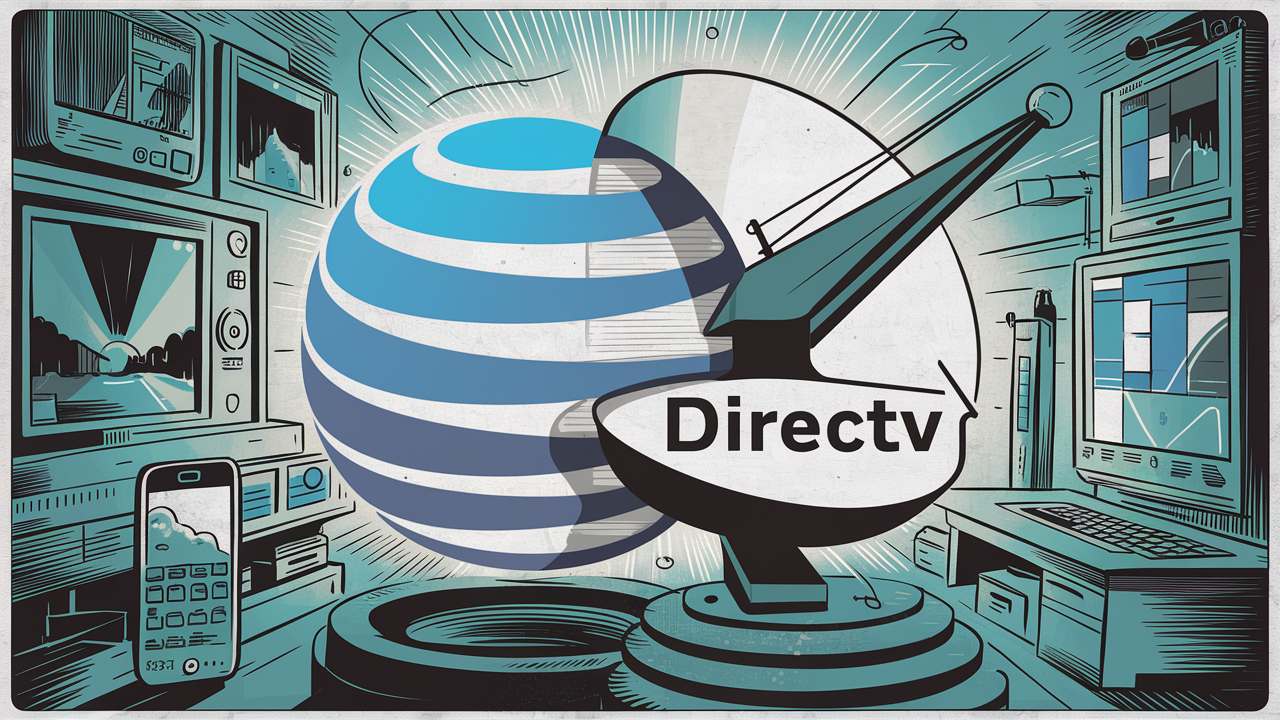
Understanding the complex relationship between AT&T and DIRECTV is crucial for consumers navigating the evolving landscape of telecommunications and entertainment. This guide breaks down their history, current status, and what it means for your viewing and connectivity choices in 2025-26.
The AT&T and DIRECTV Saga: A Deep Dive
The intertwined history of AT&T and DIRECTV is a compelling narrative of corporate ambition, strategic shifts, and evolving consumer demands in the United States. From a period of intense integration to a strategic separation, understanding this dynamic is key to making informed decisions about your telecommunications and entertainment services in the current market of 2025-26. This article dissects the journey, the implications, and what lies ahead.
A History of Acquisition and Separation
The relationship between AT&T, a telecommunications giant, and DIRECTV, a leading satellite television provider, has been a rollercoaster of strategic maneuvers. What began as separate entities eventually saw a significant merger, followed by a subsequent divestiture. This evolution reflects broader trends in the media and telecommunications industries, driven by the pursuit of bundled services, market share, and adaptation to digital disruption.
The Acquisition Era: AT&T's Bold Move
In July 2014, AT&T announced its intention to acquire DIRECTV for a staggering $48.5 billion, a deal that was finalized in mid-2015. This acquisition marked a pivotal moment, positioning AT&T as a dominant force in both traditional telecommunications (wireless and broadband) and pay-TV services. The move was ambitious, aiming to create a comprehensive entertainment and communications ecosystem for consumers. AT&T believed that by owning DIRECTV, it could leverage its extensive broadband infrastructure to deliver a more robust and integrated entertainment experience, combining high-speed internet with premium television content. The synergy was envisioned to be powerful, allowing for cross-promotion and bundled offers that would appeal to a wide range of customers.
Strategic Rationale Behind the Acquisition
The primary drivers behind AT&T's acquisition of DIRECTV were multifaceted. Firstly, it was a strategic play to counter the growing threat of "cord-cutting," where consumers were increasingly abandoning traditional cable and satellite subscriptions in favor of streaming services. By integrating DIRECTV's satellite and IP-based TV offerings, AT&T aimed to offer a compelling alternative that combined the reach of satellite with the flexibility of IP delivery. Secondly, the acquisition was intended to expand AT&T's customer base significantly, adding DIRECTV's millions of subscribers to its existing wireless and broadband customer rolls. This would create opportunities for lucrative bundling strategies, offering customers a single point of contact for all their communication and entertainment needs. The company also saw potential in leveraging DIRECTV's content rights and distribution capabilities to enhance its own video services, including its then-nascent streaming platform, U-verse. The vision was to create a "triple-play" or even "quad-play" offering (wireless, internet, TV, and home phone) that would lock in customers and increase average revenue per user.
Challenges and Outcomes of the Merger
Despite the strategic ambitions, the integration of AT&T and DIRECTV proved to be more challenging than anticipated. The pay-TV market was already facing intense pressure from streaming services like Netflix, Hulu, and Amazon Prime Video. Furthermore, the operational complexities of managing a satellite television provider alongside a massive telecommunications network presented significant hurdles. While AT&T gained a substantial subscriber base, it also inherited DIRECTV's challenges, including declining subscriber numbers in the satellite segment and increasing competition. The synergy that AT&T had hoped for didn't fully materialize as quickly or as effectively as planned. The company struggled to effectively cross-sell services and leverage the combined assets to achieve the projected cost savings and revenue growth. By 2019, AT&T was facing mounting debt and a need to streamline its operations. The acquisition, while expanding its reach, had also contributed to its financial leverage, prompting a re-evaluation of its long-term strategy.
The Divestiture: A New Chapter
Recognizing the challenges and seeking to reduce its substantial debt burden, AT&T made the strategic decision to divest a majority stake in DIRECTV. In February 2021, AT&T announced a deal with private equity firm TPG Capital to form a new entity where AT&T would retain a 30% non-controlling stake, and TPG would hold the remaining 70%. This transaction valued DIRECTV at $16.25 billion, a significant decrease from the $48.5 billion AT&T paid for it just six years prior. The separation marked a clear shift in AT&T's strategy, moving away from a bundled entertainment model towards a renewed focus on its core businesses: 5G wireless and fiber broadband.
Reasons for Separation
Several key factors drove AT&T's decision to separate from DIRECTV. The most prominent was the need to deleverage its balance sheet. AT&T had accumulated a significant amount of debt, partly due to its aggressive acquisition strategy, including the DIRECTV purchase and the earlier acquisition of Time Warner. Selling a majority stake in DIRECTV provided a much-needed infusion of capital and reduced its financial obligations. Secondly, AT&T identified that the synergies expected from the DIRECTV acquisition were not fully realized. The company concluded that it could better serve its strategic goals by focusing on its core strengths in connectivity – its 5G wireless network and expanding fiber optic broadband infrastructure. The rapidly changing media landscape, with the rise of direct-to-consumer streaming, meant that traditional pay-TV models faced ongoing headwinds, and AT&T likely saw limited long-term growth potential in the satellite business. By separating, AT&T could dedicate its resources and strategic focus to areas where it saw greater growth opportunities and competitive advantages.
Current Structure and Operations (2025-26)
As of 2025-26, the relationship between AT&T and DIRECTV is one of strategic partnership and shared, but distinct, operational focus. AT&T is no longer the majority owner of DIRECTV, having retained a minority stake. This allows AT&T to benefit from any future success of DIRECTV without the operational burden and financial commitment of full ownership. DIRECTV, now primarily owned by TPG Capital, operates as a more independent entity, focusing on its core satellite TV and expanding streaming offerings.
AT&T's Focus Post-DIRECTV
Since divesting its majority stake in DIRECTV, AT&T has sharpened its strategic focus on its core connectivity businesses. The company is heavily invested in expanding its 5G wireless network nationwide, aiming to provide faster speeds and more reliable mobile connectivity. Simultaneously, AT&T is aggressively building out its fiber optic broadband network, targeting both residential and business customers with high-speed internet services. This strategic pivot allows AT&T to concentrate its capital and resources on areas where it believes it has a competitive edge and where consumer demand for advanced connectivity is highest. The company is also continuing to invest in its business solutions segment, offering enterprise-level networking, cloud, and cybersecurity services. This renewed focus on infrastructure and connectivity aims to position AT&T for sustainable growth in the digital age.
DIRECTV as an Independent Entity
Operating with TPG Capital's backing, DIRECTV is charting its own course in the competitive pay-TV and entertainment market. While satellite TV remains a core offering, DIRECTV has also been actively developing and promoting its streaming services, such as DIRECTV Stream. This allows the company to cater to a broader range of consumer preferences, including those who want a more flexible, internet-based TV experience. DIRECTV's strategy involves optimizing its satellite infrastructure, enhancing its content offerings, and exploring new distribution channels. The company is also focused on improving customer experience and leveraging technology to remain competitive against both traditional cable providers and pure-play streaming services. The partnership with TPG provides DIRECTV with the financial flexibility and strategic guidance to adapt to the rapidly changing media landscape and pursue growth opportunities independently.
Impact on Consumers: What It Means for You
The separation of AT&T and DIRECTV has several implications for consumers, influencing choices related to bundling, pricing, and service quality. Understanding these changes can help you make the most suitable decisions for your household's entertainment and communication needs in 2025-26.
Bundling Options and Packages
Previously, AT&T offered bundled packages that combined its internet, mobile, and DIRECTV services. With the divestiture, these comprehensive bundles are less common or have been restructured. Consumers now often need to consider AT&T for their internet and mobile needs and DIRECTV separately for their television service. However, AT&T still offers bundles that include its own services, such as internet and mobile, or internet and home phone. DIRECTV, on its own, provides various TV packages, including satellite and streaming options, which can sometimes be bundled with third-party internet providers. The key takeaway is that the seamless, integrated AT&T-DIRECTV bundle is largely a thing of the past. Consumers must now be more deliberate in piecing together their preferred services from different providers or from AT&T's own consolidated offerings. This shift encourages consumers to compare prices and features more carefully across different service providers to find the best value.
Comparing AT&T and DIRECTV Services
When considering TV services, consumers now face distinct choices between AT&T's remaining video offerings (primarily through its U-verse platform and any legacy offerings) and DIRECTV's comprehensive suite of satellite and streaming options. DIRECTV generally offers a wider array of premium sports channels and international programming, particularly through its satellite service, which is not reliant on broadband availability. AT&T's video services, where still available, often leverage its IP network. For internet, AT&T is a major provider, focusing on fiber-to-the-home where available, offering high speeds. DIRECTV, on the other hand, does not provide internet service directly but partners with various providers.
Here’s a simplified comparison for 2025-26:
| Feature | AT&T (Connectivity Focus) | DIRECTV (TV & Entertainment) |
|---|---|---|
| Primary Services | 5G Wireless, Fiber & DSL Internet, Home Phone, Business Solutions | Satellite TV, DIRECTV Stream (IPTV), Streaming Apps |
| TV Technology | Legacy U-verse (IPTV), limited offerings | Satellite dishes, Internet-based streaming (DIRECTV Stream) |
| Internet Services | Direct provider (Fiber, DSL) | Does not provide internet; partners with other providers |
| Bundling | Bundles AT&T internet, mobile, phone | Offers TV packages; can be bundled with third-party internet |
| Sports/Premium Content | Varies by AT&T's video offerings | Strong focus, including regional sports networks and premium sports packages (e.g., NFL Sunday Ticket historically, now potentially with other providers) |
Internet and Mobile Integration
AT&T remains a powerhouse in internet and mobile services. Its 5G network is a significant asset, offering high speeds and broad coverage. For home internet, AT&T's fiber expansion is a key differentiator, providing some of the fastest speeds available. Consumers looking for integrated internet and mobile solutions will find AT&T to be a strong contender. DIRECTV, being a TV provider, does not offer its own internet or mobile services. Therefore, if you choose DIRECTV for television, you will need to source your internet and mobile services from other providers, such as AT&T, Verizon, T-Mobile, or local ISPs. This separation means that consumers seeking a single provider for all their connectivity needs might need to look at AT&T's offerings for internet and mobile, and then compare DIRECTV's TV packages independently.
Pricing and Value Considerations
The pricing landscape has evolved. Without the integrated AT&T-DIRECTV bundles, consumers have more flexibility but also the responsibility to compare offers carefully. AT&T's pricing for internet and mobile services is competitive, especially in areas where fiber is available. DIRECTV's pricing for its TV packages can vary significantly based on the channel lineup and whether it's a satellite or streaming service. Historically, satellite TV often came with introductory offers that increased after the first year. DIRECTV Stream aims to offer more flexibility with no long-term contracts, but pricing can still be a factor.
In 2025-26, consumers should be aware of:
- Introductory Offers: Many providers, including DIRECTV and AT&T, use these to attract new customers. Understand the price after the promotional period ends.
- Equipment Fees: Satellite receivers and modems often come with rental or purchase fees.
- Contract Lengths: While DIRECTV Stream often offers no contracts, traditional satellite and some AT&T services may require one.
- Hidden Fees: Always check for installation fees, activation fees, and other surcharges.
- Bundling Value: While AT&T-DIRECTV bundles are rare, bundling AT&T's own services (internet + mobile) can sometimes offer better value than separate plans. Similarly, some internet providers offer discounts when bundled with TV services.
It is advisable to get quotes from multiple providers and carefully read the terms and conditions to ensure you are getting the best value for your specific needs.
Customer Service Experiences
Customer service experiences can be subjective and vary widely. Post-divestiture, AT&T and DIRECTV operate as separate entities with their own customer service departments. AT&T's customer service primarily handles issues related to wireless, internet, and home phone services. DIRECTV's customer service focuses on television reception, billing for TV services, and troubleshooting its streaming platform.
Some general observations for 2025-26 might include:
- AT&T: Often praised for its robust wireless network and expanding fiber internet. Customer service can be a mixed bag, with some users reporting long wait times or difficulties resolving complex issues.
- DIRECTV: Known for its comprehensive sports coverage and reliability of satellite service. Customer service feedback often points to knowledgeable technicians for installation and technical issues, but billing inquiries can sometimes be challenging.
When choosing a provider, it's beneficial to research recent customer reviews on independent platforms to gauge current service quality and responsiveness.
Future Outlook and Industry Trends
The telecommunications and entertainment industries are in constant flux. The AT&T-DIRECTV story is a microcosm of these broader shifts, highlighting the ongoing evolution of how we consume media and connect.
AT&T's Strategic Direction
AT&T's strategy moving forward is clearly centered on being a leading connectivity provider. The company's investments in 5G and fiber are designed to capture the growing demand for high-speed, reliable internet access, which is fundamental for everything from remote work and online education to advanced entertainment streaming and the Internet of Things (IoT). AT&T aims to leverage its extensive infrastructure to offer premium services and capture market share in these crucial growth areas. The company is also likely to continue exploring partnerships and acquisitions that complement its core connectivity business, rather than diversifying into content ownership again. The focus is on building a robust, high-performance network that underpins the digital economy.
DIRECTV's Growth Strategies
For DIRECTV, the path forward involves adapting to the changing media consumption habits. While satellite TV will remain a core offering, especially for areas with limited broadband, the company is heavily investing in its DIRECTV Stream platform. This internet-based service offers a more flexible alternative to traditional satellite, allowing customers to access live TV and on-demand content without a satellite dish. DIRECTV is also likely to focus on enhancing its content partnerships, securing exclusive rights to popular sports and entertainment, and improving the user experience across its platforms. The company's strategy will likely involve a dual approach: maintaining its strong satellite subscriber base while aggressively growing its streaming and digital offerings to attract a new generation of viewers.
The Broader Telecom and Media Market
The landscape is characterized by intense competition and rapid technological advancement. We see:
- Convergence: The lines between telecommunications, internet service, and entertainment are blurring. Companies are looking for ways to offer integrated solutions.
- Streaming Dominance: Over-the-top (OTT) streaming services continue to grow, forcing traditional pay-TV providers to adapt or risk losing subscribers.
- 5G and Beyond: The rollout of 5G is enabling new applications and services, from enhanced mobile experiences to fixed wireless access for home internet.
- Consolidation and Partnerships: The industry continues to see mergers, acquisitions, and strategic alliances as companies seek scale and new capabilities.
- Focus on Value: Consumers are increasingly price-sensitive and demand clear value for their money, leading to a competitive market for bundled services and flexible plans.
In this dynamic environment, both AT&T and DIRECTV must continuously innovate and adapt to remain relevant and competitive. Their independent strategies reflect the broader industry trend of specialization and focus on core competencies, while also acknowledging the need for flexibility and customer-centric solutions.
Conclusion: Navigating Your Entertainment Choices
The journey of AT&T and DIRECTV from a unified entity to separate, albeit still connected, players is a significant chapter in the telecommunications and entertainment industries. For consumers in 2025-26, this separation means a clearer distinction between connectivity providers and entertainment providers. AT&T is firmly focused on its robust 5G wireless and fiber broadband networks, offering essential infrastructure for modern life. DIRECTV, now operating more independently, continues to provide a wide range of television services, from traditional satellite to modern streaming options, catering to diverse viewing preferences.
The key takeaway is that while the integrated AT&T-DIRECTV bundles are largely a relic of the past, consumers benefit from increased choice and the ability to tailor their services precisely to their needs. It is essential to research current offerings, compare pricing, understand contract terms, and consider customer service reputations before making a decision. By understanding the distinct roles AT&T and DIRECTV now play, you are better equipped to navigate the complex, yet exciting, world of modern connectivity and entertainment, ensuring you secure the best value and experience for your household.