What's the Cheapest way to get HBO Max?
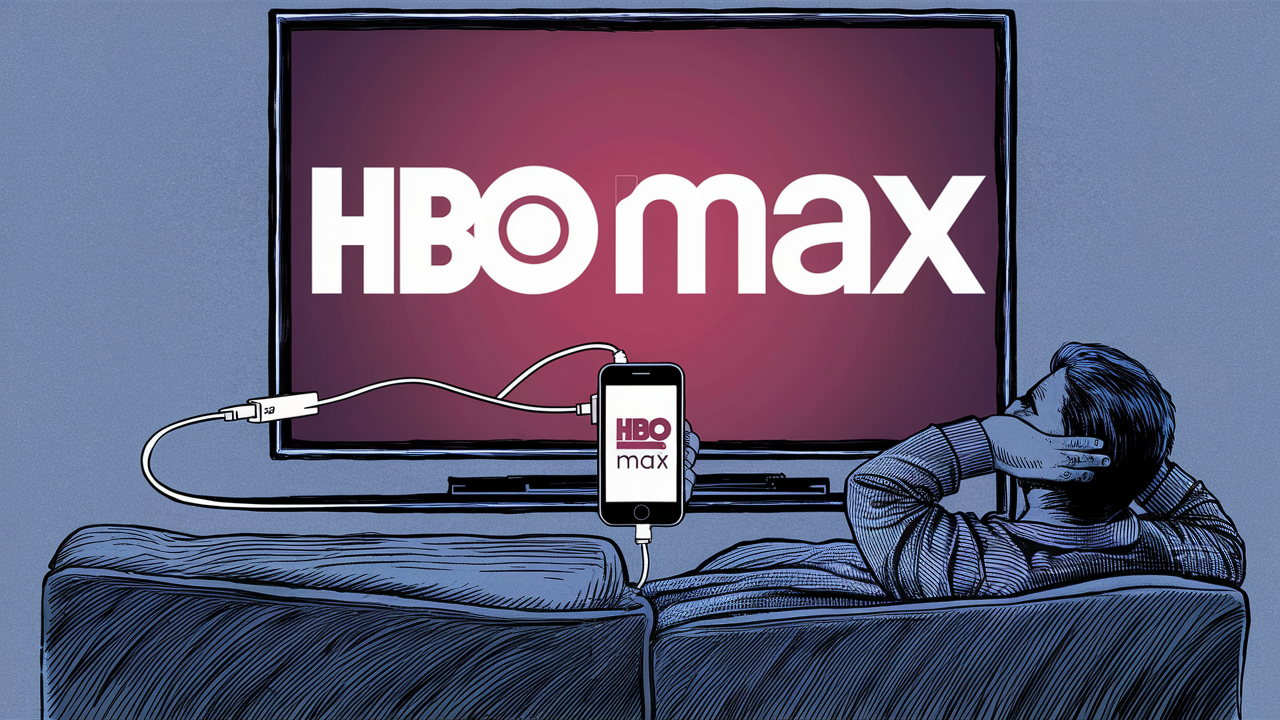
Seeking the most budget-friendly path to HBO Max (now Max)? This guide dissects every cost-effective option, from bundle deals to subscription hacks, ensuring you unlock premium content without overspending. Discover the smartest ways to stream your favorite shows and movies in 2025-26.
Introduction: The Evolving Landscape of Max
The streaming world is a dynamic battlefield, and HBO Max, now rebranded as simply "Max," is at the forefront, offering a vast library of critically acclaimed content from HBO, Warner Bros., Discovery, and more. For savvy consumers in 2025-26, the question isn't just *if* they want to subscribe, but *how* to do so at the absolute lowest cost. This comprehensive guide dives deep into every potential avenue for savings, ensuring you get the most bang for your buck. We'll explore direct subscription plans, lucrative bundle deals, often-overlooked telecom promotions, and ethical sharing strategies to help you navigate the options and find the cheapest way to access premium entertainment.
Direct Subscription Options: Understanding the Tiers
Before exploring external savings, it's crucial to understand the base pricing and features of Max's direct subscription plans. As of 2025-26, Max typically offers a tiered structure designed to cater to different viewing habits and budgets. Understanding these tiers is the first step in identifying potential savings or determining if a cheaper tier meets your needs.
The Ad-Supported Plan
This is consistently the most affordable entry point for direct subscriptions. The ad-supported tier offers access to the vast majority of Max's library but includes commercial breaks during playback. While the exact number and length of ads can vary, this plan is ideal for viewers who are price-sensitive and don't mind occasional interruptions.
- Price Point (Estimated 2025-26): Typically around $9.99 per month or $99.99 annually.
- Content Access: Full library, but with ads.
- Simultaneous Streams: Usually limited to 2.
- Download Capability: Generally not available on this tier.
This plan is perfect for individuals or households where ad tolerance is high in exchange for a lower monthly bill. It provides access to the same core HBO originals and blockbuster movies as the premium tiers, making it a significant value proposition for budget-conscious streamers.
The Ad-Free Plan
For those who prioritize an uninterrupted viewing experience, the ad-free plan is the next step up. This tier removes all commercials, allowing for a seamless watch of your favorite shows and movies. It also often comes with enhanced features.
- Price Point (Estimated 2025-26): Typically around $15.99 per month or $159.99 annually.
- Content Access: Full library, no ads.
- Simultaneous Streams: Usually increased to 3.
- Download Capability: Available for offline viewing.
- Video/Audio Quality: May offer higher resolution options like 4K UHD and Dolby Atmos where available.
The ad-free tier is the standard choice for many who want the full, premium Max experience. The annual plan offers a discount compared to paying month-to-month, which is a common saving strategy across subscription services.
The Ultimate Ad-Free Plan (Potential for 4K/Dolby Atmos)
Max has, in the past, offered a premium tier that includes the absolute best in video and audio quality, often in 4K Ultra HD and with Dolby Atmos sound. This tier also typically allows for more simultaneous streams and downloads.
- Price Point (Estimated 2025-26): This tier can range from $19.99 to $22.99 per month, with an annual option providing savings.
- Content Access: Full library, no ads, highest quality streaming.
- Simultaneous Streams: Often increased to 4.
- Download Capability: Available for offline viewing.
- Video/Audio Quality: 4K UHD, Dolby Atmos support.
This is the most feature-rich option, catering to cinephiles and those with high-end home entertainment systems. While not the "cheapest" in absolute terms, it can be cost-effective if you value the premium viewing experience and plan to utilize all its features.
Annual vs. Monthly Billing
A consistent way to save on any of these direct subscription tiers is by opting for annual billing. Max, like most streaming services, offers a discount when you pay for a full year upfront. For example, if the ad-supported plan is $9.99/month, the annual cost might be $99.99, saving you roughly two months' worth of subscription fees. Always compare the annual cost against 12 times the monthly fee to confirm the savings.
Bundle Deals and Partnerships: Maximizing Value
Bundling services is a classic strategy for saving money, and Max has participated in various bundles over the years. These often involve partnerships with other streaming services, mobile carriers, or internet providers. Keeping an eye on these can unlock significant discounts.
Discovery+ Bundles
Given the merger that led to the creation of Max, there have been instances of bundled offers with Discovery+. While Max now incorporates much of Discovery's content, specific promotions might still arise, or there could be legacy offers that provide a combined subscription at a reduced rate compared to subscribing to both separately. It's worth checking if any such bundles are currently active.
Bundles with Other Streaming Services
Occasionally, platforms might offer joint subscriptions or promotional bundles. For instance, a deal might pair Max with another popular service for a limited time at a discounted price. These are often short-lived promotions, so staying informed through official Max channels or reputable tech news sites is key.
Bundles with Mobile or Internet Providers
This is where some of the most significant savings can be found. Many telecommunication companies and Internet Service Providers (ISPs) offer Max as part of their premium packages or as an add-on with a substantial discount. These can range from a few dollars off per month to even including a specific tier of Max for free for a promotional period.
Example Scenario (Hypothetical 2025-26): A mobile provider might offer its "Platinum" plan for $80/month, which includes unlimited data, a certain amount of hotspot data, and a complimentary subscription to Max's Ad-Free tier (valued at $15.99/month). If you were already considering upgrading your mobile plan, this bundle could effectively give you Max for "free" within the context of your overall mobile spending.
Telecom and ISP Promotions: Freebies and Discounts
This category often represents the "cheapest way" for many users, as it leverages existing or planned expenditures on essential services like internet and mobile phone plans. Telecom giants and ISPs frequently use streaming service subscriptions as a powerful incentive to attract new customers or retain existing ones.
Major Mobile Carriers
Companies like Verizon, AT&T, T-Mobile, and others have historically offered streaming perks. In 2025-26, you might find promotions such as:
- Included with Premium Plans: Certain high-tier mobile plans may include a Max subscription (often ad-free) as a standard benefit. This is arguably the cheapest way if you need a new phone plan anyway.
- Limited-Time Free Trials: New subscribers to specific mobile plans might receive 3-12 months of Max on the house.
- Discounted Add-ons: Existing customers might be able to add Max to their bill at a reduced monthly rate.
Actionable Tip: Before signing up for a new mobile plan or renewing an old one, always check the provider's website or speak to a representative about their current entertainment bundles and streaming offers. Look for the specific tier of Max included and compare its value to the direct subscription cost.
Internet Service Providers (ISPs)
Similarly, ISPs like Xfinity (Comcast), Spectrum, Cox, and others often bundle streaming services. This could manifest as:
- Bundled with High-Speed Internet: Some premium internet packages might include a Max subscription.
- Promotional Offers for New Customers: New internet subscribers could receive several months of free Max access.
- Discounted Streaming Packages: ISPs might offer their own "entertainment bundles" where Max is a discounted option alongside other channels or services.
Example (2025-26): Imagine signing up for a new gigabit internet plan. The ISP might offer a deal including 12 months of Max Ad-Free for an additional $5 per month on top of the internet bill. If the standalone Ad-Free plan is $15.99, this represents a $10.99 monthly saving, totaling over $130 in savings for the year.
Checking Eligibility and Terms
It's crucial to read the fine print. These promotions often have specific terms and conditions:
- Plan Requirements: You might need to be on a specific, higher-priced plan.
- Duration: Promotions are often for a limited time (e.g., 6, 12, or 24 months). After the promotional period, you may be charged the standard rate unless you cancel.
- Activation Process: There might be a specific process to activate your included subscription through the provider's portal.
- Account Linking: You'll typically need to link your Max account to your provider's account.
The "cheapest way" often involves leveraging these partnerships, especially if you're already in the market for a new phone or internet plan, or if your current provider offers a compelling deal.
Student and Military Discounts: Are They Available?
Many subscription services offer discounts for students and military personnel. However, the availability of such discounts can fluctuate, and Max has not consistently offered these directly in the past.
Direct Student Discounts
As of 2025-26, Max does not typically offer a direct, ongoing student discount program through its own platform. Services like Spotify or Amazon Prime Student have established programs, but Max has historically relied on other promotional avenues. It's always worth checking the official Max website for any new initiatives, but don't count on this as a primary saving strategy.
Direct Military Discounts
Similar to student discounts, direct military discounts from Max itself are not a common offering. However, military personnel might benefit indirectly through:
- Telecom/ISP Bundles: Some mobile carriers or ISPs may offer specific promotions targeted at military members, which could include streaming benefits like Max.
- Third-Party Discount Platforms: Websites that aggregate military discounts might occasionally list offers related to streaming services, though these are often for shorter promotional periods.
Recommendation: While direct discounts are unlikely, actively research promotions from your mobile carrier, ISP, or through military-specific discount platforms. These indirect avenues are more probable sources of savings.
Sharing Subscriptions Ethically: The Family Plan Advantage
Sharing streaming service accounts is a widespread practice, and Max provides features that facilitate this in a way that aligns with their terms of service, primarily through their multi-stream capabilities.
Understanding Max's Terms on Sharing
Max allows for multiple simultaneous streams depending on the subscription tier. The Ad-Supported tier typically allows 2 streams, the Ad-Free tier allows 3, and the Ultimate Ad-Free tier often allows 4. This structure is designed to accommodate household sharing.
The "Family Plan" Concept
While Max doesn't officially call it a "Family Plan" in the same way some other services do, the Ad-Free and Ultimate Ad-Free tiers function as such by allowing multiple users within a household to stream concurrently. The most cost-effective way to leverage this is to split the cost among household members.
- Scenario: A household of three wants the Ad-Free experience. Instead of each person paying $15.99/month, they can subscribe to one Ad-Free account ($15.99) and split the cost three ways, resulting in approximately $5.33 per person per month. This is significantly cheaper than individual subscriptions.
Ethical Considerations and Best Practices
It's important to share within your household or with individuals you know personally. Max's terms of service generally restrict account sharing outside of a household. Sharing with friends or family members who don't reside with you could potentially violate these terms and lead to account limitations or termination. Always adhere to the service provider's guidelines.
Maximizing Streams
If you have a larger household or a group of close friends (within the spirit of the terms of service), opting for the tier that allows the most simultaneous streams (often the Ultimate Ad-Free tier) and splitting the cost can be one of the most economical methods per user. For example, if the Ultimate Ad-Free tier is $22.99/month and allows 4 streams, splitting it four ways brings the cost down to about $5.75 per person.
Third-Party Retailers and Gift Cards: Hidden Savings
Sometimes, discounts can be found through indirect channels like third-party retailers or by using gift cards strategically.
Discounted Gift Cards
Websites that specialize in selling discounted gift cards (e.g., Raise, CardCash, etc.) might offer Max gift cards at a reduced price. For example, you might find a $50 Max gift card for $45. This provides a 10% discount on your subscription cost if you use it to pay for your service.
- How it Works: Purchase a discounted gift card, redeem it on your Max account to add funds, and then use those funds to pay for your monthly subscription.
- Availability: The availability of Max gift cards on these platforms can vary, so it requires regular checking.
Retailer Promotions on Gift Cards
Major retailers (like Amazon, Walmart, Target, Best Buy) sometimes offer promotions where you get a bonus when you purchase a gift card of a certain value. For instance, "Buy a $50 Max gift card, get a $5 bonus card." This bonus can then be used towards your subscription, effectively reducing the overall cost.
Bundles from Retailers
Occasionally, retailers might bundle a Max subscription (or gift card) with the purchase of a new device, such as a smart TV or streaming stick. These are less common but can offer a substantial saving if you were planning such a purchase anyway.
Caution: Be wary of unofficial or unusually cheap offers from unknown websites. Stick to reputable gift card marketplaces and retailers to avoid scams.
Alternative Streaming Strategies: Beyond Max
If the cost of Max remains prohibitive, or if you only want to watch specific content, consider alternative strategies:
Watch During Promotional Periods
Max frequently offers free trials or heavily discounted introductory periods. Plan your viewing around these. For example, if a new season of your favorite HBO show is dropping, check if there's a promotional offer available at that time. Subscribe, binge-watch, and then cancel before the full price kicks in.
Utilize Free Trials Strategically
Many services offer free trials. While Max itself doesn't always have a standard free trial for direct subscriptions, partners (like Amazon Prime Video Channels, Hulu, etc.) sometimes offer trials that include Max as an add-on. This requires careful management to avoid charges.
Borrow from Friends or Family (with permission)
If you have friends or family who subscribe to Max and are willing to share their login details (within the terms of service for household sharing), this can be a zero-cost option for you. Ensure you have their explicit permission.
Wait for Content Availability on Other Platforms
While HBO originals are exclusive to Max, some Warner Bros. movies and other content eventually become available on different platforms or even for rent/purchase digitally. If you're patient, you might be able to access content through other means later on.
Consider "Channel Surfing" with Different Services
Many users subscribe to a service for a month or two, watch what they want, and then cancel, rotating through different services based on their current viewing interests. This "cut the cord" and "subscribe-and-cancel" approach can be very cost-effective if you're disciplined.
Comparing the Cheapest Options (2025-26): A Data-Driven Approach
To definitively identify the cheapest way to get Max, let's compare the estimated costs of the most viable strategies in 2025-26. We'll focus on the Ad-Supported and Ad-Free tiers, as these are the most commonly sought after for budget-conscious users.
Scenario 1: Direct Subscription (Ad-Supported)
- Monthly Cost: ~$9.99
- Annual Cost: ~$99.99 (saving ~16.7%)
- Pros: Simple, direct access.
- Cons: Includes ads, no downloads.
Scenario 2: Direct Subscription (Ad-Free)
- Monthly Cost: ~$15.99
- Annual Cost: ~$159.99 (saving ~16.7%)
- Pros: No ads, downloads available, higher stream limit.
- Cons: Higher base cost.
Scenario 3: Telecom/ISP Bundle (Hypothetical - Ad-Free Included)
Assume a mobile plan costs $80/month and includes Max Ad-Free (valued at $15.99/month).
- Effective Cost of Max: $0 (if you need the plan anyway) or $80/month for the bundle, which is $64.01 cheaper than standalone Max Ad-Free.
- Pros: Potentially free Max, bundled with essential service.
- Cons: Requires commitment to a specific mobile/ISP plan, potential for price increases after promotions.
Scenario 4: Sharing an Ad-Free Account (3 people)
One Ad-Free subscription ($15.99/month) split 3 ways.
- Cost Per Person: ~$5.33/month
- Pros: Very low cost per user.
- Cons: Requires coordination and trust among users, adheres to household sharing.
Scenario 5: Discounted Gift Card (10% off annual Ad-Supported)
Annual Ad-Supported plan ($99.99) paid with a gift card purchased for 10% less ($90).
- Effective Annual Cost: ~$90
- Effective Monthly Cost: ~$7.50
- Pros: Significant savings on direct subscription.
- Cons: Requires upfront purchase, gift card availability varies.
Table: Estimated Monthly Costs for Max (2025-26)
| Strategy | Estimated Monthly Cost (Per User) | Notes |
|---|---|---|
| Direct Ad-Supported | ~$9.99 | Includes ads. |
| Direct Ad-Free | ~$15.99 | No ads, downloads. |
| Telecom/ISP Bundle (Max Included) | ~$0 - $15.99+ | Depends on plan cost; potentially free Max. |
| Shared Ad-Free (3 users) | ~$5.33 | Household sharing, cost split. |
| Discounted Gift Card (10% off Annual Ad-Supported) | ~$7.50 | Requires upfront purchase, varies. |
Based on this comparison, the cheapest ways to get Max in 2025-26 are typically:
- Leveraging Telecom/ISP Bundles: If you need a new phone or internet plan, or if your current provider offers a compelling bundle, this can make Max effectively free or significantly discounted. This is often the absolute lowest cost if the bundle meets your other needs.
- Sharing an Ad-Free Account: For households or small groups willing to coordinate, splitting the cost of an Ad-Free subscription among 3-4 users offers a very low per-person price point.
- Using Discounted Gift Cards or Annual Plans: For direct subscribers, opting for the annual plan and potentially paying with discounted gift cards offers substantial savings over monthly payments.
The "cheapest" option ultimately depends on your individual circumstances, existing service plans, and willingness to share.
Conclusion: Your Smartest Path to Max
Navigating the options for the cheapest way to get Max in 2025-26 requires a strategic approach, moving beyond just looking at the direct subscription prices. While the ad-supported tier offers the lowest direct cost at approximately $9.99 per month, significant savings are achievable through other avenues. Telecom and ISP bundles often present the most compelling value, potentially making Max free or heavily discounted if you're already subscribing to or upgrading these essential services. For those in shared living situations or close-knit groups, splitting the cost of an ad-free subscription among 3-4 users can bring the per-person price down to an incredibly low ~$5.33 per month. Additionally, utilizing annual plans combined with discounted gift cards or retailer promotions can shave off substantial amounts from direct subscriptions. Ultimately, the cheapest method hinges on your personal needs and existing service commitments. By carefully evaluating these options, you can ensure you enjoy HBO's unparalleled content library without breaking the bank.