Unlock the Secrets to Smooth Xfinity Internet Troubleshooting Tips
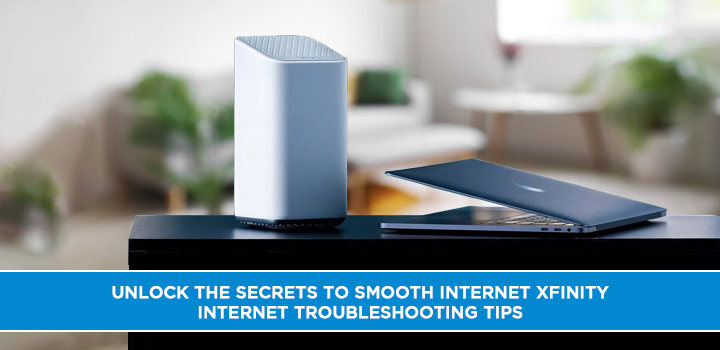
Experiencing slow or unreliable Xfinity internet? This comprehensive guide unlocks the secrets to smooth internet connectivity, offering practical troubleshooting tips and insights to resolve common issues. Learn how to diagnose and fix your Xfinity connection for optimal performance.
Understanding Your Xfinity Internet
Xfinity, a brand of Comcast, is one of the largest broadband internet providers in the United States. They offer a range of internet plans, from basic speeds suitable for casual browsing to high-speed tiers designed for streaming, gaming, and demanding professional use. Understanding the fundamentals of how your Xfinity internet works is the first step towards effective troubleshooting.
How Broadband Internet Works
Your Xfinity internet connection relies on a complex network infrastructure. Typically, this involves coaxial cable (for cable internet) or fiber optic lines delivering data to your home. Inside your home, a modem translates the signals from the cable/fiber into a usable internet connection. A router then broadcasts this connection wirelessly via WiFi or through Ethernet cables to your devices.
Key Components of Your Connection
- Modem: This device acts as the bridge between your home network and the Xfinity network. It decodes the incoming internet signal.
- Router: This device creates your local network, allowing multiple devices to share the internet connection and communicate with each other. Many Xfinity customers use a modem/router combo unit, often called a gateway.
- WiFi: The wireless technology that allows your devices to connect to the router without cables.
- Ethernet: A wired connection that typically offers a more stable and faster connection than WiFi.
Understanding Internet Speeds
Internet speed is measured in megabits per second (Mbps). Download speed refers to how quickly you can receive data from the internet, crucial for streaming, browsing, and downloading files. Upload speed refers to how quickly you can send data to the internet, important for video calls, uploading files, and online gaming.
According to recent industry reports for 2025, the average broadband download speed in the US has surpassed 150 Mbps, with many Xfinity plans offering speeds significantly higher. Understanding your subscribed speed is vital for diagnosing if your current performance matches expectations.
Download vs. Upload Speeds
It's a common misconception that internet speed is a single number. In reality, download and upload speeds can differ significantly. For most home users, download speeds are prioritized. However, if you frequently participate in video conferences or upload large files, upload speed becomes equally important.
Factors Affecting Internet Performance
Several factors can influence your internet speed and stability, beyond just the plan you subscribe to:
- Network Congestion: During peak hours (typically evenings and weekends), more users are online, which can slow down speeds for everyone in your area.
- Equipment Quality: Outdated or malfunctioning modems, routers, or even network cables can bottleneck your connection.
- WiFi Signal Strength: Distance from the router, physical obstructions (walls, furniture), and interference from other electronic devices can weaken your WiFi signal.
- Device Limitations: Older devices may not be capable of utilizing the full speed of your internet plan.
- Home Wiring: The condition and quality of the coaxial cables and connectors within your home can impact signal integrity.
Common Xfinity Internet Problems
When your internet isn't performing as expected, it can manifest in various ways. Identifying the specific problem is the first step to finding a solution. Here are some of the most frequent issues Xfinity users encounter:
Slow Internet Speeds
This is perhaps the most common complaint. You might notice pages loading slowly, videos buffering, or downloads taking an excessive amount of time. This can be due to any of the factors mentioned above, from network congestion to equipment issues.
Symptoms of Slow Speeds:
- Web pages take a long time to load.
- Streaming services (Netflix, Hulu, YouTube) constantly buffer or play at low quality.
- Downloads and uploads are significantly slower than expected.
- Online games experience lag or high ping times.
Intermittent Connectivity (Dropping Connection)
Your internet connection might work for a while and then suddenly drop, requiring you to reconnect or restart your equipment. This can be incredibly frustrating, especially during important tasks like work calls or online gaming.
Causes of Intermittent Drops:
- Loose cable connections.
- Overheating modem or router.
- Software conflicts on your devices.
- Problems with the Xfinity network infrastructure in your area.
- Interference with your WiFi signal.
WiFi Dead Zones
You might have a strong internet connection near your router but experience weak or no signal in other parts of your home. This is a classic sign of WiFi dead zones.
Contributing Factors:
- Large home size.
- Multiple walls or floors between your device and the router.
- Interference from appliances like microwaves or cordless phones.
Inability to Connect to the Internet
This is the most severe issue, where you cannot get any internet access at all. This could be a complete outage or a problem specific to your home setup.
Possible Reasons:
- Modem or router is not powered on or is malfunctioning.
- Service outage in your area.
- Account issues (e.g., unpaid bills).
- Network configuration errors.
High Latency (Ping)
Latency, often referred to as ping, is the time it takes for data to travel from your device to a server and back. High latency can make real-time applications like online gaming and video conferencing feel sluggish and unresponsive.
Impact of High Latency:
- Delayed actions in online games.
- Choppy or delayed audio/video in calls.
- Difficulty interacting with websites in real-time.
Basic Troubleshooting Steps
Before diving into complex solutions, many common Xfinity internet problems can be resolved with a few simple, foundational troubleshooting steps. These are often the quickest and most effective ways to get your internet back on track.
1. The Power Cycle (Reboot)
This is the go-to solution for almost any electronic device issue, and your modem and router are no exception. A power cycle can clear temporary glitches, refresh network connections, and resolve minor software conflicts.
Step-by-Step Power Cycle:
- Unplug the power cord from your modem. If you have a separate router, unplug its power cord as well.
- Wait for at least 30-60 seconds. This ensures that all residual power dissipates and the devices fully reset.
- Plug the modem's power cord back in.
- Wait for the modem's lights to stabilize. This usually takes 1-3 minutes. You're looking for solid lights indicating power, downstream, upstream, and online status.
- If you have a separate router, plug its power cord back in.
- Wait for the router's lights to stabilize.
- Test your internet connection on a device.
Tip: If you have an Xfinity Gateway (modem/router combo), you only need to unplug that single device.
2. Check Physical Connections
Loose or damaged cables are a frequent culprit for connectivity issues. Ensure all connections are secure and that the cables themselves are in good condition.
What to Check:
- Coaxial Cable: Ensure the coaxial cable is screwed tightly into the back of your modem and the wall outlet. Check for any visible damage, kinks, or cuts in the cable.
- Ethernet Cables: If you're using wired connections, ensure Ethernet cables are securely plugged into both your device and the router/modem. Try swapping out an Ethernet cable if you suspect it might be faulty.
- Power Cords: Make sure the power cords for your modem and router are firmly plugged into both the devices and the wall outlet or power strip.
3. Verify Device Connectivity
Sometimes, the issue isn't with your internet service but with the specific device you're using.
Troubleshooting Your Device:
- Restart Your Device: Just like your network equipment, restarting your computer, smartphone, or tablet can resolve temporary software glitches.
- Try a Different Device: If one device can't connect, try another. If other devices can connect, the problem lies with the specific device that's having trouble.
- Check WiFi Settings: Ensure your device's WiFi is turned on and that it's connected to the correct Xfinity network (SSID).
- Forget and Reconnect to WiFi: On your device, go to WiFi settings, "forget" your Xfinity network, and then reconnect by entering the password again.
4. Test Your Internet Speed
A simple speed test can tell you if you're actually getting the speeds you're paying for. This helps differentiate between a slow speed problem and a complete connectivity issue.
How to Perform a Speed Test:
- Ensure you are connected to your Xfinity network, preferably via an Ethernet cable for the most accurate results.
- Close any unnecessary applications or browser tabs that might be consuming bandwidth.
- Visit a reputable speed test website (e.g., Speedtest.net, Fast.com, or Xfinity's own speed test tool).
- Run the test and compare the download and upload speeds to your subscribed plan.
Note: Speeds can fluctuate, especially over WiFi or during peak hours. It's often best to run multiple tests at different times of the day.
5. Check for Service Outages
Before spending hours troubleshooting, it's wise to check if Xfinity is experiencing a service outage in your area. This is often the cause of a complete loss of internet connectivity.
How to Check for Outages:
- Xfinity App: The Xfinity app on your smartphone is the quickest way to check for reported outages in your area.
- Xfinity Website: Log in to your account on the Xfinity website; outage information is usually prominently displayed.
- Contact Xfinity Support: If you can't access online resources, call Xfinity customer service.
Advanced Troubleshooting Techniques
If the basic steps haven't resolved your Xfinity internet issues, it's time to explore more advanced troubleshooting methods. These techniques require a bit more technical understanding but can pinpoint more complex problems.
Understanding Modem Lights
The lights on your modem are diagnostic indicators. Their status can tell you a lot about the connection's health. Consult your modem's manual or Xfinity's support site for the exact meaning of each light, but generally:
Common Modem Light Indicators:
| Light | Status | Meaning |
|---|---|---|
| Power | Solid | Device is receiving power. |
| Downstream | Blinking then Solid | Acquiring downstream channel. Solid means connected. |
| Upstream | Blinking then Solid | Acquiring upstream channel. Solid means connected. |
| Online/Internet | Solid | Modem is connected to the Xfinity network. |
| WiFi (if applicable) | Blinking | WiFi is active and broadcasting. |
Note: Flashing or off lights for Downstream, Upstream, or Online often indicate a signal issue or a problem with the Xfinity network.
Checking Signal Levels
Modems have a web interface that allows you to view detailed signal information. This is crucial for diagnosing physical line issues.
Accessing Your Modem's Interface:
- Ensure your computer is connected to the modem/router via Ethernet cable for stability.
- Open a web browser and type your modem's IP address into the address bar. Common IP addresses are 192.168.1.1 or 192.168.0.1. You can also find this information on a sticker on the modem or in its manual.
- Log in using the modem's username and password (often found on the device itself or in the manual; if you haven't changed it, it might be default credentials).
- Navigate to the "Status," "Cable," or "Connection" section.
Key Signal Metrics to Monitor:
- Downstream Power Level: Typically should be between -7 dBmV and +7 dBmV. Values outside this range can indicate signal degradation.
- Downstream SNR (Signal-to-Noise Ratio): A higher SNR is better. For Xfinity, aim for 33 dB or higher. Low SNR indicates noise interfering with the signal.
- Upstream Power Level: Should ideally be between +35 dBmV and +50 dBmV. If it's too high, your modem is struggling to send signals back.
If these numbers are consistently outside the recommended ranges, it strongly suggests a signal issue that Xfinity technicians will need to address.
Troubleshooting WiFi Interference
Even with a strong internet signal from Xfinity, your WiFi can be hampered by interference from other devices or neighboring networks.
Identifying and Mitigating Interference:
- Channel Congestion: WiFi operates on specific channels. If many nearby networks are using the same channel, it causes congestion. Most modern routers can automatically select the best channel, but you can manually select one in your router settings. For 2.4GHz, channels 1, 6, and 11 are generally best as they don't overlap. For 5GHz, there are more non-overlapping channels.
- Physical Obstructions: Thick walls, metal objects, and even aquariums can weaken WiFi signals. Try to place your router in a central, open location.
- Electronic Interference: Devices like microwaves, cordless phones, Bluetooth devices, and even some older monitors can emit radio frequencies that interfere with WiFi. Keep your router away from these appliances.
- Neighboring Networks: In densely populated areas, your neighbors' WiFi networks can interfere. Using a WiFi analyzer app on your smartphone can help you identify the least congested channels.
Factory Resetting Your Router/Gateway
As a last resort for router-specific issues, a factory reset can revert all settings to their default state, clearing out any misconfigurations or corrupted settings. Warning: This will erase all your custom WiFi names (SSIDs), passwords, and any other network configurations.
How to Factory Reset:
- Locate the reset button on your router or gateway. It's usually a small, recessed button that requires a paperclip or pin to press.
- With the device powered on, press and hold the reset button for 10-30 seconds (refer to your device's manual for the exact duration).
- The device will reboot. Once it's back online, you'll need to set up your WiFi network again from scratch.
Optimizing Your WiFi Network
Even with a robust Xfinity internet plan, a poorly optimized WiFi network can lead to a frustrating user experience. Here's how to get the most out of your wireless connection.
Router Placement is Key
The physical location of your router has a significant impact on WiFi coverage and strength. Aim for these best practices:
- Central Location: Place your router in a central part of your home, ideally on an elevated surface like a shelf or table, rather than on the floor.
- Open Space: Avoid placing it in cabinets, behind furniture, or near large metal objects.
- Away from Interference: Keep it away from appliances that emit radio frequencies (microwaves, cordless phones, Bluetooth devices).
Utilizing Dual-Band WiFi
Most modern routers are dual-band, meaning they broadcast on both 2.4GHz and 5GHz frequencies. Understanding their differences can help you optimize device connections.
- 2.4GHz: Offers a longer range and better penetration through walls but has slower speeds and is more susceptible to interference. Good for older devices or those further from the router.
- 5GHz: Offers much faster speeds and less interference but has a shorter range and doesn't penetrate obstacles as well. Ideal for devices closer to the router that require high bandwidth (streaming, gaming).
Recommendation: Name your 2.4GHz and 5GHz networks differently (e.g., "MyHomeWiFi_2.4" and "MyHomeWiFi_5") and manually connect devices to the appropriate band based on their location and needs.
Updating Router Firmware
Router manufacturers regularly release firmware updates to improve performance, fix bugs, and patch security vulnerabilities. Keeping your router's firmware up-to-date is crucial for optimal and secure operation.
Check your router's administration interface for an option to check for and install firmware updates. Many modern routers can be set to update automatically.
Using a WiFi Extender or Mesh System
If you have a large home or persistent WiFi dead zones, a WiFi extender or a mesh WiFi system can significantly improve coverage.
- WiFi Extenders: These devices pick up your existing WiFi signal and rebroadcast it, extending its reach. They are generally less expensive but can sometimes reduce speeds.
- Mesh WiFi Systems: These consist of a main router and one or more satellite nodes that work together to create a single, seamless WiFi network throughout your home. They offer better performance and a more unified experience than extenders, though they are typically more costly.
Securing Your WiFi Network
An unsecured WiFi network is an open invitation for unauthorized users to access your internet, slowing it down and posing security risks. Always use strong encryption and a complex password.
- WPA3/WPA2 Encryption: Ensure your router is set to use WPA3 or WPA2 encryption.
- Strong Password: Create a unique, strong password that includes a mix of uppercase and lowercase letters, numbers, and symbols.
- Change Default Credentials: Always change the default username and password for accessing your router's administration interface.
Understanding Xfinity Equipment
Xfinity provides its own branded modems and gateways, often referred to as "Xfinity Gateways." Understanding these devices and their capabilities is important for troubleshooting and optimizing your service.
Xfinity Gateways vs. Your Own Equipment
Xfinity offers customers the choice to rent a gateway or purchase their own compatible modem and router. Each option has pros and cons:
| Feature | Renting Xfinity Gateway | Buying Your Own Equipment |
|---|---|---|
| Monthly Cost | Monthly rental fee (e.g., $15-$25/month, varies by plan and region) | One-time purchase cost (can range from $70-$200+) |
| Compatibility | Guaranteed compatibility with Xfinity service. | Must purchase a DOCSIS 3.0 or 3.1 modem and compatible router that is on Xfinity's approved list. |
| Support | Xfinity provides direct support for their equipment. | Support is from the equipment manufacturer or you troubleshoot yourself. |
| Upgrades | Easier to swap for newer models if needed. | You are responsible for purchasing new equipment when technology advances. |
| Features | Often includes latest WiFi standards and advanced features. | Wide variety of options, from basic to high-end. |
Note: As of 2025, Xfinity strongly recommends DOCSIS 3.1 modems for optimal performance with their higher speed tiers. Ensure any purchased equipment meets their current compatibility requirements.
Common Xfinity Gateway Models and Features
Xfinity offers various gateway models, with newer ones supporting the latest WiFi standards like WiFi 6 (802.11ax) and WiFi 6E. These offer faster speeds, better capacity for multiple devices, and improved efficiency.
Features to look for in an Xfinity gateway (or your own router) include:
- DOCSIS 3.1 Support: Essential for gigabit speeds.
- WiFi 6 or WiFi 6E: For the latest wireless performance.
- MU-MIMO (Multi-User, Multiple Input, Multiple Output): Allows the router to communicate with multiple devices simultaneously.
- Beamforming: Directs WiFi signals towards connected devices for a stronger connection.
When to Upgrade Your Equipment
If your current modem or router is several years old, it might be hindering your internet speed and WiFi performance. Consider upgrading if:
- You are subscribed to a high-speed Xfinity plan (e.g., 500 Mbps or higher) and not achieving those speeds.
- Your current equipment is DOCSIS 3.0 and you're considering a DOCSIS 3.1 plan.
- You have many connected devices and experience slow WiFi performance.
- Your router is older than 5 years and doesn't support newer WiFi standards like WiFi 5 (802.11ac) or WiFi 6.
Always check Xfinity's official list of compatible devices before purchasing your own modem or router.
When to Contact Xfinity Support
While this guide empowers you to troubleshoot many common issues, there are times when professional assistance from Xfinity is necessary. Knowing when to escalate is key to a swift resolution.
Signs You Need to Contact Xfinity
- Persistent Signal Issues: If your modem's signal levels (downstream/upstream power, SNR) are consistently out of spec, even after checking cables and splitters, it indicates a problem with the line coming into your home or with Xfinity's network.
- Frequent Outages: If you're experiencing regular internet outages that aren't resolved by basic troubleshooting.
- No Internet Connection After All Steps: If you've performed a power cycle, checked all connections, and verified there are no local outages, and still have no internet.
- Equipment Malfunction: If your Xfinity-provided modem/gateway shows error lights that you cannot resolve, or if it's clearly not powering on.
- Slow Speeds Despite New Equipment: If you've invested in new, compatible equipment and are still not getting expected speeds, there might be a provisioning issue or a problem on Xfinity's end.
- Unexplained Intermittent Problems: If you've exhausted all other troubleshooting options and the problem persists without a clear cause.
How to Prepare for Your Call
To make your call to Xfinity support as efficient as possible, have the following information ready:
- Your Account Number: For quick verification.
- Modem/Gateway Model: If it's Xfinity-provided, they'll know the model. If it's your own, have the make and model ready.
- Troubleshooting Steps Taken: Be ready to explain what you've already tried (e.g., power cycle, checked cables, speed test results).
- Specific Symptoms: Clearly describe the problem (e.g., "internet drops every hour," "WiFi is slow in the bedroom," "cannot connect at all").
- Time of Day the Problem Occurs: This can help identify if it's related to peak usage.
- Modem Signal Levels: If you've accessed them, have these numbers ready.
What to Expect from Xfinity Support
Xfinity support agents are trained to guide you through further troubleshooting steps. They can:
- Remotely diagnose your modem's status and signal levels.
- Send a refresh signal to your modem.
- Check for and schedule area maintenance or network upgrades.
- Schedule a technician visit to your home if necessary.
Be patient and cooperative. They aim to resolve your issue, and providing clear, accurate information will help them do so.
Future-Proofing Your Connection
The digital landscape is constantly evolving, with increasing demands for bandwidth and faster speeds. To ensure your Xfinity internet connection remains robust for years to come, consider these future-proofing strategies.
Understanding Emerging Technologies
Keep an eye on advancements that will shape internet connectivity:
- Fiber Optics: While Xfinity primarily uses cable, the trend towards fiber-to-the-home (FTTH) offers symmetrical speeds and superior performance.
- WiFi 7: The next generation of WiFi, promising even higher speeds, lower latency, and better capacity than WiFi 6/6E.
- Increased Bandwidth Demands: As virtual reality, augmented reality, and higher-resolution streaming become more common, the need for faster internet will only grow.
Choosing the Right Xfinity Plan
When selecting or upgrading your Xfinity plan, consider your current and future needs. Don't just look at download speeds; consider upload speeds if you frequently work from home or upload large files. If you have many smart home devices or stream 4K content regularly, a higher-tier plan is advisable.
For 2025-26, plans offering 500 Mbps or more are becoming standard for households with multiple users and devices. Consider gigabit plans if your budget allows and your usage warrants it.
Investing in Future-Ready Equipment
When purchasing your own modem and router, opt for the latest compatible technologies:
- DOCSIS 3.1 Modem: Essential for gigabit speeds and future-proofing against network upgrades.
- WiFi 6/6E Router: Provides the best wireless performance available today and is compatible with most new devices. Consider WiFi 7 routers if available and within budget, though compatibility with Xfinity services should be verified.
- Mesh Systems: For larger homes, a robust mesh system ensures consistent coverage as your needs grow.
Maintaining Your Home Network
Regularly review and optimize your home network. This includes:
- Periodic Equipment Checks: Ensure cables are secure and equipment is not overheating.
- Firmware Updates: Keep your router and any network-connected devices updated.
- Network Audits: Periodically assess your WiFi coverage and speeds to identify any new dead zones or performance degradation.
By staying informed and proactive, you can ensure your Xfinity internet connection continues to meet your needs and provides a smooth, reliable experience for years to come.
Conclusion
Navigating Xfinity internet troubleshooting can seem daunting, but by systematically addressing potential issues, you can often restore optimal performance. We've explored everything from basic power cycles and cable checks to advanced signal diagnostics and WiFi optimization techniques. Understanding your equipment, knowing when to upgrade, and preparing for contact with Xfinity support are crucial steps in maintaining a smooth online experience. By implementing the strategies outlined in this guide, you are well-equipped to diagnose and resolve most common Xfinity internet problems, ensuring your connection is as fast and reliable as it can be.