Is Netflix free on a smart TV?
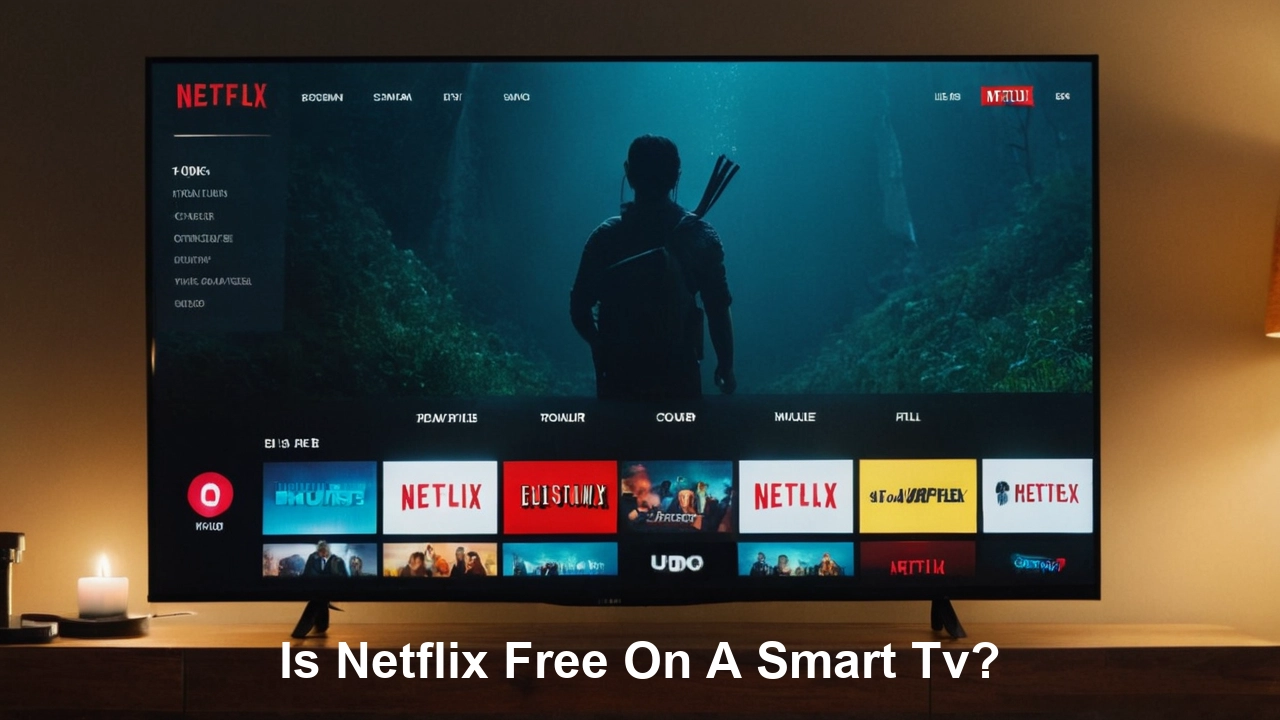
Unlocking entertainment on your smart TV shouldn't be a mystery. This comprehensive guide dives deep into whether Netflix is truly free on smart TVs, exploring the nuances of subscriptions, free trials, and alternative viewing options. Get the definitive answer and discover how to maximize your viewing experience without unexpected costs.
Understanding Netflix Pricing and Smart TV Compatibility
The question of whether Netflix is free on a smart TV is a common one, especially for those new to the world of streaming or considering purchasing a smart television. To answer this directly and comprehensively, it's crucial to understand Netflix's business model and how smart TVs integrate with streaming services. Netflix operates on a subscription-based model. This means that to access its vast library of movies, TV shows, documentaries, and original content, users are required to pay a recurring monthly fee. There is no scenario where Netflix itself offers its full service for free on a perpetual basis, regardless of the device you are using, including smart TVs.
Smart TVs, by definition, are televisions with integrated internet connectivity and the ability to run applications. These applications often include popular streaming services like Netflix, Hulu, Disney+, Amazon Prime Video, and many others. The smart TV acts as a platform, a gateway to these services. While the smart TV itself might be a one-time purchase, the content delivered through its apps, such as Netflix, typically requires separate payment. Think of your smart TV like a smartphone or a tablet; it's a device that enables access to various services, but those services often have their own costs associated with them.
The pricing structure for Netflix has evolved over the years, and as of 2025-2026, it continues to offer several tiers of subscription plans. These plans generally differ in terms of video quality (Standard Definition, High Definition, Ultra High Definition), the number of devices that can stream simultaneously, and the ability to download content for offline viewing. For instance, a basic plan might allow streaming on one device in SD, while a premium plan could offer 4K streaming on up to four devices concurrently. These pricing tiers are designed to cater to a wide range of user needs and budgets.
When you purchase a smart TV, it comes pre-loaded with an app store or a selection of popular apps, often including Netflix. However, simply having the Netflix app on your smart TV does not grant you free access. You will still need to sign up for a Netflix account and select a subscription plan. The initial setup process on a new smart TV usually involves downloading the Netflix app (if not pre-installed) and then logging in with your existing Netflix credentials or creating a new account. This process is straightforward and guided by on-screen prompts.
It's also important to distinguish between the cost of the smart TV itself and the ongoing costs of streaming services. The smart TV is a hardware purchase, a one-time expense. Netflix, on the other hand, is a service that requires a recurring payment. The convenience of having Netflix readily available on your smart TV, without needing an external streaming device like a Roku or Apple TV, is a key feature of smart televisions, but this convenience comes at the standard subscription price.
In summary, Netflix is not inherently free on any smart TV. Access to Netflix content requires a paid subscription. The smart TV is merely the device that allows you to stream it. Understanding this fundamental distinction is the first step to navigating the world of smart TV entertainment without misconceptions.
Netflix Subscription Plans: What to Expect in 2025-2026
As of the 2025-2026 period, Netflix continues to refine its subscription offerings. While the exact pricing and feature sets can vary slightly by region, the general structure remains consistent. Users can typically choose from several plans, each designed to meet different viewing habits and household needs. These plans are crucial to understanding the cost associated with accessing Netflix on your smart TV.
Standard with Ads: This is Netflix's most affordable option, introduced to compete with other ad-supported streaming tiers. It offers access to most of the Netflix library but includes advertisements during playback. The video quality is typically HD, and there are limitations on the number of devices that can stream simultaneously. This plan is a significant shift from Netflix's ad-free past and is designed to attract budget-conscious consumers.
Standard: This plan offers an ad-free viewing experience with HD quality streaming. It typically allows streaming on two devices at the same time, making it suitable for individuals or couples. Downloads are also supported on two devices.
Premium: This is the highest tier, offering the best viewing experience. It provides Ultra HD (4K) streaming quality, the ability to stream on up to four devices simultaneously, and downloads on up to six devices. This plan is ideal for families or households with multiple users who want to watch different content at the same time in the highest possible quality.
The pricing for these plans in 2025-2026 is subject to change but generally falls within a range that reflects the features offered. For example, the "Standard with Ads" might be priced around $6.99-$8.99 per month, the "Standard" plan around $15.49-$17.99 per month, and the "Premium" plan around $19.99-$22.99 per month. These are estimates, and users should always check the official Netflix website for the most current pricing in their region.
When you set up Netflix on your smart TV, you will be prompted to select one of these plans during the account creation or login process. The app on your smart TV will then reflect the features and content limitations associated with your chosen subscription tier.
Smart TV Compatibility and App Availability
One of the primary advantages of a smart TV is its built-in capability to run streaming applications directly. Most major smart TV manufacturers, including Samsung, LG, Sony, Vizio, and TCL, ensure that their platforms are compatible with the Netflix app. This compatibility is generally maintained through regular software updates pushed by both the TV manufacturers and Netflix.
When you purchase a smart TV, you'll typically find a dedicated app store or a curated list of pre-installed applications. Netflix is almost always among these, often featured prominently. If, for some reason, the Netflix app is not pre-installed on your new smart TV, you can usually download it from the TV's respective app store (e.g., Samsung's Smart Hub, LG's webOS Content Store, Google Play Store for Android TVs). The process is similar to downloading apps on a smartphone.
Steps to Access Netflix on a Smart TV:
- Connect your Smart TV to the Internet: Ensure your TV is connected to your home Wi-Fi network or via an Ethernet cable.
- Navigate to the App Store: Open your smart TV's application portal.
- Search for Netflix: Use the search function to find the Netflix app.
- Download and Install: Select the Netflix app and follow the on-screen instructions to download and install it.
- Launch Netflix: Open the Netflix app.
- Sign In or Sign Up: You will be prompted to either sign in with your existing Netflix account details or create a new account. If creating a new account, you'll select your desired subscription plan and enter your payment information.
The interface for Netflix on a smart TV is optimized for a larger screen and remote control navigation, offering a seamless viewing experience. The app automatically adjusts to your subscription plan, displaying content and features accordingly.
Is Netflix Ever Truly Free? Debunking the Myth
The persistent myth that Netflix might be free on smart TVs often stems from a misunderstanding of how streaming services and hardware work together. Let's break down why this isn't the case and what might contribute to this misconception.
The Core Business Model: Netflix's revenue is generated almost entirely from subscriptions. They invest heavily in producing original content and licensing popular shows and movies. This content library is their product, and like any product or service that requires significant ongoing investment, it is not offered for free. If Netflix were free, the company would not be able to sustain its operations, produce new content, or pay its staff and creators.
Confusion with Free Trials: A common source of confusion is the availability of free trial periods. In the past, Netflix frequently offered free trials (e.g., 30 days free) to new subscribers. While these trials provide temporary access to the full service without charge, they are limited in duration and require payment information to be provided upfront. Once the trial period ends, the subscription automatically converts to a paid one unless canceled. These trials are a marketing tool to attract new customers, not a permanent free offering.
Bundled Services and Promotions: Occasionally, telecommunications companies, internet service providers, or other service providers might bundle Netflix subscriptions with their own packages. For example, a mobile plan might include a few months of Netflix at a discounted rate or as part of a premium bundle. However, this doesn't make Netflix itself free; it means that another service is subsidizing part or all of the cost as part of a larger deal. The user is still indirectly paying for the Netflix service through their overall package cost.
"Free" Content on Smart TVs: Smart TVs do offer access to a plethora of free content, but this content comes from different sources and through different models. Many smart TV platforms include apps for services that are genuinely free, often supported by advertising. Examples include YouTube, Pluto TV, Tubi, Crackle, and news channels. These services do not require a subscription fee for access to their content. Users might mistakenly associate the availability of these free services on their smart TV with the possibility of Netflix also being free.
Misinformation and Outdated Information: The internet is rife with outdated articles or forum discussions that might have incorrectly suggested ways to get free Netflix. These often refer to past promotions, loopholes that have since been closed, or illegal methods (like using stolen account credentials), which are not legitimate or advisable.
The Reality for 2025-2026: As of 2025-2026, Netflix has not changed its fundamental business model. Access to its full library on any device, including smart TVs, requires a paid subscription. The introduction of the "Standard with Ads" plan is their strategy to offer a lower-cost entry point, not a move towards a completely free service. Any claim of "free Netflix" on a smart TV without a subscription or a legitimate, limited-time promotion should be treated with extreme skepticism.
Key Takeaway: Netflix on your smart TV is not free. It requires a subscription. The smart TV is the delivery mechanism, not the provider of free content. Understanding this is vital for managing your entertainment budget and avoiding disappointment.
The Truth About Netflix Free Trials
Free trials have historically been a cornerstone of Netflix's customer acquisition strategy. While their availability and duration have fluctuated over the years, they represent the closest thing to "free Netflix" that most users will encounter. As of 2025-2026, Netflix's approach to free trials can be more targeted and less universally offered than in the past. Here's what you need to know:
Limited Availability: Netflix no longer offers a standard, universally advertised free trial for all new customers in every region. Instead, free trials are often offered on a promotional basis, sometimes tied to specific regions, partnerships, or as a targeted offer to potential customers who have shown interest but haven't subscribed.
How to Find Potential Free Trials:
- Check the Netflix Website Directly: The most reliable way to see if a free trial is currently available for new sign-ups in your region is to visit the official Netflix website and go through the sign-up process. If a trial is offered, it will be clearly presented.
- Look for Carrier or ISP Promotions: Keep an eye on offers from your mobile carrier, internet service provider, or other service providers. They sometimes partner with Netflix to offer bundled deals that might include a complimentary trial period.
- Targeted Email Offers: Netflix might send out promotional emails to individuals who have previously had an account or shown interest, offering a limited-time free trial.
What Happens During a Free Trial:
- Full Access: Typically, a free trial grants you access to all features and content of a specific plan (often the Standard plan) for the duration of the trial.
- Automatic Billing: Crucially, you will need to provide payment details (credit card or PayPal) when signing up for a free trial. If you do not cancel your subscription before the trial period ends, you will be automatically charged for the subscription plan you selected.
- Cancellation Policy: Always check the terms and conditions of the free trial regarding cancellation. Most services require cancellation at least 24-48 hours before the trial ends to avoid being charged.
Example Scenario: Imagine you see an offer for a 7-day free trial of Netflix. You sign up, providing your credit card details. You can watch anything you want for those seven days. If you decide you don't want to continue, you must remember to cancel before the seventh day is up. If you forget, your card will be charged for the next month's subscription.
Important Note for 2025-2026: Given Netflix's evolving strategy, including the ad-supported tier and increased focus on profitability, universal free trials are becoming less common. Users should manage their expectations and be prepared to pay for the service if they wish to continue watching after any promotional period.
Exploring Free Alternatives and Bundles on Your Smart TV
While Netflix itself requires a subscription, your smart TV opens the door to a vast universe of genuinely free streaming content and services that offer compelling alternatives. These services are often supported by advertising, a model that allows them to provide content without a direct cost to the viewer.
Free Streaming Services Available on Smart TVs:
These platforms offer a wide variety of movies, TV shows, live channels, and original programming, all accessible through apps on your smart TV.
- YouTube: Beyond user-generated content, YouTube offers a massive library of free movies and TV shows (often ad-supported), live news channels, and educational content.
- Pluto TV: Owned by Paramount, Pluto TV provides hundreds of live "channels" curated from existing content, alongside on-demand movies and shows. It mimics traditional cable TV but is entirely free and ad-supported.
- Tubi: Tubi offers a large catalog of movies and TV series from major studios, completely free with ads. It's known for its diverse selection, including popular titles and niche genres.
- Crackle: Crackle, owned by Sony Pictures Television, offers a selection of movies and TV shows that rotate regularly. It's ad-supported and a reliable source for free entertainment.
- IMDb TV (now Amazon Freevee): Amazon's free streaming service offers a growing library of popular movies and TV shows, including some originals, supported by ads.
- The Roku Channel: If you have a Roku device or a Roku TV, The Roku Channel offers a significant amount of free movies, TV shows, and live channels, all ad-supported.
- Peacock (Free Tier): NBCUniversal's streaming service, Peacock, offers a free tier that provides access to a selection of movies, TV shows, news, and sports, albeit with more limited content than its paid tiers.
- Local News Apps: Many smart TVs allow you to download apps for local news channels, providing free access to local news broadcasts.
How to Access These Services:
The process is identical to accessing Netflix: navigate to your smart TV's app store, search for the service, download and install the app, and then launch it. Most of these services do not require account creation for basic viewing, though creating an account can sometimes offer personalized recommendations or watchlists.
Bundles and Promotions for Streaming Services
Beyond genuinely free services, various bundles and promotions can significantly reduce the cost of streaming subscriptions, including Netflix. While not making Netflix free, they can make it more affordable.
Telecom and ISP Bundles: As mentioned earlier, many internet service providers (ISPs) and mobile carriers offer packages that include streaming subscriptions. These can range from discounts on monthly bills to included access to certain services. For example, a high-tier internet plan might come with a credit towards streaming services, or a mobile plan might offer a specific streaming app as a perk.
Device Promotions: When purchasing new electronics, particularly smart TVs or streaming devices, manufacturers sometimes include trial periods or discounts for popular streaming services. Always check the packaging and promotional materials for any included offers.
Student Discounts and Special Offers: While less common for Netflix, some streaming services offer student discounts or special pricing for specific groups. It's worth checking the individual service websites for any ongoing promotions.
Comparison Table: Free vs. Paid Streaming on Smart TVs
| Feature | Free Streaming Services (e.g., Pluto TV, Tubi) | Paid Services (e.g., Netflix) |
|---|---|---|
| Cost: | Free (ad-supported) | Monthly subscription fee |
| Content Library: | Varies; often includes older titles, licensed content, live channels | Extensive library, including exclusive originals, new releases |
| Advertisements: | Yes, typically frequent | No (except for ad-supported tiers) |
| User Experience: | Can be interrupted by ads; interface varies | Seamless, ad-free viewing (on standard/premium plans) |
| Device Support: | Widely available on most smart TVs and streaming devices | Widely available on most smart TVs and streaming devices |
| Original Content: | Limited, but growing (e.g., Amazon Freevee originals) | Significant investment in exclusive, high-profile originals |
By strategically combining free services with a paid subscription to Netflix (or another premium service), users can create a diverse and cost-effective entertainment package on their smart TVs.
How Smart TV Features Enhance Your Netflix Experience
Smart TVs are designed to be more than just display screens; they are entertainment hubs that can significantly enhance how you interact with services like Netflix. The integration of Netflix within a smart TV's operating system offers several advantages over using external devices, especially for those seeking convenience and a streamlined experience.
Seamless Integration and User Interface
One of the most apparent benefits is the seamless integration of the Netflix app into the TV's user interface. Instead of switching inputs or managing separate remotes, you can access Netflix directly from your TV's home screen or app menu. This makes launching the app and navigating content incredibly intuitive. The interface is often optimized for the TV's remote control, with clear menus, large icons, and easy scrolling, making it user-friendly even for those less tech-savvy.
Enhanced Picture and Sound Quality
Modern smart TVs are equipped with advanced display technologies such as 4K resolution, HDR (High Dynamic Range), Dolby Vision, and OLED panels. When you stream Netflix on a compatible smart TV, the platform can leverage these technologies to deliver the best possible picture and sound quality. For instance, if you subscribe to Netflix's Premium plan, your smart TV can display content in stunning 4K resolution with vibrant colors and deep contrasts thanks to HDR support. Similarly, smart TVs often feature sophisticated audio systems or support for external soundbars and home theater systems, enhancing the immersive experience of watching Netflix content.
Example: Watching a nature documentary on Netflix in 4K HDR on a high-end smart TV reveals intricate details in landscapes and a wider spectrum of colors that would be lost on a standard HD TV or lower-tier streaming device.
Voice Control and Smart Home Integration
Many smart TVs come with built-in voice assistants (like Google Assistant, Amazon Alexa, or Bixby) or compatibility with external smart home devices. This allows for hands-free control of your Netflix experience. You can use voice commands to:
- Launch the Netflix app: "Hey Google, open Netflix."
- Search for specific content: "Alexa, find Stranger Things on Netflix."
- Control playback: "Hey Google, pause Netflix."
- Navigate menus: "Alexa, go to my list on Netflix."
This voice control capability adds a layer of convenience, especially when your hands are full or you're relaxing on the couch. Furthermore, some smart TVs can integrate with broader smart home ecosystems. For instance, you could set up routines where turning on your "Movie Night" scene dims the lights and launches Netflix on your TV.
Automatic Updates and Performance
Smart TV manufacturers and Netflix regularly release software updates to improve performance, fix bugs, and introduce new features. When your smart TV is connected to the internet, these updates are often downloaded and installed automatically, ensuring that your Netflix app is always running optimally and securely. This means you benefit from the latest enhancements without needing to manually update anything, providing a consistently smooth streaming experience.
Casting and Screen Mirroring
While Netflix is natively available on smart TVs, the ability to cast content from other devices (like smartphones or tablets) to your TV can still be useful. Features like Chromecast built-in (on Android TVs and Google TVs) or AirPlay 2 (on Apple-compatible smart TVs) allow you to send content from your mobile device to the big screen. This is particularly handy if you want to share a video from a different app or service that isn't directly available on your TV, or if you want to quickly show photos or videos from your phone to family members.
Example: You found an interesting YouTube video on your phone that isn't available as a dedicated app on your smart TV. You can simply cast it from your phone to your TV to watch it on the larger screen.
In essence, a smart TV transforms the act of watching Netflix from a simple playback experience into an integrated, feature-rich entertainment session. The convenience, quality, and advanced functionalities offered by smart TVs significantly enhance the overall value of a Netflix subscription.
Troubleshooting Common Netflix Access Issues on Smart TVs
While accessing Netflix on a smart TV is generally straightforward, occasional issues can arise. These problems can range from simple connectivity glitches to app-specific errors. Fortunately, most common problems can be resolved with a few basic troubleshooting steps. Here’s a guide to help you get back to streaming.
Internet Connectivity Problems
Netflix requires a stable internet connection to stream content. If you're experiencing buffering, low-quality video, or an inability to connect, the issue likely lies with your internet connection.
- Check your Wi-Fi: Ensure your smart TV is connected to your home Wi-Fi network. You can usually check this in your TV's network settings. If the signal is weak, try moving your router closer to the TV or using a wired Ethernet connection for a more stable link.
- Restart your router and modem: Unplug both your modem and router from the power outlet, wait for about 30 seconds, and then plug them back in. Allow them a few minutes to fully boot up before checking the TV connection again.
- Test your internet speed: Use a speed test app or website on another device connected to the same network to check your internet speed. Netflix recommends a minimum of 3 Mbps for HD streaming and 15 Mbps for 4K streaming.
Netflix App Issues
Sometimes, the Netflix app itself can encounter errors or become unresponsive.
- Force close and relaunch the app: On most smart TVs, you can force close an application by navigating to the app management section in your TV's settings and selecting "Force Stop" for Netflix. Then, relaunch the app.
- Clear the Netflix app cache: Similar to clearing cache on a smartphone, this can resolve issues caused by corrupted temporary data. The option to clear cache is usually found within the app settings or app management section of your TV's settings menu.
- Uninstall and reinstall the Netflix app: If clearing the cache doesn't work, try uninstalling the Netflix app completely from your TV and then reinstalling it from the app store. This will ensure you have a fresh, uncorrupted version of the app.
Account and Login Problems
Issues with your Netflix account or login credentials can prevent access.
- Verify your login details: Double-check that you are entering the correct email address and password for your Netflix account. Passwords are case-sensitive.
- Reset your Netflix password: If you've forgotten your password, you can reset it by visiting the Netflix website on a computer or mobile device and following the "Forgot Password" link.
- Check account status: Ensure your Netflix subscription is active and that there are no payment issues. Log in to your Netflix account on the website to review your account status and billing information.
- Sign out and sign back in: On your smart TV, navigate to the Netflix app settings and select the option to "Sign Out." Then, sign back in with your credentials. This can refresh your account connection.
TV Software and Firmware Updates
An outdated smart TV operating system or firmware can sometimes cause compatibility issues with streaming apps.
- Check for TV software updates: Go to your smart TV's settings menu and look for an option related to "Software Update," "System Update," or "Firmware Update." Install any available updates. This process can take some time and may require your TV to restart.
Content Availability and Region Locks
While less common for core Netflix functionality, it's worth noting that content libraries can vary by region due to licensing agreements. If you're trying to access a specific show or movie that isn't available in your country, it won't appear in your Netflix library, even on a smart TV.
Contacting Support
If you've tried all the above steps and are still experiencing problems, it's time to reach out for help:
- Netflix Help Center: Visit the official Netflix Help Center online for a comprehensive library of troubleshooting articles and FAQs.
- Smart TV Manufacturer Support: If you suspect the issue is with your TV itself, contact the customer support for your smart TV brand. They can provide specific guidance for your TV model.
By systematically working through these troubleshooting steps, you can resolve most common issues and ensure a smooth Netflix viewing experience on your smart TV.
The Evolving Landscape of Streaming and Smart TV Access
The way we consume entertainment is in constant flux, and the relationship between streaming services like Netflix and smart TVs is at the forefront of this evolution. As we look ahead into the mid-2020s and beyond, several trends are shaping the future of streaming on smart TV platforms.
Increasing Competition and Fragmentation
The streaming market, once dominated by a few major players, has become increasingly crowded. With the launch of services like Disney+, Apple TV+, HBO Max (now Max), Paramount+, and numerous niche platforms, consumers now have a dizzying array of choices. This fragmentation means that no single service can offer everything, leading viewers to subscribe to multiple platforms to access their desired content. For smart TV manufacturers, this means ensuring their platforms remain compatible with a growing number of apps and providing users with intuitive ways to manage multiple subscriptions.
The Rise of Ad-Supported Tiers
As seen with Netflix's "Standard with Ads" plan, ad-supported subscription tiers are becoming a significant strategy for streaming services. This model appeals to a broader audience by offering lower price points, making premium content more accessible. We can expect more streaming services to adopt similar models in the coming years. Smart TVs will play a crucial role in delivering these ad-supported streams efficiently, with manufacturers and service providers working together to optimize the ad experience.
Consolidation and Partnerships
The intense competition might also lead to further consolidation within the streaming industry. Mergers and acquisitions could simplify the landscape, potentially reducing the number of standalone services. Simultaneously, strategic partnerships between content creators, distributors, and smart TV manufacturers will likely become more common. These collaborations could lead to exclusive content deals, bundled offerings, and deeper integration of services into smart TV operating systems.
Advancements in TV Technology
Smart TV technology itself will continue to advance. We can expect improvements in picture and sound quality (e.g., higher resolutions, better HDR, more immersive audio), faster processing speeds for smoother app performance, and more sophisticated AI-driven features for content discovery and personalization. Integration with smart home ecosystems will also deepen, making TVs even more central to the connected home experience.
Interactivity and Gamification
The future may also see increased interactivity within streaming platforms. Beyond simple playback, we might encounter more features like synchronized second-screen experiences, live polls during streamed events, or even integrated casual gaming accessible directly through the TV interface. This could further blur the lines between traditional television, streaming, and interactive entertainment.
What This Means for Smart TV Users:
For users, the future promises more choice, potentially more affordable options through ad-supported tiers, and increasingly sophisticated viewing experiences. However, it also means a greater need for careful subscription management and staying informed about the evolving landscape. Smart TVs will remain the primary gateway for accessing this diverse range of content, with manufacturers continuously working to provide a seamless and integrated experience across all platforms.
Ultimately, while Netflix remains a dominant force, its place in the smart TV ecosystem will continue to be shaped by innovation, competition, and the ever-changing habits of viewers worldwide. The core principle, however, remains: access to premium content like Netflix on your smart TV requires a subscription, but the platform itself unlocks a world of both paid and free entertainment.
Conclusion
In conclusion, the definitive answer to whether Netflix is free on a smart TV is a clear no. Netflix operates on a subscription-based model, and this fundamental principle applies regardless of the device used for viewing, including sophisticated smart TVs. While smart TVs offer unparalleled convenience and enhanced viewing experiences for streaming services, they do not alter the cost structure of those services. Accessing Netflix's extensive library of movies and original series requires a paid monthly subscription, with various plans available in 2025-2026 to suit different needs and budgets, including the newer ad-supported option.
The confusion surrounding "free Netflix" often stems from the availability of limited-time free trials, which require payment details and automatically convert to paid subscriptions if not canceled. It's also important to distinguish between Netflix and the numerous genuinely free, ad-supported streaming services that are readily available on smart TV platforms, such as Pluto TV, Tubi, and YouTube. These offer alternative entertainment options without a direct cost.
Leveraging your smart TV's features, such as high-resolution displays, voice control, and seamless app integration, can significantly enhance your paid Netflix experience. However, these features are enhancements to a paid service, not indicators of free access. For those looking to maximize their entertainment budget, a combination of a Netflix subscription and the plethora of free streaming alternatives provides a comprehensive and cost-effective viewing solution on any smart TV.