Is fiber internet widely available?
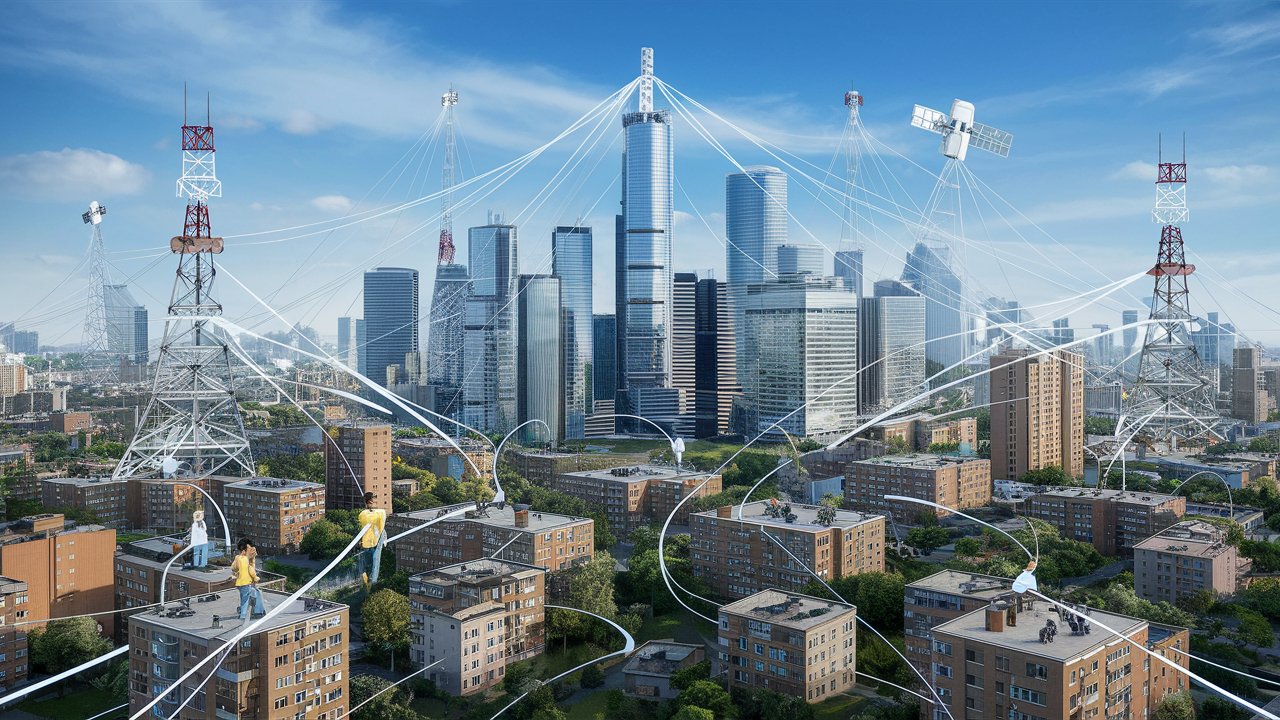
Discover the current landscape of fiber internet availability in 2025-26. This comprehensive guide breaks down where fiber is accessible, its growing reach, and what it means for your home or business. Understand the factors influencing its deployment and how to check for service in your area.
Understanding Fiber Internet Availability
Fiber internet, often lauded for its superior speed, reliability, and capacity, is rapidly transforming the digital landscape. However, its availability is not yet universal. Understanding what "widely available" truly means in the context of fiber optics is crucial for consumers and businesses alike. This section delves into the nuances of fiber deployment, clarifying its current reach and the dynamics that shape its accessibility across different regions. We aim to provide a clear picture of where you stand with fiber in 2025-26, empowering you to make informed decisions about your internet service.
The term "widely available" is subjective and depends heavily on the geographical context. For a densely populated urban center, "widely available" might mean that a significant majority of households can access fiber. In contrast, for a rural community, even a partial rollout might be considered a substantial step forward. The infrastructure required for fiber optic internet is a significant undertaking, involving the laying of new cables, often underground, which is a costly and time-consuming process. This inherent complexity is a primary reason why fiber availability, while growing, is not yet ubiquitous like older technologies such as DSL or cable internet.
In 2025-26, the focus of fiber deployment continues to be on expanding its footprint into underserved and unserved areas, as well as upgrading existing networks in urban and suburban locales. Government initiatives, private investments, and the increasing demand for high-bandwidth services are all driving this expansion. However, the pace of this expansion varies significantly by country, region, and even specific neighborhoods. Factors such as population density, local regulations, and the economic viability of a particular area play a pivotal role in determining how quickly fiber infrastructure is built out.
For many, the question isn't just about whether fiber is available, but also about the quality and reliability of that availability. Different providers may offer varying levels of service, speeds, and customer support even within areas where fiber is present. Therefore, a comprehensive understanding involves not only identifying if fiber is an option but also comparing the offerings from different providers to ensure you're getting the best possible service for your needs. This guide will equip you with the knowledge to navigate this complex terrain and make the most of the fiber internet revolution.
The Current State of Fiber Deployment (2025-26)
As of 2025-26, fiber optic internet is experiencing unprecedented growth, yet its availability remains a patchwork across the globe and even within individual countries. While significant strides have been made, particularly in urban and suburban areas, rural and remote regions continue to lag behind. This section provides a data-driven overview of the current deployment status, highlighting key trends and statistics that define the fiber landscape today.
Globally, the penetration of fiber-to-the-home (FTTH) connections is on a steady upward trajectory. Reports from leading telecommunications research firms indicate that by the end of 2025, over 50% of new broadband subscriptions in developed nations are expected to be fiber-based. This is a testament to the increasing recognition of fiber's advantages. For instance, in South Korea and Japan, fiber penetration rates have consistently been among the highest, often exceeding 70-80% of households. These countries have prioritized fiber infrastructure for decades, setting a benchmark for other nations.
In North America, the United States and Canada are actively engaged in expanding their fiber networks. While major metropolitan areas in the U.S. often boast high fiber availability, rural broadband initiatives are crucial for bridging the digital divide. Government funding programs, such as those aimed at rural infrastructure development, are playing a significant role in accelerating fiber deployment in previously underserved areas. By 2026, it's projected that over 40% of U.S. households will have access to at least one fiber internet provider, a substantial increase from previous years. Canada is also seeing similar trends, with a strong push from both private companies and government grants to extend fiber networks beyond urban centers.
Europe presents a diverse picture. Countries like Spain, Portugal, and parts of Eastern Europe have seen rapid fiber network expansion, often driven by municipal broadband projects and a competitive market. Germany, while historically strong in cable, is also making significant investments in fiber. The European Union's digital agenda continues to emphasize the importance of gigabit connectivity, with member states actively working towards increasing fiber coverage. By 2025, it's estimated that nearly 60% of European households will have access to fiber, with significant regional variations.
Asia, beyond the early adopters like South Korea and Japan, is also witnessing substantial fiber growth. China has made massive investments in its telecommunications infrastructure, leading to widespread fiber availability in its urban and increasingly in its rural areas. Southeast Asian nations are also accelerating their fiber rollouts, driven by the burgeoning digital economy and the demand for faster internet speeds. By 2026, it's anticipated that over 65% of broadband connections in major Asian economies will be fiber-based.
The statistics for 2025-26 paint a picture of a technology that is moving from a niche offering to a mainstream standard, but with significant geographical disparities. The cost of deployment remains a primary barrier, especially in sparsely populated areas where the return on investment is slower. However, the long-term benefits of fiber – its speed, capacity, and future-proofing capabilities – are driving sustained investment and expansion efforts worldwide. The ongoing competition among internet service providers (ISPs) is also a key factor, pushing them to offer fiber services to attract and retain customers.
Here's a snapshot of projected fiber availability trends for 2025-26 in key regions:
| Region | Projected Fiber Availability (Households) - 2026 | Key Drivers |
|---|---|---|
| Asia (Major Economies) | ~65% | Government investment, digital economy growth, demand for high speeds. |
| Europe | ~60% | EU digital agenda, municipal projects, competitive market. |
| North America (U.S. & Canada) | ~40-45% | Rural broadband initiatives, private investment, urban upgrades. |
| South Korea & Japan | ~75-85% | Long-term infrastructure investment, high consumer demand. |
It's important to note that these figures represent availability, meaning the service is technically accessible. Actual adoption rates can vary. The continuous development of new fiber optic technologies and installation methods is also contributing to faster and more cost-effective deployments, further accelerating the trend towards wider fiber availability.
Key Statistics and Growth Indicators
Several key metrics highlight the ongoing expansion of fiber internet. The number of households with access to FTTH/FTTP (Fiber-to-the-Home/Premises) services continues to climb. In 2025, global FTTH connections are projected to surpass 1.1 billion, a significant leap from just a few years prior. This growth is fueled by both new builds and upgrades to existing copper or coaxial networks. The average download speeds offered by fiber providers are also a crucial indicator; in 2025, the average advertised gigabit speed plan is becoming increasingly common, with many providers offering symmetrical upload and download speeds of 1 Gbps or higher.
The investment in fiber infrastructure is another strong indicator. Major telecommunications companies and new entrants are pouring billions of dollars into fiber network construction. This investment is often driven by the perceived long-term value of fiber, its ability to support future technological demands (like 5G backhaul, smart cities, and advanced AI applications), and the increasing customer preference for higher speeds and more reliable connections. For example, in the U.S., significant investments are being made by companies like AT&T, Verizon, and numerous smaller, regional providers focused on underserved areas.
The competitive landscape is also intensifying. As more providers enter the fiber market, competition drives down prices and encourages further network expansion to capture market share. This competitive pressure is particularly evident in urban and suburban areas where multiple fiber providers may be vying for customers. In some cases, this has led to accelerated deployment schedules and more aggressive pricing strategies. The focus remains on providing a superior internet experience that older technologies simply cannot match.
Regional Disparities and Challenges
Despite the overall growth, significant regional disparities persist. Rural areas, due to lower population density and higher infrastructure costs per household, often face slower fiber deployment. The economics of laying fiber over long distances with fewer potential customers makes it a less attractive investment for some companies without government subsidies. This creates a digital divide where urban dwellers enjoy gigabit speeds while rural residents may still be reliant on slower DSL or satellite internet.
The regulatory environment also plays a role. Permitting processes for digging and laying fiber can be lengthy and complex, varying significantly from one municipality to another. Streamlined regulations and public-private partnerships are essential for accelerating deployment. Furthermore, the availability of skilled labor for installation and maintenance can be a bottleneck in rapidly expanding markets. Overcoming these challenges is crucial for achieving truly widespread fiber availability.
Factors Influencing Fiber Availability
The widespread adoption of fiber optic internet is not a simple matter of technological advancement; it's a complex interplay of economic, geographical, regulatory, and market-driven factors. Understanding these influences is key to grasping why fiber is available in some areas and not others, and what the future holds for its expansion. In 2025-26, these factors continue to shape the deployment landscape significantly.
Economic Viability and Return on Investment
Perhaps the most significant factor influencing fiber availability is economics. Laying fiber optic cable is an expensive undertaking. The cost involves not only the cable itself but also trenching, conduit installation, labor, permits, and ongoing maintenance. In densely populated urban areas, the cost per household is relatively low because a single cable can serve many homes. This makes it economically viable for Internet Service Providers (ISPs) to invest and see a quicker return on their investment.
Conversely, in rural or sparsely populated areas, the cost per household can be significantly higher. A single fiber strand might need to cover miles to reach a handful of homes. This makes the return on investment much slower and riskier for private companies. As a result, fiber deployment in these areas often relies on government subsidies, grants, or municipal broadband initiatives to bridge the economic gap and make the project feasible. The current economic climate of 2025-26, with its focus on infrastructure development, is seeing increased public funding aimed at addressing this disparity.
Geographical and Demographic Considerations
The physical landscape plays a crucial role. Areas with challenging terrain, such as mountainous regions or areas with dense existing infrastructure (like old, complex underground utilities), can significantly increase the cost and complexity of fiber installation. Coastal areas or regions prone to natural disasters might also require more robust and expensive installation methods to ensure long-term reliability.
Demographics, particularly population density, are intrinsically linked to economic viability. As mentioned, higher population density means more potential customers within a given area, reducing the per-customer cost of infrastructure. This is why urban and suburban areas typically see faster fiber rollouts. The demand for high-speed internet also influences deployment; areas with a higher concentration of businesses, tech-savvy residents, or educational institutions may see earlier fiber investment due to anticipated demand and higher willingness to pay for premium services.
Regulatory Environment and Government Initiatives
Government policies and regulations have a profound impact on fiber availability. Streamlined permitting processes, "dig-once" policies (requiring fiber conduit installation during any road construction or utility work), and favorable right-of-way access can significantly accelerate deployment. Conversely, complex, lengthy, or costly permitting can create major bottlenecks.
In 2025-26, many governments worldwide are actively promoting fiber deployment through various initiatives. This includes direct funding for rural broadband projects, tax incentives for ISPs investing in fiber, and the establishment of national broadband plans with ambitious fiber coverage targets. The European Union's Digital Agenda, the U.S. Broadband Equity, Access, and Deployment (BEAD) program, and similar initiatives in other countries are critical drivers for expanding fiber into underserved communities. These programs aim to address the market failures where private investment alone is insufficient.
Competition Among ISPs
The level of competition in a given market also influences fiber availability. In areas with multiple ISPs vying for customers, competition can drive innovation and accelerate network build-outs. ISPs may invest in fiber to differentiate themselves, offer higher speeds, and capture market share from competitors offering older technologies. This is particularly true in competitive urban and suburban markets.
However, in areas with limited competition, there may be less incentive for an incumbent ISP to invest in costly fiber upgrades if their existing service is adequate to meet current demand or if they face little threat from rivals. The rise of smaller, regional fiber providers and municipal broadband networks is helping to increase competition in some markets, thereby driving fiber availability.
Technological Advancements and Installation Methods
Ongoing advancements in fiber optic technology and installation techniques are also making fiber more accessible. Innovations in micro-trenching, directional drilling, and aerial cable deployment can reduce the disruption and cost associated with laying fiber. New technologies in fiber optics themselves, such as higher-capacity cables and more efficient splicing techniques, also contribute to making fiber a more attractive and feasible option.
The development of Passive Optical Network (PON) technologies, which allow a single fiber strand to serve multiple customers, has also improved the economics of fiber deployment. As these technologies mature and become more cost-effective, they enable ISPs to deploy fiber to more premises efficiently. The ongoing research and development in this field continue to push the boundaries of what's possible in terms of speed and scalability.
Fiber vs. Other Technologies: Availability Comparison
To truly understand the significance of fiber internet's availability, it's essential to compare it with the technologies that have historically dominated the broadband landscape: DSL, cable, and satellite. Each technology has its own strengths, weaknesses, and, crucially, its own patterns of availability. In 2025-26, the accessibility of these different internet types paints a clear picture of the evolving digital infrastructure.
DSL Availability
DSL (Digital Subscriber Line) internet utilizes existing copper telephone lines to transmit data. This has been a cornerstone of internet access for decades. The primary advantage of DSL is its widespread availability. Because telephone lines are already present in most homes and businesses, DSL infrastructure is extensive, reaching even remote areas where other forms of broadband might be scarce.
However, DSL's availability is often tied to the distance from the telephone company's central office or local exchange. The further a user is from the exchange, the weaker the signal and the slower the internet speeds become. While DSL is technically available in many places, the actual speeds offered can be significantly below what consumers expect today. In 2025-26, DSL is increasingly being phased out or relegated to backup service in areas where faster alternatives are being deployed, but it remains a crucial lifeline for connectivity in many rural and underserved regions.
Cable Internet Availability
Cable internet, delivered over coaxial cable lines originally designed for cable television, offers a significant step up in speed and capacity compared to DSL. Its availability is generally widespread in suburban and urban areas where cable TV services are prevalent. The infrastructure for cable is robust and can support high-speed data transmission.
In 2025-26, cable internet is a dominant force in many markets, offering speeds that are often competitive with entry-level fiber plans. However, cable networks are typically a shared medium. This means that during peak usage times, when many users in a neighborhood are online simultaneously, speeds can degrade due to network congestion. While cable availability is extensive in developed areas, it is less common in very rural regions where the cost of laying coaxial cable is prohibitive. Furthermore, the upgrade path for cable to consistently match the highest speeds of fiber is more complex and costly than for fiber itself.
Satellite Internet Availability
Satellite internet is unique in its ability to provide broadband access to virtually any location with a clear view of the sky, regardless of geographical remoteness. This makes it the primary or only option for many rural, remote, and island communities. Companies like Starlink, HughesNet, and Viasat have expanded satellite internet's reach significantly.
However, satellite internet comes with notable drawbacks. In 2025-26, while speeds have improved, latency (the delay in data transmission) remains a significant issue due to the vast distance the signal must travel to the satellite and back. This makes it less ideal for real-time applications like online gaming or video conferencing. Data caps and higher costs per gigabyte are also common. Despite these limitations, for those with no other options, satellite internet's universal availability makes it an indispensable service.
Fiber Internet Availability in Comparison
Fiber optic internet is the newest and most advanced of these technologies. Its availability is growing rapidly but is still the most limited compared to DSL and cable. As discussed, the high cost and complexity of deploying fiber infrastructure mean that it is most prevalent in densely populated areas or regions that have received significant government investment or strategic ISP focus. However, when fiber is available, it offers unparalleled advantages:
- Speed: Fiber can deliver symmetrical download and upload speeds of 1 Gbps, 2 Gbps, 10 Gbps, and beyond, far surpassing typical DSL and cable offerings.
- Reliability: Fiber optic cables are less susceptible to electromagnetic interference and environmental factors compared to copper lines, leading to a more stable and reliable connection.
- Capacity: Fiber has virtually unlimited bandwidth potential, meaning it can easily accommodate future increases in data demand and new bandwidth-intensive applications.
- Low Latency: Similar to DSL and cable, fiber offers low latency, making it ideal for real-time applications.
The trend in 2025-26 is clear: fiber is the future, and its availability is expanding. However, the transition is not instantaneous. For many, the choice of internet service is still dictated by what is physically available in their location. Here's a simplified comparison:
| Technology | Typical Availability (2025-26) | Typical Max Speeds (Advertised) | Key Advantage | Key Disadvantage |
|---|---|---|---|---|
| DSL | Very High (Urban, Suburban, Rural) | Up to 100 Mbps (often much lower) | Widespread infrastructure | Slow speeds, distance-dependent |
| Cable | High (Urban, Suburban) | Up to 1-2 Gbps (download) | Good speeds, widespread in developed areas | Shared medium, potential congestion, slower uploads |
| Satellite | Universal (Global) | Up to 500 Mbps (download, e.g., Starlink) | Available anywhere | High latency, data caps, weather sensitive |
| Fiber | Growing (Urban, Suburban, some Rural) | 1 Gbps to 10 Gbps+ (symmetrical) | Fastest speeds, highest reliability, future-proof | Limited availability, high deployment cost |
In essence, while DSL and cable offer broader immediate availability, fiber represents the pinnacle of internet technology and is the focus of ongoing infrastructure investment. Satellite remains critical for the most remote locations, but it's a compromise in performance. The ongoing expansion of fiber is gradually shifting the balance, making its superior capabilities accessible to more people each year.
How to Check Fiber Availability in Your Area
Determining whether fiber internet is available at your specific address is a critical step in understanding your connectivity options. While general trends show increasing fiber deployment, the reality on the ground can vary significantly even within the same city or town. This section provides a practical, step-by-step guide to help you accurately check for fiber availability in your area as of 2025-26.
Step 1: Identify Potential Providers
The first step is to identify the major Internet Service Providers (ISPs) that are actively deploying fiber optic networks in your region. This often includes national carriers, regional providers, and sometimes even local municipal broadband initiatives.
- National ISPs: Companies like AT&T, Verizon, Spectrum (which offers fiber in some areas), CenturyLink/Lumen, and others are significant players in fiber deployment.
- Regional/Local ISPs: Many smaller companies focus on specific states or regions. These can be crucial for finding fiber in areas overlooked by national providers. Examples include Ting, Google Fiber (in select cities), and numerous electric cooperatives or municipal networks.
- Municipal Broadband: Some cities and towns operate their own fiber networks, offering competitive services directly to residents.
A good starting point is to search online for "fiber internet providers [your city/state]" or "broadband options [your zip code]." Local government websites or community forums might also list available providers.
Step 2: Use Online Availability Tools
Most ISPs have online tools on their websites that allow you to check service availability by entering your address or zip code. This is the most direct and accurate method for determining if a specific provider offers fiber at your location.
- Provider Websites: Navigate to the websites of the ISPs you identified in Step 1. Look for sections like "Check Availability," "Get Service," or "Internet Plans." You will typically be prompted to enter your street address, city, and zip code.
- Third-Party Aggregators: Several websites act as aggregators, allowing you to enter your address once and see which providers (including fiber) offer service in your area. Examples include BroadbandNow, HighSpeedInternet.com, and others. These sites can be very helpful for getting a broad overview quickly. However, always cross-reference with the ISP's official website for the most up-to-date and precise information.
When using these tools, pay close attention to the type of service listed. Ensure it explicitly states "Fiber" or "Fiber Optic." Some providers may offer DSL or cable at your address but not fiber, even if they are a fiber provider elsewhere.
Step 3: Contact Providers Directly
If online tools are inconclusive or you want to confirm details, don't hesitate to call the ISPs directly. Customer service representatives can often provide more detailed information about planned rollouts or confirm availability based on specific service maps that might not be fully reflected in their online tools.
- Phone Support: Many ISPs have dedicated sales or support lines. Be prepared to provide your full address.
- In-Person Inquiries: For municipal broadband or smaller local providers, visiting a local office or attending community events might be an option.
When speaking with representatives, ask specific questions:
- "Do you offer fiber optic internet service at [your full address]?"
- "If not, is there a fiber network being built in my immediate neighborhood, and what is the estimated timeline for availability?"
- "What are the available fiber speed tiers and their associated costs?"
Step 4: Check with Local Authorities or Community Groups
Local government offices, particularly those responsible for planning, economic development, or broadband initiatives, often maintain detailed maps and information about existing and planned fiber infrastructure. Community leaders or neighborhood associations may also have insights into local deployment efforts.
- City/County Planning Departments: These departments often have information on infrastructure projects, including broadband deployment.
- Economic Development Agencies: These agencies are typically focused on improving local infrastructure to attract businesses and residents, and they will have data on broadband availability.
- Neighborhood Associations: Local groups can be a valuable source of information about what services are being rolled out in your specific neighborhood.
Step 5: Understand Different Fiber Deployment Models
It's also helpful to understand how fiber is deployed, as this can affect availability checks:
- Fiber-to-the-Home (FTTH): The entire connection from the provider's central office to your home is fiber optic cable. This offers the best performance.
- Fiber-to-the-Premises (FTTP): Similar to FTTH, but might extend to a building's entrance before transitioning to copper or coaxial within the building.
- Fiber-to-the-Neighborhood/Curb (FTTN/FTTC): Fiber optic cable runs to a local node or the curb, with the final connection to your home using existing copper or coaxial lines. This offers improved speeds over pure DSL but not the full potential of FTTH.
When checking availability, ensure you are looking for true FTTH/FTTP service if that's your goal, as FTTN/FTTC will offer different performance levels.
By systematically following these steps, you can get a clear and accurate picture of fiber internet availability at your specific address. Remember that availability can change rapidly as new infrastructure is built, so it's worth checking periodically if fiber isn't available today.
The Future of Fiber Internet Expansion
The trajectory of fiber optic internet deployment is undeniably upward. As we look beyond 2025-26, the trend towards wider fiber availability is set to accelerate, driven by a confluence of technological advancements, increasing demand, and strategic investments. This section explores the anticipated future of fiber expansion, outlining the key drivers and potential impacts on connectivity for homes and businesses worldwide.
Continued Investment and Infrastructure Development
The global telecommunications industry is heavily invested in fiber optics as the long-term solution for high-speed internet. Billions of dollars are projected to be invested annually in the coming years to expand fiber networks. This investment is coming from established telecommunications companies, new entrants focused on fiber-only services, and significant government funding aimed at closing the digital divide. The economic rationale is clear: fiber infrastructure is more future-proof, capable of supporting higher speeds and greater bandwidth demands than any other current technology.
Expect to see a continued focus on deploying fiber to underserved and unserved areas. Government initiatives like those seen in the U.S. (e.g., BEAD program) and Europe are designed to incentivize deployment in economically challenging regions. Public-private partnerships will become even more crucial in bridging the gap between the cost of deployment and the return on investment in these areas. Furthermore, advancements in installation techniques, such as aerial deployment and more efficient micro-trenching, will continue to reduce the cost and time required to lay fiber, making expansion more feasible.
Technological Advancements Driving Performance and Efficiency
The evolution of fiber optic technology itself will play a significant role. Research and development are continuously pushing the boundaries of speed and capacity. Technologies like 25G PON (Passive Optical Network) and beyond are already being tested and deployed, offering speeds that far exceed current gigabit offerings. These advancements mean that as fiber networks are built, they are being constructed with the capacity to deliver significantly higher speeds in the future without requiring a complete overhaul of the physical infrastructure.
Furthermore, innovations in network management, automation, and artificial intelligence will enhance the efficiency of fiber networks. This includes smarter network monitoring, predictive maintenance, and automated provisioning, all of which can reduce operational costs and improve service reliability. The development of more compact and cost-effective optical components will also contribute to making fiber deployment more economically viable.
Increasing Demand for Bandwidth-Intensive Applications
The demand for high-speed, reliable internet is not static; it's growing exponentially. The proliferation of high-definition streaming, cloud computing, virtual and augmented reality (VR/AR), the Internet of Things (IoT), and the increasing use of AI and machine learning applications all require substantial bandwidth. As these technologies become more mainstream, the limitations of older internet technologies will become more pronounced, further driving the demand for fiber.
The rise of remote work and hybrid work models, which became solidified in the post-pandemic era and continue to be prevalent in 2025-26, also necessitates robust home internet connections. Families often require multiple devices to be online simultaneously, supporting streaming, video conferencing, online learning, and gaming. Fiber's symmetrical upload and download speeds are particularly crucial for these modern usage patterns. The development of smart cities, autonomous vehicles, and advanced telehealth services will also rely heavily on the high capacity and low latency that only fiber can reliably provide.
Potential for Universal Access
While universal fiber access may still be a decade or more away, the future outlook suggests that it will become increasingly common. The combination of sustained investment, technological improvements, and growing demand creates a powerful momentum. It's plausible that by the end of the next decade, fiber optic internet will be the standard broadband offering in most developed and many developing regions.
The challenge will remain in the most remote and economically challenging areas. However, the increasing focus on digital inclusion and the understanding of broadband as essential infrastructure will likely ensure that efforts to bring fiber (or equivalent high-speed connectivity) to these areas continue. Innovations in wireless technologies, such as advanced fixed wireless access (FWA) and satellite broadband, may also serve as complementary solutions in the interim or in areas where fiber deployment remains exceptionally difficult.
The future of fiber internet expansion is one of increasing ubiquity. As the technology matures and its benefits become more widely recognized and demanded, its presence will continue to grow, transforming how we live, work, and interact with the digital world. The investment and innovation in this space are robust, promising a future where high-speed, reliable internet is more accessible than ever before.
In conclusion, fiber internet availability is a dynamic and rapidly evolving landscape. While not yet universally accessible in 2025-26, its footprint is expanding at an unprecedented rate. Understanding the factors influencing its deployment, comparing it to other technologies, and knowing how to check for service in your specific area are crucial steps. The future promises even greater expansion, driven by technological advancements and increasing demand. For those seeking the fastest, most reliable internet experience, keeping an eye on fiber availability and advocating for its expansion in your community is a worthwhile endeavor.