Is Earthlink Satellite Internet?

Considering EarthLink satellite internet? This in-depth guide explores its performance, costs, and suitability for your home in 2025-26, helping you decide if it's the right high-speed solution for your needs.
What is EarthLink Satellite Internet?
EarthLink satellite internet is a broadband service delivered via a satellite dish installed at your home, connecting you to the internet through orbiting satellites. It's primarily designed for rural and underserved areas where traditional wired internet options like DSL, cable, or fiber optic are unavailable or unreliable. In 2025-26, EarthLink continues to be a significant player in this niche market, offering a vital connection for millions who would otherwise be left digitally isolated. The service aims to provide speeds that enable common online activities, from browsing and email to streaming and video conferencing, albeit with inherent limitations dictated by the technology.
Unlike other providers that might offer satellite as a secondary option, EarthLink has historically focused on providing internet access across various technologies, including dial-up, DSL, and wireless, before heavily investing in satellite solutions to reach the most remote locations. This broad experience allows them to tailor their satellite offerings to meet specific user needs, balancing speed, data caps, and affordability. Understanding the fundamental nature of satellite technology is key to setting realistic expectations for its performance and suitability.
How EarthLink Satellite Internet Works
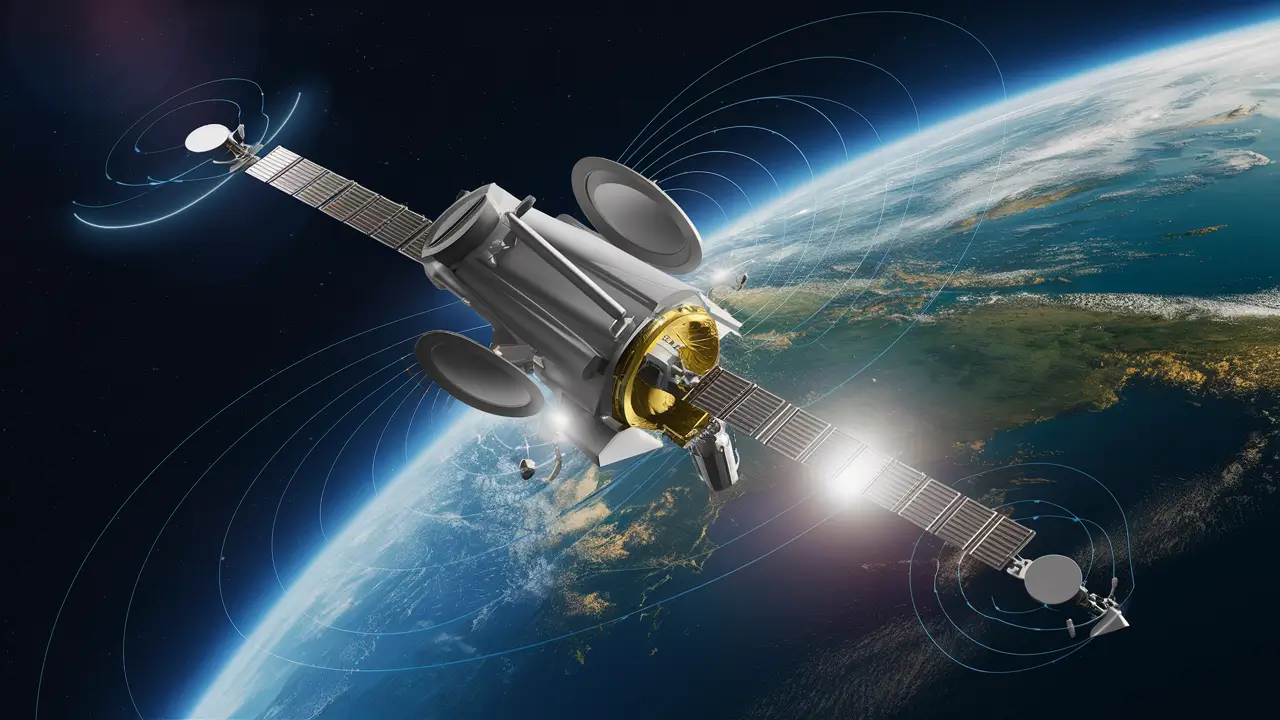
The operation of EarthLink satellite internet, like all satellite broadband, relies on a sophisticated network of components. At your home, a satellite dish is precisely aimed at a geostationary satellite orbiting Earth at an altitude of approximately 22,000 miles. This dish acts as both a transmitter and receiver for internet data. When you request information online, your computer sends a signal to the dish, which then beams it up to the satellite.
The satellite receives this signal and relays it to a ground station, also known as a Network Operations Center (NOC). This NOC is connected to the broader internet infrastructure. The NOC processes your request, retrieves the necessary data, and then sends it back up to the satellite. The satellite, in turn, beams the data back down to your satellite dish, which then transmits it to your modem and, finally, to your computer. This entire round trip, while incredibly fast, involves a significant physical distance, leading to inherent latency.
Understanding Latency
Latency, often referred to as ping or delay, is the time it takes for a data packet to travel from its source to its destination and back. Because satellite internet signals must travel thousands of miles to space and back, latency is inherently higher compared to terrestrial internet services like cable or fiber. For EarthLink satellite internet in 2025-26, typical latency figures can range from 500 milliseconds (ms) to over 1000 ms. This high latency can affect real-time applications such as online gaming, live video conferencing, and VoIP calls, potentially causing lag or delays. While advancements are constantly being made, this remains a fundamental characteristic of satellite technology.
The Role of Satellites and Ground Stations
EarthLink utilizes geostationary satellites, which appear stationary in the sky due to their orbital path matching Earth's rotation. This positioning ensures a consistent connection point for the satellite dish. The ground stations are the critical link between the satellite network and the global internet. They manage the flow of data, authenticate users, and ensure the integrity of the network. The capacity and efficiency of these ground stations play a significant role in the overall performance of the satellite internet service.
Data Transmission Process
Data is transmitted in packets. When you browse a webpage, your device sends a request for that page. This request is broken down into small packets, sent to the satellite, then to the ground station, and then to the web server. The web server sends the webpage data back in packets, following the same path in reverse. The satellite dish at your home reassembles these packets to display the webpage. The speed at which these packets are transmitted and received determines your download and upload speeds.
EarthLink Satellite Internet Plans and Pricing (2025-26)
EarthLink offers a range of satellite internet plans designed to cater to different usage needs and budgets in 2025-26. It's important to note that pricing and plan details can vary based on your specific location and current promotions. However, a general overview can help you understand what to expect. These plans typically differentiate themselves by download/upload speeds and monthly data allowances.
Typical Plan Structures
EarthLink's satellite plans often come with a base monthly fee that includes a certain amount of high-speed data. Once you exceed this data allowance, your speeds may be throttled (slowed down) for the remainder of the billing cycle, or you may incur overage charges, depending on the specific plan. This data cap is a crucial factor to consider for households with multiple users or those who frequently stream video, download large files, or engage in online gaming.
Estimated Pricing and Speeds (2025-26)
While exact figures fluctuate, here's an estimated breakdown of what EarthLink satellite internet plans might look like in 2025-26:
| Plan Name (Example) | Download Speeds (Up to) | Upload Speeds (Up to) | High-Speed Data Allowance | Estimated Monthly Price | Potential Overage/Throttling |
|---|---|---|---|---|---|
| Basic Connect | 25 Mbps | 3 Mbps | 50 GB | $70 - $90 | Throttled to 1-3 Mbps after allowance |
| Standard Stream | 50 Mbps | 5 Mbps | 100 GB | $90 - $110 | Throttled to 3-5 Mbps after allowance |
| Premium Power User | 100 Mbps | 10 Mbps | 150 GB | $110 - $140 | Throttled to 5-10 Mbps after allowance |
Note: These are illustrative examples. Actual speeds and prices will vary. It is essential to check EarthLink's official website or contact them directly for the most accurate and up-to-date information for your address.
Equipment Costs and Installation Fees
Beyond the monthly service fee, there are often upfront costs associated with satellite internet. This typically includes the price of the satellite dish, modem, and professional installation. EarthLink may offer equipment leases or purchase options. Installation fees can range from $100 to $300 or more, depending on the complexity of the installation and any special equipment required. Some promotional offers might include free installation or discounted equipment, so it's worth inquiring about these. A thorough site survey is often conducted before installation to ensure optimal placement of the dish.
Contractual Agreements
Many satellite internet providers, including EarthLink, require customers to sign a contract, often for 12 or 24 months. Early termination fees can apply if you cancel the service before the contract term is up. Understanding the contract terms, including data policies, price increases after promotional periods, and early termination penalties, is crucial before committing to a service plan.
Performance and Reliability Expectations
When evaluating EarthLink satellite internet, managing expectations regarding performance and reliability is paramount. While it offers a vital connection, it operates under different constraints than terrestrial internet services. In 2025-26, satellite technology has advanced, but inherent limitations persist.
Speed Variability
The advertised speeds for EarthLink satellite internet are typically "up to" speeds. Actual speeds can fluctuate significantly based on several factors. Network congestion, especially during peak usage hours (evenings and weekends), can lead to slower speeds. Weather conditions, such as heavy rain, snow, or thunderstorms, can also interfere with the satellite signal, causing temporary slowdowns or even complete service interruptions. The physical distance the signal travels also contributes to the maximum achievable speeds.
Latency Impact
As discussed earlier, latency is a significant factor. While download and upload speeds might seem adequate for basic browsing, the high latency can make real-time interactive applications frustrating. For instance, online gaming where split-second reactions are crucial will likely be unplayable. Video conferencing might experience noticeable delays, making conversations feel unnatural. For these reasons, EarthLink satellite internet is generally not recommended for users who heavily rely on low-latency applications.
Data Caps and Throttling
Data caps are a common feature of satellite internet plans. Exceeding your high-speed data allowance usually results in either drastically reduced speeds (throttling) or additional charges. For a typical household in 2025-26, where streaming services and online activities consume significant data, careful monitoring of data usage is essential. Many plans offer a "bonus data" period, often during off-peak hours (e.g., 2 AM to 8 AM), where data used doesn't count against your cap. This can be beneficial for downloading large files or running software updates overnight.
Reliability in Different Conditions
The reliability of EarthLink satellite internet is generally good in clear weather. However, severe weather can be a disruptive factor. While the dishes are designed to withstand various conditions, heavy precipitation can attenuate the signal. EarthLink and other satellite providers continuously work on improving signal strength and resilience, but this remains a consideration for users in areas prone to extreme weather. Power outages will, of course, also affect service, as with any internet connection.
Comparison to Other Satellite Providers
When comparing EarthLink to other satellite providers like Viasat or HughesNet, it's important to look at their specific offerings for 2025-26. Each provider may have different satellite constellations, ground infrastructure, and plan structures. Some might offer slightly higher speeds or more generous data allowances, while others might have more competitive pricing. Starlink, a newer entrant, offers a different model with lower latency due to its low Earth orbit (LEO) satellites, but its availability and pricing can also vary significantly.
Pros and Cons of EarthLink Satellite Internet
Choosing any internet service involves weighing its advantages against its disadvantages. EarthLink satellite internet, while a crucial service for many, comes with a distinct set of pros and cons that potential subscribers should thoroughly understand.
Pros:
- Widespread Availability: The most significant advantage of EarthLink satellite internet is its availability in virtually any location across the United States, including remote rural areas where other broadband options are non-existent. This makes it a lifeline for many households.
- Decent Speeds for Basic Use: For everyday tasks like web browsing, email, social media, and standard-definition video streaming, EarthLink satellite can provide adequate speeds. Advertised speeds have improved over the years, offering a viable alternative to dial-up or very slow DSL.
- Fixed Monthly Cost (Mostly): Once you've accounted for equipment and installation, the monthly service fee is generally fixed, making budgeting easier, provided you stay within your data allowance.
- Potential for Bonus Data: Many plans include bonus data during off-peak hours, which can be a significant benefit for users who can schedule large downloads or updates during these times.
- No Data Overage Charges (Often): While speeds are throttled after exceeding data caps, many plans avoid expensive data overage charges, which can be a concern with some mobile hotspot or fixed wireless plans.
Cons:
- High Latency: The inherent latency of satellite technology (500ms+) makes it unsuitable for real-time applications like online gaming, VoIP calls, and demanding video conferencing.
- Data Caps: Most plans come with strict data caps. Exceeding these limits results in significantly slower speeds, which can render the internet practically unusable for many activities.
- Weather Interference: Heavy rain, snow, or storms can disrupt the satellite signal, leading to temporary slowdowns or outages.
- Higher Cost per Mbps: Compared to cable or fiber internet, satellite internet generally offers a lower speed for the price, especially when considering data limits.
- Equipment and Installation Costs: Upfront costs for the satellite dish, modem, and professional installation can be substantial, although sometimes offset by promotions.
- Long-Term Contracts: Many plans require a 12 or 24-month contract, with early termination fees if you need to cancel.
- Slower Upload Speeds: Upload speeds are typically much lower than download speeds, which can impact video calls and uploading large files.
EarthLink Satellite vs. Other Internet Options
When considering EarthLink satellite internet, it's crucial to understand how it stacks up against other available broadband technologies. The best choice for you will depend heavily on your location and your specific internet usage habits.
EarthLink Satellite vs. DSL
DSL (Digital Subscriber Line) uses existing telephone lines to deliver internet. It's generally more available than cable or fiber but less so than satellite. DSL speeds vary greatly depending on your distance from the telephone company's central office. In 2025-26, DSL can range from 1 Mbps to 100 Mbps download speeds. The primary advantage of DSL over satellite is significantly lower latency, making it better for real-time applications. However, DSL's speed and availability diminish rapidly with distance, making satellite the only option in very remote areas.
EarthLink Satellite vs. Cable Internet
Cable internet uses the same coaxial cable network that delivers cable television. It's widely available in suburban and urban areas and offers much higher speeds than DSL or satellite, often ranging from 100 Mbps to over 1 Gbps. Cable internet also has lower latency than satellite, making it ideal for gaming and streaming. The main drawback is its availability, which is limited to areas with cable infrastructure. If cable is available, it's almost always a superior choice to satellite internet.
EarthLink Satellite vs. Fiber Optic Internet
Fiber optic internet is the gold standard for broadband. It uses light signals transmitted through glass fibers, offering the fastest speeds (often 1 Gbps or higher, both download and upload) and the lowest latency. Fiber is also generally more reliable and less susceptible to interference. However, fiber optic deployment is the most expensive and time-consuming, making it the least available option, primarily found in newer developments or densely populated areas. If fiber is available, it is unequivocally the best option, far surpassing satellite in every performance metric.
EarthLink Satellite vs. Fixed Wireless
Fixed wireless internet uses radio signals to connect your home to a nearby tower. It's often an option in rural or semi-rural areas where wired infrastructure is lacking. Speeds can vary but often range from 25 Mbps to 100 Mbps. Fixed wireless typically has lower latency than satellite internet, making it a better choice for interactive applications. However, its availability is dependent on line-of-sight to the provider's tower, and it can also be affected by weather and distance.
EarthLink Satellite vs. 5G Home Internet / Mobile Hotspots
With the expansion of 5G networks, 5G home internet is becoming an option in some areas, offering speeds comparable to cable internet with lower latency than satellite. Mobile hotspots using cellular data can provide internet access on the go, but data caps are often very restrictive, and speeds can be inconsistent depending on cellular signal strength and network congestion. While potentially faster than satellite, cellular options might have data limitations that make them impractical for heavy home use.
EarthLink Satellite vs. Starlink
Starlink, SpaceX's satellite internet service, utilizes a constellation of low Earth orbit (LEO) satellites. This LEO technology results in significantly lower latency (typically 20-50 ms) compared to geostationary satellite internet like EarthLink's. Starlink often offers higher download speeds and more generous data allowances. However, Starlink's availability can be limited, and its pricing structure, including the upfront hardware cost, can be higher. In 2025-26, Starlink is a strong competitor for rural internet, often surpassing traditional satellite in performance, but availability and cost remain key differentiators.
The Installation Process
Getting EarthLink satellite internet up and running involves a professional installation process. Understanding what to expect can help streamline the setup and ensure a smooth transition to your new service.
Pre-Installation Site Survey
Before the actual installation day, a technician may conduct a site survey. This is crucial for determining the best location for the satellite dish. The dish needs a clear, unobstructed view of the southern sky (in the Northern Hemisphere) to maintain a consistent connection with the satellite. Obstructions like trees, buildings, or other structures can significantly degrade or block the signal. The technician will assess potential mounting locations, such as the roof, a side wall, or a pole in the yard, and ensure there's a clear path for the cable to run into your home.
What Happens on Installation Day
On the scheduled installation day, a certified EarthLink technician will arrive at your home. The process typically involves:
- Dish Mounting: The technician will securely mount the satellite dish in the pre-determined optimal location. This usually involves drilling into the roof or wall and using specialized mounting hardware to ensure stability, even in high winds.
- Cable Run: A coaxial cable will be run from the satellite dish into your home. The technician will aim to find the most discreet and practical route for the cable, often through a small drilled hole, and seal it to prevent water intrusion.
- Modem Setup: Inside your home, the technician will connect the cable to the EarthLink satellite modem. They will then power up the modem and ensure it establishes a connection with the satellite.
- System Activation and Testing: Once the modem is online, the technician will activate your service with EarthLink. They will then perform speed tests and verify that the internet connection is stable and performing within expected parameters.
- Wi-Fi Setup (Optional): If you are using a wireless router provided by EarthLink or your own, the technician can help set up your Wi-Fi network, including naming the network (SSID) and setting a password.
Duration of Installation
The entire installation process typically takes between 2 to 4 hours, depending on the complexity of the site and the routing of the cables. It's advisable to be present during the installation to answer any questions and to discuss placement of equipment.
Post-Installation Recommendations
After the technician leaves, it's a good idea to:
- Keep the Manual: Retain any user manuals for the modem and router.
- Monitor Performance: For the first few days, monitor your internet speed and stability. If you notice any issues, contact EarthLink customer support.
- Understand Your Data Usage: Familiarize yourself with how to track your data usage through EarthLink's online portal or app to avoid exceeding your monthly allowance.
- Maintain the Dish: While the dish is designed to be maintenance-free, ensure no new obstructions (like growing branches) appear in its line of sight.
Customer Service and Support
The quality of customer service and technical support is a critical factor for any internet service provider, especially for a technology like satellite internet that can sometimes present unique challenges. EarthLink offers various channels for customer support in 2025-26.
Support Channels
EarthLink typically provides customer support through several channels:
- Phone Support: This is often the primary method for immediate assistance. EarthLink usually offers dedicated phone lines for sales, technical support, and billing inquiries. Wait times can vary, especially during peak hours.
- Online Support/Help Center: EarthLink's website usually features a comprehensive help center with FAQs, troubleshooting guides, and articles that can help resolve common issues without needing to contact a representative.
- Email Support: For less urgent inquiries, email support might be available, allowing you to detail your issue with relevant information.
- Chat Support: Some providers offer live chat support on their websites, providing a quick way to get answers to questions.
Technical Support
When experiencing technical difficulties with your EarthLink satellite internet, technical support is your first line of defense. They can help diagnose issues ranging from modem connectivity problems to signal reception issues. For satellite-specific problems, they may guide you through basic troubleshooting steps or determine if a technician visit is necessary. Given the nature of satellite internet, issues related to alignment, weather interference, or equipment malfunction are common areas they address.
Billing and Account Management
Customer service representatives also handle billing inquiries, plan changes, and account management. If you have questions about your monthly bill, data usage, or wish to upgrade or downgrade your plan, contacting their customer service is the way to go. Many providers also offer online portals where you can manage your account, view bills, and track data usage.
Reputation and User Reviews
Customer satisfaction with EarthLink's support can vary. Online reviews and forums often provide insights into the experiences of other customers. While some users report positive interactions and efficient problem resolution, others may express frustration with long wait times or the effectiveness of the support provided. It's advisable to research recent customer reviews for EarthLink's support in your specific region if possible.
What to Have Ready
When contacting EarthLink support, it's helpful to have the following information readily available:
- Your account number
- The type of modem and router you are using
- A clear description of the problem, including any error messages
- When the problem started and what you have already tried
Who is EarthLink Satellite Internet Best Suited For?
EarthLink satellite internet is not a one-size-fits-all solution. Its unique characteristics make it ideal for a specific demographic and set of circumstances. In 2025-26, it continues to serve a vital purpose for those who have no other viable options.
The Unserved and Underserved
The primary audience for EarthLink satellite internet consists of individuals and families living in rural, remote, or geographically isolated areas where traditional wired broadband infrastructure (DSL, cable, fiber) has not been deployed. This includes many farms, ranches, cabins, and homes far from urban centers. If you've checked with local providers and satellite is the only option offering speeds above dial-up, EarthLink is a strong contender.
Light to Moderate Internet Users
EarthLink satellite internet is best suited for users who primarily engage in basic online activities. This includes:
- Web Browsing: Reading news, checking email, visiting informational websites.
- Social Media: Scrolling through feeds, posting updates, and messaging.
- Standard-Definition Streaming: Watching occasional videos or TV shows at lower resolutions.
- Online Shopping and Banking: Performing transactional tasks online.
- Basic Online Education/Work: Accessing learning materials or performing simple tasks that don't require constant, low-latency connections.
Households with Limited Data Needs
Given the data caps inherent in most satellite plans, it's most suitable for households with limited overall data consumption. This might include:
- Single individuals or couples with minimal streaming habits.
- Households where internet use is primarily for checking emails and light browsing.
- Families who can effectively manage their data usage, perhaps by utilizing off-peak bonus data for larger downloads.
Users Who Can Tolerate Latency
If your online activities do not involve real-time, interactive applications, then the high latency of satellite internet may not be a significant issue. This means EarthLink satellite is generally *not* suitable for:
- Hardcore online gamers who require low ping times.
- Professionals who rely heavily on high-quality, real-time video conferencing for work.
- Users who frequently make VoIP calls.
- Anyone who experiences significant frustration with lag or delays in online interactions.
Those Seeking a Reliable Connection Over Cutting-Edge Performance
For many in underserved areas, the goal is simply to have a reliable internet connection that enables basic digital participation. EarthLink satellite, despite its limitations, provides this crucial link. It's a trade-off: you gain connectivity where none existed, accepting the performance characteristics that come with it.
Considerations Before Committing
Before deciding on EarthLink satellite, always:
- Verify Availability: Confirm that EarthLink satellite is indeed available at your exact address.
- Compare Plans: Understand the data caps, speeds, and pricing of all available EarthLink plans.
- Check Competitors: Investigate other satellite providers (like Starlink, Viasat, HughesNet) and any available fixed wireless or cellular options in your area.
- Read the Contract: Carefully review the terms of service, contract length, and early termination fees.
Making the Decision: Final Thoughts
EarthLink satellite internet in 2025-26 remains a vital service for connecting homes and communities that would otherwise be left behind in our increasingly digital world. Its primary strength lies in its near-universal availability, making it the only viable broadband option for many in rural and remote areas. If you are in such a location and have exhausted all other terrestrial internet possibilities, EarthLink satellite can provide the connectivity you need for essential online tasks.
However, it's crucial to approach this service with realistic expectations. The inherent limitations of satellite technology, most notably high latency and data caps, mean it is not a suitable replacement for cable, fiber, or even robust DSL for users who engage in demanding online activities. Online gaming, high-definition video conferencing, and extensive streaming can be frustrating experiences due to delays and potential speed throttling after exceeding data allowances. The upfront costs for equipment and installation, coupled with the possibility of long-term contracts, also warrant careful consideration.
Ultimately, the decision hinges on your specific circumstances. If your internet needs are modest—primarily email, browsing, social media, and occasional standard-definition streaming—and you reside in an area where satellite is your only option, EarthLink satellite internet can be a good fit. It bridges the digital divide and offers a gateway to online resources. If, however, you require high speeds for gaming, frequent video calls, or heavy streaming, and if any alternative wired or even newer LEO satellite services like Starlink are available, it would be prudent to explore those options first. Thorough research into available plans, competitor offerings, and your own usage habits will guide you to the best internet solution for your home.