Is Comcast And Xfinity The Same Company?
Are Comcast and Xfinity the same entity? This comprehensive guide clarifies the relationship between these two prominent names in the telecommunications and media landscape, offering clear insights into their shared identity and distinct branding. We'll explore their history, services, and how they operate today to help you understand your provider better.
Understanding the Names: Comcast vs. Xfinity
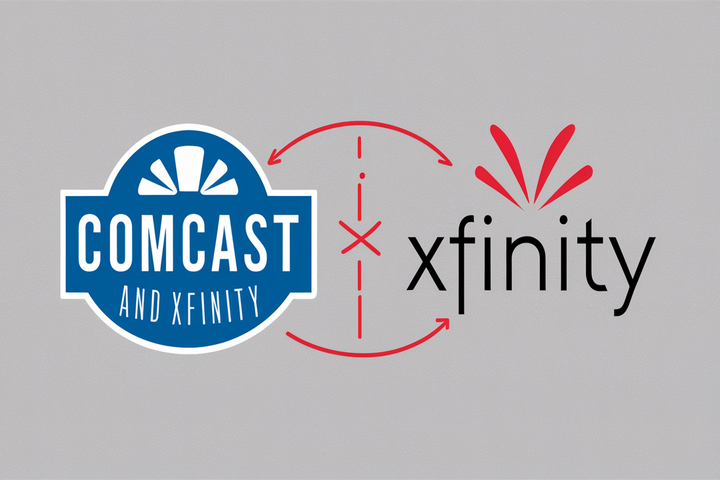
The confusion between Comcast and Xfinity is widespread, and for good reason. Many consumers encounter the "Xfinity" brand daily for their internet, TV, and phone services, yet the company behind it is officially named Comcast. This section aims to demystify this relationship, establishing that Xfinity is not a separate company but rather the consumer-facing brand of Comcast Corporation. Understanding this distinction is the first step in navigating your service provider's offerings and understanding their corporate structure.
The Brand Strategy
Comcast Corporation, a global leader in media and technology, strategically developed the Xfinity brand to unify its diverse consumer services under a single, recognizable identity. This branding initiative, launched in 2010, aimed to simplify the customer experience and create a more modern, appealing image for its telecommunications products. Before Xfinity, Comcast's services were often marketed under various regional names or simply as "Comcast Cable." The introduction of Xfinity represented a significant shift towards a unified brand that could resonate across its vast service footprint.
What Does Xfinity Represent?
Xfinity, therefore, represents the consumer division of Comcast. When you sign up for internet, television, or voice services, you are interacting with the Xfinity brand. This includes everything from the website you visit to the technician who installs your service, and the customer service representative you speak with. The Xfinity name is associated with the products and services delivered directly to households and small businesses. This branding allows Comcast to present a cohesive and accessible face to its millions of customers, distinct from its broader corporate identity which also encompasses NBCUniversal.
A Look Back: The Evolution of Comcast and Xfinity
To fully grasp the Comcast-Xfinity relationship, a brief historical overview is beneficial. Comcast's journey from a small cable operator to a telecommunications giant is a story of strategic acquisitions and organic growth. The evolution of its branding reflects its expanding services and market presence.
Origins of Comcast
Comcast Corporation was founded in 1963 by Ralph J. Roberts, Daniel Aaron, and Julian Brodsky. They acquired American Cable Systems, a small cable television company in Tupelo, Mississippi, with just 1,200 subscribers. Over the subsequent decades, Comcast grew through a series of mergers and acquisitions, gradually expanding its reach across the United States. Key acquisitions included MetroVision in 1988 and American Cellular Communications in 1997, which laid the groundwork for its expansion into broader telecommunications services.
The Birth of Xfinity
The decision to create the Xfinity brand was a pivotal moment. In 2010, Comcast announced the rebranding of its cable, internet, and phone services under the Xfinity name. This move was driven by a desire to create a more unified and customer-centric brand identity. The name "Xfinity" was chosen to evoke a sense of "infinity" and "communication," aiming to position the company as a provider of limitless connectivity and entertainment. This rebranding effort was a significant undertaking, involving changes to marketing, customer service, and product packaging across the company's vast network.
Strategic Acquisitions and Expansion
Comcast's growth has been significantly fueled by strategic acquisitions. The acquisition of AT&T Broadband in 2002 was a transformative event, nearly doubling Comcast's cable subscriber base and making it the largest cable operator in the United States. More recently, Comcast acquired NBCUniversal in 2011, which broadened its scope into media and entertainment, including television networks, film studios, and theme parks. While NBCUniversal operates under its own distinct brand, it is owned by the same parent company, Comcast Corporation. The Xfinity brand, however, remains exclusively tied to the delivery of internet, TV, voice, and home security services to consumers.
The Corporate Structure: One Company, Two Brands
Understanding the corporate structure is key to clarifying the Comcast-Xfinity relationship. Comcast Corporation is the parent company, and Xfinity is its primary consumer brand for telecommunications services. This structure allows for a clear distinction between the corporate entity and the customer-facing services.
Comcast Corporation: The Parent Company
Comcast Corporation is a diversified global media and technology company. Its operations are broadly divided into two main segments: Cable Communications (operating under the Xfinity brand) and NBCUniversal. Cable Communications focuses on providing high-speed internet, video, voice, and wireless services to residential and business customers. NBCUniversal is involved in producing and distributing television content, feature films, theme parks, and other entertainment properties. Therefore, when you hear "Comcast," it can refer to the entire corporation, including its media holdings, or, in some contexts, specifically to the legacy cable business that is now largely represented by the Xfinity brand.
Xfinity: The Consumer Brand
Xfinity is the brand under which Comcast delivers its telecommunications services directly to consumers. This includes Xfinity Internet, Xfinity TV, Xfinity Voice, and Xfinity Home. The Xfinity brand was created to offer a more unified and modern customer experience, moving away from the often-perceived regional fragmentation of the Comcast name. When you pay your bill, interact with customer support, or see advertisements for internet speeds or TV packages, you are engaging with the Xfinity brand. This branding strategy aims to simplify the customer journey and create a consistent perception of quality and service across all its consumer offerings.
Why the Dual Branding?
The dual-branding approach serves several strategic purposes. Firstly, it allows Comcast to maintain its corporate identity while presenting a more approachable and consumer-friendly face through Xfinity. Secondly, it helps to differentiate its core telecommunications business from its media and entertainment arm, NBCUniversal. This separation is important for marketing and investor relations, as each segment has distinct market dynamics and growth strategies. For consumers, it means that while they are technically customers of Comcast Corporation, their direct interactions and service offerings are managed under the Xfinity umbrella.
What Services Do They Offer? A Comprehensive Overview
Comcast, through its Xfinity brand, offers a wide array of services designed to meet the diverse needs of modern households. These services span internet connectivity, entertainment, communication, and home security, often bundled together for convenience and cost savings.
Internet Connectivity
Xfinity Internet is one of the most recognized broadband services in the United States. It offers a range of speed tiers to cater to different usage patterns, from basic web browsing to heavy streaming and online gaming. The service is delivered via a hybrid fiber-coaxial cable network, providing high-speed access to millions of homes. Xfinity also provides public Wi-Fi hotspots across its service areas, allowing subscribers to connect even when away from home.
Video Entertainment
Xfinity TV provides a comprehensive television viewing experience. This includes traditional cable TV packages with a vast selection of channels, on-demand content, and DVR services. Beyond traditional cable, Xfinity has also embraced the streaming revolution, offering its own streaming platform and integrating with popular third-party streaming apps. This allows customers to access a wide range of content through a single interface.
Voice Communication
Xfinity Voice offers home phone services, providing unlimited local and long-distance calling in the U.S., Canada, and Mexico. It often includes features like voicemail, caller ID, call waiting, and the ability to manage calls through a mobile app. This service is typically offered as part of a bundle with internet and TV, providing a consolidated communication solution.
Home Security and Automation
Xfinity Home provides a range of home security and automation solutions. These services include professional installation of security systems, 24/7 professional monitoring, smart home devices such as thermostats, lighting, and door locks, and remote access and control via the Xfinity Home app. This integrated approach aims to offer peace of mind and convenience to homeowners.
Mobile Services
In recent years, Comcast has also ventured into the mobile phone market with Xfinity Mobile. This service operates as a Mobile Virtual Network Operator (MVNO), utilizing Verizon's network. Xfinity Mobile offers flexible data plans, including unlimited data options and pay-as-you-go data, often at competitive prices for existing Xfinity internet customers. This allows customers to consolidate their home and mobile services with a single provider.
Internet Services: Speed, Reliability, and Options
Xfinity Internet is a cornerstone of Comcast's consumer offerings. The company consistently ranks among the top providers for internet speed and coverage, though user experiences can vary by region. Understanding the different tiers and technologies is crucial for selecting the right plan.
Speed Tiers and Plans (2025-26)
As of 2025-26, Xfinity offers a wide spectrum of internet speeds. Entry-level plans, often marketed for basic browsing and email, typically start around 50-100 Mbps download speeds. Mid-tier plans, suitable for families and moderate streaming, range from 200 Mbps to 400 Mbps. For power users, gamers, and households with multiple devices streaming high-definition content simultaneously, Xfinity offers gigabit-speed plans, reaching up to 1.2 Gbps or even higher in some areas. These plans are designed to accommodate the increasing demand for bandwidth driven by video conferencing, online gaming, and immersive digital experiences.
Key features often include:
- Download Speeds: Ranging from 50 Mbps to over 1200 Mbps.
- Upload Speeds: Typically lower than download speeds, but improving with network upgrades.
- Data Caps: Most plans have a data cap, often around 1.2 TB per month. Overage charges apply if exceeded, though unlimited data options are available for an additional fee or with certain higher-tier plans.
- Wi-Fi Equipment: Xfinity provides a modem/router (often called a gateway) for rent, which includes Wi-Fi capabilities.
Network Technology
Xfinity primarily utilizes a Hybrid Fiber-Coaxial (HFC) network. This means that fiber optic cables run to neighborhood nodes, and then coaxial cables connect those nodes to individual homes. This technology allows for high bandwidth and speeds, making it competitive with fiber-to-the-home (FTTH) services in many areas. Comcast is continuously investing in its network, upgrading to DOCSIS 3.1 and preparing for DOCSIS 4.0, which promises even higher speeds and lower latency.
Reliability and Performance
Reliability is a critical factor for internet users. Xfinity generally offers good uptime, but performance can be affected by local network congestion, especially during peak hours. Factors like the quality of the in-home wiring, the customer's own equipment, and the specific network infrastructure in their neighborhood can all play a role. Independent tests and customer reviews for 2025-26 indicate that while Xfinity provides robust speeds, some users report occasional fluctuations in performance, particularly in densely populated areas. For critical applications, ensuring a stable connection through proper equipment and potentially higher-tier plans is advisable.
Competitor Comparison (2025-26)
In the competitive landscape of 2025-26, Xfinity faces strong competition from pure fiber providers like Verizon Fios, AT&T Fiber, and Google Fiber, as well as other cable companies and fixed wireless providers. Fiber optic services generally offer superior upload speeds and more consistent performance, especially for latency-sensitive applications. However, Xfinity often boasts wider availability and competitive pricing, particularly when bundled with other services. For many consumers, Xfinity remains the most viable or cost-effective high-speed internet option.
TV Services: From Cable to Streaming
Xfinity TV has evolved significantly, moving beyond traditional cable packages to embrace a more flexible, integrated entertainment experience that includes streaming and on-demand content.
Traditional Cable Packages
Xfinity offers a range of cable TV packages, from basic plans with local channels to comprehensive bundles with hundreds of channels covering sports, movies, news, and entertainment. These packages include access to live TV, DVR services (like Xfinity X1), and a vast library of on-demand content. The Xfinity X1 platform is a notable feature, offering a unified interface for live TV, DVR recordings, streaming apps, and on-demand titles, controlled via voice commands.
Streaming Options
Recognizing the shift towards streaming, Xfinity has integrated numerous popular streaming services into its platform. Subscribers can access apps like Netflix, Hulu, Amazon Prime Video, Disney+, and others directly through their Xfinity TV box. This allows for a seamless viewing experience, consolidating entertainment options in one place. Additionally, Xfinity offers its own streaming service, Peacock, which is often included or offered at a discount with certain TV packages.
On-Demand Library
Xfinity boasts one of the largest on-demand libraries in the industry, with thousands of movies and TV shows available to stream at no extra cost with qualifying subscriptions. This includes recent releases, classic films, and popular TV series, providing flexibility for viewers who prefer to watch content on their own schedule.
Flex and Stream Packages
For customers who primarily use streaming services and want a more affordable TV solution, Xfinity offers services like Xfinity Flex. Flex is a 4K streaming TV box that provides free access to all your subscribed streaming apps and Xfinity's on-demand library, but without live linear TV channels. This is an excellent option for cord-cutters who still want a unified streaming experience. Xfinity also offers streamlined streaming-only TV packages that provide a curated selection of popular channels for those seeking a lighter alternative to traditional cable.
Phone Services: Staying Connected
Xfinity Voice provides traditional landline telephone services, often bundled with internet and TV packages. While the demand for landlines has decreased with the rise of mobile phones, Xfinity Voice remains a viable option for many households seeking reliable communication.
Features and Benefits
Xfinity Voice typically offers unlimited local and long-distance calling within the U.S., Canada, and Mexico. Key features often include:
- Voicemail and voicemail-to-email transcription.
- Caller ID and call waiting.
- Call forwarding and selective call rejection.
- Three-way calling.
- The ability to manage call settings and view call history via the Xfinity app.
This service is particularly beneficial for families or individuals who rely on a landline for regular communication, emergency services (like 911), or who want a backup communication method in case of mobile network outages.
VoIP Technology
Xfinity Voice operates using Voice over Internet Protocol (VoIP) technology. This means that phone calls are transmitted over the internet connection provided by Xfinity. Consequently, the quality and reliability of Xfinity Voice are directly linked to the stability of your Xfinity internet service. If your internet connection is down, your home phone service may also be affected.
International Calling Options
For customers who frequently make international calls, Xfinity Voice offers various international calling plans. These plans can provide discounted rates or unlimited calling to specific countries, making it more affordable to stay connected with friends and family abroad.
Bundle Options: Maximizing Value
One of the most attractive aspects of choosing Xfinity is the availability of bundled service packages. Bundling internet, TV, and phone services can lead to significant cost savings and simplify billing.
The Benefits of Bundling
Bundling services with Xfinity offers several advantages:
- Cost Savings: Typically, purchasing services individually is more expensive than buying them as a package. Bundles often come with discounted pricing.
- Simplified Billing: A single bill for all your services makes managing your household expenses easier.
- Convenience: Having all your services from one provider can streamline customer service interactions and installations.
- Exclusive Offers: Bundled customers may gain access to special promotions, faster speeds, or premium channel packages.
Common Bundle Configurations
Xfinity offers various bundle configurations, often referred to as "Triple Play" (Internet, TV, Voice) or "Double Play" (Internet and TV, or Internet and Voice). The specific packages and pricing vary by region and current promotions. For example, a popular bundle might include:
- Internet: A mid-tier speed plan (e.g., 300 Mbps).
- TV: A popular TV package with a good selection of channels and DVR.
- Voice: Unlimited local and long-distance calling.
In 2025-26, Xfinity is also emphasizing bundles that include their mobile service, offering further integration and potential discounts for customers who consolidate all their communication and entertainment needs.
Evaluating Bundle Deals
When considering an Xfinity bundle, it's crucial to evaluate your actual needs. Ensure that the speed, channel selection, and features included in the bundle align with your household's usage. Compare the bundled price against the cost of purchasing services separately or from different providers. Pay close attention to contract terms, potential price increases after promotional periods, and any hidden fees.
Customer Experience and Support
The customer experience with Xfinity (and by extension, Comcast) is a frequently discussed topic. While many customers are satisfied, others report challenges with service quality, billing, and support.
Channels of Support
Xfinity provides customer support through multiple channels:
- Online Resources: A comprehensive website with FAQs, troubleshooting guides, and account management tools.
- Mobile App: The Xfinity app allows users to manage their account, pay bills, troubleshoot issues, and even restart their modem remotely.
- Phone Support: Customer service representatives are available by phone for assistance with billing, technical issues, and service changes.
- In-Person: Xfinity retail stores and service centers are available in many areas for in-person assistance.
- Social Media: Xfinity has a presence on social media platforms where they offer support.
Common Customer Feedback
Customer feedback for Xfinity in 2025-26 often highlights both positives and negatives. Many customers praise the high-speed internet and the extensive channel options available with Xfinity TV. The Xfinity X1 platform is frequently cited as a user-friendly and advanced system. However, common complaints revolve around:
- Billing Issues: Inconsistent billing, unexpected charges, and difficulty understanding complex statements are recurring themes.
- Customer Service Wait Times: Long hold times when calling customer support can be frustrating.
- Technician Visits: While many installations and repairs go smoothly, some customers report issues with appointment scheduling, technician punctuality, or the effectiveness of repairs.
- Data Caps: The imposition of data caps on most internet plans is a point of contention for heavy internet users.
Comcast has been investing in improving its customer service, but experiences can vary significantly by region and individual interaction.
Strategies for a Better Experience
To ensure a smoother experience with Xfinity:
- Read the Fine Print: Thoroughly review all contract terms, especially regarding pricing after promotional periods and data usage policies.
- Utilize Online Tools: The Xfinity app and website are powerful resources for self-service and troubleshooting.
- Be Prepared for Calls: When calling support, have your account information ready and clearly articulate your issue.
- Document Everything: Keep records of conversations, dates, times, and names of representatives you speak with.
- Consider Equipment Options: While renting an Xfinity gateway is convenient, purchasing a compatible modem and router can sometimes be more cost-effective in the long run and offer better performance.
Regional Differences and Service Availability
Comcast's service footprint is extensive, covering a significant portion of the United States. However, the specific services, speeds, and pricing can vary considerably from one region to another.
Coverage Map
Xfinity services are available in 40 states and the District of Columbia. Their network primarily serves urban and suburban areas, though they also have a presence in some rural communities. The availability of specific services, such as gigabit internet speeds or Xfinity Home, can be more limited in certain locations. It is essential to check for service availability at your specific address on the Xfinity website.
Impact of Local Infrastructure
The quality and performance of Xfinity services are heavily influenced by the local infrastructure. In areas where Comcast has invested heavily in network upgrades (e.g., deploying DOCSIS 3.1 or preparing for DOCSIS 4.0), customers are more likely to experience higher speeds and greater reliability. Conversely, in older or less-invested areas, performance might be more inconsistent. This is a common characteristic of cable internet providers, whose services are delivered through a shared network infrastructure.
Competition and Pricing
Pricing for Xfinity services can also be influenced by the level of competition in a given market. In areas with strong competition from fiber providers or other cable companies, Xfinity may offer more aggressive pricing and promotions to attract and retain customers. In areas where Xfinity is the dominant or only high-speed internet provider, prices might be higher, and promotional offers less frequent.
Understanding Your Specific Plan
It is crucial for consumers to understand the specifics of the plan available at their address. Visiting the official Xfinity website and entering your address will provide accurate information on available internet speeds, TV packages, and pricing for your location. This is the most reliable way to determine what services you can access and at what cost.
Future Outlook: Innovations and Trends (2025-26)
Comcast, through its Xfinity brand, is continuously innovating to stay ahead in the rapidly evolving telecommunications and media landscape. The focus in 2025-26 is on expanding network capabilities, enhancing the customer experience, and integrating new technologies.
Network Advancements
Comcast is actively deploying DOCSIS 4.0 technology, which promises multi-gigabit symmetrical speeds (meaning equal download and upload speeds). This advancement is crucial for supporting bandwidth-intensive applications like virtual reality, augmented reality, and advanced cloud computing. Continued investment in fiber deeper into the network will also enhance capacity and reduce latency. By 2025-26, expect to see wider availability of these multi-gigabit services.
AI and Automation
Artificial intelligence (AI) and automation are playing an increasingly significant role in Xfinity's operations. AI is being used to enhance customer service through chatbots and intelligent routing, predict and prevent network issues, and personalize customer experiences. Automation is streamlining network management and service delivery, aiming to improve efficiency and reduce response times.
Seamless Connectivity
The trend towards seamless connectivity across devices and environments will continue. Xfinity is focusing on improving its Wi-Fi offerings, including mesh networking solutions and expanding its public Wi-Fi footprint. The integration of Xfinity Mobile with home services also points towards a future where consumers expect a unified and effortless connectivity experience, whether at home, on the go, or in public spaces.
Content and Entertainment Integration
Comcast's ownership of NBCUniversal positions it uniquely to integrate content and connectivity. Expect further enhancements to the Xfinity platform, offering more personalized content recommendations, deeper integration with streaming services, and potentially new forms of interactive entertainment. The company is also exploring the potential of Web3 technologies and the metaverse, though their mainstream adoption by 2025-26 remains to be seen.
Making the Right Choice: Identifying Your Provider
For many consumers, the question of whether they have Comcast or Xfinity is simply a matter of recognizing the brand they interact with daily. However, understanding the underlying corporate structure can be helpful for clarity and for navigating potential issues.
How to Identify Your Provider
If you are an existing customer and are unsure whether you are dealing with Comcast or Xfinity, look at your bill. Your monthly statement will clearly indicate the provider's name, which will be Xfinity for your internet, TV, and phone services. Similarly, any customer service interactions, technician visits, or equipment provided will be branded as Xfinity. The Comcast name typically refers to the parent corporation or its business-to-business services.
Comparing Options for New Customers
When choosing a new internet, TV, or phone provider, it's essential to research all available options in your area. Consider factors such as:
- Speed and Performance: Does the service meet your household's needs?
- Pricing: What is the introductory rate, and what is the price after the promotional period? Are there hidden fees?
- Bundling: Can you save money by bundling services?
- Contract Terms: Is there a contract, and what are the early termination fees?
- Customer Reviews: What do other customers in your area say about the service and support?
- Data Caps: Are there data limits, and what are the overage charges?
- Equipment Costs: What are the fees for modems, routers, and TV boxes?
By thoroughly evaluating these factors, you can make an informed decision that best suits your budget and requirements, whether you ultimately choose Xfinity or another provider.
In conclusion, while the names Comcast and Xfinity often cause confusion, they are intrinsically linked. Comcast Corporation is the parent company, and Xfinity is its primary consumer brand for telecommunications services like internet, TV, and phone. Understanding this relationship empowers consumers to better navigate their service agreements, customer support interactions, and the overall offerings from this major provider. By staying informed about the services, pricing, and available technologies, you can ensure you are getting the best value and performance for your connectivity and entertainment needs.