Is CenturyLink the Same as Quantum Fiber? Complete Explanation for Customers
Understanding the relationship between CenturyLink and Quantum Fiber is crucial for many internet users. This guide provides a complete explanation, clarifying whether they are the same, their distinctions, and what this means for your service, ensuring you make informed decisions about your connectivity in 2025.
Understanding the CenturyLink and Quantum Fiber Connection
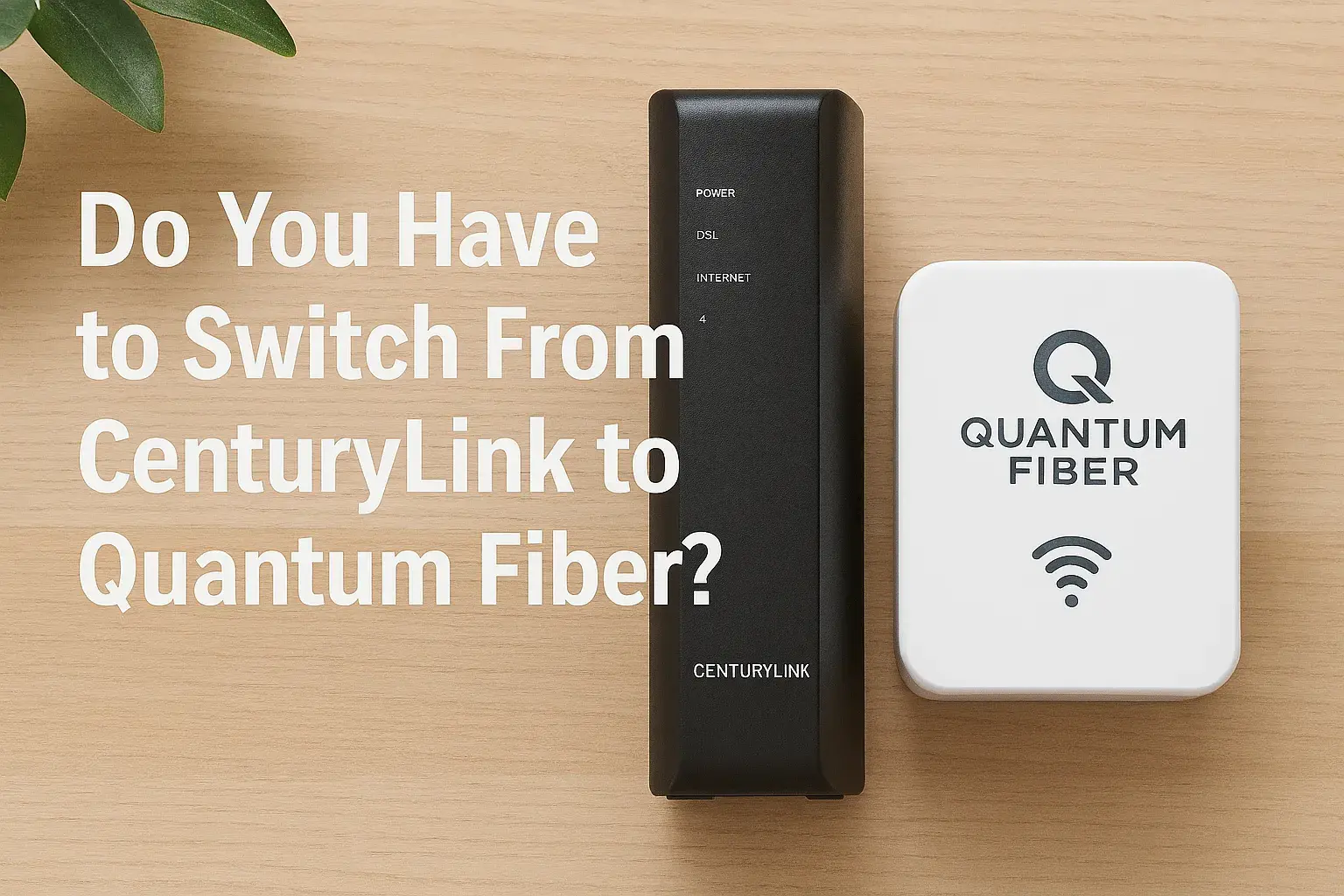
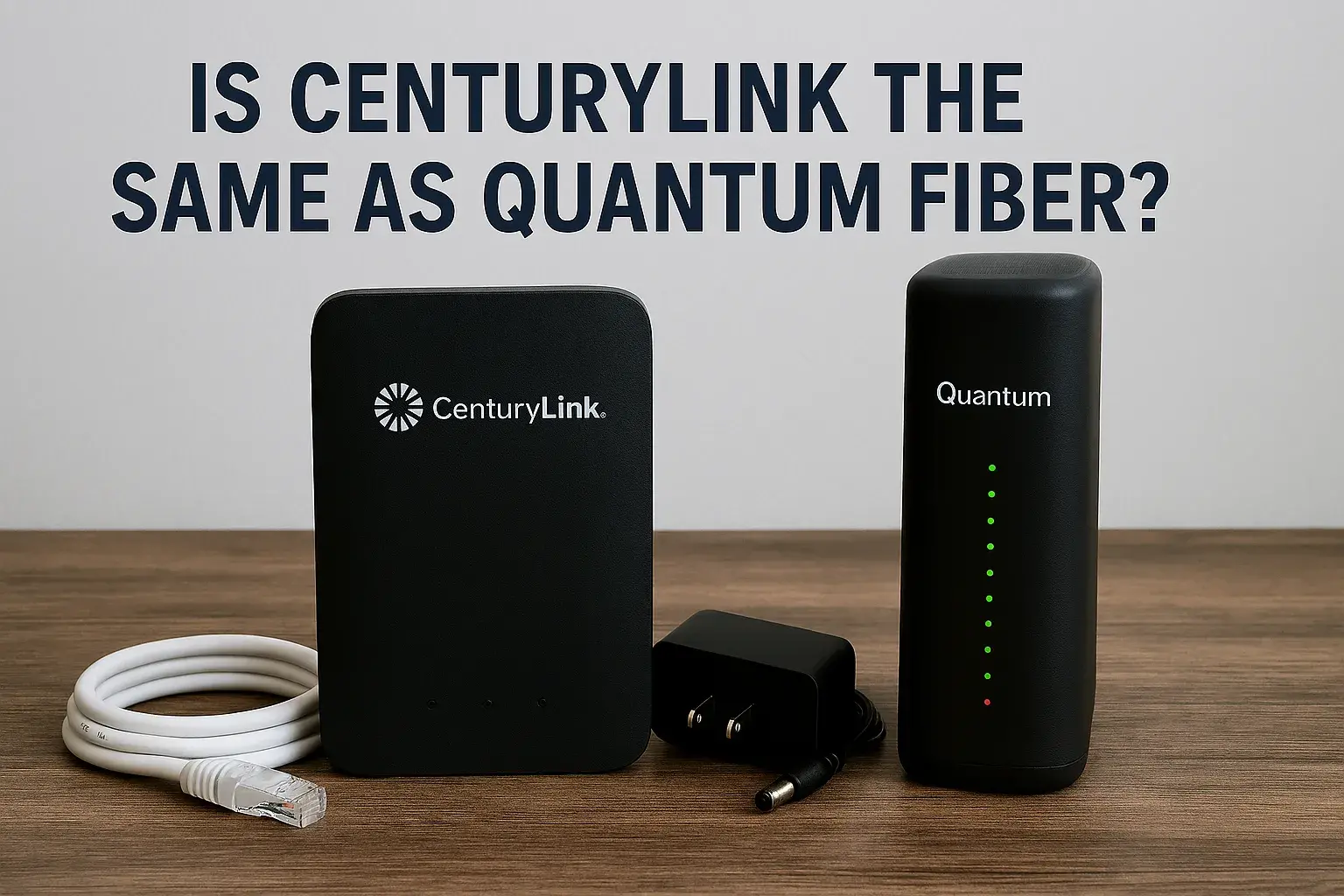
The question, "Is CenturyLink the same as Quantum Fiber?" is a common one, and the answer isn't a simple yes or no. For many consumers, the transition and branding can be confusing. Essentially, Quantum Fiber is the next-generation fiber-optic internet service brand launched by Lumen Technologies, the parent company of CenturyLink. While they share a common corporate lineage, they represent different technological approaches and service offerings. CenturyLink, historically, has offered a mix of DSL and some fiber-to-the-home (FTTH) services. Quantum Fiber, on the other hand, is exclusively a full-fiber optic network designed for superior speed, reliability, and future-proofing. This distinction is critical for understanding the capabilities and limitations of each service. As internet demands continue to surge in 2025, the difference between these two brands becomes increasingly significant for users seeking the best possible online experience. This comprehensive guide will break down the relationship, highlight key differences, and help you determine which service, or if a transition, is right for you.
A Look Back: The Evolution from CenturyLink to Quantum Fiber
To truly grasp the relationship between CenturyLink and Quantum Fiber, a brief historical overview is essential. CenturyLink, a telecommunications giant, has a long history of providing internet and phone services across the United States. For decades, its primary internet technology was Digital Subscriber Line (DSL), which uses existing copper telephone lines to deliver internet access. While DSL was a significant advancement in its time, its speed and capacity are inherently limited by the distance from the telephone company's central office and the quality of the copper wiring.
Recognizing the limitations of DSL and the growing demand for faster, more reliable internet, CenturyLink began investing in fiber optic technology. This involved laying new fiber optic cables, which offer significantly higher bandwidth and lower latency than copper. However, the rollout of full fiber was a gradual and geographically dependent process. In many areas, CenturyLink continued to offer a hybrid service, often referred to as Fiber-to-the-Premises (FTTP) or Fiber-to-the-Home (FTTH), where fiber optic cables were run to a neighborhood or a local node, and then copper lines were used for the final connection to the home. This provided an improvement over pure DSL but still didn't match the full potential of a pure fiber network.
The launch of Quantum Fiber by Lumen Technologies (which rebranded from CenturyLink in 2020, though the CenturyLink brand for residential services persisted) marked a strategic shift. Quantum Fiber is designed from the ground up as a pure fiber-optic network. This means that fiber optic cables are run directly to each home, eliminating the bottlenecks associated with copper infrastructure. This initiative is part of a broader industry trend towards ubiquitous fiber deployment, driven by the increasing bandwidth needs for streaming, gaming, remote work, and smart home technologies. Quantum Fiber represents Lumen's commitment to providing cutting-edge internet connectivity, focusing on speed, capacity, and a seamless digital experience. While the CenturyLink brand still exists and continues to serve customers, Quantum Fiber is positioned as the premium, next-generation offering.
The Core Distinctions: What Sets Them Apart?
The fundamental difference between CenturyLink and Quantum Fiber lies in their underlying infrastructure and the resulting service capabilities. While both are part of the Lumen Technologies family, they are not interchangeable services. Understanding these distinctions is key to selecting the right internet solution for your needs.
Infrastructure: Fiber vs. Hybrid
This is the most significant differentiator.
- Quantum Fiber: Exclusively utilizes a 100% fiber optic network. This means that fiber optic cables run directly from the provider's point of presence all the way to your home. This "fiber-to-the-home" (FTTH) architecture is the gold standard for internet connectivity, offering unparalleled speed, capacity, and reliability.
- CenturyLink: Offers a mix of services. In many areas, CenturyLink still relies on Digital Subscriber Line (DSL) technology, which uses existing copper telephone lines. While some CenturyLink customers may have access to a hybrid fiber-coaxial (HFC) or fiber-to-the-node (FTTN) service, where fiber runs to a local cabinet and then copper connects to the home, it is not the same as a full FTTH deployment.
Speed and Performance
The infrastructure directly impacts performance.
- Quantum Fiber: Designed to deliver symmetrical gigabit speeds (up to 1 Gbps download and 1 Gbps upload) and is built to support even higher speeds in the future. The pure fiber optic connection minimizes latency and jitter, making it ideal for demanding applications like online gaming, high-definition video conferencing, and streaming multiple 4K/8K videos simultaneously.
- CenturyLink: DSL speeds vary significantly depending on distance from the central office and line quality. Typical DSL speeds might range from 10 Mbps to 100 Mbps download, with significantly slower upload speeds (often less than 1 Mbps). Even their hybrid fiber offerings, while faster than DSL, may not reach the symmetrical gigabit speeds consistently offered by Quantum Fiber.
Reliability and Latency
Fiber optics are inherently more robust.
- Quantum Fiber: Fiber optic cables are less susceptible to electromagnetic interference, weather conditions, and signal degradation over distance compared to copper. This results in a more stable and reliable connection with lower latency (the delay in data transmission), which is crucial for real-time applications.
- CenturyLink: DSL connections can be affected by factors like distance from the exchange, the condition of copper lines, and electrical interference, leading to more frequent fluctuations in speed and reliability. Higher latency is also a common characteristic of DSL.
Future-Proofing
The technology's capacity for growth.
- Quantum Fiber: A 100% fiber network is inherently future-proof. It has the capacity to handle increasing bandwidth demands for years to come without requiring significant infrastructure overhauls. It's designed to easily accommodate multi-gigabit speeds as technology advances.
- CenturyLink: While Lumen continues to upgrade its network, the reliance on legacy copper infrastructure for many CenturyLink services limits its long-term scalability compared to a pure fiber build-out.
Technology Under the Hood: Fiber vs. Hybrid Networks
The technological underpinnings of Quantum Fiber and the traditional CenturyLink services are fundamentally different, leading to vastly different user experiences. Let's delve deeper into what this means.
Quantum Fiber: The Pure Fiber Advantage
Quantum Fiber is built on the principle of "fiber-to-the-home" (FTTH). This means that a dedicated strand of fiber optic cable is run from the internet service provider's (ISP) central office or local distribution hub directly to your residence.
- How Fiber Optics Work: Fiber optic cables transmit data as pulses of light through thin strands of glass or plastic. Light signals travel at incredible speeds with minimal loss of signal strength over long distances. This allows for extremely high bandwidth and low latency.
- Symmetrical Speeds: A key benefit of FTTH is the ability to offer symmetrical upload and download speeds. This means your upload speed is as fast as your download speed. For example, a 1 Gbps Quantum Fiber plan provides 1 Gbps for downloading content (like streaming movies) and 1 Gbps for uploading content (like sending large files or video conferencing). This is a game-changer for productivity and modern internet usage.
- Immunity to Interference: Unlike copper cables, fiber optic cables are not affected by electromagnetic interference (EMI) or radio frequency interference (RFI). This means your connection is less prone to disruptions from household appliances, power lines, or even severe weather.
- Scalability: The physical capacity of fiber optic cables is immense. As technology evolves and demand for bandwidth increases, ISPs can upgrade the equipment at either end of the fiber optic cable to deliver higher speeds without needing to replace the physical cables themselves. This makes Quantum Fiber a truly future-proof investment.
CenturyLink: The Legacy and Hybrid Approach
CenturyLink's service offerings are more diverse and often depend on the existing infrastructure in a particular area.
- Digital Subscriber Line (DSL): This is the most common legacy technology associated with CenturyLink. DSL uses the existing copper telephone lines to transmit data. The internet signal is transmitted over a different frequency range than voice calls, allowing for simultaneous internet and phone usage.
- Limitations of DSL: The primary limitation of DSL is its dependence on distance. The further your home is from the telephone company's central office (or digital subscriber line access multiplexer - DSLAM), the slower your internet speeds will be. Copper wires degrade signal strength over distance, leading to significant speed drops. Upload speeds are also dramatically lower than download speeds, often by a factor of 10 or more.
- Speed Variability: DSL speeds can fluctuate due to line quality, interference, and the number of users sharing the same network infrastructure in a local area.
- Hybrid Fiber-Coaxial (HFC) / Fiber-to-the-Node (FTTN): In some areas where CenturyLink has invested in upgrades, customers might receive a hybrid service. This typically involves fiber optic cables running from the central office to a neighborhood node, and then coaxial cable (similar to what cable TV uses) or copper phone lines making the final connection to individual homes.
- Improved, but Not Full Fiber: This hybrid approach offers better speeds and reliability than pure DSL because the longest segment of the connection is fiber. However, the final leg of copper or coaxial cable can still be a bottleneck, limiting the maximum achievable speeds and introducing some of the same vulnerabilities as copper-based technologies.
In essence, while CenturyLink might offer internet services to your home, the underlying technology dictates its performance. Quantum Fiber represents Lumen's commitment to deploying the most advanced, all-fiber infrastructure, offering a superior and more future-ready internet experience.
Where Can You Find Them? Service Area Overlap and Expansion
The geographical availability of Quantum Fiber and CenturyLink services is a critical factor for consumers. Understanding where each is deployed, and how their service areas interact, is crucial for making an informed decision.
Quantum Fiber's Strategic Rollout
Quantum Fiber is Lumen Technologies' dedicated initiative to build out a state-of-the-art, 100% fiber optic network. This rollout is not happening everywhere simultaneously. Lumen is strategically targeting specific markets and communities for Quantum Fiber deployment.
- Targeted Expansion: Quantum Fiber's expansion is focused on areas where Lumen sees a strong demand for high-speed internet and where building new, dedicated fiber infrastructure is most feasible. This often includes suburban areas and some urban neighborhoods that may have been underserved by previous fiber deployments.
- New Builds and Upgrades: The deployment involves both building new fiber lines in previously unconnected areas and upgrading existing infrastructure in select locations to full fiber. This is a significant investment, and as such, it's a phased approach.
- Availability Checker is Key: The best way to determine if Quantum Fiber is available at a specific address is to use the availability checker tool on the Quantum Fiber website. This tool is updated regularly as new areas come online.
CenturyLink's Extensive Reach
CenturyLink, as the established brand, has a much broader service footprint across the United States. Its legacy infrastructure, particularly copper phone lines, allows it to offer some form of internet service in many rural and suburban areas where deploying new fiber might be economically challenging.
- Ubiquitous DSL: Due to the extensive network of copper telephone lines, CenturyLink's DSL service is available in a vast number of locations, often in areas where other high-speed providers do not operate.
- Hybrid Fiber Presence: In select areas, CenturyLink also offers its hybrid fiber services, which represent an upgrade over pure DSL but are not the same as Quantum Fiber's FTTH.
- Brand Coexistence: It's important to note that in many areas, both CenturyLink and Quantum Fiber services may be offered by Lumen Technologies. However, the specific address will determine which technology and brand is available. You might live in an area where CenturyLink DSL is the only option, while a neighboring town might have access to Quantum Fiber.
Overlap and Transition
The relationship between the two service areas can be complex:
- Areas Undergoing Transition: As Lumen invests in fiber, some areas that previously only had CenturyLink DSL may be upgraded to Quantum Fiber. In these instances, existing CenturyLink customers might be offered the opportunity to switch to Quantum Fiber.
- Distinct Offerings: Even within the same town or city, different neighborhoods might have access to different services. One street might be connected via Quantum Fiber, while another might still be served by CenturyLink DSL or hybrid fiber.
- Future Outlook: Lumen's stated goal is to expand its fiber footprint significantly with Quantum Fiber. This means that over time, the availability of Quantum Fiber is expected to grow, potentially replacing or supplementing older CenturyLink infrastructure in more locations.
For the most accurate information regarding availability at your specific address, always consult the official service availability tools provided by Quantum Fiber and CenturyLink.
Comparing Internet Plans and Pricing in 2025
When considering internet providers, plans and pricing are often the most significant deciding factors. In 2025, the offerings from Quantum Fiber and CenturyLink reflect their technological differences and target markets. It's important to understand that pricing can vary significantly based on location, promotions, and the specific plan chosen.
Quantum Fiber Plans and Pricing (2025)
Quantum Fiber positions itself as a premium, high-performance internet service. Its plans are designed to leverage the capabilities of its 100% fiber optic network.
- Speed Tiers: Quantum Fiber typically offers a few key speed tiers, with a strong emphasis on gigabit speeds. Common plans might include:
- 300 Mbps: A solid speed for most households, capable of handling multiple devices, streaming, and general web browsing.
- 500 Mbps: An excellent option for larger households or those with more demanding internet usage.
- 1 Gbps (1000 Mbps): The flagship offering, providing symmetrical speeds (1 Gbps download and 1 Gbps upload). This is ideal for power users, gamers, content creators, and households with very high bandwidth needs.
- Pricing Structure: Quantum Fiber plans often feature transparent, no-contract pricing. This means the advertised price is typically what you pay, without hidden fees or long-term commitments. In 2025, you might expect to see pricing for Quantum Fiber plans ranging from approximately $65 to $90 per month for gigabit speeds, depending on introductory offers and specific market conditions.
- Included Equipment: Plans usually include a high-performance Wi-Fi router/modem, often with Wi-Fi 6 capabilities, to ensure optimal performance throughout the home.
- Focus on Value: While Quantum Fiber might appear more expensive than some DSL plans, its pricing reflects the superior technology, symmetrical speeds, and reliability. The value proposition is in the performance and future-proofing it offers.
CenturyLink Plans and Pricing (2025)
CenturyLink's plans are more varied, reflecting the mix of DSL and hybrid fiber technologies it offers. Its pricing is often designed to be competitive, especially in areas where fiber is not yet available.
- Speed Tiers (DSL/Hybrid): CenturyLink's speed tiers are generally lower and more variable than Quantum Fiber's. Common offerings might include:
- DSL Plans: Speeds can range from 10 Mbps to 100 Mbps download, with significantly slower upload speeds (e.g., 1 Mbps to 5 Mbps). These are suitable for basic internet use like email, web browsing, and standard-definition streaming.
- Hybrid Fiber Plans: In areas with upgraded infrastructure, CenturyLink might offer speeds up to 500 Mbps or even 1 Gbps, though these are often not symmetrical and may still involve some copper or coaxial connection.
- Pricing Structure: CenturyLink's pricing can be more complex. They often offer introductory rates for a limited period (e.g., 12 months), after which the price increases significantly. Contracts may also be required for certain plans or promotional pricing. In 2025, DSL plans might start from around $50-$60 per month, with potential increases after promotional periods. Hybrid fiber plans could be priced similarly to Quantum Fiber's lower tiers, but with the caveat of non-symmetrical speeds.
- Equipment Costs: While some plans might include modem rental, others may charge a monthly fee for equipment, or require customers to purchase their own compatible modem.
- Focus on Affordability and Availability: CenturyLink's primary appeal is often its widespread availability, particularly in areas where high-speed options are scarce, and its competitive pricing, especially during promotional periods.
Key Considerations for 2025
- Symmetrical Speeds: If upload speed is important for video calls, online gaming, or uploading large files, Quantum Fiber's symmetrical gigabit speeds are a significant advantage.
- Contract vs. No Contract: Quantum Fiber's no-contract, transparent pricing is often preferred for its flexibility. CenturyLink's pricing can be attractive initially but requires careful attention to contract terms and potential price hikes.
- Actual Speeds: For DSL and hybrid services, actual speeds can vary greatly. Always check reviews and understand that advertised speeds are often "up to" and not guaranteed.
- Bundling: While this comparison focuses on internet, both providers may offer bundles with home phone or TV services, which can affect the overall cost.
Ultimately, the "better" plan depends on individual needs, budget, and most importantly, availability at your specific address. Always verify current plans and pricing directly on the providers' websites.
Navigating Customer Experience and Support
Beyond the technology and pricing, the customer experience and the quality of technical support are vital components of any internet service. The distinction between CenturyLink and Quantum Fiber can also extend to how customers interact with the company and receive assistance.
Quantum Fiber's Customer Approach
Quantum Fiber is designed to offer a modern, streamlined customer experience, reflecting its cutting-edge technology.
- Digital-First Engagement: Quantum Fiber emphasizes a digital-first approach. This means that account management, service requests, and troubleshooting are often handled through online portals, mobile apps, and self-service options. This aligns with the expectations of users who are comfortable managing their services online.
- Dedicated Fiber Support: Support teams for Quantum Fiber are typically trained specifically on fiber optic technology and its associated equipment. This can lead to more efficient and knowledgeable assistance for fiber-related issues.
- Installation Experience: The installation process for Quantum Fiber is typically handled by professional technicians who specialize in fiber deployment. The goal is to ensure a clean and efficient setup of the fiber optic connection and home networking equipment.
- Proactive Monitoring: As a new, advanced network, Quantum Fiber may incorporate more sophisticated network monitoring tools, potentially allowing for proactive identification and resolution of issues before they significantly impact the customer.
- Customer Service Channels: While digital channels are prioritized, customers can usually access phone support for urgent issues or complex queries. The focus is on providing responsive and competent service tailored to a fiber optic product.
CenturyLink's Customer Support Landscape
CenturyLink, as a long-standing provider, has a more established and diverse customer support infrastructure, which can sometimes lead to varied experiences.
- Broad Range of Technologies: CenturyLink supports a wide array of technologies (DSL, hybrid fiber, potentially others), meaning support staff need to be knowledgeable across a broader spectrum. This can sometimes lead to longer resolution times if an issue requires specialized expertise.
- Call Center Operations: Much of CenturyLink's customer support is handled through traditional call centers. While these centers aim to resolve issues efficiently, customer satisfaction can vary depending on the agent's expertise and the complexity of the problem.
- Self-Service Options: CenturyLink also offers online portals and FAQs for self-service, but these may not always be as integrated or advanced as the digital tools offered by Quantum Fiber.
- Installation and Maintenance: Technicians dispatched for CenturyLink services may be dealing with a mix of copper, coaxial, and fiber infrastructure, which can influence the nature of the service call.
- Customer Feedback: Reviews and feedback on CenturyLink's customer service can be mixed. Some customers report excellent support, while others experience challenges with wait times, issue resolution, or communication. This can be partly attributed to the scale of operations and the legacy infrastructure they manage.
Key Differences in Customer Experience
- Modern vs. Traditional: Quantum Fiber aims for a modern, tech-savvy customer experience, while CenturyLink's approach is more traditional, catering to a broader demographic with diverse technological needs.
- Specialization: Quantum Fiber support is specialized for fiber, potentially leading to quicker resolutions for fiber-specific problems. CenturyLink support needs to be more generalist.
- Digital Integration: Quantum Fiber's platforms are generally more integrated and user-friendly for digital natives.
- Brand Perception: As a newer, premium brand, Quantum Fiber often aims to set a higher standard for customer interaction and satisfaction, whereas CenturyLink's perception is shaped by its long history and diverse service offerings.
For users prioritizing a seamless, digital-first experience and highly specialized support for their internet connection, Quantum Fiber might offer a more appealing customer journey. For those who prefer traditional support channels or are in areas where only CenturyLink is available, understanding the potential variations in service is important.
What Does This Mean for Current CenturyLink Customers?
For individuals and households currently subscribed to CenturyLink internet services, the existence and expansion of Quantum Fiber can have several implications. It's not a situation where your service is automatically changing, but rather one where new opportunities and potential upgrades might arise.
No Automatic Transition
It's crucial to understand that if you are a current CenturyLink customer, your service will not automatically switch to Quantum Fiber. Lumen Technologies operates both brands, and your existing CenturyLink plan and infrastructure will remain in place unless you actively choose to upgrade or are in an area undergoing a specific network transition.
Potential for Upgrades
As Lumen continues to invest in its Quantum Fiber network, areas previously served only by CenturyLink DSL or hybrid fiber may be upgraded to full fiber. In such cases:
- Availability Notification: You might receive notifications from Lumen or Quantum Fiber indicating that high-speed fiber service is now available at your address.
- Opportunity to Switch: This presents an opportunity to upgrade from your current CenturyLink service to the significantly faster and more reliable Quantum Fiber. This switch would involve a new service agreement and potentially a technician visit to install the fiber connection.
- Benefits of Upgrading: The benefits of switching to Quantum Fiber for a current CenturyLink customer include access to much higher speeds (especially symmetrical upload speeds), improved reliability, lower latency, and a more future-proof connection. This can dramatically enhance experiences with streaming, gaming, remote work, and using multiple connected devices.
Evaluating Your Current Service
If you are a CenturyLink customer experiencing issues with your current service, such as slow speeds, frequent disconnections, or high latency, it's worth investigating whether Quantum Fiber is available at your address.
- Check Availability: Use the Quantum Fiber website's availability checker to see if fiber is an option for you.
- Compare Plans: If Quantum Fiber is available, compare its plans and pricing with your current CenturyLink plan. Consider the long-term value proposition of a superior fiber connection versus the cost savings of a legacy DSL plan.
- Understand Contract Terms: Review your current CenturyLink contract. If you are out of contract, switching might be simpler. If you are still under contract, understand any early termination fees that might apply.
When to Stick with CenturyLink
There are scenarios where remaining a CenturyLink customer might still be the best option:
- No Quantum Fiber Availability: If Quantum Fiber is not available at your address and there are no immediate plans for deployment, you will continue to use your existing CenturyLink service.
- Basic Needs Met: If your current CenturyLink DSL or hybrid service adequately meets your internet needs (e.g., basic web browsing, email, occasional SD streaming) and you are satisfied with the performance and cost, there might be no urgent need to switch, especially if Quantum Fiber is priced significantly higher.
- Budget Constraints: If budget is a primary concern and CenturyLink offers a more affordable plan that meets your minimum requirements, it may remain the preferred choice.
In summary, for current CenturyLink customers, the advent of Quantum Fiber represents a potential upgrade path. It's an opportunity to access next-generation internet technology, but it requires active investigation and decision-making based on availability, needs, and budget.
Should You Switch to Quantum Fiber?
The decision to switch from CenturyLink (or any other provider) to Quantum Fiber is a significant one, and it hinges on several factors. While Quantum Fiber offers a superior technological experience, it's not necessarily the right choice for everyone. Here's a breakdown to help you make an informed decision.
Reasons to Switch to Quantum Fiber
Switching to Quantum Fiber is highly recommended if you experience any of the following:
- Desire for Superior Speed and Performance: If you frequently stream 4K/8K content, engage in competitive online gaming, participate in frequent high-definition video conferences, or work from home with large file transfers, the symmetrical gigabit speeds of Quantum Fiber will be transformative.
- Need for Reliable, Consistent Connectivity: If your current CenturyLink service suffers from frequent outages, speed fluctuations, or high latency, the pure fiber optic infrastructure of Quantum Fiber offers a more stable and dependable connection.
- Future-Proofing Your Home: As internet usage and bandwidth demands continue to grow exponentially, a 100% fiber optic network is the most future-proof option. Investing in Quantum Fiber now means you're less likely to need an upgrade in the near future.
- Symmetrical Upload Speeds are Crucial: For content creators, streamers, remote workers who frequently upload large files, or anyone who relies heavily on two-way communication (like high-quality video calls), the symmetrical upload speeds offered by Quantum Fiber are a game-changer.
- Frustration with Legacy Technology: If you're tired of the limitations imposed by DSL or hybrid fiber technologies, such as slow upload speeds, distance-based throttling, and susceptibility to interference, Quantum Fiber offers a significant leap forward.
- Desire for No-Contract Flexibility: Quantum Fiber's typical no-contract, transparent pricing model offers flexibility and avoids long-term commitments, which is appealing to many consumers.
- Availability in Your Area: The most critical prerequisite is that Quantum Fiber must be available at your specific address. If it is, and you meet any of the above criteria, the upgrade is likely worthwhile.
When Staying with CenturyLink Might Be Better
Despite the advantages of Quantum Fiber, there are valid reasons why sticking with CenturyLink might be the more practical choice:
- Quantum Fiber is Not Available: This is the most straightforward reason. If Quantum Fiber has not yet been deployed to your location, you have no choice but to continue with CenturyLink or explore other available providers.
- Basic Internet Needs: If your internet usage is limited to basic activities like checking email, occasional web browsing, and standard-definition streaming on one or two devices, your current CenturyLink DSL plan might be sufficient. The added cost and speed of Quantum Fiber may not provide a noticeable benefit for such light usage.
- Budgetary Constraints: While Quantum Fiber offers excellent value for its performance, its pricing, particularly for gigabit speeds, can be higher than basic CenturyLink DSL plans. If your budget is extremely tight, and your current CenturyLink service meets your minimum needs, it might remain the more affordable option.
- Satisfied with Current Service: If you are perfectly happy with the speed, reliability, and cost of your current CenturyLink service, and it meets all your household's demands, there's no compelling reason to switch.
- Existing Bundles or Promotions: If you have a favorable bundled package with CenturyLink (e.g., internet and home phone) that offers significant savings, evaluate whether switching to Quantum Fiber would disrupt these savings and if comparable bundles are available.
Making the Decision: A Step-by-Step Approach
- Check Quantum Fiber Availability: This is the absolute first step. Visit the Quantum Fiber website and enter your address.
- Assess Your Internet Usage: Honestly evaluate how your household uses the internet. List the primary activities (streaming, gaming, working, etc.) and the number of devices connected.
- Compare Plans and Pricing: If Quantum Fiber is available, compare the specific plans, speeds (especially upload speeds), and pricing with your current CenturyLink plan. Factor in any potential price increases after introductory periods for CenturyLink.
- Consider Long-Term Value: Think beyond just the monthly cost. Consider the long-term benefits of a faster, more reliable, and future-proof connection.
- Read Reviews: Look for recent customer reviews regarding both Quantum Fiber and CenturyLink in your specific area to gauge real-world performance and customer service experiences.
- Review Contract Terms: If you're considering switching from CenturyLink, check your contract for any early termination fees.
By following these steps, you can make a well-informed decision about whether switching to Quantum Fiber is the right move for your household in 2025.
The Future of Quantum Fiber and Broadband
The landscape of internet service is constantly evolving, driven by technological advancements and increasing consumer demand for faster, more reliable connectivity. Quantum Fiber, as Lumen Technologies' dedicated fiber initiative, is positioned at the forefront of this evolution. Understanding its future trajectory provides insight into the broader trends in broadband.
Continued Fiber Expansion
Lumen Technologies has made substantial investments in building out its Quantum Fiber network, and this expansion is expected to continue. The company's strategy is to target areas where it can deploy its advanced fiber infrastructure efficiently, aiming to capture market share and provide a superior alternative to legacy technologies.
- Geographic Growth: Expect Quantum Fiber to become available in more communities across the United States in the coming years. This expansion is crucial for Lumen to compete effectively in the broadband market, which is increasingly dominated by fiber.
- Upgrading Existing Footprint: In areas where Lumen already has a significant presence through CenturyLink, there's a strong likelihood of further investment in upgrading existing infrastructure to full fiber. This means more current CenturyLink customers may have the opportunity to transition to Quantum Fiber.
Technological Advancements in Fiber
Fiber optic technology itself is not static. Innovations continue to push the boundaries of speed and capacity.
- Beyond Gigabit Speeds: While 1 Gbps symmetrical speeds are currently a benchmark for Quantum Fiber, the underlying fiber infrastructure is capable of supporting significantly higher speeds, such as 2 Gbps, 5 Gbps, and even 10 Gbps, as technology and demand evolve. Lumen will likely introduce higher-tier plans in the future as these technologies become more cost-effective and widespread.
- Enhanced Network Capabilities: Future developments may also focus on improving network efficiency, reducing latency further, and enhancing the overall reliability and security of fiber optic networks.
The Role of 5G and Fixed Wireless
While Quantum Fiber focuses on wired broadband, it's important to acknowledge other emerging technologies like 5G fixed wireless access (FWA).
- Complementary Technologies: 5G FWA offers a wireless alternative for internet access, which can be particularly useful in areas where laying fiber is challenging or cost-prohibitive. However, fiber optic connections, like those provided by Quantum Fiber, generally offer higher and more consistent speeds, lower latency, and greater reliability compared to wireless solutions.
- Fiber as the Backbone: Even as wireless technologies advance, fiber optic networks are expected to remain the backbone of high-performance internet infrastructure, providing the necessary capacity and speed to support the most demanding applications.
Impact on the Broadband Market
The continued rollout of Quantum Fiber and similar fiber initiatives by other providers is reshaping the broadband market.
- Increased Competition: As fiber becomes more prevalent, it intensifies competition among ISPs, which can lead to better service offerings and more competitive pricing for consumers.
- Bridging the Digital Divide: The expansion of fiber into underserved and rural areas is critical for bridging the digital divide, ensuring that more communities have access to the high-speed internet necessary for education, economic opportunity, and modern life.
- Enabling New Technologies: High-speed, reliable internet is foundational for emerging technologies like the Internet of Things (IoT), smart cities, advanced virtual and augmented reality (VR/AR), and the continued growth of cloud computing. Quantum Fiber is designed to support these future innovations.
In conclusion, Quantum Fiber represents Lumen Technologies' strategic vision for the future of internet connectivity. It signifies a commitment to upgrading infrastructure, delivering superior performance, and meeting the ever-increasing bandwidth demands of the digital age. As the broadband landscape continues to evolve, fiber optic technology, exemplified by Quantum Fiber, is poised to remain the dominant force in delivering high-speed, reliable internet access for years to come.
In summary, CenturyLink and Quantum Fiber are not the same service, though they share a common parent company, Lumen Technologies. Quantum Fiber is Lumen's dedicated, cutting-edge 100% fiber optic network, offering superior speeds, symmetrical uploads, and greater reliability. CenturyLink, on the other hand, often relies on legacy DSL or hybrid fiber technologies with varying performance. If Quantum Fiber is available at your address, it represents a significant upgrade opportunity for those seeking top-tier internet performance. Evaluate your needs, compare plans, and consider the long-term value to make the best choice for your home.
null