Is AT&T good for WIFI?

Is AT&T a good choice for your home Wi-Fi needs? This comprehensive guide dives deep into AT&T's internet services, examining their plans, performance, pricing, and customer satisfaction to help you make an informed decision in 2025-2026. We'll explore what makes AT&T stand out and where they might fall short for different user profiles.
Understanding AT&T Internet
AT&T is one of the largest telecommunications companies in the United States, offering a wide array of services including mobile, television, and internet. When it comes to home internet, AT&T provides a diverse range of options, primarily categorized into fiber optic (AT&T Fiber) and digital subscriber line (DSL) technologies (AT&T Internet). The availability and type of service depend heavily on your geographic location. Understanding these distinctions is crucial for evaluating whether AT&T is a good fit for your household's Wi-Fi needs. In 2025-2026, AT&T continues to expand its fiber network, positioning it as a leading provider in many urban and suburban areas, while DSL remains a fallback option in regions where fiber infrastructure is not yet established.
The core of any internet service lies in its ability to deliver consistent speeds and reliable connectivity. For Wi-Fi, which is the wireless distribution of this internet connection within your home, the underlying wired connection from your Internet Service Provider (ISP) is paramount. A robust and fast wired connection will generally translate to a better Wi-Fi experience, assuming you have a capable router. AT&T's strategy involves leveraging its extensive infrastructure to offer competitive internet packages, aiming to meet the demands of modern digital lifestyles, from streaming high-definition content and online gaming to supporting multiple connected devices simultaneously.
Types of AT&T Internet Service
AT&T offers two primary types of internet technology for residential customers: AT&T Fiber and AT&T Internet (DSL). The performance, speed, and reliability of these services differ significantly, making it essential to understand which is available in your area.
AT&T Fiber
AT&T Fiber, formerly known as AT&T U-verse GigaPower, is AT&T's flagship internet service. It utilizes a fiber-optic network, which transmits data using light signals through glass or plastic fibers. This technology offers several key advantages:
- Symmetrical Speeds: Fiber connections typically provide the same download and upload speeds. This is a significant advantage for activities like video conferencing, uploading large files, and online gaming, where fast upload speeds are crucial.
- Higher Speeds: AT&T Fiber offers some of the fastest internet speeds available to consumers, with plans reaching up to 5 Gigabits per second (Gbps) in select areas.
- Lower Latency: Fiber optic cables are less susceptible to interference and signal degradation, resulting in lower latency (ping times). This translates to a more responsive internet experience, especially for real-time applications.
- Reliability: Fiber is generally more reliable and less prone to weather-related disruptions compared to older technologies.
As of 2025-2026, AT&T is actively expanding its fiber footprint, making it increasingly available in more neighborhoods. However, fiber deployment is a costly and time-consuming process, so it's not universally accessible.
AT&T Internet (DSL)
AT&T Internet, often referred to as AT&T DSL (Digital Subscriber Line), uses existing copper telephone lines to deliver internet service. While it's a more widely available technology than fiber, it comes with inherent limitations:
- Asymmetrical Speeds: DSL speeds are typically asymmetrical, meaning download speeds are significantly faster than upload speeds.
- Speed Limitations: The maximum speeds offered by AT&T DSL are considerably lower than fiber. Speeds can vary greatly depending on the distance from the local telephone company's central office (CO) and the quality of the copper lines.
- Susceptibility to Interference: DSL can be affected by electromagnetic interference and signal degradation over longer distances, leading to inconsistent performance.
- Deprioritization: In areas where fiber is available, AT&T often prioritizes the deployment and marketing of its fiber services, with DSL being the legacy option.
While DSL is a more affordable option and a lifeline for those without access to faster technologies, it may not be sufficient for households with high bandwidth demands in 2025-2026, where streaming 4K content, extensive cloud usage, and numerous connected devices are common.
AT&T Internet Plans and Pricing (2025-26)
AT&T offers a range of plans designed to cater to different user needs and budgets. It's important to note that pricing can vary significantly based on your location, promotional offers, and whether you bundle services. Below is a general overview of typical plans and pricing structures for 2025-2026. For the most accurate and up-to-date information, it's always best to check AT&T's official website or contact them directly with your specific address.
AT&T Fiber Plans
AT&T Fiber plans are generally characterized by high speeds and often come with unlimited data. The pricing reflects the advanced technology and performance offered.
AT&T Fiber 300 Mbps
- Advertised Speed: Up to 300 Mbps download and 300 Mbps upload.
- Target User: Ideal for small to medium-sized households, streaming HD and 4K content, online gaming, and supporting a moderate number of connected devices.
- Typical Price Range (2025-26): $55 - $65 per month.
- Data Cap: Unlimited.
- Contract: Often no annual contract required, but promotional pricing may be tied to specific durations.
AT&T Fiber 500 Mbps
- Advertised Speed: Up to 500 Mbps download and 500 Mbps upload.
- Target User: Suitable for larger households, heavy streamers, serious gamers, and those who frequently upload large files.
- Typical Price Range (2025-26): $65 - $75 per month.
- Data Cap: Unlimited.
- Contract: Similar to Fiber 300, often no contract for base service.
AT&T Fiber 1 Gig (1000 Mbps)
- Advertised Speed: Up to 1000 Mbps (1 Gbps) download and 1000 Mbps upload.
- Target User: For power users, households with many simultaneous users and devices, professionals working from home requiring maximum bandwidth, and those who demand the fastest possible speeds.
- Typical Price Range (2025-26): $80 - $90 per month.
- Data Cap: Unlimited.
- Contract: No annual contract typically required.
AT&T Fiber 2 Gig and 5 Gig
- Advertised Speed: Up to 2 Gbps or 5 Gbps download and upload.
- Target User: Extreme power users, businesses operating from home, households with an exceptionally high number of devices and bandwidth-intensive applications, and early adopters of cutting-edge technology.
- Availability: Limited to specific areas where AT&T has deployed the most advanced fiber infrastructure.
- Typical Price Range (2025-26): $110 - $150+ per month.
- Data Cap: Unlimited.
- Contract: No annual contract typically required.
AT&T Internet (DSL) Plans
AT&T DSL plans are generally more budget-friendly but offer significantly lower speeds. Pricing is often tiered based on the maximum achievable speed in a given location.
AT&T Internet Basic (e.g., up to 12 Mbps)
- Advertised Speed: Up to 12 Mbps download / 1 Mbps upload (speeds can be much lower).
- Target User: Very light internet users, single-person households, or those who primarily use the internet for basic email, web browsing, and occasional social media.
- Typical Price Range (2025-26): $40 - $55 per month.
- Data Cap: Often includes a data cap (e.g., 1 TB per month), with overage charges or speed throttling.
- Contract: May require a 12-month contract for the advertised price.
AT&T Internet Standard (e.g., up to 25 Mbps)
- Advertised Speed: Up to 25 Mbps download / 3 Mbps upload (speeds can vary).
- Target User: Small households, streaming standard-definition content, moderate web browsing, and basic online activities.
- Typical Price Range (2025-26): $50 - $65 per month.
- Data Cap: Typically includes a data cap.
- Contract: May require a contract.
AT&T Internet Ultra (e.g., up to 100 Mbps)
- Advertised Speed: Up to 100 Mbps download / 10 Mbps upload (this is the upper limit for AT&T's VDSL technology, often marketed as "Fiber" in some areas, but it's not true fiber optic).
- Target User: Households with multiple users, streaming HD content, and moderate gaming.
- Typical Price Range (2025-26): $60 - $75 per month.
- Data Cap: May include a data cap.
- Contract: May require a contract.
Important Considerations for Pricing:
- Promotional Pricing: Introductory offers are common but typically last for 12 months. After the promotional period, prices will increase to the standard rate.
- Equipment Fees: While AT&T Fiber often includes the gateway (router/modem) at no extra charge, DSL plans might have separate rental fees for modems.
- Installation Fees: Some plans may have installation fees, though these are often waived with online orders or specific promotions.
- Bundling: AT&T offers bundles with their DIRECTV streaming services or mobile plans, which can sometimes lead to discounts on internet service.
- Taxes and Fees: The advertised price rarely includes taxes, regulatory fees, and other surcharges, which can add 10-20% to your monthly bill.
For the most accurate pricing, always use the "Check Availability" tool on AT&T's website with your specific address. This will show you the exact plans, speeds, and prices available in your area for 2025-2026.
Performance and Reliability
The performance and reliability of AT&T internet service are largely dependent on the technology deployed in your area. This is where the distinction between AT&T Fiber and AT&T Internet (DSL) becomes most critical.
AT&T Fiber Performance
When AT&T Fiber is available, it generally offers excellent performance and reliability. The use of fiber-optic cables means:
- Consistent High Speeds: Users consistently report speeds close to the advertised rates, both for downloads and uploads. This is crucial for modern internet usage. For instance, a 2025-26 study by Ookla (Speedtest.net) indicated that AT&T Fiber consistently ranks among the top providers for median download and upload speeds in its service areas.
- Low Latency: The low latency of fiber makes it ideal for online gaming, video conferencing, and other real-time applications. Ping times are typically in the single digits or low teens, providing a highly responsive experience.
- Stability: Fiber is less susceptible to external interference (like electrical noise) and environmental factors compared to copper lines. This leads to a more stable and consistent connection, even during peak usage hours.
- Unlimited Data: AT&T Fiber plans almost universally come with unlimited data, meaning you don't have to worry about exceeding usage limits, which is a significant benefit for heavy users.
The primary limitation of AT&T Fiber is its availability. It's predominantly found in major metropolitan areas and select suburban communities. If you are fortunate enough to have AT&T Fiber available, it is likely to be one of the best internet options for your home.
AT&T Internet (DSL) Performance
AT&T DSL performance can be highly variable and is often a point of contention for customers.
- Speed Fluctuations: DSL speeds are heavily influenced by the distance from the local telephone exchange. The further you are, the slower your speeds will be. This means advertised speeds are often theoretical maximums, and actual performance can be much lower.
- Asymmetrical Speeds: Upload speeds are significantly slower than download speeds, which can be a bottleneck for tasks like uploading videos, participating in video calls with good quality, or backing up data to the cloud.
- Interference: Copper lines are more prone to interference from electrical devices, weather, and even the condition of the lines themselves. This can lead to intermittent connectivity issues and slower speeds.
- Data Caps: Many AT&T DSL plans come with data caps (e.g., 1 TB per month). Exceeding these caps can result in additional charges or a significant reduction in speed, impacting your ability to use Wi-Fi for streaming or large downloads.
- Limited Upgrade Path: While AT&T has made some improvements with VDSL technology (often marketed as "Fiber" but still using copper), the fundamental limitations of copper remain.
Despite these drawbacks, AT&T DSL can be a viable option in areas where no other high-speed alternatives exist. However, it's crucial to manage expectations regarding speed and reliability. For many households in 2025-2026, DSL speeds might feel insufficient for a smooth Wi-Fi experience with multiple devices.
Reliability Metrics (2025-26 Estimates)
While specific uptime guarantees are rarely published by ISPs for residential services, general industry observations and customer feedback suggest:
- AT&T Fiber: Expected uptime typically exceeds 99.9%, comparable to other leading fiber providers. Outages are rare and usually due to major infrastructure damage or maintenance.
- AT&T Internet (DSL): Uptime can be more variable, potentially ranging from 99% to 99.5% or lower, depending on line quality and local infrastructure. More frequent, shorter outages might occur.
For reliable Wi-Fi performance, a stable and fast underlying internet connection is non-negotiable. AT&T Fiber excels here, while AT&T DSL can be a compromise.
AT&T Internet Equipment
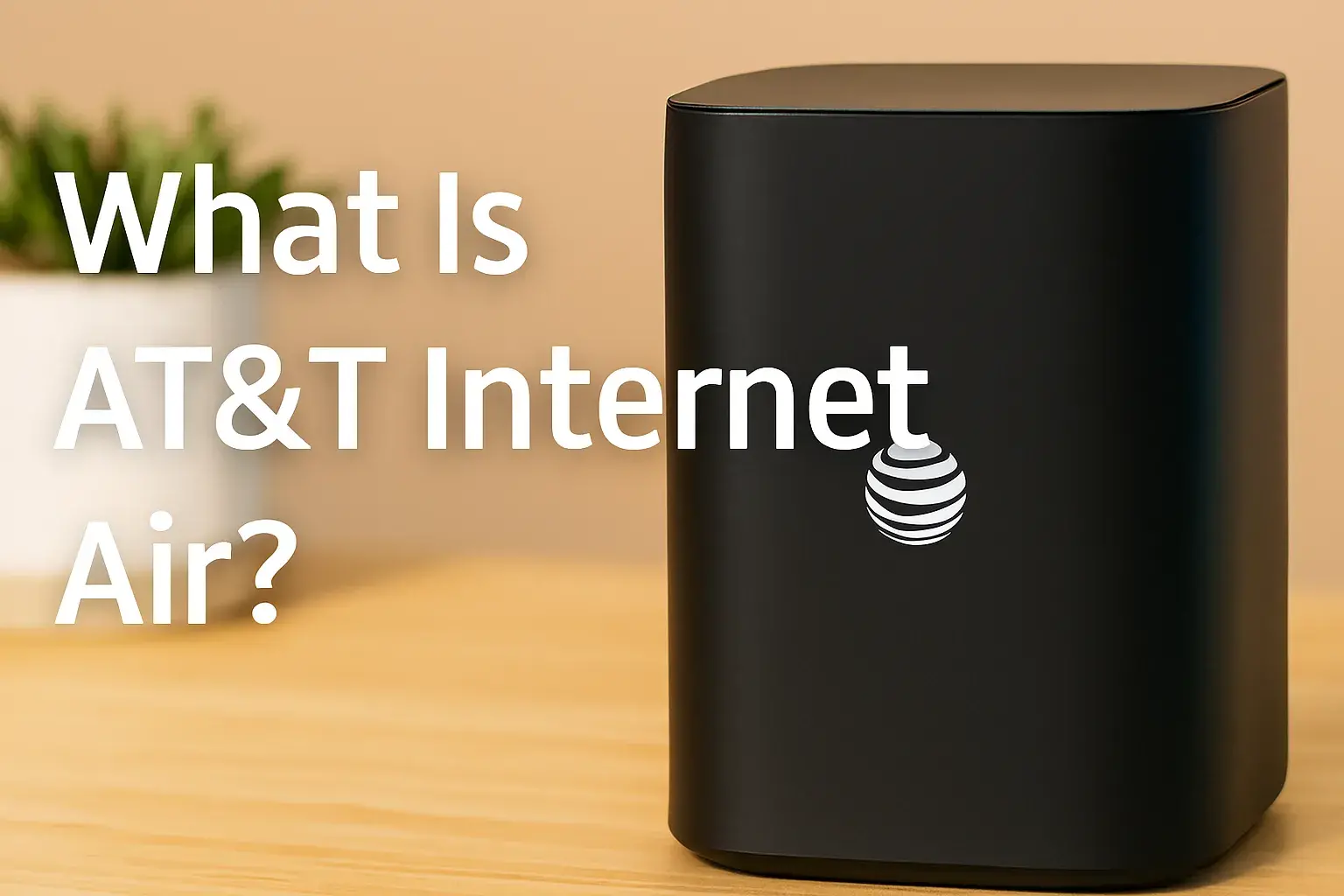
The equipment provided by AT&T plays a crucial role in your overall internet and Wi-Fi experience. This typically includes a modem and a router, often combined into a single device called a gateway.
AT&T Fiber Gateway
For AT&T Fiber subscribers, the company provides a high-performance gateway designed to handle the speeds offered by fiber connections. These gateways are generally:
- Wi-Fi 6 Capable: Most newer AT&T Fiber gateways support Wi-Fi 6 (802.11ax) technology, which offers faster speeds, better performance in crowded environments, and improved battery efficiency for connected devices compared to older Wi-Fi standards.
- High-Speed Ports: Equipped with Gigabit Ethernet ports to take full advantage of the wired speeds. For multi-gigabit plans (2 Gbps, 5 Gbps), specialized ports (e.g., 2.5 Gbps or 10 Gbps) may be included.
- Included at No Extra Cost: Typically, the AT&T Fiber gateway is provided at no additional monthly rental fee. This is a significant cost saving compared to some other providers.
- Professional Installation: AT&T usually requires professional installation for fiber services, ensuring the gateway is set up correctly and optimized for your home.
While the provided gateway is generally capable, some users with very large homes or specific networking needs might opt to use their own high-end router in conjunction with the AT&T gateway (often by placing the AT&T gateway in "IP Passthrough" mode). However, for most users, the AT&T Fiber gateway will provide a robust Wi-Fi experience.
AT&T Internet (DSL) Modem/Gateway
For AT&T DSL customers, the equipment provided is typically less advanced:
- Older Wi-Fi Standards: Many DSL gateways may support older Wi-Fi standards like Wi-Fi 5 (802.11ac) or even Wi-Fi 4 (802.11n), which can limit wireless speeds, especially if you have multiple devices.
- Limited Ethernet Ports: Usually equipped with standard Gigabit Ethernet ports, which are sufficient for lower DSL speeds.
- Potential Rental Fees: AT&T may charge a monthly rental fee for DSL modems/gateways, adding to the overall cost of service.
- Basic Functionality: These devices are designed for basic internet connectivity and may not offer advanced features or the same level of performance as fiber gateways.
For DSL users, the quality of the Wi-Fi signal can be further hampered by the limitations of the underlying DSL connection. If you are experiencing slow Wi-Fi on a DSL plan, the issue might be with the internet service itself rather than the router.
Using Your Own Equipment
AT&T generally allows customers to use their own compatible modems and routers, especially for DSL. However, for AT&T Fiber, using your own equipment can be more complex, and AT&T may not officially support it or guarantee performance. It's always advisable to check AT&T's compatibility lists and support documentation before purchasing your own equipment to avoid compatibility issues.
Customer Service and Support
Customer service is a critical aspect of any ISP experience. AT&T's customer support channels and effectiveness can vary, and user experiences are often mixed.
Support Channels
AT&T offers several ways to get support:
- Online Resources: A comprehensive website with FAQs, troubleshooting guides, community forums, and account management tools.
- Phone Support: Dedicated customer service lines for billing, technical support, and sales. Wait times can vary significantly, especially during peak hours.
- Chat Support: Online chat options are available through the AT&T website and MyATT app for quicker assistance with common issues.
- Social Media: AT&T is active on social media platforms, offering support through channels like Twitter.
- In-Store Support: For issues related to mobile or sometimes internet equipment, AT&T stores can provide in-person assistance.
- Technician Visits: For complex technical issues or installation, AT&T dispatches technicians to your home.
Customer Satisfaction Ratings (2025-26 Estimates)
Customer satisfaction with AT&T's internet services is often divided, largely mirroring the performance differences between Fiber and DSL.
- AT&T Fiber: Generally receives higher customer satisfaction ratings. Users appreciate the high speeds, reliability, and the fact that equipment is often included without extra fees. Issues tend to be related to initial installation or occasional service interruptions, but overall, the experience is positive.
- AT&T Internet (DSL): Tends to receive lower satisfaction ratings. Common complaints revolve around slow speeds, inconsistent performance, data caps, and sometimes billing issues. Customers in areas with limited choices may feel they have no alternative but to accept the limitations of DSL.
Industry reports from organizations like the American Customer Satisfaction Index (ACSI) and J.D. Power often place AT&T in the middle to upper-middle tier for internet service providers. Their fiber offerings typically score better than their DSL services. For example, in the 2025 J.D. Power U.S. Residential Internet Service Provider Satisfaction Study, AT&T's fiber service often ranks highly in specific regions for performance and reliability, while their overall ISP score is influenced by the broader availability of DSL.
Key Considerations for Support
- Be Prepared: When calling support, have your account information ready and be able to clearly describe the issue.
- Escalation: If you are not satisfied with the initial support you receive, don't hesitate to ask for a supervisor or to escalate the issue.
- Documentation: Keep records of your interactions with customer service, including dates, times, representative names, and reference numbers.
For many, the primary interaction with AT&T customer service will be during setup or if a problem arises. The quality of this interaction can significantly impact the overall perception of the service.
Pros and Cons of AT&T Internet
Evaluating any internet service requires a balanced look at its advantages and disadvantages. Here's a breakdown of the pros and cons of AT&T Internet services for 2025-2026:
Pros
- AT&T Fiber Offers Exceptional Speeds: If available in your area, AT&T Fiber provides some of the fastest internet speeds on the market, with symmetrical upload and download rates up to 5 Gbps. This is a major advantage for demanding online activities.
- Reliability of Fiber: AT&T Fiber is known for its stability and consistent performance, thanks to the inherent advantages of fiber-optic technology.
- Unlimited Data on Fiber: AT&T Fiber plans typically come with unlimited data, eliminating concerns about exceeding usage limits and incurring extra charges.
- Competitive Pricing for Fiber: While high-speed, AT&T Fiber pricing is often competitive, especially when considering the speeds and unlimited data offered, and the fact that the gateway is usually included.
- Bundling Options: AT&T offers the ability to bundle internet with DIRECTV or mobile services, which can sometimes lead to cost savings and a simplified billing experience.
- Wide Availability of DSL: While slower, AT&T DSL is available in a vast number of areas where fiber is not yet deployed, providing an internet option for many households.
- No Annual Contracts (Often for Fiber): Many AT&T Fiber plans do not require a long-term contract, offering flexibility for customers.
Cons
- Limited Availability of Fiber: The biggest drawback is that AT&T Fiber is not available everywhere. Its rollout is ongoing but still concentrated in urban and suburban areas.
- DSL Performance Limitations: AT&T Internet (DSL) offers significantly lower speeds and can be unreliable, especially in areas far from the central office. Upload speeds are particularly weak.
- Data Caps on DSL: Many AT&T DSL plans come with data caps, which can be restrictive for households that stream a lot of video or use the internet extensively.
- Variable Customer Service Experience: While some customers have positive experiences, others report long wait times and difficulties resolving issues, particularly with DSL support.
- Potential for Price Increases: Promotional pricing for both fiber and DSL plans typically expires after a set period (e.g., 12 months), after which the monthly cost will increase.
- Equipment Fees for DSL: DSL plans may involve monthly rental fees for modems, adding to the overall cost.
- Complex Billing: Like many large ISPs, AT&T's billing can sometimes be complex, with various fees and surcharges that can make the final bill higher than the advertised price.
Who is AT&T Internet Best For?
Based on the analysis of AT&T's offerings, we can identify specific user profiles that would benefit most from their services in 2025-2026:
1. AT&T Fiber is Best For:
- Households with High Bandwidth Needs: Families with multiple members who stream 4K video, play online games, participate in video conferences, and use many connected smart home devices simultaneously.
- Gamers and Streamers: The low latency and high symmetrical speeds of fiber are ideal for a lag-free gaming experience and buffer-free 4K streaming.
- Remote Workers and Content Creators: Professionals who upload large files, conduct frequent video meetings, or run bandwidth-intensive applications will benefit immensely from the fast upload speeds.
- Tech Enthusiasts and Early Adopters: Those who want the fastest available internet speeds and are willing to pay a premium for cutting-edge technology.
- Residents in Areas with AT&T Fiber Availability: If AT&T Fiber is an option at your address, it's often one of the top choices for speed, reliability, and performance.
2. AT&T Internet (DSL) is Best For:
- Low-Usage Households: Individuals or couples who primarily use the internet for basic web browsing, email, and occasional social media.
- Budget-Conscious Consumers in Limited Areas: If AT&T DSL is the only high-speed option available (or the most affordable), it can suffice for very light internet use.
- Areas Where Fiber is Not Yet Available: For those without access to fiber or cable, AT&T DSL might be the only wired broadband option, albeit with significant compromises.
- Secondary Internet Connection: In some niche scenarios, a DSL line might be used as a backup for a primary internet connection, though this is uncommon for home users.
It's crucial to reiterate that the "best" AT&T service for you hinges entirely on what is available at your specific address and your household's internet usage habits. A quick check on AT&T's website is the first step to understanding your options.
Alternatives to AT&T Internet
While AT&T is a major player, it's not the only option for home internet. Depending on your location, you may have access to other providers offering different technologies and pricing structures. Here are some common alternatives to consider in 2025-2026:
1. Other Fiber Providers
As fiber deployment expands, companies like Google Fiber, Verizon Fios, CenturyLink Fiber, and local municipal fiber networks are becoming increasingly competitive. These providers often offer similar high speeds and symmetrical performance to AT&T Fiber.
- Google Fiber: Known for its straightforward pricing and high-speed plans, often with a focus on customer experience.
- Verizon Fios: A direct competitor to AT&T Fiber, offering robust fiber optic service with excellent speeds and reliability, particularly in the Northeast.
- Local/Municipal Fiber: Many smaller communities have their own fiber networks that can offer competitive pricing and strong local support.
2. Cable Internet Providers
Major cable companies like Xfinity (Comcast), Spectrum (Charter), and Cox Communications offer internet service over their coaxial cable networks. Cable internet typically provides high download speeds but often has slower upload speeds compared to fiber.
- Xfinity (Comcast): One of the largest cable providers, offering a wide range of speed tiers and often competitive pricing, especially in bundles.
- Spectrum (Charter): Another major provider with extensive coverage, known for offering unlimited data on most of its plans.
- Cox Communications: A significant provider in certain regions, offering similar services and plans to Xfinity and Spectrum.
3. Fixed Wireless and Satellite Internet
For areas where wired broadband is unavailable or extremely limited, fixed wireless and satellite internet can be options. However, these generally come with significant trade-offs:
- Fixed Wireless: Providers like T-Mobile Home Internet and Verizon 5G Home Internet use 5G cellular networks to deliver home internet. They can offer good speeds and unlimited data at competitive prices, but performance can vary based on signal strength and network congestion.
- Satellite Internet: Services like HughesNet and Viasat provide internet via satellite. While available almost anywhere, they are typically characterized by high latency, lower speeds, and restrictive data caps, making them suitable only for very basic use or in remote locations. Starlink, by SpaceX, offers a faster satellite option with lower latency, but it is still a premium service with specific installation requirements.
4. DSL Providers (Other than AT&T)
In areas where AT&T DSL is available, other smaller telephone companies might also offer DSL service. These will generally have similar performance limitations to AT&T DSL.
Choosing an Alternative
When comparing alternatives, consider the following:
- Availability: The most crucial factor is what services are actually available at your address.
- Speed (Download & Upload): Match the speeds to your household's needs. For modern usage, aim for at least 100 Mbps download, and ideally symmetrical speeds if possible.
- Data Caps: Unlimited data is highly preferred for most users.
- Pricing: Compare monthly costs, including any equipment rental fees, installation charges, and potential price increases after promotional periods.
- Contract Length: Opt for no-contract plans if possible for flexibility.
- Customer Reviews: Research customer satisfaction ratings for providers in your specific area.
By exploring these alternatives, you can ensure you're getting the best possible internet service for your home, whether it's AT&T or another provider.
Making the Decision
Deciding whether AT&T is good for your Wi-Fi needs in 2025-2026 boils down to a few key factors, primarily driven by the technology available at your location and your specific internet usage patterns.
If AT&T Fiber is available at your address, it is almost certainly a strong contender and likely one of the best options you can get. Its high, symmetrical speeds, reliability, and unlimited data make it ideal for virtually any modern household, from heavy streamers and gamers to remote workers and large families. The fact that the gateway is often included at no extra cost further enhances its value proposition. In this scenario, AT&T is indeed very good for Wi-Fi.
However, if your only option is AT&T Internet (DSL), the answer becomes more nuanced. While AT&T DSL provides a necessary internet connection in many underserved areas and can be affordable, its performance limitations—particularly slower speeds, asymmetrical uploads, and potential data caps—may not provide a satisfactory Wi-Fi experience for many households in 2025-2026. If your internet usage is very light, DSL might suffice. But for most, it will likely feel like a compromise, and exploring alternatives like 5G home internet or other available broadband technologies would be advisable.
To make the right decision:
- Check Availability: The absolute first step is to visit AT&T's website and enter your address to see exactly which internet technologies (Fiber, DSL, etc.) and plans are offered to you.
- Assess Your Needs: Consider how many people will be using the internet, what activities they will be doing (streaming, gaming, working, browsing), and how many devices will be connected simultaneously.
- Compare Plans and Pricing: Look at the advertised speeds, data caps, monthly costs, contract terms, and any potential equipment fees for all available AT&T plans.
- Research Alternatives: Simultaneously check for availability and compare plans from other ISPs in your area, including cable, other fiber providers, and fixed wireless options.
- Read Reviews: Look for recent customer reviews specific to your area for both AT&T and its competitors.
Ultimately, AT&T's suitability for your Wi-Fi depends on whether you can access their superior fiber network. If you can, it's a top-tier choice. If not, you'll need to carefully weigh the compromises of their DSL service against other available options.
This article was last updated in late 2025. Pricing and plan details are subject to change and may vary by location.