Is ATT fiber WiFi 5 or 6?

Unlocking the full potential of your AT&T Fiber internet hinges on understanding your Wi-Fi standard. This guide definitively answers whether AT&T Fiber utilizes Wi-Fi 5 or Wi-Fi 6, providing insights into speed, performance, and how to maximize your home network's capabilities for 2025-26.
Understanding Wi-Fi Standards: The Evolution
The landscape of wireless internet, or Wi-Fi, is constantly evolving. Each new generation of Wi-Fi brings significant improvements in speed, efficiency, and capacity, allowing us to connect more devices and enjoy a smoother online experience. These advancements are standardized by the Institute of Electrical and Electronics Engineers (IEEE) under the 802.11 family of protocols. Understanding these standards is crucial, especially when evaluating internet service providers like AT&T and the equipment they supply.
From the early days of 802.11b, which offered speeds comparable to dial-up, to the more recent iterations, the journey has been remarkable. Each new standard addresses the limitations of its predecessor, driven by the increasing demand for bandwidth from streaming services, online gaming, smart home devices, and remote work. For 2025-26, the focus is on how these advanced standards handle the ever-growing number of connected devices and the increasing need for seamless, high-speed data transfer.
The primary goal of Wi-Fi evolution has been to increase the maximum theoretical data transfer rates. However, equally important have been enhancements in efficiency, reliability, and the ability to manage multiple devices simultaneously. This is where the distinction between Wi-Fi 5 and Wi-Fi 6 becomes particularly relevant for modern internet users.
Is AT&T Fiber Wi-Fi 5 or Wi-Fi 6? The Definitive Answer
The question of whether AT&T Fiber utilizes Wi-Fi 5 or Wi-Fi 6 is not a simple yes or no answer regarding the fiber service itself. Fiber optic internet refers to the physical infrastructure delivering the internet signal to your home. The Wi-Fi standard, on the other hand, pertains to the wireless router and the technology it uses to broadcast that internet signal within your home. Therefore, AT&T Fiber provides the high-speed internet connection, and the Wi-Fi standard you experience depends on the router provided by AT&T or one you purchase yourself.
As of 2025-26, AT&T is increasingly equipping its customers with routers that support Wi-Fi 6 (802.11ax) for its fiber optic plans. This is a strategic move to ensure that customers can leverage the full speed and performance capabilities of their fiber connection. However, older AT&T Fiber installations might still be using routers that support Wi-Fi 5 (802.11ac). The specific Wi-Fi standard you have access to is determined by the gateway device (router) you are using.
To definitively know which standard your AT&T Fiber setup is using, you need to check the specifications of your AT&T gateway or any third-party router connected to your AT&T Fiber service. Most modern AT&T gateways provided with their latest fiber plans are Wi-Fi 6 enabled. This is to align the wireless performance with the high-speed potential of fiber optic technology, which can easily exceed the capabilities of older Wi-Fi standards.
Wi-Fi 5 (802.11ac): A Closer Look
Wi-Fi 5, officially known as 802.11ac, was a significant leap forward from its predecessor, 802.11n. Introduced in 2013, it primarily operated on the 5 GHz frequency band, which offers more channels and less interference than the crowded 2.4 GHz band used by older standards. This shift was crucial for delivering faster speeds and improved performance, especially in environments with many wireless devices.
One of the key advancements of Wi-Fi 5 was its increased channel width. It supported wider channels, up to 80 MHz and even 160 MHz (though 160 MHz was less common in early implementations), allowing for more data to be transmitted simultaneously. This resulted in theoretical maximum speeds that could reach several gigabits per second, significantly enhancing the experience for activities like HD video streaming and large file downloads.
Wi-Fi 5 also introduced MU-MIMO (Multi-User, Multiple-Input, Multiple-Output) technology, but it was initially implemented in the downlink direction only. This means the router could communicate with multiple devices simultaneously, but only when sending data. While a significant improvement, it was less efficient than the two-way MU-MIMO found in Wi-Fi 6.
Key Features of Wi-Fi 5 (802.11ac):
- Frequency Band: Primarily 5 GHz.
- Theoretical Speeds: Up to 3.5 Gbps (with 802.11ac Wave 2).
- MU-MIMO: Downlink only.
- Channel Widths: 20, 40, 80, and 160 MHz.
- Modulation: 256-QAM (Quadrature Amplitude Modulation) for increased data density.
For many users, Wi-Fi 5 provides a robust and capable wireless experience, especially for standard home internet usage. However, with the proliferation of smart home devices and the increasing demand for higher bandwidth applications, its limitations are becoming more apparent. For instance, managing dozens of connected devices simultaneously can strain a Wi-Fi 5 network, leading to slower speeds and increased latency.
In the context of AT&T Fiber, a Wi-Fi 5 router might be sufficient for plans up to a few hundred Mbps. However, for gigabit-speed plans (e.g., 1 Gig or higher), a Wi-Fi 5 router would act as a bottleneck, preventing users from experiencing the full advertised speeds wirelessly. This is why providers are transitioning to newer standards.
Wi-Fi 6 (802.11ax): The Future is Now
Wi-Fi 6, officially known as 802.11ax, is the latest widely adopted Wi-Fi standard, designed to address the growing demands of a hyper-connected world. Launched in 2019, it builds upon the foundation of Wi-Fi 5, offering not just higher peak speeds but also significantly improved efficiency, capacity, and performance, especially in congested environments with many devices.
One of the most significant advancements in Wi-Fi 6 is the introduction of OFDMA (Orthogonal Frequency Division Multiple Access). Unlike Wi-Fi 5's MU-MIMO, OFDMA allows a router to divide a Wi-Fi channel into smaller sub-channels, enabling it to communicate with multiple devices simultaneously and more efficiently. This is particularly beneficial for small data packets common in smart home devices and IoT (Internet of Things) applications, reducing latency and improving overall network responsiveness.
Wi-Fi 6 also features improved MU-MIMO, now supporting both downlink and uplink. This means the router can send and receive data to and from multiple devices at the same time, further enhancing efficiency and speed. Additionally, Wi-Fi 6 employs a more advanced modulation scheme called 1024-QAM, which allows for more data to be packed into each transmission, leading to higher theoretical speeds compared to Wi-Fi 5's 256-QAM.
Key Features of Wi-Fi 6 (802.11ax):
- Frequency Bands: Operates on both 2.4 GHz and 5 GHz bands, and the newer Wi-Fi 6E extends to the 6 GHz band.
- Theoretical Speeds: Up to 9.6 Gbps.
- MU-MIMO: Supports both downlink and uplink.
- OFDMA: Enables efficient communication with multiple devices.
- Modulation: 1024-QAM for increased data density.
- Target Wake Time (TWT): Improves battery life for connected devices by allowing them to schedule wake-up times.
- BSS Coloring: Helps reduce interference from neighboring Wi-Fi networks.
For AT&T Fiber customers, a Wi-Fi 6 router is essential for fully experiencing gigabit internet speeds wirelessly. It ensures that the speed delivered by the fiber line isn't throttled by the Wi-Fi connection. In 2025-26, the demand for high-bandwidth applications like 8K streaming, cloud gaming, and immersive virtual reality experiences is growing, making Wi-Fi 6 a critical component of a modern home network.
Furthermore, Wi-Fi 6's enhanced capacity and efficiency make it ideal for households with a large number of connected devices. From smart thermostats and security cameras to multiple smartphones, tablets, and laptops, Wi-Fi 6 can manage them all with greater stability and performance. This is a significant advantage over Wi-Fi 5, which can struggle under such a load.
Key Differences: Wi-Fi 5 vs. Wi-Fi 6
The evolution from Wi-Fi 5 to Wi-Fi 6 represents a substantial upgrade in wireless networking technology. While both standards offer high speeds, Wi-Fi 6 is engineered for a more efficient and robust wireless experience, especially in the face of increasing device density and bandwidth demands. Here’s a breakdown of the key differences:
| Feature | Wi-Fi 5 (802.11ac) | Wi-Fi 6 (802.11ax) |
|---|---|---|
| Official Name | 802.11ac | 802.11ax |
| Frequency Bands | 5 GHz only | 2.4 GHz and 5 GHz (Wi-Fi 6E adds 6 GHz) |
| Theoretical Max Speed | Up to 3.5 Gbps | Up to 9.6 Gbps |
| Key Technology for Efficiency | MU-MIMO (Downlink only) | OFDMA, MU-MIMO (Downlink & Uplink) |
| Modulation Scheme | 256-QAM | 1024-QAM |
| Capacity for Multiple Devices | Good, but can struggle with high density | Excellent, designed for dense environments |
| Latency | Moderate | Lower, especially with OFDMA |
| Battery Efficiency for Devices | Standard | Improved with Target Wake Time (TWT) |
| Interference Handling | Standard | Improved with BSS Coloring |
For AT&T Fiber customers, the most impactful difference lies in capacity and efficiency. If you have a high-speed AT&T Fiber plan (e.g., 1 Gig or more) and a home filled with smart devices, upgrading to a Wi-Fi 6 router will unlock the true potential of your internet service. Wi-Fi 5 might suffice for basic browsing and streaming on a few devices, but it will likely be a bottleneck for the demands of 2025-26.
The ability of Wi-Fi 6 to handle multiple devices simultaneously without significant performance degradation is a game-changer. This means smoother video calls for remote work, uninterrupted online gaming, and a more responsive smart home experience. The reduced latency provided by OFDMA is particularly beneficial for real-time applications.
Furthermore, Wi-Fi 6's operation on both 2.4 GHz and 5 GHz bands (and 6 GHz with Wi-Fi 6E) offers greater flexibility. The 2.4 GHz band provides better range and penetration through walls, while the 5 GHz and 6 GHz bands offer higher speeds and less interference. Wi-Fi 6 intelligently manages traffic across these bands to optimize performance.
AT&T Equipment: What Wi-Fi Standard Do They Provide?
AT&T's approach to providing Wi-Fi standards with their fiber optic service has evolved over time, mirroring the industry's progression. For new AT&T Fiber installations in 2025-26, especially those opting for higher-speed tiers like 1 Gig and above, AT&T typically provides gateways that are Wi-Fi 6 (802.11ax) certified. This ensures that customers can experience the best possible wireless performance that aligns with the capabilities of their fiber connection.
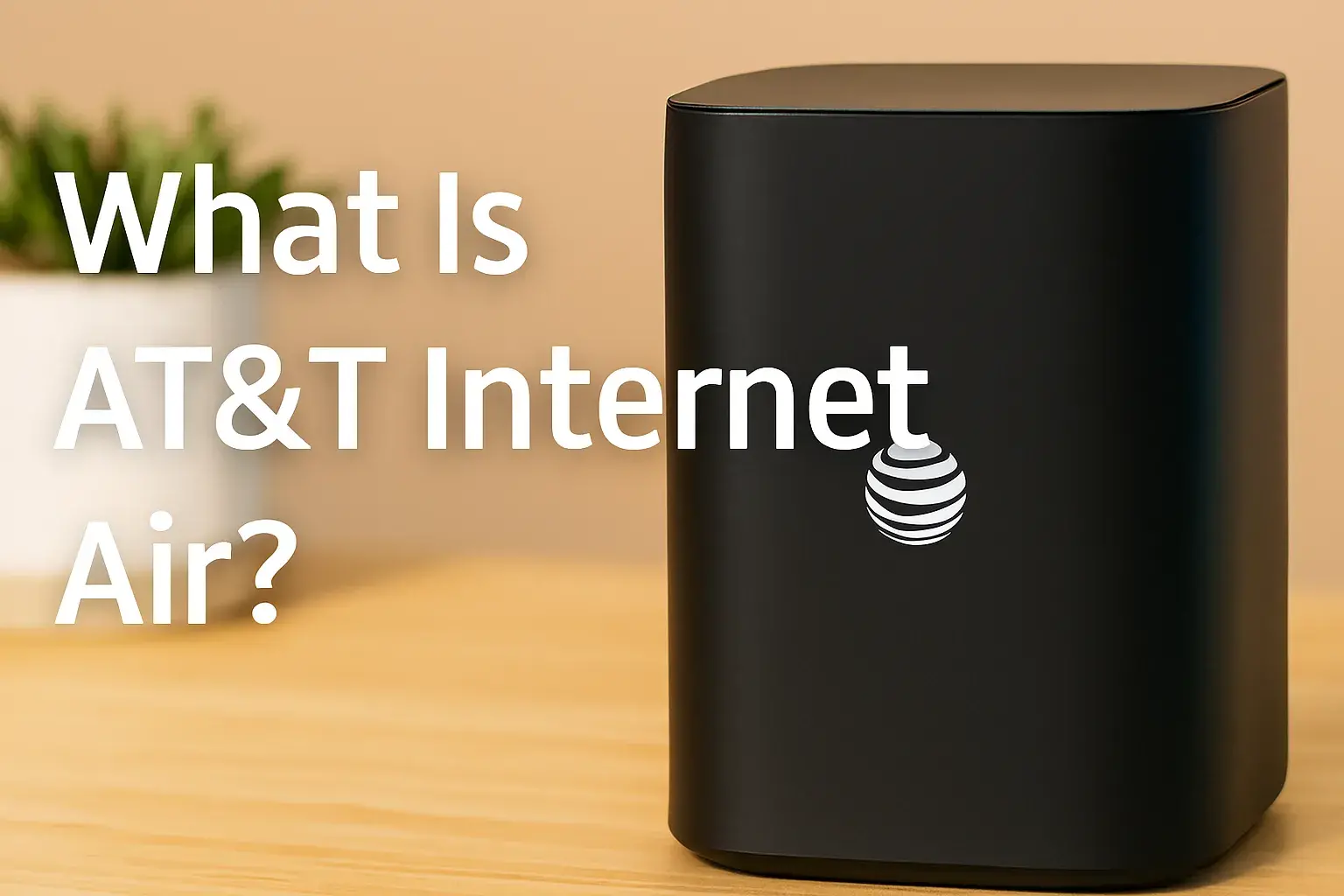
AT&T's current flagship gateway for fiber customers is often the AT&T Internet Gateway (e.g., Model BGW320 or similar). These newer models are designed to support Wi-Fi 6, offering enhanced speeds, better capacity for multiple devices, and improved overall network efficiency. This is a crucial step for AT&T to ensure customer satisfaction and to fully deliver on the promise of high-speed fiber internet.
However, it's important to note that customers who signed up for AT&T Fiber service in previous years might still be using older gateways that support Wi-Fi 5 (802.11ac). If you have an older AT&T Fiber plan and are experiencing Wi-Fi limitations, it's worth checking the model number of your gateway and its specifications.
How to Check Your AT&T Gateway's Wi-Fi Standard:
- Log into your AT&T account: Access your AT&T online portal or app.
- Check your equipment details: Navigate to the section that lists your current services and equipment. Your gateway model should be displayed here.
- Search for the model specifications: Once you have the model number (e.g., BGW320-500, NVG599), search online for its technical specifications. Most manufacturer websites or reputable tech review sites will list the Wi-Fi standard supported.
- Look for Wi-Fi 6 or 802.11ax: If the specifications mention Wi-Fi 6 or 802.11ax, your gateway supports the latest standard. If it only mentions Wi-Fi 5 or 802.11ac, it's an older standard.
If your current AT&T gateway is Wi-Fi 5, and you have a high-speed fiber plan, you might consider upgrading to a newer AT&T gateway (if available and eligible) or purchasing your own compatible Wi-Fi 6 router to maximize your internet speeds wirelessly. AT&T does allow customers to use their own routers, provided they are compatible with their fiber network.
The move towards Wi-Fi 6 by AT&T is a clear indication of their commitment to providing a premium internet experience. It ensures that the infrastructure is in place to support the growing demands of connected households in 2025-26 and beyond.
Optimizing Your AT&T Fiber Network for Peak Performance
Having AT&T Fiber is the first step to a fast internet experience, but optimizing your home network is crucial to ensure you're getting the most out of your service. This involves not just the gateway but also the placement of your router, the devices connected, and understanding your Wi-Fi settings. For 2025-26, with more devices than ever connecting simultaneously, optimization is key.
1. Router Placement: The Foundation of Good Wi-Fi
The location of your AT&T gateway or router significantly impacts Wi-Fi signal strength and coverage.
- Central Location: Place your router in a central, open area of your home, away from obstructions like thick walls, metal objects, and large appliances (especially microwaves and refrigerators).
- Elevated Position: Routers often broadcast signals downwards. Placing it on a shelf or table can improve coverage.
- Avoid Interference: Keep your router away from other electronic devices that emit radio waves, such as cordless phones, Bluetooth speakers, and baby monitors.
2. Utilize the Right Frequency Band
Modern routers, especially Wi-Fi 6, broadcast on both 2.4 GHz and 5 GHz bands.
- 5 GHz: Offers faster speeds and less interference, ideal for devices closer to the router that require high bandwidth (streaming, gaming).
- 2.4 GHz: Provides better range and can penetrate obstacles more effectively, suitable for devices further away or those that don't require high speeds (smart home sensors, older devices).
Many AT&T gateways automatically manage band steering, but you can also manually connect devices to the band that best suits their needs.
3. Update Router Firmware Regularly
Firmware updates are critical for security, performance, and stability. AT&T gateways often update automatically, but it's good practice to check periodically or ensure automatic updates are enabled. If you use a third-party router, consult its manual for firmware update instructions.
4. Manage Connected Devices
The more devices connected to your network, the more bandwidth is shared.
- Prioritize Devices: If your router supports Quality of Service (QoS) settings, you can prioritize certain devices or applications (e.g., a work laptop for video conferencing) to ensure they get sufficient bandwidth.
- Limit Unnecessary Connections: Turn off Wi-Fi on devices that are not actively being used.
- Consider Network Segmentation: For advanced users, setting up a guest network for visitors or a separate network for IoT devices can improve security and performance.
5. Wired Connections for Critical Devices
For devices that require the absolute highest speeds and lowest latency, a wired Ethernet connection is always superior to Wi-Fi. For AT&T Fiber, connecting your primary gaming console, desktop computer, or smart TV via Ethernet can guarantee you’re getting the full speed without any wireless fluctuations.
6. Consider a Mesh Wi-Fi System
If you have a large home or persistent dead zones, a mesh Wi-Fi system can extend your Wi-Fi coverage seamlessly. You can use a mesh system with your AT&T gateway in bridge mode, or if your AT&T gateway supports it, you might be able to use its Wi-Fi capabilities and add mesh nodes. For AT&T Fiber, ensuring your mesh system supports Wi-Fi 6 will maximize performance.
By implementing these optimization strategies, AT&T Fiber customers can ensure their home network is performing at its peak, providing a reliable and fast internet experience for all their connected devices in 2025-26.
Choosing the Right Router for AT&T Fiber
While AT&T provides gateways with their fiber service, many users opt to use their own routers to gain more control, advanced features, or simply better performance. Choosing the right router for AT&T Fiber depends on your speed tier, home size, number of devices, and budget. For 2025-26, prioritizing Wi-Fi 6 or even Wi-Fi 6E is highly recommended.
1. Understand Your AT&T Fiber Speed Tier
If you have a lower-speed AT&T Fiber plan (e.g., up to 300 Mbps), a good Wi-Fi 5 router might suffice. However, for gigabit speeds (1 Gig, 2 Gig, 5 Gig), you absolutely need a Wi-Fi 6 or Wi-Fi 6E router to experience those speeds wirelessly. A Wi-Fi 5 router will bottleneck your connection.
2. Look for Wi-Fi 6 (802.11ax) or Wi-Fi 6E
As discussed, Wi-Fi 6 offers significant improvements in speed, capacity, and efficiency. Wi-Fi 6E further expands this by adding the 6 GHz band, which offers even more bandwidth and less interference, ideal for the latest devices. For future-proofing, Wi-Fi 6E is the best choice if your budget allows and your devices support it.
3. Consider Router Features
- MU-MIMO and OFDMA: Ensure the router supports these technologies for efficient multi-device performance.
- Quality of Service (QoS): Essential for prioritizing traffic for critical applications like gaming or video conferencing.
- Parental Controls: Useful for managing internet access for children.
- Guest Network: A secure way to provide internet access to visitors.
- Security Features: Look for robust firewalls and regular security updates.
- Ports: Ensure it has enough Gigabit Ethernet ports for wired connections.
4. Mesh Wi-Fi Systems for Larger Homes
If you have a larger home or multiple floors, a single router might not provide adequate coverage. Mesh Wi-Fi systems consist of a main router and satellite nodes that work together to create a single, seamless Wi-Fi network. Popular Wi-Fi 6 mesh systems include Eero, Google Nest Wifi, and TP-Link Deco.
5. AT&T Gateway Compatibility (Bridge Mode)
When using your own router with AT&T Fiber, you typically need to put the AT&T gateway into "bridge mode." This disables the router functions of the AT&T device, allowing your third-party router to handle all routing and Wi-Fi duties. Ensure your chosen router is compatible with this setup. Most modern routers are.
Recommended Routers for AT&T Fiber (2025-26):
- For High-Performance Users: Asus ROG Rapture GT-AX11000 (Wi-Fi 6), TP-Link Archer AX6000 (Wi-Fi 6), Netgear Nighthawk RAX120 (Wi-Fi 6).
- For Mesh Coverage: Eero Pro 6E, Google Nest Wifi Pro, TP-Link Deco XE75 (Wi-Fi 6E).
- For Value & Performance: TP-Link Archer AX50 (Wi-Fi 6), Asus RT-AX86U (Wi-Fi 6).
Always check the latest reviews and compare specifications to find the router that best fits your specific needs and AT&T Fiber plan. Investing in a good Wi-Fi 6 or 6E router is one of the best ways to ensure you're getting the full benefit of your AT&T Fiber connection.
Future-Proofing Your Home Network with AT&T Fiber
The rapid pace of technological advancement means that what is considered cutting-edge today can become standard tomorrow. When investing in AT&T Fiber, which offers speeds that are future-ready, it's equally important to ensure your home network infrastructure is also built for the future. This means looking beyond immediate needs and anticipating the demands of the next few years.
1. Embrace Wi-Fi 6E and Beyond
While Wi-Fi 6 is excellent, Wi-Fi 6E, with its addition of the 6 GHz band, offers a glimpse into the future. This band is less congested and provides more channels, leading to higher speeds and lower latency. As more devices become Wi-Fi 6E compatible, having a Wi-Fi 6E router will provide a significant advantage. Look for routers that explicitly support Wi-Fi 6E (802.11ax on 6 GHz).
2. Consider Higher Speed Tiers with AT&T Fiber
AT&T Fiber's gigabit and multi-gigabit plans are designed for the future. Even if you don't currently utilize the full bandwidth, having it available means your internet service won't be a bottleneck as your usage grows. Technologies like 8K streaming, cloud-based gaming, and advanced virtual/augmented reality experiences will increasingly demand these speeds.
3. Invest in Wired Infrastructure
While Wi-Fi technology is advancing rapidly, wired Ethernet connections remain the gold standard for speed, reliability, and latency. For future-proofing, ensure your home has ample Ethernet ports in key locations. If you're building or renovating, consider running Cat 6a or Cat 7 Ethernet cables to all rooms. This will support speeds well beyond current Wi-Fi capabilities.
4. Smart Home Device Management
The Internet of Things (IoT) is only going to expand. Smart homes of the future will feature dozens, if not hundreds, of interconnected devices. Wi-Fi 6 and future standards are designed to handle this density. Ensure your router can manage a large number of connections efficiently. Also, consider network segmentation to isolate less secure IoT devices from your main network.
5. Power over Ethernet (PoE) Capabilities
For advanced users and smart home enthusiasts, routers or switches with PoE capabilities can simplify the installation of devices like security cameras or access points, as they can be powered and networked through a single Ethernet cable.
6. Look for Router Longevity and Updates
When purchasing a router, consider its manufacturer's commitment to providing firmware updates. A router that receives regular security and performance updates will remain viable for longer. Brands known for consistent support, like Asus, TP-Link, and Netgear, are good choices.
By making forward-thinking choices with your AT&T Fiber service and your home network equipment, you can ensure your internet setup remains robust, fast, and capable of handling the evolving digital landscape for years to come.
Troubleshooting Common AT&T Fiber Wi-Fi Issues
Even with high-speed AT&T Fiber and advanced Wi-Fi technology, you might occasionally encounter Wi-Fi issues. Here are common problems and their solutions for 2025-26:
1. Slow Wi-Fi Speeds
- Check your plan: Ensure your AT&T Fiber plan is delivering the speeds you expect. Run a speed test connected directly via Ethernet to the gateway.
- Router placement: Move your router to a more central location.
- Device proximity: Are you too far from the router? Consider a Wi-Fi extender or mesh system.
- Too many devices: If your network is overloaded, try disconnecting some devices.
- Router firmware: Ensure your router's firmware is up to date.
- Wi-Fi standard: If you're using Wi-Fi 5 with a gigabit plan, upgrade to Wi-Fi 6.
2. Weak Wi-Fi Signal / Dead Zones
- Router placement: Obstructions like walls and appliances weaken signals.
- Interference: Other electronics can disrupt Wi-Fi.
- Mesh system: A mesh Wi-Fi system is often the best solution for large homes or dead zones.
- Wi-Fi extender: A less ideal but sometimes effective solution for smaller coverage gaps.
3. Intermittent Wi-Fi Connection / Dropped Connections
- Overheating: Ensure your router is not overheating.
- Router reboot: A simple power cycle of your router and modem can often resolve temporary glitches.
- Firmware issues: Outdated or buggy firmware can cause instability.
- Interference: Identify and move away from sources of interference.
- Faulty equipment: If the problem persists, your router or AT&T gateway might be failing.
4. Inability to Connect to Wi-Fi
- Check Wi-Fi password: Ensure you're entering the correct password.
- Restart devices: Reboot both your router and the device you're trying to connect.
- Check network settings: Ensure Wi-Fi is enabled on your device and that it's not set to a static IP address if it shouldn't be.
- Router capacity: Some routers have a limit on the number of devices that can connect.
5. Network Congestion with Multiple Devices
- Wi-Fi 6/6E: These standards are designed for high-density environments. Ensure your router supports them.
- OFDMA and MU-MIMO: These features are crucial for efficient multi-device performance.
- QoS settings: Prioritize critical devices or applications.
- Upgrade your router: If your current router is older and struggling, it might be time for an upgrade.
When to Contact AT&T Support:
If you've tried these troubleshooting steps and are still experiencing issues, especially if the problem seems to originate from the AT&T gateway itself or the fiber line, it's time to contact AT&T customer support. They can diagnose issues with their equipment and the network connection to your home.
By systematically addressing these common problems, AT&T Fiber customers can maintain a smooth and reliable wireless internet experience.
Conclusion
In summary, the question of whether AT&T Fiber utilizes Wi-Fi 5 or Wi-Fi 6 is directly tied to the gateway equipment provided. As of 2025-26, AT&T is increasingly equipping its fiber customers with Wi-Fi 6 (802.11ax) enabled gateways, especially for higher-speed plans, to ensure users can fully leverage the incredible speeds of fiber optic technology. While older installations might still use Wi-Fi 5 (802.11ac), the trend is clearly towards the superior performance, capacity, and efficiency of Wi-Fi 6.
Understanding the distinctions between Wi-Fi 5 and Wi-Fi 6 – particularly OFDMA, improved MU-MIMO, and higher modulation schemes – highlights why Wi-Fi 6 is essential for modern, multi-device households. It provides a more robust and responsive network, crucial for activities like 8K streaming, online gaming, and smart home integration.
To optimize your AT&T Fiber experience, ensure your gateway supports Wi-Fi 6, strategically place your router, manage your connected devices, and consider a wired connection for critical devices. For those seeking the ultimate performance and future-proofing, investing in a Wi-Fi 6E router or a mesh system is highly recommended. By staying informed and making informed choices about your network equipment, you can unlock the full potential of your AT&T Fiber service and enjoy a seamless, high-speed internet experience well into the future.