Is AT&T fiber buried?
Understanding how AT&T Fiber is installed is crucial for many homeowners and renters. This post dives deep into whether AT&T Fiber is buried underground, exploring the installation process, factors influencing burial, and what to expect during your service setup. Get clarity on subterranean fiber optics and make informed decisions about your internet connection.
Understanding AT&T Fiber Installation
AT&T Fiber represents a significant leap forward in internet technology, offering speeds that can transform how we work, play, and connect. Unlike traditional copper-based DSL or cable internet, fiber optic cables use light pulses to transmit data, enabling vastly superior bandwidth, lower latency, and greater reliability. When you sign up for AT&T Fiber, a technician will visit your home to establish the connection. A common question that arises during this process is about the physical installation method: specifically, whether the fiber optic cables are buried underground or run overhead. This query is not just about aesthetics; it touches upon installation complexity, potential disruptions, and the long-term durability of the service. Understanding the typical installation practices employed by AT&T Fiber is key to setting expectations and preparing for the service setup.
Is AT&T Fiber Buried? The Definitive Answer
The definitive answer to "Is AT&T Fiber buried?" is: sometimes, but not always. AT&T Fiber installation methods vary significantly based on a multitude of factors, including the existing infrastructure in your area, local regulations, terrain, and even neighborhood aesthetics. In many newer developments and areas where AT&T has invested in upgrading its network infrastructure, fiber optic cables are indeed buried underground. This approach offers several advantages, such as increased protection from weather elements and a cleaner visual landscape. However, in older neighborhoods or areas with established overhead utility lines, AT&T Fiber may be installed aerially, running from utility poles to your home. The decision is often driven by the most practical, cost-effective, and feasible method for the specific location. Therefore, while burial is a common and often preferred method, it's not a universal guarantee for every AT&T Fiber installation.
Factors Influencing Fiber Burial
Several key factors dictate whether AT&T Fiber will be buried underground at your location. These elements combine to create a complex decision-making process for AT&T's deployment teams. Understanding these influences can help you anticipate the likely installation method for your home.
Proximity to Existing Infrastructure
The presence and type of existing utility infrastructure play a massive role. If your neighborhood already has underground conduits for power and other utilities, it's more likely that AT&T Fiber will also be buried. This allows for a more streamlined installation process, leveraging existing pathways. Conversely, if utility lines are predominantly overhead, running new underground cables can be significantly more expensive and time-consuming, making aerial installation a more probable choice. The availability of existing fiber optic trunk lines also influences the last-mile connection. If AT&T has already established a subterranean fiber network in your street, extending it to your home underground becomes more feasible.
Terrain and Soil Conditions
The physical characteristics of the land are critical. Areas with rocky soil, steep inclines, or significant underground obstacles (like existing pipelines or bedrock) make trenching for fiber burial more challenging and costly. In such terrains, aerial installation might be preferred due to its relative simplicity. Conversely, areas with soft, easily workable soil are ideal for underground deployment. AT&T will assess the ease of digging and the potential for disruption to the landscape when deciding on the installation method. For instance, areas prone to landslides or significant erosion might also steer decisions away from undergrounding due to long-term stability concerns.
Local Regulations and Permits
Municipal and local government regulations heavily influence utility installations. Some cities or towns mandate undergrounding of all new utility lines to enhance aesthetics and resilience. In these areas, AT&T is required to bury its fiber optic cables. Obtaining permits for trenching and underground installations can also be a lengthy process, involving coordination with local authorities and utility companies to ensure safety and compliance. These regulations can significantly impact the feasibility and timeline of underground fiber deployment. Some jurisdictions may have specific depth requirements or restrictions on where cables can be laid, further complicating the process.
Neighborhood Aesthetics and HOA Rules
In many planned communities and homeowners' associations (HOAs), there are strict aesthetic guidelines. These rules often favor underground utilities to maintain a clean, uncluttered visual appearance. If your neighborhood has an HOA with such covenants, AT&T is likely to opt for underground installation to comply. Even without formal HOA rules, the general desire for an aesthetically pleasing streetscape can influence AT&T's decision, especially in newer, upscale developments. The presence of unsightly utility poles and overhead wires can detract from property values, making undergrounding a more attractive option for both residents and service providers aiming for a premium service image.
Cost Considerations for Burial
Underground fiber installation is generally more expensive than aerial installation. Trenching, conduit laying, and restoration of the landscape add significant labor and material costs. AT&T, like any business, will weigh these costs against the benefits and the competitive landscape. In areas where the cost of undergrounding is prohibitively high, or where the return on investment is less clear, aerial installation might be the chosen path. However, the long-term benefits of underground fiber, such as reduced maintenance and protection from weather-related damage, can sometimes justify the higher upfront cost, especially in strategic deployment zones or areas with high customer density.
The Fiber Installation Process: Step-by-Step
The installation of AT&T Fiber, whether aerial or underground, follows a structured process to ensure a reliable connection. Understanding these steps can demystify the procedure and help you prepare for the technician's visit.
Initial Site Assessment
Before any physical work begins, AT&T technicians will conduct an initial assessment of your property. This involves identifying the best point of entry for the fiber optic cable into your home, determining the route the cable will take from the street or pole to your house, and assessing any potential obstacles. They will also mark the location of existing underground utilities (like water, gas, and electrical lines) to prevent accidental damage during excavation. This step is crucial for planning the entire installation efficiently and safely.
Underground Conduit Installation (If Applicable)
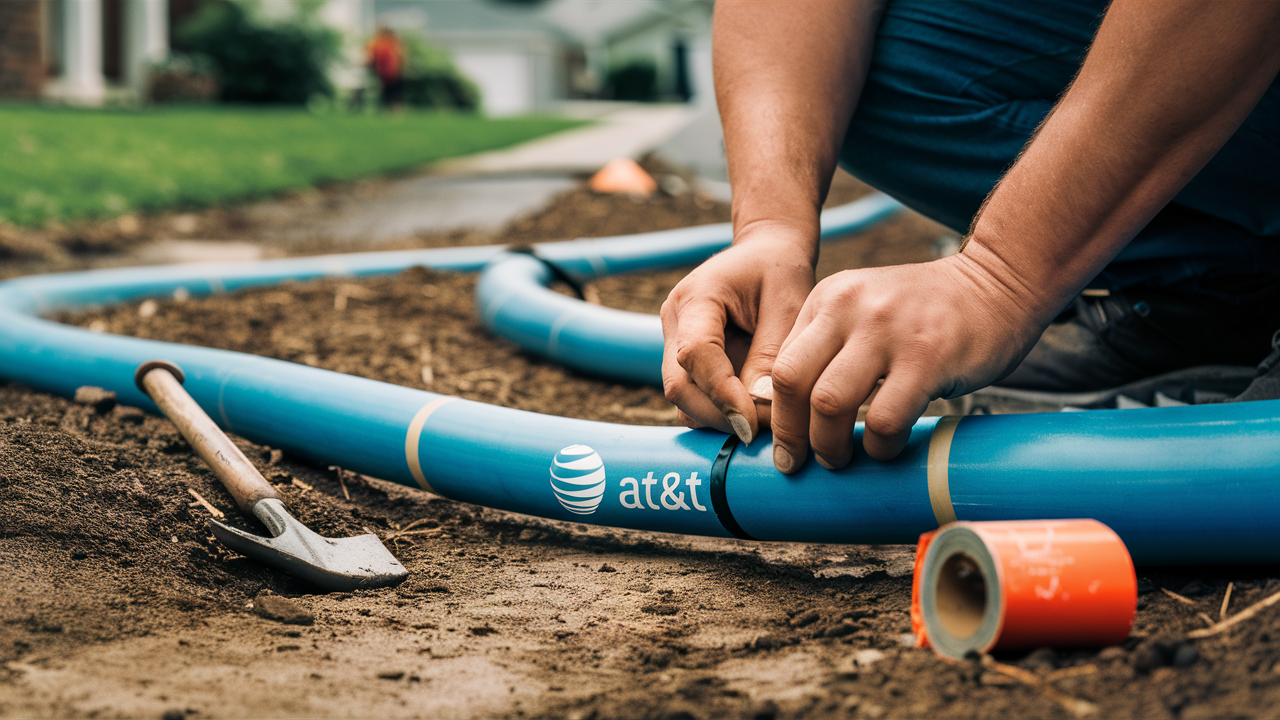
If your installation requires undergrounding, this is a critical phase. Technicians will typically use a trencher to create a narrow trench from the point where the fiber line enters your property (often near the street or a utility box) to your home. In some cases, they might use directional boring technology, which drills underground without creating a visible trench, minimizing landscape disruption. A protective conduit (a plastic or metal tube) is then laid in the trench or bored pathway. This conduit serves as a protective casing for the delicate fiber optic cable. After the conduit is in place, the trench is backfilled and the area is restored as closely as possible to its original condition.
Fiber Optic Cable Pulling or Blowing
Once the conduit is in place (or if the fiber is being run aerially), the actual fiber optic cable is installed. For underground installations, the cable is typically pulled through the conduit. Modern techniques also involve "blowing" the fiber through the conduit using compressed air, which is faster and less physically demanding. For aerial installations, the fiber cable is attached to existing utility poles and strung to your home, often secured to the same poles that carry other utilities. The cable is carefully managed to avoid kinks or damage.
Termination and Equipment Setup
At your home, the fiber optic cable is brought inside to a designated location, usually where your modem and router will be placed. The technician will terminate the fiber, which involves precisely connecting the fiber strands to a small device called an Optical Network Terminal (ONT). The ONT converts the light signals from the fiber optic cable into electrical signals that your internet equipment can use. The technician will then connect your AT&T modem and router to the ONT and ensure they are properly configured.
Testing and Activation
The final step is to test the connection thoroughly. The technician will run speed tests and check for signal strength and stability to ensure you are receiving the internet service you subscribed to. They will verify that all your devices can connect to the network and that the service is active. Once all tests are satisfactory and you confirm the service is working as expected, the installation is complete. You'll typically receive information on how to manage your account and troubleshoot common issues.
Aerial vs. Underground Fiber Installation: A Comparison
Choosing between aerial and underground fiber installation involves weighing distinct advantages and disadvantages for both AT&T and the homeowner. The decision is often a compromise based on the factors previously discussed.
| Feature | Aerial Installation | Underground Installation |
|---|---|---|
| Cost | Generally lower upfront cost. | Higher upfront cost due to trenching/boring and restoration. |
| Installation Time | Often faster to deploy. | Can be slower due to excavation, permits, and restoration. |
| Durability & Reliability | More susceptible to weather damage (wind, ice, falling branches), physical damage from vehicles or equipment. | More protected from weather and physical damage, generally more reliable long-term. |
| Aesthetics | Can be visually unappealing with visible wires and poles. | Cleaner look, no visible wires or poles. |
| Maintenance & Repair | Easier to access for repairs, but repairs may be more frequent due to exposure. | More difficult and costly to access for repairs, but repairs are typically less frequent. |
| Landscape Impact | Minimal impact on immediate yard, but poles can be intrusive. | Temporary disruption to yard during trenching; requires restoration. |
In 2025-26, AT&T continues to prioritize fiber expansion, and the choice between aerial and underground often comes down to the specific deployment strategy for a given area. While undergrounding offers superior protection and aesthetics, the cost and complexity can sometimes make aerial the more practical solution, especially in areas with existing aerial infrastructure.
What to Expect During Your AT&T Fiber Installation
Preparing for your AT&T Fiber installation involves understanding the process from scheduling to completion. Being informed can lead to a smoother experience.
Scheduling Your Appointment
Once you've confirmed AT&T Fiber is available at your address and placed an order, you'll be contacted to schedule an installation appointment. AT&T typically offers appointment windows, and you'll need to be present for the entire duration. It's advisable to clear your schedule as much as possible. You'll be informed whether the installation is expected to be aerial or underground, though sometimes the final determination is made on-site by the technician based on conditions.
Preparation Before the Technician Arrives
Before the technician arrives, ensure clear access to the outside of your home where the connection will be made (e.g., near the street, utility pole, or existing demarcation point). If the installation is underground, ensure the technician can access the path from the street to your house. It's also a good idea to have a general idea of where you'd like your modem and router to be located inside your home. If you have specific concerns about landscaping or sprinkler systems, it's wise to mark them clearly or communicate them beforehand.
During the Installation
The technician will first assess the property and confirm the installation plan. They will then proceed with running the fiber optic cable. If it's an underground installation, this involves trenching or boring and laying the conduit. For aerial installations, they will attach the cable to poles and run it to your home. Inside, they will install the ONT and connect your AT&T equipment. The process can take anywhere from a few hours to a full day, depending on the complexity of the installation and whether it's underground or aerial. The technician will aim to minimize disruption to your property.
After the Installation
Once the installation is complete, the technician will test the connection and ensure everything is working correctly. They will explain how to use your new equipment and provide any necessary documentation. You'll be able to connect your devices and start enjoying your high-speed AT&T Fiber internet. If you encounter any immediate issues, the technician can address them before leaving. For any subsequent problems, you can contact AT&T customer support.
Common Concerns and Questions About Buried Fiber
Homeowners often have specific questions and concerns when AT&T Fiber is being installed underground. Addressing these proactively can alleviate anxiety and ensure a smoother process.
Will My Yard Be Dug Up?
Yes, if AT&T Fiber is installed underground, your yard will likely be trenched or bored. A narrow trench, typically only a few inches wide, will be dug from the point of entry at the street or property line to your home. The depth is usually sufficient to protect the conduit and cable. While the process is designed to be minimally invasive, some disruption to your lawn, landscaping, or garden is expected. AT&T aims to restore the area as closely as possible to its original condition after the cable is laid and the trench is backfilled.
How Deep is AT&T Fiber Buried?
The depth at which AT&T Fiber is buried can vary based on local regulations, soil conditions, and the specific type of conduit used. However, a common standard depth for buried utility lines, including fiber optic cables, is typically between 12 to 24 inches. This depth is intended to protect the cable from accidental damage from gardening, landscaping, or minor excavation. Specific local ordinances might dictate a minimum or maximum depth. AT&T technicians are trained to adhere to these regulations and best practices.
What If I Hit the Fiber Line?
Hitting a buried fiber optic cable can be a serious issue. Unlike electrical lines, fiber optic cables do not pose an electrocution risk, but they are essential for your internet service. If you accidentally damage a buried AT&T Fiber line during digging, gardening, or other landscaping activities, it's crucial to immediately contact AT&T. Do not attempt to repair it yourself. AT&T has specialized teams that can diagnose the issue, excavate the damaged area, and repair or replace the cable. There may be charges associated with repairs caused by accidental damage to the line after installation. Always call 811 before you dig to have underground utilities marked.
How Long Does Underground Installation Take?
The duration of an underground AT&T Fiber installation can vary significantly. A straightforward installation in soft soil with easy access might take only a few hours. However, if the route is long, the terrain is difficult (rocky, sloped), or permits are complex, it could take a full day or even require multiple visits. The process involves trenching or boring, laying conduit, pulling or blowing the fiber, installing the ONT inside, and then testing. Restoration of the yard also adds to the overall time. For comparison, aerial installations are often completed in a single visit, typically within 2-4 hours.
Benefits of Underground Fiber Optic Cables
The decision to bury AT&T Fiber, where feasible, is driven by a number of significant advantages:
- Enhanced Durability and Reliability: Underground cables are protected from harsh weather conditions like high winds, ice storms, lightning strikes, and falling trees or branches that can easily damage aerial lines. This leads to fewer service interruptions and greater overall network stability.
- Improved Aesthetics: Burying fiber optic cables eliminates the visual clutter of overhead wires and utility poles, contributing to a cleaner, more attractive streetscape and neighborhood appearance. This is particularly valued in newer developments and communities with aesthetic standards.
- Reduced Risk of Damage: Underground cables are less susceptible to accidental damage from vehicles, construction equipment, or vandalism. This protection contributes to the longevity and integrity of the network infrastructure.
- Long-Term Cost Savings: While the initial installation cost is higher, underground fiber often results in lower long-term maintenance and repair costs due to its protected nature.
- Future-Proofing: As technology advances, underground conduits can be used to upgrade or replace fiber optic cables with newer technologies without the need for extensive new trenching, offering a more adaptable infrastructure.
Drawbacks of Underground Fiber Optic Cables
Despite the numerous benefits, underground fiber installation also presents challenges:
- Higher Initial Cost: The primary drawback is the significantly higher upfront expense associated with trenching, boring, conduit installation, and landscape restoration compared to aerial deployment.
- Installation Complexity and Time: Underground installations are more labor-intensive and can take longer to complete, often requiring specialized equipment and careful planning to navigate existing underground utilities.
- Disruption to Landscaping: Trenching inevitably causes temporary disruption to lawns, gardens, and other landscaping features, requiring restoration efforts.
- Difficult Repairs: Locating and repairing a damaged underground fiber cable can be more complex and costly than repairing an aerial cable, as it requires excavation to access the buried line.
- Environmental Factors: In areas with very rocky soil, high water tables, or unstable ground, underground installation can be technically challenging and may not be feasible or cost-effective.
AT&T Fiber Availability and Expansion (2025-26)
AT&T has been aggressively expanding its fiber optic network across the United States. In 2025-26, the company continues to invest billions of dollars to bring its high-speed fiber internet to more homes and businesses. This expansion includes both new builds in previously underserved areas and upgrades to existing infrastructure in established markets. The deployment strategy often prioritizes areas with high demand and potential for growth. While specific city-by-city rollouts are announced periodically, the general trend is a significant push towards fiberization. This means that more customers will likely encounter AT&T Fiber as an option, and the installation methods, including undergrounding, will continue to be employed where practical and cost-effective. Customers are encouraged to check the AT&T website for the most up-to-date availability information for their specific address. The ongoing expansion ensures that the question of "Is AT&T Fiber buried?" will become more relevant to a growing number of households.
Making the Right Choice for Your Home
When considering AT&T Fiber, understanding the installation method is part of the decision-making process. While the question of whether AT&T Fiber is buried is important, the ultimate goal is to secure a reliable, high-speed internet connection. Whether your fiber is installed underground or aerially, the underlying technology promises superior performance compared to older internet types.
If underground installation is a priority for you due to aesthetic preferences or a desire for maximum protection against the elements, you can inquire about this possibility when ordering service. However, be prepared that the final decision rests with AT&T based on technical feasibility and cost-effectiveness for your specific location. If aerial installation is the only option, remember that modern fiber optic cables are designed for durability, and AT&T technicians strive for neat and secure installations.
Ultimately, the benefits of AT&T Fiber – blazing-fast speeds, low latency, and increased bandwidth – are consistent regardless of the installation method. Focus on confirming availability, understanding the installation process for your area, and preparing for the technician's visit to ensure a smooth transition to a superior internet experience. For those in areas undergoing new fiber deployment, the trend towards undergrounding is likely to continue where practical, offering a glimpse into the future of telecommunications infrastructure.
In conclusion, AT&T Fiber installation can involve buried cables, but it's not a universal standard. The method employed depends on a complex interplay of existing infrastructure, terrain, local regulations, and economic considerations. While undergrounding offers benefits like enhanced durability and aesthetics, aerial installation remains a common and often more practical solution in many areas. Understanding these factors, preparing for the technician's visit, and knowing what to expect during and after the installation will help ensure a positive experience with your new high-speed AT&T Fiber service. Always prioritize checking availability for your specific address and discussing any concerns with AT&T representatives.