Is AT&T buying out Verizon?
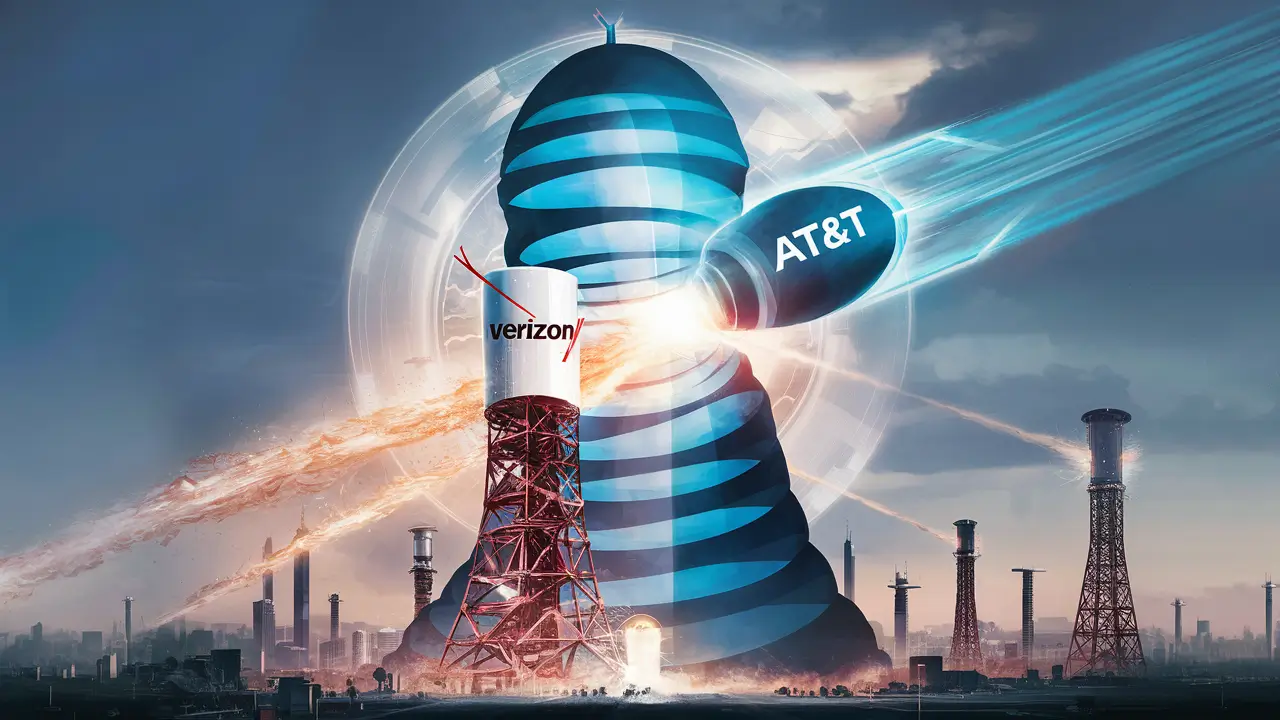
The question of whether AT&T is buying out Verizon is a significant one for consumers and industry observers alike. This in-depth analysis will explore the current landscape, debunk rumors, and provide a clear picture of the telecommunications market's dynamics, offering insights relevant to 2025-26.
Rumors vs. Reality: Decoding the AT&T and Verizon Acquisition Buzz
The telecommunications industry is a hotbed of speculation, and the idea of a colossal merger between two giants like AT&T and Verizon has long been a recurring whisper. However, a deep dive into the current market dynamics, financial realities, and regulatory landscapes of 2025-26 reveals that such a scenario is highly improbable, if not impossible. This article aims to dissect the persistent rumors surrounding an AT&T buyout of Verizon, separating fact from fiction and providing a comprehensive overview of why this monumental acquisition is unlikely to materialize. We will explore the underlying reasons, from immense financial barriers to stringent antitrust regulations, and consider the strategic priorities of both companies in the current competitive environment. For anyone seeking clarity on the future of these telecom titans, this analysis offers an authoritative perspective.
The persistent rumors about AT&T acquiring Verizon are a fascinating case study in market speculation. These whispers often gain traction during periods of significant industry change, intense competition, or when one company undergoes a major strategic shift. In 2025-26, the telecommunications sector is characterized by rapid technological advancements, evolving consumer demands, and a complex regulatory framework. While the idea of consolidating two of the largest mobile carriers in the United States might seem like a way to streamline operations and reduce competition, the practicalities are far more intricate.
Several factors contribute to the longevity of these rumors. Firstly, both AT&T and Verizon are publicly traded companies, and their financial performance, strategic decisions, and market share are constantly under scrutiny. Any perceived weakness or aggressive move by one can fuel speculation about potential M&A activity. Secondly, the history of the telecom industry is replete with significant mergers and acquisitions. Major deals, such as the proposed T-Mobile and Sprint merger (which eventually went through), create a precedent and encourage analysts and the public to consider similar possibilities for other industry leaders.
However, the scale of an AT&T-Verizon merger presents unique challenges that differentiate it from past consolidations. The sheer size of these entities means that any such transaction would face unprecedented scrutiny from antitrust regulators. The implications for market competition, consumer choice, and pricing would be profound, making approval extremely difficult. Furthermore, the financial undertaking required to acquire a company of Verizon's magnitude would be astronomical, even for a company as large as AT&T. This would involve immense debt, potential stock dilution, and a complex integration process that could destabilize both organizations.
In essence, while the rumor mill may continue to churn, the current realities of the 2025-26 telecommunications market, combined with deep-seated regulatory and financial obstacles, paint a clear picture: an AT&T buyout of Verizon is an extremely unlikely prospect. This article will delve into the specifics of why this is the case, examining the financial health of both companies, the regulatory environment, and the strategic paths they are currently pursuing.
The 2025-26 Telecommunications Market: A Competitive Overview
The telecommunications landscape in 2025-26 is defined by intense competition, rapid technological evolution, and a dynamic interplay between established players and emerging disruptors. The market is no longer solely about voice and data plans; it encompasses a vast ecosystem of connected devices, streaming services, cloud solutions, and enterprise-level network infrastructure. AT&T and Verizon, as the two largest mobile network operators in the United States, operate at the forefront of this complex environment.
The primary competitors remain AT&T, Verizon, and T-Mobile. However, the competitive intensity has been significantly amplified by several factors:
- 5G Deployment and Monetization: The ongoing rollout and expansion of 5G networks are central to the competitive strategy. Companies are investing heavily not only in infrastructure but also in developing new services and applications that leverage 5G's capabilities, such as enhanced mobile broadband, low-latency communication for gaming and AR/VR, and massive IoT connectivity. The race to capture market share in 5G-enabled services is fierce.
- Fixed Wireless Access (FWA): FWA, particularly leveraging 5G, has emerged as a significant challenger to traditional cable and fiber broadband providers. Both AT&T and Verizon are aggressively pursuing FWA strategies to capture home and business internet customers, creating new competitive fronts.
- Content and Media Integration: The convergence of telecommunications and media continues. AT&T, with its past investments in WarnerMedia (though now divested, its strategic thinking persists), and Verizon's own content and advertising ventures, demonstrates the industry's move towards offering bundled services that include entertainment. This aims to increase customer stickiness and create new revenue streams.
- Enterprise Solutions: Beyond consumer services, the enterprise market is a critical battleground. Companies are increasingly relying on robust, secure, and scalable network solutions for their operations, including private 5G networks, IoT management, and cloud connectivity. Both AT&T and Verizon are heavily invested in capturing this lucrative segment.
- MVNOs and Niche Players: Mobile Virtual Network Operators (MVNOs) continue to offer competitive pricing and specialized plans, putting pressure on the major carriers. Furthermore, companies like Google Fi and others are carving out niches by offering unique value propositions.
- Satellite Internet Expansion: While not directly competing in the mobile space, the increasing availability and performance of satellite internet services (like Starlink) are beginning to offer viable alternatives in rural and underserved areas, further fragmenting the broadband market.
In this multi-faceted competitive arena, a merger between AT&T and Verizon would fundamentally alter the market structure. It would reduce the number of major mobile network operators from three to two, creating a duopoly that would likely attract significant regulatory attention. The rationale behind such a merger, from a competitive standpoint, would need to address how it would enhance innovation, benefit consumers, or improve network efficiency in a way that outweighs the significant reduction in competition. Given the current trends towards diversification and specialized services, it's more likely that both companies will continue to pursue distinct strategies to capture different market segments rather than consolidate into a single entity.
Financial Health and Strategic Moves: AT&T and Verizon's Positions
Understanding the financial standing and strategic direction of both AT&T and Verizon is crucial to assessing the feasibility of any acquisition. In 2025-26, both companies are navigating complex financial landscapes, marked by substantial investments in infrastructure, evolving revenue streams, and ongoing efforts to optimize their balance sheets.
AT&T Financial Snapshot (2025-26)
AT&T's financial strategy in the current period is largely focused on deleveraging its balance sheet after significant past acquisitions and divesting non-core assets to concentrate on its primary telecommunications and connectivity businesses.
- Revenue Streams: AT&T's revenue is primarily driven by its Mobility segment (wireless services), Consumer Wireline (broadband and home internet), and Business Wireline (enterprise connectivity, cloud services, and managed networks). The company has been actively growing its fiber broadband footprint and expanding its 5G network.
- Capital Expenditures: Significant capital expenditure continues to be allocated towards 5G network buildout, fiber expansion, and network modernization. This is a critical investment for maintaining competitive parity and enabling future growth opportunities.
- Debt Management: A key financial priority for AT&T has been reducing its substantial debt load. Through strategic divestitures (such as the WarnerMedia transaction) and operational cash flow generation, the company has made strides in improving its financial flexibility. However, its debt remains a significant factor in its financial operations.
- Profitability: AT&T aims for steady growth in profitability, driven by subscriber additions in its core segments and the monetization of its advanced network capabilities. The company is focused on increasing Average Revenue Per User (ARPU) and optimizing operational efficiency.
Verizon Financial Snapshot (2025-26)
Verizon, similar to AT&T, is heavily invested in its network infrastructure and is diversifying its offerings beyond traditional wireless services.
- Revenue Streams: Verizon's core revenue comes from its Consumer and Business segments, encompassing wireless services, broadband internet (including FWA), and enterprise solutions. The company has been emphasizing its 5G Ultra Wideband network and its associated services.
- Capital Expenditures: Verizon continues to invest heavily in its 5G network, particularly in densifying its mmWave spectrum for high-speed urban deployments and expanding its C-band spectrum for broader coverage. Investments in fiber and FWA are also significant.
- Financial Health: While Verizon has also managed significant debt, its financial strategy often emphasizes strong free cash flow generation to fund dividends and capital expenditures. The company's focus is on maintaining a robust network and expanding its service offerings to capture higher-value customers.
- Profitability Drivers: Verizon focuses on customer retention, ARPU growth through service bundles and higher-tier plans, and expanding its presence in the enterprise market with advanced connectivity solutions.
Strategic Imperatives Driving Decisions
Both AT&T and Verizon are driven by several key strategic imperatives that make a merger unlikely:
- Network Leadership: Maintaining and enhancing their 5G and fiber networks is paramount. This requires continuous, substantial capital investment, which is often easier to manage as a standalone entity with focused capital allocation.
- Customer Acquisition and Retention: Competition is fierce, and both companies are focused on acquiring new subscribers and retaining existing ones through competitive pricing, innovative plans, and superior network performance.
- Diversification of Revenue: Moving beyond traditional connectivity, both are exploring revenue streams in areas like cloud, IoT, edge computing, and potentially content or advertising technologies. These diverse strategies might be better pursued independently.
- Operational Efficiency: While mergers can promise efficiency, the integration of two massive, complex organizations like AT&T and Verizon would be incredibly challenging and disruptive. Both companies are likely focused on optimizing their existing operations rather than undertaking such a monumental integration.
- Shareholder Value: Both companies are committed to delivering value to their shareholders. The immense risks and complexities associated with a merger would need to be weighed against the potential benefits, which are far from guaranteed.
Financially, the sheer scale of a potential acquisition is daunting. The market capitalization of both companies in 2025-26 would likely be in the hundreds of billions of dollars. Acquiring Verizon would require AT&T to raise an enormous amount of capital, either through debt or equity, which would significantly strain its balance sheet and likely dilute existing shareholder value. Furthermore, the integration costs and complexities of merging two such vast organizations—with different corporate cultures, IT systems, and operational structures—would be immense and could derail strategic progress for years.
Regulatory Hurdles and Antitrust Concerns
The most significant impediment to any hypothetical AT&T acquisition of Verizon is the formidable regulatory landscape, particularly concerning antitrust laws. In 2025-26, regulators at the Federal Communications Commission (FCC) and the Department of Justice (DOJ) are highly attuned to the potential for market consolidation to harm consumers.
The United States telecommunications market, while competitive, is already concentrated. A merger of AT&T and Verizon would reduce the number of major national mobile carriers from three to two. This would create a duopoly that would likely dominate the market, raising serious concerns about:
- Reduced Competition: With only two major players, the incentive for aggressive pricing and service innovation would be significantly diminished. Competitors would have less leverage, and consumers might face fewer choices and potentially higher prices.
- Market Power: The combined entity would wield immense market power, controlling a vast majority of the mobile subscriber base and network infrastructure. This could allow them to dictate terms to consumers, businesses, and even content providers.
- Spectrum Allocation: Both companies hold significant amounts of valuable radio spectrum. A merger would consolidate an enormous portion of this finite resource, raising concerns about its efficient use and availability for future competitors or new technologies.
- National Security Implications: The control of critical communication infrastructure by such a consolidated entity would also raise national security considerations, particularly regarding data privacy and network resilience.
The history of antitrust enforcement in the telecom sector provides ample precedent. The U.S. Department of Justice has historically scrutinized mergers that could lead to significant reductions in competition. While the T-Mobile and Sprint merger was eventually approved, it was under strict conditions and followed years of intense debate and required concessions. An AT&T-Verizon merger would be on an entirely different scale of consolidation, presenting an even greater challenge for regulators.
For such a merger to even be considered by regulators, AT&T would likely need to propose substantial divestitures of assets, including spectrum and potentially entire customer bases, to an existing competitor (like T-Mobile) or a new entrant. However, the scale of such divestitures required to satisfy antitrust concerns would be so massive that it might render the merger strategically unviable for AT&T.
Furthermore, public sentiment and advocacy groups would likely mount significant opposition, highlighting the potential negative impacts on consumers, especially in terms of affordability and service quality. Regulators would be under immense pressure to protect consumer interests, making approval a monumental task.
In summary, the antitrust and regulatory hurdles are so high that they represent a near-insurmountable barrier to an AT&T acquisition of Verizon in the current and foreseeable regulatory climate of 2025-26. The focus of regulators is on promoting competition, not consolidating it to such an extreme degree.
What an Acquisition Would Mean for Consumers
If, hypothetically, an AT&T buyout of Verizon were to occur, the ramifications for consumers would be profound and far-reaching. The reduction of major players in the market would inevitably lead to shifts in pricing, service offerings, network development, and customer support.
Pricing and Plans
The most immediate concern for consumers would be the potential for increased prices. With fewer major competitors, the pressure to offer aggressive pricing and promotions would diminish significantly.
- Reduced Competition, Higher Prices: In a duopoly, the remaining two giants would have substantial pricing power. Consumers might see an end to the fierce price wars that have characterized the market, leading to higher monthly bills for mobile service, home internet, and bundled packages.
- Fewer Value-Oriented Options: The market for budget-friendly plans and unlimited data offerings might shrink. Companies often introduce lower-cost tiers or promotions to attract customers from rivals. With fewer rivals, these incentives could disappear.
- Bundling Strategies: The combined entity might leverage its expanded customer base and service portfolio to create more complex bundles. While this could offer perceived value, it might also lock consumers into services they don't need, making it harder to opt for standalone services.
Network Coverage and Quality
The impact on network coverage and quality is a complex issue. While consolidation could theoretically lead to more efficient network buildouts, it could also slow down innovation and investment in certain areas.
- Potential for Network Consolidation: The combined company would likely seek to rationalize its network infrastructure, potentially leading to the shutdown of redundant cell sites or the repurposing of spectrum. This could result in improved coverage in some areas but might also lead to reduced service in others, particularly if there's less incentive to invest in less profitable rural regions.
- Pace of 5G and Future Technology Rollout: While the combined entity would have vast resources, the singular focus on integrating two massive networks could divert resources and attention away from the rapid deployment of next-generation technologies. The competitive pressure to be the first or the best in 5G deployment might lessen.
- Spectrum Optimization: A major driver for such a merger might be spectrum consolidation. The combined entity would control a significant portion of available spectrum. How this spectrum is utilized—whether for broader coverage, higher speeds, or new services—would significantly impact network quality for consumers.
Customer Service and Innovation
Customer service and innovation are often the first areas to be impacted by major mergers.
- Customer Service Challenges: Integrating two large customer service operations is notoriously difficult. Consumers could face longer wait times, more complex automated systems, and a general decline in personalized support during the transition period.
- Reduced Innovation Drive: Without the direct competitive pressure from a major rival, the impetus for groundbreaking innovation might decrease. While the combined company would still innovate, the urgency and breadth of new product and service development could be curtailed.
- Impact on Business Customers: For enterprise clients, the consolidation could mean fewer choices for critical network services, potentially leading to less flexibility and higher costs for specialized solutions.
In essence, while proponents might argue for efficiencies and improved network reach, the most probable outcome for the average consumer would be a less competitive market characterized by higher prices, potentially slower innovation, and a challenging customer service experience during the integration phase. The long-term impact would depend heavily on how regulators managed the process and whether the combined entity prioritized consumer welfare alongside profit.
Alternative Scenarios: Mergers, Acquisitions, and Partnerships
Given the unlikelihood of a direct AT&T acquisition of Verizon, it's more productive to consider other potential strategic moves that are more plausible in the 2025-26 telecommunications market. The industry is dynamic, and companies are constantly evaluating opportunities to enhance their competitive position, expand their service offerings, or enter new growth areas.
Instead of a colossal merger between the top two, we might see more targeted acquisitions, strategic partnerships, or even smaller-scale consolidations. These could include:
- Acquisition of Smaller Players: AT&T or Verizon might acquire smaller MVNOs or regional carriers to gain access to specific customer segments, spectrum licenses, or innovative technologies. For instance, acquiring a company with a strong IoT platform or a niche enterprise solution could be strategically valuable.
- Fiber Network Partnerships/Acquisitions: As the demand for high-speed broadband continues to grow, companies might partner with or acquire regional fiber providers to accelerate their fiber deployment efforts, especially in areas where building out their own infrastructure is cost-prohibitive.
- Content and Technology Acquisitions: While AT&T has divested much of its media empire, the trend of integrating content and technology with connectivity persists. Either company might acquire smaller technology firms specializing in areas like AI, edge computing, cybersecurity, or specialized cloud services to enhance their enterprise offerings.
- 5G Infrastructure Sharing/Joint Ventures: To reduce the immense cost of 5G deployment, particularly in less densely populated areas, companies might engage in infrastructure sharing agreements or joint ventures. This allows them to share the capital burden while still competing on service and customer experience.
- Strategic Partnerships for New Technologies: Collaborations with tech giants, automotive manufacturers, or industrial companies could lead to the development of new 5G-enabled services. For example, partnerships to build out private 5G networks for factories or to develop connected car ecosystems are likely.
- Focus on Specific Market Segments: Instead of broad consolidation, companies might focus on acquiring or developing capabilities in high-growth segments. This could include strengthening their position in the enterprise market, expanding their IoT solutions, or investing in cloud and edge computing infrastructure.
- T-Mobile's Strategic Moves: T-Mobile, now the third major player, will also be actively pursuing its own strategic initiatives. It might look to acquire complementary businesses or form partnerships to solidify its position and continue its growth trajectory.
These alternative scenarios are more aligned with the current market trends and regulatory environment. They allow companies to achieve strategic goals—such as expanding network reach, acquiring new technologies, or entering new markets—without triggering the massive antitrust concerns associated with a merger of AT&T and Verizon. The focus remains on targeted growth and specialization rather than sweeping consolidation.
Expert Analysis and Projections for 2025-26
Industry analysts and financial experts overwhelmingly agree that an AT&T acquisition of Verizon is highly improbable in the current market and regulatory climate of 2025-26. The consensus points to a continuation of the existing competitive structure, albeit with ongoing evolution and strategic realignments.
Here’s a breakdown of expert perspectives:
- Antitrust as the Primary Barrier: Experts consistently cite antitrust regulations as the most significant obstacle. The Department of Justice and the FCC have made it clear that they are wary of further consolidation in the telecom sector, especially one that would reduce the number of major national carriers from three to two. The precedent set by the T-Mobile/Sprint merger, which required significant concessions, indicates the high bar for any future large-scale consolidation.
- Financial and Operational Complexity: The sheer financial scale of such a transaction is daunting. The debt burden, integration costs, and potential for operational disruption are immense. Analysts project that the resources and management focus required for such a merger would likely outweigh any perceived benefits, leading to significant execution risk.
- Strategic Focus on Differentiation: Rather than consolidation, experts predict that AT&T and Verizon will continue to focus on differentiating themselves through network quality, service innovation, and targeted market strategies. This includes:
- 5G Monetization: Both companies are expected to intensify efforts to monetize their 5G investments through new consumer and enterprise services, including Fixed Wireless Access, IoT solutions, and enhanced mobile broadband.
- Fiber Expansion: Continued investment in fiber-to-the-home networks will be a key differentiator for broadband services, especially in competition with cable and FWA.
- Enterprise Solutions: The enterprise market remains a critical growth area, with both companies focusing on providing advanced connectivity, cloud services, cybersecurity, and private network solutions.
- The Role of T-Mobile: T-Mobile is expected to continue its aggressive growth strategy, leveraging its 5G network and customer-centric approach. Its presence as a strong third player is seen as vital for maintaining a competitive market.
- Potential for Smaller, Strategic Deals: While mega-mergers are unlikely, experts anticipate that AT&T and Verizon will remain active in pursuing smaller, strategic acquisitions or partnerships. These deals would likely be aimed at acquiring specific technologies, spectrum, or market access, rather than outright consolidation of customer bases.
- Focus on Profitability and Efficiency: Both companies are under pressure to demonstrate consistent profitability and operational efficiency. This will likely lead to a focus on optimizing existing assets, streamlining operations, and divesting non-core businesses, rather than undertaking the massive integration of a merger.
In summary, the expert consensus for 2025-26 is that the telecommunications market will remain dominated by AT&T, Verizon, and T-Mobile, with each company pursuing its own distinct strategic path. The notion of AT&T buying Verizon is considered a distant, highly improbable scenario, primarily due to insurmountable regulatory and financial barriers. The focus will remain on technological advancement, service innovation, and targeted growth within the existing competitive framework.
Conclusion: The Verdict on AT&T Buying Verizon
After a thorough examination of the telecommunications market in 2025-26, including financial realities, strategic imperatives, and the formidable regulatory landscape, the verdict is clear: the prospect of AT&T buying out Verizon is exceptionally unlikely. The persistent rumors, while captivating, do not align with the practicalities of operating in today's highly regulated and competitive environment.
The primary barriers are twofold: insurmountable antitrust concerns and the sheer financial and operational complexity. Regulators are highly protective of market competition, and a merger reducing the major national carriers to just two would face an uphill battle, likely insurmountable, for approval. Furthermore, the astronomical cost and intricate integration process would pose significant risks to both companies' financial stability and operational effectiveness.
Instead of such a monumental consolidation, expect AT&T and Verizon to continue their individual strategic paths, focusing on 5G network leadership, fiber expansion, and growth in enterprise solutions. They will likely engage in more targeted, smaller acquisitions and strategic partnerships to enhance their capabilities and market positions. The focus for both companies in 2025-26 and beyond will be on innovation, customer acquisition, and operational efficiency within the existing competitive framework, rather than on attempting a merger that is fundamentally at odds with market dynamics and regulatory oversight. For consumers, this means a continued, albeit evolving, competitive landscape with multiple choices, driven by the ongoing efforts of AT&T, Verizon, and T-Mobile to capture market share through distinct offerings and network advancements.