How To Reboot Xfinity Cable Box?
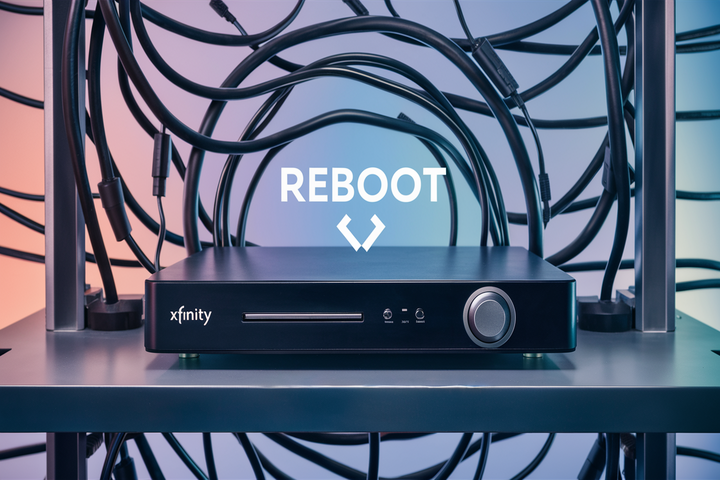
Experiencing glitches with your Xfinity cable box? A simple reboot can often resolve common issues like frozen screens, slow performance, or lost channels. This comprehensive guide walks you through the easiest and most effective ways to reboot your Xfinity cable box, ensuring you get back to seamless entertainment quickly and efficiently.
Understanding Cable Box Reboots
A reboot, often referred to as a power cycle, is a fundamental troubleshooting step for most electronic devices, including your Xfinity cable box. It involves temporarily cutting off the power supply to the device and then restoring it. This process forces the device to shut down completely and then restart its operating system and all associated processes from a clean slate. Think of it like restarting your computer when it becomes sluggish or unresponsive; it clears out temporary memory (RAM) and closes down any errant processes that might be causing problems.
For cable boxes, this means that any temporary software glitches, network connection hiccups, or minor errors that have accumulated over time are cleared. This can resolve a surprising number of issues without needing more complex interventions. It's the first line of defense when your cable service isn't performing as expected, and it's a process that most users can perform themselves with minimal effort.
Why Reboot Your Xfinity Cable Box?
The primary reason to reboot your Xfinity cable box is to resolve minor technical glitches and performance issues. Over time, like any complex electronic device, your cable box can encounter temporary software bugs or network interruptions that disrupt its normal operation. These can manifest in various ways, from picture freezing to audio dropouts or the inability to access certain features.
A reboot effectively acts as a system refresh. It clears the device's temporary memory, which might be holding onto corrupted data or stuck processes. It also forces the box to re-establish its connection with the Xfinity network, ensuring it has the latest programming information and is communicating correctly with Comcast's servers. In 2025-26, with the increasing complexity of streaming services and interactive features integrated into cable boxes, regular reboots can be even more crucial for maintaining optimal performance. Many users report that a simple reboot resolves issues that they initially thought required a technician visit.
Common Issues Resolved by a Reboot
Many everyday annoyances with your Xfinity cable box can be fixed with a simple reboot. Here are some of the most common problems that a power cycle can resolve:
- Frozen or Pixelated Picture: If your TV screen is stuck on a single frame or displaying blocky, distorted images, a reboot can often clear the corrupted video stream.
- No Audio or Intermittent Sound: Sound issues, whether complete silence or crackling/dropping audio, can frequently be resolved by restarting the box.
- Channels Not Loading or Missing: If you're seeing "No Signal" messages for channels you normally receive, or if entire channel packages seem to have disappeared, a reboot can help re-establish the correct channel lineup.
- Slow Channel Changing: A sluggish interface, where it takes a long time to switch between channels, can be a sign of a system overload that a reboot can fix.
- On-Screen Menu or Guide Issues: Problems with the Electronic Program Guide (EPG) not displaying correctly, being slow to load, or showing incorrect information can often be resolved.
- Remote Control Unresponsiveness: While sometimes a remote issue, a reboot of the cable box can also resolve communication problems between the remote and the box.
- Xfinity App or On-Demand Not Working: If you're having trouble accessing Xfinity's streaming apps or On-Demand content, a reboot can refresh the box's network connection.
- Error Messages: Many generic error codes or messages that appear on your screen can be cleared by restarting the device.
In 2025, the integration of more advanced streaming capabilities means that these issues might arise more frequently due to the increased demands on the cable box's processing power and network stability. A reboot is a quick and easy way to maintain a smooth viewing experience.
Methods to Reboot Your Xfinity Cable Box
Xfinity offers several convenient ways to reboot your cable box, catering to different user preferences and situations. While the most common method involves physically disconnecting the power, there are also options to do it remotely, saving you a trip to the device itself. Understanding these methods ensures you can always get your service back online quickly.
The choice of method often depends on the accessibility of your cable box and whether you have immediate access to your remote or the internet. For instance, if your cable box is in a hard-to-reach location, using the remote or online method might be preferable. If you're unsure which method to use, the power cycle is always a reliable and universally applicable approach.
Method 1: The Power Cycle (Most Common)
This is the most straightforward and widely recommended method for rebooting your Xfinity cable box. It involves physically disconnecting and reconnecting the power cord.
Step-by-Step Power Cycle Guide:
- Locate the Power Cord: Find the power cord connected to the back of your Xfinity cable box. This cord typically plugs into the back of the box and then into a wall outlet or surge protector.
- Unplug the Power Cord: Carefully unplug the power cord from the back of the cable box itself. Alternatively, you can unplug it from the wall outlet or surge protector if that is more accessible.
- Wait for Complete Power Off: This is a crucial step. Allow the cable box to remain unplugged for at least 30 to 60 seconds. This ensures that all internal components have completely discharged and reset. Some sources recommend up to 2 minutes for a more thorough reset, especially if you've been experiencing persistent issues.
- Plug the Power Cord Back In: Reconnect the power cord to the cable box or the wall outlet.
- Observe the Boot Process: The cable box will begin its startup sequence. You'll typically see lights on the front of the box illuminate and blink as it boots up. This process can take anywhere from 2 to 10 minutes, depending on the model of your cable box and your internet connection speed.
- Wait for Stable Lights: Once the reboot is complete, the lights on the front of the box should stabilize, indicating that it has successfully connected to the Xfinity network and is ready for use. Your TV screen should also display the Xfinity interface.
Important Considerations for Power Cycling:
- Avoid Sudden Disconnections: While unplugging is necessary, avoid yanking the cord forcefully.
- Surge Protectors: If your cable box is plugged into a surge protector, ensure the surge protector itself is switched on after you plug the cable box back in.
- Modem/Router Reboot: In some cases, especially if you're experiencing internet connectivity issues alongside cable problems, you might also need to reboot your Xfinity modem and router. It's often recommended to reboot the modem first, then the router, and finally the cable box.
This method is effective because it guarantees a complete power interruption, forcing a full system reset. It's the go-to solution for most minor and moderate issues.
Method 2: Rebooting via the Xfinity Remote
Many Xfinity cable boxes, particularly the newer X1 models, offer a convenient way to reboot the device directly from your remote control. This is incredibly useful if your box is in a difficult-to-access location or if you simply prefer not to unplug anything.
Xfinity Remote Reboot Steps:
- Press the Xfinity Button: On your Xfinity remote, press the "Xfinity" button (often a house icon). This will bring up the main Xfinity menu on your TV screen.
- Navigate to Settings: Using the arrow keys on your remote, navigate to the "Settings" or "Gear" icon. Select it by pressing the "OK" or "Select" button.
- Find Device Settings: Within the Settings menu, look for an option like "Device Settings," "System Settings," or "About." Select this option.
- Locate the Reboot Option: In the Device Settings, you should find an option labeled "Reboot," "Restart Device," or something similar. Select this option.
- Confirm the Reboot: A confirmation prompt will likely appear, asking if you are sure you want to reboot the device. Select "Yes" or "Reboot" to proceed.
- Wait for the Process: The cable box will then initiate its reboot sequence. This process is similar to the power cycle, and it may take several minutes for the box to restart completely and for the picture and guide to return to normal.
Note: The exact menu path may vary slightly depending on your specific Xfinity cable box model and software version. If you cannot find the reboot option, consult your cable box's user manual or search for instructions specific to your model on the Xfinity website.
This method is efficient and requires no physical interaction with the cable box itself, making it a preferred choice for many users.
Method 3: Rebooting Through the Xfinity Website/App
Xfinity also provides the capability to reboot your cable box remotely through their official website or the Xfinity My Account app. This is an excellent option if your cable box is completely unresponsive or if you are away from home and want to troubleshoot an issue before you return.
Online Reboot Steps:
- Access Your Xfinity Account: Go to the Xfinity website (www.xfinity.com) and log in to your account using your username and password. Alternatively, open the Xfinity My Account app on your smartphone or tablet.
- Navigate to Equipment/Devices: Once logged in, find the section related to your services or equipment. This is often labeled "My Account," "My Services," "Devices," or "Equipment."
- Select Your Cable Box: You should see a list of your Xfinity equipment. Locate your cable box (it might be identified by its serial number or model name).
- Initiate the Reboot: Next to your cable box's information, you should find an option to "Reboot," "Restart," or "Refresh." Click or tap on this option.
- Confirm the Action: A confirmation message will likely appear. Confirm that you wish to proceed with the reboot.
- Wait for the Reboot to Complete: The Xfinity system will send a signal to your cable box to initiate a reboot. This process can take several minutes, similar to the other methods. You can monitor the status through the website or app, or by observing the lights on your cable box.
Important Notes for Online Reboot:
- Account Association: Ensure you are logged into the Xfinity account that is associated with the cable box you wish to reboot.
- Internet Connection: Your cable box needs to be connected to the internet for this method to work. If your internet is also down, this method may not be successful.
- App Availability: The Xfinity My Account app is available for both iOS and Android devices.
This method offers the ultimate convenience, allowing you to manage your equipment remotely. It's a testament to how technology has evolved to provide users with greater control over their home entertainment systems.
Troubleshooting Tips for Persistent Issues
While a reboot is often the magic bullet, sometimes issues persist even after a power cycle. In such cases, further troubleshooting steps can help identify and resolve the problem. Here are some additional tips to consider in 2025-26, where integrated streaming and smart features are more common:
Check All Connections
Ensure all cables are securely connected. This includes the coaxial cable (from the wall to the box), the HDMI cable (from the box to the TV), and the power cord. Loose connections are a common cause of signal loss and performance issues.
Verify Signal Strength
Some Xfinity cable boxes allow you to check signal strength. This information can often be found within the device settings menu. Poor signal strength can lead to pixelation and channel dropouts. If signal strength is consistently low, there might be an issue with the cabling in your home or the service line coming to your residence.
Update Software
Xfinity cable boxes typically update their software automatically. However, if you suspect an outdated software version is causing problems, you can sometimes manually check for updates within the device settings. Ensure your box is connected to the internet for this to work.
Test Different HDMI Ports and Cables
If you're experiencing video or audio issues, try connecting your cable box to a different HDMI port on your TV. If that doesn't help, try using a different HDMI cable. Cables can degrade over time or be faulty from the start.
Isolate the Problem
Try connecting your cable box to a different TV, if possible. This helps determine if the issue lies with the cable box itself or with your television. Similarly, if you have multiple cable boxes, see if the issue affects all of them or just one.
Check for Xfinity Service Outages
Sometimes, the problem isn't with your equipment but with Xfinity's service in your area. You can check for reported outages by visiting the Xfinity website, using the Xfinity My Account app, or calling their customer service line. In 2025, Xfinity's network infrastructure is vast, and while generally reliable, localized outages can occur.
Comparison of Reboot Methods and Scenarios
Understanding when to use each reboot method can optimize troubleshooting. The following table outlines common scenarios and the recommended reboot approach:
| Scenario | Recommended Reboot Method | Reasoning | Estimated Time |
|---|---|---|---|
| Frozen picture, no response to remote | Power Cycle (Physical Unplug) | Guarantees complete power interruption and system reset. | 5-15 minutes |
| Slow channel changing, minor guide glitches | Remote Reboot (via Xfinity Remote) | Convenient and quick for minor software hiccups. | 3-10 minutes |
| Intermittent audio dropouts, On-Demand issues | Online Reboot (Website/App) | Effective for network-related issues and convenient if box is inaccessible. | 5-15 minutes |
| Multiple issues, persistent problems after other methods | Power Cycle (Physical Unplug) for 2 minutes | Ensures a more thorough reset of all internal components. | 7-20 minutes |
| Away from home, need to reset box before arrival | Online Reboot (Website/App) | Allows remote management of equipment. | 5-15 minutes |
This comparative approach highlights that while all methods achieve a reboot, their effectiveness can be tailored to specific problems. For instance, a physical power cycle is generally considered the most robust method for resolving stubborn issues.
When to Call Xfinity Support
If you've exhausted all the troubleshooting steps, including multiple reboots and checking connections, and your Xfinity cable box is still not functioning correctly, it's time to contact Xfinity customer support. There are several indicators that suggest a call to support is necessary:
- Persistent Issues: If the problem reappears shortly after a reboot, or if the same issues (e.g., constant pixelation, no signal) continue despite your efforts, there might be a deeper hardware or service problem.
- No Power or Unresponsive: If the cable box shows no signs of life (no lights, no display) even after being plugged in and confirmed to have power, it could indicate a hardware failure.
- Error Codes You Can't Resolve: If you encounter specific error codes on your screen that are not resolved by a reboot and cannot be easily explained by online resources, Xfinity support can provide specific guidance.
- Physical Damage: If the cable box has suffered any physical damage (e.g., dropped, water damage), it will likely need to be replaced.
- New Installation Problems: If you've recently had a new Xfinity service installed and are experiencing immediate issues, contacting support is the best course of action.
- Billing or Service Inquiries: For any questions related to your bill, channel packages, or service plan, customer support is the appropriate channel.
When you call Xfinity support, be prepared to provide them with details about the troubleshooting steps you've already taken. This will help them diagnose the problem more efficiently. You can typically reach Xfinity support via phone, online chat, or through their social media channels. As of 2025, Xfinity continues to invest in its customer service infrastructure, offering various channels to assist users.
Preventative Maintenance for Your Cable Box
While not strictly a "reboot" function, adopting good practices can minimize the need for frequent troubleshooting. Here are some preventative maintenance tips for your Xfinity cable box:
- Ensure Proper Ventilation: Cable boxes generate heat. Make sure the box has adequate airflow around it. Avoid placing it in enclosed cabinets or stacking other electronics directly on top of it. Overheating can lead to performance issues and premature hardware failure.
- Use a Surge Protector: Protect your valuable electronics from power surges and spikes by plugging your cable box (and modem/router) into a quality surge protector. This can prevent damage from electrical fluctuations.
- Keep Software Updated: As mentioned, ensure your cable box is connected to the internet so it can receive automatic software updates. These updates often include bug fixes and performance enhancements.
- Regularly Check Connections: Periodically inspect the coaxial, HDMI, and power cables to ensure they are secure and not damaged.
- Avoid Dust Buildup: Dust can accumulate inside electronic devices and impede ventilation. Gently dust the exterior of your cable box and the vents periodically.
By implementing these simple preventative measures, you can help ensure your Xfinity cable box operates smoothly and reliably, reducing the likelihood of encountering issues that require frequent reboots or technical assistance.
Conclusion
Rebooting your Xfinity cable box is a simple yet incredibly effective troubleshooting step for a wide array of common viewing problems. Whether your screen is frozen, your audio is cutting out, or your channels are missing, a quick power cycle can often restore your service to normal. We've explored the most common methods: the physical power cycle, rebooting via the Xfinity remote, and using the Xfinity website or app. Each method offers a unique advantage, from guaranteed thoroughness to ultimate convenience.
Remember to always allow sufficient time for the reboot process, typically between 5 to 15 minutes, and to observe the indicator lights on your box. If issues persist after multiple reboots, don't hesitate to check all physical connections, test different cables and ports, and verify for area outages. For persistent or complex problems, contacting Xfinity support is the next logical step. By understanding these reboot procedures and employing preventative maintenance, you can ensure a consistently smooth and enjoyable entertainment experience with your Xfinity service throughout 2025 and beyond.