How To Program Xfinity Remote To Tv?
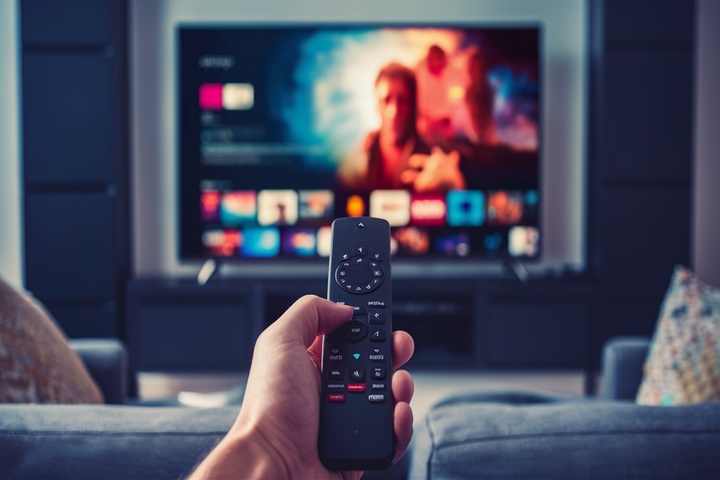
Unlock seamless entertainment by mastering your Xfinity remote. This comprehensive guide will walk you through the simple steps to program your Xfinity remote to your TV, ensuring effortless control over your viewing experience. Get ready to ditch multiple remotes and embrace unified convenience.
Introduction to Xfinity Remotes
In the ever-evolving landscape of home entertainment, the Xfinity remote has become a central hub for managing your television experience. Gone are the days of juggling multiple controllers for your TV, cable box, and soundbar. The Xfinity remote, particularly its advanced models, is designed to consolidate these functions, offering a streamlined and intuitive way to navigate channels, access on-demand content, and control your entire home theater setup. This guide is specifically designed to address the common need to program your Xfinity remote to your television. Whether you've just unboxed a new TV, replaced your remote, or are simply setting up a new system, understanding how to pair your Xfinity remote with your TV is a crucial step towards a hassle-free entertainment environment. We aim to provide a comprehensive, step-by-step approach that caters to both novice and experienced users, ensuring you can achieve full functionality with minimal frustration.
Understanding Your Xfinity Remote
Before diving into the programming process, it's essential to familiarize yourself with the different types of Xfinity remotes and their general layout. While specific button placements may vary, most Xfinity remotes share common functionalities. Understanding these basics will make the programming steps much clearer.
Types of Xfinity Remotes
Comcast, the provider behind Xfinity, has released several generations of remotes. The most common ones you'll encounter are:
- XR2, XR5, and XR11 (Voice Remotes): These are prevalent models. The XR11, in particular, is known for its voice command capabilities, allowing you to search for shows, change channels, and control playback using spoken commands.
- XR15 and XR16: Newer models that continue to refine the user experience, often with more streamlined button layouts and enhanced voice recognition.
Each remote typically features a number pad, directional arrows, an OK button, channel up/down, volume up/down, mute, power, and input/source buttons. Voice remotes will also have a microphone button.
Key Buttons for Programming
The buttons you'll primarily use during the programming process are:
- Setup/Mode Button: This button is often used to initiate the programming mode. Its location and appearance can differ; it might be labeled "Setup," "Mode," or be a small, recessed button.
- TV Button: This button typically signifies that you are programming the remote to control your television.
- Power Button: Used to test if the programming was successful.
- Number Pad: Essential for entering specific device codes.
- OK/Select Button: Used to confirm selections or advance through prompts.
- Channel Up/Down Buttons: Often used in the automatic code search method.
Familiarizing yourself with these buttons on your specific Xfinity remote will significantly smooth the programming process. If you're unsure about your remote model, a quick search on the Xfinity support website can help identify it.
Pre-Programming Checks: What You Need
Before you begin the programming process, ensuring you have the necessary components and information will prevent interruptions and increase your chances of success on the first try. Think of this as your pre-flight checklist for remote programming.
Essential Items
- Your Xfinity Remote: Ensure it has fresh batteries. Low battery power is a common culprit for programming failures.
- Your Television: It should be powered on and displaying a picture.
- Your TV's Manufacturer and Model Number: This is crucial for manual code entry. You can usually find this information on the back of your TV, in its user manual, or on the original packaging.
- A List of Xfinity Remote Codes for Your TV Brand: While the automatic search is often effective, having a list of codes can save time if manual entry is required. These can typically be found on the Xfinity website or through their customer support.
Understanding Device Codes
Xfinity remotes use specific codes to communicate with different television brands and models. These codes are essentially a series of numbers that tell the remote how to operate your TV's functions (like power, volume, and channel changes). When you program your remote, you're essentially teaching it which code to use for your particular TV.
Battery Check
It sounds simple, but weak batteries can cause the remote to send incomplete signals or fail to communicate effectively during the programming sequence. Always start with new or fully charged batteries to avoid unnecessary troubleshooting later.
Having these items ready will set you up for a smooth and efficient programming experience. The next sections will guide you through the actual programming methods.
Method 1: Automatic Code Search (The Easiest Way)
The automatic code search is often the quickest and most straightforward method for programming your Xfinity remote to your TV. This method cycles through a database of codes until it finds one that is compatible with your television. It requires minimal input from you, primarily just patience and the ability to press a button when prompted.
Step-by-Step Guide
- Power On Your TV: Ensure your television is turned on and displaying a picture.
- Put the Xfinity Remote in Programming Mode: Press and hold the Setup button on your Xfinity remote until the light at the top of the remote turns green (or blinks, depending on your model).
- Select the TV Device: Press and release the TV button. The light should turn green again.
- Initiate the Code Search: Press and hold the Power button on your Xfinity remote. Keep holding it down.
- Watch Your TV: As you hold the Power button, the remote will begin sending different power-off codes to your TV. Continue holding the Power button until your TV screen turns off. This could take several seconds, or even up to a minute or more, as the remote cycles through many codes.
- Release the Power Button: As soon as your TV powers off, immediately release the Power button.
- Confirm the Code: Press and release the OK (or Select) button on your Xfinity remote. The light at the top of the remote should blink green twice, indicating that the code has been accepted.
- Test the Remote: Try using the power, volume, and channel buttons on your Xfinity remote to control your TV. If all functions work correctly, you're done!
What if the TV Doesn't Turn Off?
If your TV doesn't turn off after holding the Power button for an extended period (e.g., 30-60 seconds), you may need to try again. Sometimes, you might have released the button a fraction too late or too early. Repeat steps 2-6, paying close attention to the exact moment the TV turns off and releasing the button immediately.
What if Some Buttons Don't Work?
If the TV powers off and the confirmation light blinks, but some functions (like volume or channel) don't work, the code found might not be a perfect match for all functions. In this case, you might need to proceed to the manual code entry method, or try the automatic search again, ensuring you release the power button at the precise moment the TV turns off.
The automatic code search is a powerful tool, and for many users, it's the only method needed. However, if you encounter persistent issues, the next method offers a more targeted approach.
Method 2: Manual Code Entry (When Auto-Search Fails)
When the automatic code search doesn't yield the desired results, or if you prefer a more direct approach, manual code entry is the next best option. This method involves looking up specific codes for your TV brand and entering them directly into your Xfinity remote. This is often more efficient if you know your TV's manufacturer.
Finding Your TV's Codes
The first step is to obtain a list of codes for your television brand. You can typically find these:
- On the Xfinity Website: The official Xfinity support pages often have searchable databases for remote codes.
- In Your Xfinity Remote's Manual: If you still have it, the manual will usually contain a list of codes.
- Through Xfinity Customer Support: A quick call or chat with Xfinity support can provide you with the necessary codes.
For example, if you have a Samsung TV, you'll be looking for a list of Samsung TV codes. Common brands like Samsung, LG, Sony, Vizio, and TCL will have multiple codes associated with them, as different codes might control different functions or be compatible with various models within the brand.
Step-by-Step Guide for Manual Entry
- Power On Your TV: Ensure your television is on and displaying a picture.
- Put the Xfinity Remote in Programming Mode: Press and hold the Setup button on your Xfinity remote until the light at the top turns green.
- Select the TV Device: Press and release the TV button. The light should turn green again.
- Enter the First Code: Using the number pad on your Xfinity remote, enter the first 4-digit code from the list you found for your TV brand. For instance, if the first code for Samsung is 1234, enter 1-2-3-4.
- Confirm and Test: After entering the code, the light at the top of the remote should blink green twice. Now, immediately try to turn your TV off using the Power button on the Xfinity remote.
- If it Works: If your TV powers off, congratulations! You've found a working code. Press the OK button to lock it in. The light should blink green twice. You can then test other buttons like volume and channel to ensure they function correctly.
- If it Doesn't Work: If the TV doesn't turn off, or if some functions don't work, repeat steps 4-6 with the next code on your list for your TV brand. Continue this process until you find a code that successfully controls your TV.
Example Scenario: Programming a Sony TV
Let's say you have a Sony TV and your Xfinity remote. You've found a list of Sony TV codes, and the first few are:
- 0050
- 0056
- 0100
- 0106
You would follow the steps above, entering '0050' first. If that doesn't work, you'd try '0056', then '0100', and so on, until you find a code that allows you to power your Sony TV off using the Xfinity remote's power button.
What if None of the Codes Work?
If you've tried all the codes listed for your TV brand and none of them work, it's possible that your specific TV model is not compatible with the Xfinity remote using this method, or you might have an older or very obscure TV brand. In such cases, you might need to:
- Contact Xfinity Support: They may have additional codes not readily available online or can offer further troubleshooting.
- Consider a Universal Remote: If Xfinity remote compatibility is limited, a dedicated universal remote might be a better solution.
Manual code entry, while potentially more time-consuming than the auto-search, offers a targeted solution that can be very effective when the correct code is identified.
Troubleshooting Common Xfinity Remote Programming Issues
Even with clear instructions, programming issues can arise. Understanding common problems and their solutions can save you time and frustration. This section addresses frequent hiccups users encounter when trying to program their Xfinity remote to their TV.
Issue 1: Remote Not Entering Programming Mode
Symptom: The light on the remote doesn't turn green or blink when you press and hold the Setup button.
Possible Causes & Solutions:
- Low Batteries: Replace the batteries with fresh ones. This is the most common reason for unresponsive remotes.
- Incorrect Button Press: Ensure you are pressing and holding the Setup button correctly. Some remotes might have a slightly different button or require a longer press.
- Remote is Damaged: If the remote has been dropped or exposed to liquid, it might be physically damaged.
- Wrong Button: Double-check that you are pressing the correct button to initiate setup mode.
Issue 2: TV Not Responding to Power Off During Auto-Search
Symptom: Holding the Power button during the automatic code search doesn't turn off the TV, even after a significant amount of time.
Possible Causes & Solutions:
- Incorrect Device Selected: Ensure you pressed the TV button after initiating setup mode. If you accidentally pressed another device button (like CBL/SAT), the remote will be searching for codes for that device.
- Holding Power Button Too Long or Too Short: Release the Power button precisely when the TV turns off. If you miss the window, you might need to restart the process.
- Remote is Not in the Correct Mode: Confirm the setup light is green after pressing the TV button.
- TV Brand Not Supported by Auto-Search: Some very new or niche TV models might not be in the remote's database for auto-search. In this case, manual code entry is a better option.
Issue 3: Confirmation Light Doesn't Blink Green (or Blinks Red)
Symptom: After entering a code or releasing the Power button, the remote's light doesn't confirm the action with a green blink.
Possible Causes & Solutions:
- Invalid Code Entered (Manual Method): If you entered a code manually, ensure it was entered correctly. Try entering it again, or try the next code on your list.
- Code Not Compatible: The code entered or found via auto-search might not fully support your TV model. Try other codes or the auto-search method again.
- Remote Error: Sometimes, the remote itself might have a temporary glitch. Try removing the batteries for 30 seconds, then reinserting them, and attempt programming again.
Issue 4: Some Functions Work, Others Don't
Symptom: The TV powers on/off, but volume or channel control doesn't work, or vice versa.
Possible Causes & Solutions:
- Partial Code Match: The code that was found or entered might control some functions but not all. This is common with older or less common TV models.
- Try Another Code: If using manual entry, try the next code on your list. If using auto-search, try the process again, paying close attention to the exact moment you release the power button.
- Specific Function Buttons: Some advanced functions might require specific button combinations or might not be fully supported by the Xfinity remote's programming for your TV.
Issue 5: Remote Controls Cable Box, Not TV
Symptom: When you press the power button, your Xfinity cable box turns on/off, but your TV does not.
Possible Causes & Solutions:
- Incorrect Device Mode: Ensure you have selected the TV mode. If you are in CBL/SAT mode, the remote will control the cable box.
- Programming Error: You may have accidentally programmed the remote for the cable box instead of the TV. Restart the programming process and ensure you select the TV button at the appropriate step.
General Troubleshooting Tips
- Restart the Process: If you're stuck, don't hesitate to restart the entire programming sequence from the beginning.
- Consult Xfinity Support: For persistent issues, Xfinity's customer support is an invaluable resource. They can provide model-specific advice and additional code lists.
- Check for Updates: While less common for basic programming, ensure your Xfinity equipment and remote firmware are up-to-date.
By systematically addressing these common issues, you can overcome most obstacles and successfully program your Xfinity remote to control your television.
Advanced Features and Voice Control Integration
Once your Xfinity remote is successfully programmed to your TV, you've unlocked a significant level of convenience. However, many Xfinity remotes, especially the newer models like the XR11, XR15, and XR16, offer advanced features that can further enhance your entertainment experience. The most prominent of these is voice control, which, when properly configured, can revolutionize how you interact with your TV and Xfinity services.
Voice Control Functionality
Voice control transforms your remote from a simple button-pusher into an intelligent assistant. To use it:
- Activate Voice Command: Press and hold the microphone button on your remote.
- Speak Your Command: Clearly state your request. Examples include:
- "Show me movies starring Tom Hanks."
- "Tune to ESPN."
- "What's the weather like?"
- "Turn up the volume."
- "Go to Xfinity Home."
- "Play the latest episode of [Show Name]."
- Release the Button: Release the microphone button after you've finished speaking. The remote will process your command.
For voice commands to work effectively with your TV, the remote needs to be programmed not only for basic TV control but also to communicate with your Xfinity X1 or Flex platform. The initial programming steps for TV control often lay the groundwork for this integration.
Programming for Soundbars and AV Receivers
Beyond just the TV, many Xfinity remotes can also be programmed to control the volume and power of your soundbar or AV receiver. This is particularly useful if your TV speakers are not your primary audio source.
The process is similar to programming for a TV:
- Initiate Setup Mode: Press and hold Setup until the light turns green.
- Select Device: Press and release the Volume Up and Volume Down buttons simultaneously (or a dedicated button like 'AUD' or 'SOUNDBAR' if available). The light should confirm.
- Enter Codes: Use the number pad to enter codes for your soundbar or AV receiver brand. You'll need a list of audio device codes, similar to TV codes.
- Test: Test the volume and mute buttons.
This allows you to use a single Xfinity remote for your TV's picture and your audio system's sound, creating a truly unified control experience.
Input/Source Selection
Your Xfinity remote can also be programmed to switch your TV's input source. This is helpful if you frequently switch between your Xfinity box, a game console, a Blu-ray player, or other devices connected to your TV.
The steps generally involve:
- Initiate Setup Mode: Press and hold Setup.
- Select TV Device: Press and release TV.
- Press Input Button: Press and release the Input or Source button on your Xfinity remote.
- Enter Codes: Use the number pad to enter codes specific to your TV's input selection.
- Test: Cycle through inputs using the Input/Source button.
This feature, when enabled, ensures you can seamlessly switch between all your connected entertainment devices using just your Xfinity remote.
Xfinity Button Functionality
Many Xfinity remotes feature a dedicated "Xfinity" button. Pressing this button typically:
- Takes you directly to the Xfinity On Demand menu.
- Opens the main Xfinity dashboard or guide.
- Can be customized in some cases to launch specific apps or services.
The behavior of the Xfinity button is usually tied to your Xfinity service and may not require separate programming for basic functionality, but its integration is a key part of the unified experience.
By exploring these advanced features, you can maximize the utility of your Xfinity remote, moving beyond basic TV control to a truly integrated home entertainment command center. For detailed instructions on specific advanced features for your remote model, always refer to the official Xfinity remote support page.
Xfinity Remote Compatibility and Updates
Understanding which Xfinity remotes are compatible with which devices and how firmware updates play a role is crucial for long-term optimal performance. As technology evolves, so do the capabilities and compatibility of your remote control.
Remote Model Compatibility with TVs
Generally, most Xfinity remotes are designed to be compatible with a vast majority of modern televisions from major manufacturers. The programming methods discussed (automatic search and manual code entry) are intended to cover a wide spectrum of TV models released over the past decade or so. However, there can be exceptions:
- Very Old TVs: Extremely old television models (pre-2000s) might not have their codes stored in the remote's database.
- Niche or Obscure Brands: While common brands are well-supported, less common or regional brands might have limited or no code support.
- Commercial Displays: TVs designed for commercial use might have different control protocols that are not standard for home entertainment.
If you have an unusual TV, it's always best to check the Xfinity website or contact support to confirm compatibility before investing significant time in programming.
Compatibility with Other Devices (Soundbars, Receivers, Game Consoles)
As detailed in the advanced features section, Xfinity remotes can often control soundbars and AV receivers. The compatibility here also relies on the availability of device codes in the remote's memory. For devices like game consoles (e.g., PlayStation, Xbox) or streaming sticks (e.g., Roku, Amazon Fire Stick), direct control via Xfinity remote programming is typically not supported. These devices usually have their own dedicated remotes or rely on CEC (Consumer Electronics Control) over HDMI for basic integration.
Firmware Updates for Xfinity Remotes
Xfinity remotes, especially voice-enabled models, often receive firmware updates. These updates are typically delivered wirelessly and automatically through your Xfinity service. The purpose of these updates includes:
- Improved Voice Recognition: Enhancing the accuracy and understanding of voice commands.
- Expanded Device Compatibility: Adding codes for newer TV models or other devices released after the remote's initial production.
- Bug Fixes: Resolving glitches or performance issues identified in previous firmware versions.
- New Features: Introducing new functionalities or improving existing ones.
You usually don't need to do anything to initiate these updates. They happen in the background when the remote is connected to your Xfinity equipment and has power. If you're experiencing issues that seem software-related, ensuring your remote has the latest firmware is a good first step. Sometimes, a simple power cycle of your Xfinity equipment can prompt the remote to check for updates.
Checking Remote Model and Version
If you need to reference specific compatibility or troubleshooting steps, knowing your exact remote model is important. This is usually printed on the back of the remote. For example, you might see "XR15" or "XR11." You can then use this model number to search for specific support articles on the Xfinity support website.
Staying informed about your remote's compatibility and ensuring it receives updates will help maintain its functionality and allow you to take advantage of the latest features Xfinity offers.
Tips for Optimal Xfinity Remote Performance
To ensure your Xfinity remote continues to function smoothly and reliably, a few best practices can make a significant difference. These tips cover battery maintenance, physical care, and optimizing its interaction with your devices.
Battery Management
- Use Quality Batteries: Always opt for reputable brands of alkaline batteries. Cheap or old batteries can lead to intermittent performance issues and premature failure.
- Replace Batteries Regularly: Even if the remote seems to be working, consider replacing batteries every 6-12 months as a preventative measure, especially if you use voice commands frequently.
- Check Battery Contacts: Ensure the battery contacts inside the remote are clean and free of corrosion. A pencil eraser can often be used to gently clean them if needed.
Physical Care and Maintenance
- Keep it Clean: Dust and grime can accumulate on buttons, making them sticky or unresponsive. Wipe the remote down periodically with a dry or slightly damp (not wet) soft cloth. Avoid harsh chemicals.
- Avoid Extreme Temperatures: Do not leave your remote in direct sunlight or in very cold environments, as extreme temperatures can damage the internal electronics.
- Protect from Drops: While Xfinity remotes are generally durable, repeated drops can loosen internal components or damage the casing, affecting functionality. Consider a silicone remote cover for added protection.
Optimizing Signal and Connectivity
- Line of Sight: For IR (Infrared) remotes, ensure there is a clear line of sight between the remote and the device it's controlling (TV, soundbar). Obstructions like thick glass or decorative items can interfere with the signal. Newer Xfinity remotes often use RF (Radio Frequency) or Bluetooth, which don't require line of sight but can still be affected by significant electronic interference.
- Minimize Interference: While less common with RF/Bluetooth, strong sources of electromagnetic interference could potentially affect remote performance. Keep the remote and Xfinity equipment away from large appliances or other high-power electronic devices if you suspect interference.
- Proximity to Xfinity Equipment: For remotes that communicate with your Xfinity gateway or set-top box, ensure they are within a reasonable range. While typically designed for robust signal strength within a standard room, excessively large homes or thick walls might pose challenges.
Effective Use of Features
- Speak Clearly for Voice Commands: When using voice control, speak directly into the microphone button at a normal pace and volume. Avoid background noise as much as possible.
- Understand Button Functions: Familiarize yourself with all the buttons on your remote. Refer to Xfinity's online resources for a detailed explanation of each button's function for your specific remote model.
- Regularly Test Functions: Periodically test all programmed functions (power, volume, channel, input) to ensure they are still working correctly. This helps catch issues early.
Troubleshooting Proactive Steps
- Remote Reset: If you experience persistent minor glitches, try removing the batteries for about 30 seconds and then reinserting them. This can often reset the remote's internal memory and resolve temporary issues.
- Re-Pairing (for RF/Bluetooth): If your remote uses RF or Bluetooth and seems disconnected, you might need to re-pair it with your Xfinity box. The process usually involves a sequence of button presses on the remote and sometimes on the set-top box itself. Consult Xfinity support for specific pairing instructions for your model.
By implementing these simple tips, you can significantly extend the lifespan and improve the reliability of your Xfinity remote, ensuring a consistently smooth and enjoyable entertainment experience. For more in-depth advice tailored to your specific remote model, the official Xfinity support resources are your best bet.
Conclusion: Enjoying Your Programmed Xfinity Remote
Successfully programming your Xfinity remote to your TV is a pivotal step towards a more streamlined and enjoyable home entertainment setup. By following the methods outlined – whether the effortless automatic code search or the precise manual code entry – you've empowered yourself to control your viewing experience with a single device. We've covered everything from understanding your remote's capabilities and essential pre-programming checks to navigating common troubleshooting scenarios and leveraging advanced features like voice control and soundbar integration. Remember, consistent performance relies on good battery management, physical care, and understanding your remote's specific functionalities. If you ever encounter persistent issues, remember that Xfinity's support resources are readily available to assist. Embrace the convenience, explore the full potential of your Xfinity remote, and settle in for effortless entertainment. Your journey to unified control is now complete, promising a more intuitive and less cluttered way to enjoy your favorite shows and movies.