How To Pair An Xfinity Remote?
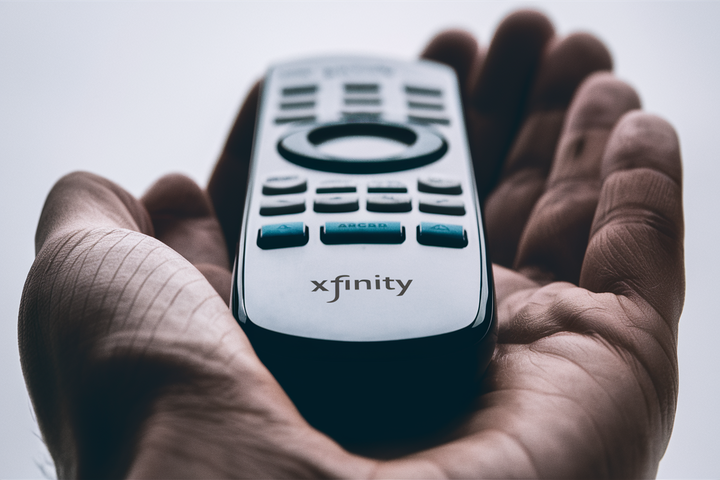
Struggling to connect your Xfinity remote? This comprehensive guide walks you through every step of pairing your Xfinity remote, ensuring you can navigate your entertainment effortlessly. We cover common issues and provide clear, actionable solutions for a seamless experience.
Understanding Your Xfinity Remote
Xfinity offers a variety of remote controls designed to enhance your TV viewing experience. From the sleek, voice-activated XR11 and XR5 to simpler, button-based models, each remote aims to provide intuitive control over your Xfinity TV Box and other connected devices. The primary function of any Xfinity remote is to allow you to change channels, adjust volume, navigate menus, and access on-demand content. However, to unlock the full potential, especially features like voice commands and universal remote capabilities, the remote must be properly paired with your Xfinity equipment.
Pairing, in essence, is the process of establishing a unique communication link between your remote and your Xfinity TV Box. This link ensures that only your remote controls your specific device, preventing interference from other remotes in your household. Modern Xfinity remotes, particularly the voice-enabled ones, utilize Bluetooth technology for a more robust and responsive connection, eliminating the need for direct line-of-sight that older infrared (IR) remotes required. This allows you to control your TV from various angles and even from within cabinets. Understanding the type of remote you have is the first step towards successful pairing.
Xfinity has evolved its remote technology significantly over the years. Early models were primarily IR-based, requiring a clear line of sight to the TV Box. The introduction of RF (Radio Frequency) and later Bluetooth technology revolutionized user experience. Bluetooth pairing offers a more stable connection and enables advanced features like voice search, which has become a cornerstone of modern entertainment navigation. As of 2025, the majority of new Xfinity installations come equipped with voice-enabled remotes, highlighting the shift towards more integrated and user-friendly control systems.
The pairing process itself is designed to be straightforward, but like any technology, it can sometimes present challenges. Understanding the different types of Xfinity remotes and their pairing mechanisms is crucial for troubleshooting any issues you might encounter. For instance, voice remotes often require a slightly different pairing sequence compared to older, non-voice models. Knowing your remote's model number, usually found on the back, can be a significant help in finding specific instructions. Xfinity provides extensive support resources, but a clear, step-by-step guide like this one can often resolve most common pairing dilemmas quickly.
The benefits of a successfully paired Xfinity remote extend beyond simple channel surfing. Voice control, for example, allows users to search for specific shows, actors, or genres, adjust settings, and even get recommendations without lifting a finger. This hands-free operation is particularly beneficial for accessibility and convenience. Furthermore, many Xfinity remotes can be programmed to control your TV's power and volume, consolidating multiple remotes into one. This universal remote capability streamlines your entertainment setup, reducing clutter and simplifying operation. By ensuring your remote is correctly paired, you're unlocking the full potential of your Xfinity service and enjoying a more seamless and interactive entertainment experience.
Common Xfinity Remote Pairing Issues
Even with user-friendly design, Xfinity remote pairing can sometimes hit a snag. Understanding these common issues can save you time and frustration. One of the most frequent problems is a remote that simply isn't responding at all. This could be due to dead batteries, a physical obstruction, or a lost pairing connection. Another common scenario is when the remote partially works – perhaps the volume buttons function, but channel changes or voice commands do not. This often indicates a partial pairing or a specific function not being recognized.
Interference is another culprit. While Bluetooth remotes are less susceptible to line-of-sight issues, they can still be affected by other wireless devices operating on similar frequencies. Microwaves, cordless phones, and even other Bluetooth devices in close proximity can sometimes disrupt the signal. For older IR remotes, dust on the IR emitter or receiver, or physical obstructions like soundbars or decorative items, can prevent the signal from reaching the TV Box.
Software glitches on the Xfinity TV Box can also lead to pairing problems. Sometimes, a simple reboot of the TV Box is all that's needed to re-establish a stable connection with the remote. Similarly, the remote itself might require a reset if it's behaving erratically. The pairing process relies on a stable connection between the remote and the TV Box, and any disruption to this link can cause the pairing to fail or become unstable.
Another issue users face is confusion about which pairing method to use. Xfinity has released various remote models over the years, and the pairing procedure can differ slightly. For example, a voice remote might have a dedicated pairing button or sequence that differs from a basic remote. Misinterpreting the instructions or attempting the wrong sequence can lead to repeated pairing failures. In 2025, with the prevalence of voice remotes, users accustomed to older models might find the new pairing process slightly different, leading to initial confusion.
Finally, hardware malfunctions, though less common, can occur. A damaged remote, a faulty IR emitter, or a problem with the TV Box's receiver could prevent successful pairing. If you've tried all troubleshooting steps and the remote still won't pair, it might be time to consider if the remote itself or the TV Box is experiencing a hardware issue. Xfinity support can help diagnose these situations, often leading to a replacement of the faulty component.
Here’s a quick overview of common issues and their potential causes:
| Issue | Potential Cause | Initial Solution |
|---|---|---|
| Remote unresponsive | Dead batteries, lost pairing, physical obstruction | Replace batteries, re-pair remote, check for obstructions |
| Partial functionality (e.g., volume works, channels don't) | Incomplete pairing, specific function not recognized | Re-pair remote, ensure all functions are tested |
| Interference with signal | Other wireless devices, physical obstructions | Minimize other wireless devices, clear obstructions |
| Pairing failure despite following instructions | TV Box software glitch, incorrect pairing method for model | Reboot TV Box, confirm remote model and pairing steps |
| Remote behaving erratically | Remote software glitch | Reset the remote |
Preparing for Pairing
Before diving into the pairing process, a few preparatory steps can significantly increase your chances of success and save you time. The most fundamental requirement is ensuring your Xfinity TV Box is powered on and functioning correctly. If your TV Box is offline or experiencing issues, pairing the remote will be futile. Check for indicator lights on the TV Box that signal it's active and connected to the Xfinity network.
Next, focus on the remote itself. The most common cause of an unresponsive remote is depleted batteries. Always start by replacing the batteries with fresh ones. Ensure they are inserted correctly, observing the polarity markings (+/-). For voice remotes, using high-quality alkaline batteries is recommended for optimal performance. Avoid using rechargeable batteries unless explicitly stated as compatible by Xfinity, as their voltage can sometimes be inconsistent and affect pairing.
Clear the path between the remote and the TV Box. While Bluetooth remotes don't strictly require line-of-sight, a clear, unobstructed path generally ensures the strongest signal. Remove any decorative items, soundbars, or other objects that might be physically blocking the IR emitter on older remotes or potentially interfering with the Bluetooth signal on newer ones. For IR remotes, ensure the IR emitter on the remote and the IR receiver on the TV Box are clean and free from dust or smudges.
Identify your Xfinity remote model. As mentioned, different models have slightly different pairing procedures. Look for a model number on the back or inside the battery compartment of your remote. Common models include XR11, XR5, XR15, and XR16. Knowing your model will help you find the most accurate pairing instructions, whether from Xfinity's official support or detailed guides like this one.
If you're pairing a voice remote, ensure your TV Box supports voice commands. Most modern Xfinity X1 boxes do, but older models might not. You can usually check your TV Box's capabilities through your Xfinity account online or by contacting customer support. If your TV Box doesn't support voice, pairing the voice features will not be possible, although basic remote functions might still work after pairing.
Finally, consider the environment. While less critical for Bluetooth, extreme temperatures or high humidity can sometimes affect electronic devices. Ensure you are attempting the pairing in a standard indoor environment. If you have multiple Xfinity remotes, it's best to pair them one at a time to avoid confusion. By taking these simple preparatory steps, you create the optimal conditions for a smooth and successful Xfinity remote pairing experience.
Checking TV Box Status
Before you begin, confirm your Xfinity TV Box is powered on and displaying a picture or a status indicator. A blinking light or a blank screen on the TV Box could indicate a service issue, which would prevent successful remote pairing.
Battery Check and Replacement
The most common reason for an unresponsive remote is dead batteries. Always start by inserting fresh, high-quality alkaline batteries. Ensure they are oriented correctly according to the polarity markings inside the battery compartment.
Clearing Obstructions
While Bluetooth remotes don't need line-of-sight, a clear path between the remote and the TV Box can improve signal strength. For older IR remotes, ensure the IR emitters are clean and unobstructed.
Identifying Your Remote Model
Locate the model number on the back of your remote (e.g., XR11, XR5, XR15). This is crucial as pairing steps can vary slightly between models.
Step-by-Step Pairing Guide for Voice Remotes
Voice remotes, such as the Xfinity XR11, XR5, XR15, and XR16, offer advanced functionality, including voice commands. The pairing process for these remotes is designed to be intuitive and typically involves a simple button sequence. Here’s a comprehensive guide to get your voice remote connected to your Xfinity TV Box.
Step 1: Power On Your Xfinity TV Box
Ensure your Xfinity TV Box is powered on and displaying content or a status screen. If the TV Box is off or in standby mode, the remote cannot pair with it.
Step 2: Locate the Pairing Button Sequence
The specific button sequence varies slightly by remote model, but generally involves pressing and holding two buttons simultaneously for a few seconds. For most modern voice remotes (like the XR15 and XR16), you'll typically press and hold the "Back" button and the "Xfinity" button (often marked with an 'X' or the Xfinity logo) at the same time. For slightly older models like the XR11, it might be the "Setup" button and the "Xfinity" button.
Step 3: Press and Hold the Buttons
Press and hold the designated buttons until the LED indicator light on the remote changes. The LED light, usually located near the top of the remote, will typically blink or change color (e.g., from red to green or blue) to indicate it's in pairing mode. This usually takes about 5-7 seconds. Release the buttons once you see the light change.
Step 4: Observe the TV Screen for Confirmation
Once the remote is in pairing mode, it will begin searching for the TV Box. On your TV screen, you should see a message indicating that the remote is attempting to pair or that pairing is in progress. This might appear as a pop-up notification or a dedicated pairing screen.
Step 5: Complete the Pairing Process
The TV Box will then attempt to establish a connection with the remote. This process can take anywhere from a few seconds to a minute. You might see a confirmation message on the screen once the pairing is successful, such as "Remote Paired" or "Pairing Successful." The LED light on the remote may also turn solid or turn off, indicating a successful connection.
Step 6: Test Your Remote
After successful pairing, test the basic functions of your remote. Try changing channels, adjusting the volume, and navigating the Xfinity menu. If you have a voice remote, press the voice button and try a voice command, such as "What's on tonight?" or "Search for movies."
Troubleshooting During Pairing:
- If the LED light doesn't change: Ensure you are pressing the correct buttons for your specific model and holding them down long enough. Try replacing the batteries.
- If the TV screen doesn't show pairing progress: Make sure the TV Box is on and functioning. Try rebooting the TV Box by unplugging its power cord for 30 seconds and plugging it back in. Then, attempt the pairing sequence again.
- If pairing fails: Ensure there are no other devices actively trying to pair with the TV Box. Sometimes, proximity to other Bluetooth devices can interfere. Try moving the remote closer to the TV Box.
For specific models, the button combinations might differ slightly:
| Remote Model | Pairing Button Combination | LED Indicator Behavior |
|---|---|---|
| XR15, XR16 (most common) | Press and hold "Back" + "Xfinity" | Blinks rapidly, then may turn solid or off |
| XR11 | Press and hold "Setup" + "Xfinity" | Blinks, then turns solid |
| XR5 | Press and hold "Setup" + "Xfinity" | Blinks, then turns solid |
Always refer to the on-screen prompts or Xfinity's official documentation for the most precise instructions for your specific remote model. If you continue to experience issues, a factory reset of the remote or contacting Xfinity support may be necessary.
Pairing Older Xfinity Remotes
While voice remotes are now standard, many households still use older Xfinity remote models that may not have voice capabilities. These remotes often rely on infrared (IR) or simpler radio frequency (RF) technology and might have a different pairing process. Understanding how to pair these older devices is essential for continued functionality.
Infrared (IR) Remotes:
Older Xfinity remotes primarily used IR technology. Pairing these remotes typically involved programming them to control specific devices, such as the TV itself or a soundbar, in addition to the Xfinity cable box. The process usually involved entering specific codes for each device. This was often done by pressing a "Setup" or "Program" button, followed by the device code, and then testing the functions.
Basic RF Remotes:
Some intermediate models used RF technology, which offered more flexibility than IR by not requiring direct line-of-sight. The pairing process for these remotes was often similar to the voice remotes, involving pressing and holding specific buttons to initiate a connection with the TV Box. However, they would lack the voice command functionality.
General Pairing Steps for Older Models (May Vary):
- Power on your Xfinity TV Box: Ensure the box is active.
- Locate the "Setup" or "Program" button: This button is usually found on the remote itself.
- Press and hold the "Setup" button: Hold it until the LED indicator light on the remote changes, often blinking or turning solid.
- Enter the device code: You would then need to enter a specific 3- or 4-digit code for your TV, audio device, or Xfinity Box. These codes were typically found in the remote's manual or on Xfinity's website.
- Test the remote: After entering the code, test the power, volume, and channel functions to ensure they work correctly.
Pairing with the Xfinity TV Box:
For older remotes designed to communicate directly with the Xfinity TV Box (rather than just controlling the TV's functions), the process might involve pressing and holding the "Xfinity" button and another button (like "OK" or "Power") for a few seconds. The TV Box would then recognize the remote. This was less about entering codes and more about establishing a direct RF or IR link.
Challenges with Older Remotes:
One of the main challenges with older remotes is finding accurate pairing information, as Xfinity has phased out many of these models. Support documentation might be scarce. Additionally, the technology is less advanced, meaning they might be more prone to interference or require more frequent re-pairing.
Transitioning to Newer Remotes:
Given the advancements in technology and the enhanced features of voice remotes, Xfinity encourages users to upgrade. Newer remotes offer a more integrated experience, better responsiveness, and access to features like voice search. If you are struggling with an older remote, it might be worth exploring options for obtaining a newer model. You can often check your eligibility for a free or discounted remote upgrade through your Xfinity account.
For those who must use older models, patience and careful attention to any available documentation are key. The specific steps can vary significantly, so identifying your exact remote model is paramount. If you have the original packaging or manual, it will be your best resource. If not, a deep dive into Xfinity's support archives or community forums might yield the necessary codes or pairing sequences.
Troubleshooting Pairing Failures
Despite following the instructions meticulously, sometimes Xfinity remote pairing can still fail. When this happens, it’s time to move into more detailed troubleshooting. The key is to systematically eliminate potential causes.
1. Battery Issues (Revisited):
Even with new batteries, a poor connection can occur. Ensure the battery contacts are clean and that the batteries are firmly seated. Sometimes, a specific brand or type of battery performs better. If you used cheap batteries, try a premium alkaline brand.
2. Rebooting the Xfinity TV Box:
This is a crucial step that resolves many connectivity issues. Unplug the power cord from your Xfinity TV Box, wait for at least 30 seconds, and then plug it back in. Allow the box to fully boot up (this can take a few minutes) before attempting to pair the remote again. This process refreshes the box's internal software and can clear temporary glitches.
3. Resetting the Remote:
Some Xfinity remotes can be reset to their factory default settings. The method varies by model, but it often involves pressing a specific sequence of buttons or using a small reset button (which might require a paperclip to press). Consult your remote's manual or Xfinity's support site for the exact reset procedure for your model. After resetting, attempt the pairing process from scratch.
4. Interference:
While Bluetooth is robust, it's not immune to interference. If you have many wireless devices in close proximity (e.g., Wi-Fi routers, cordless phones, smart home devices, other Bluetooth devices), try temporarily turning them off or moving them further away from the TV Box and remote. This is especially relevant if the pairing works intermittently.
5. Line of Sight (for IR remotes):
If you are using an older IR remote, ensure there is a clear, unobstructed path between the remote's emitter and the TV Box's IR receiver. Dust on either component can also weaken the signal. Clean both with a soft, dry cloth.
6. TV Box Software Update:
Ensure your Xfinity TV Box is running the latest software. While usually automatic, sometimes manual checks are possible. Outdated software can sometimes cause compatibility issues with remotes. You can typically check for updates through the TV Box's settings menu.
7. Proximity:
During the pairing process, try to bring the remote as close as possible to the TV Box. Once paired, the range should be sufficient, but for the initial connection, closer proximity can help establish a stable link.
8. Multiple Remotes:
If you have more than one Xfinity remote, ensure only the one you are trying to pair is active and in the vicinity of the TV Box. Other remotes can sometimes interfere with the pairing process.
9. Checking Remote Compatibility:
Confirm that your remote is compatible with your specific Xfinity TV Box model. While most modern remotes are designed for the X1 platform, older or third-party remotes might have compatibility limitations. You can usually find this information on Xfinity's website.
10. Factory Reset of TV Box:
As a last resort, you might consider a factory reset of your Xfinity TV Box. Be aware that this will erase all custom settings, recordings (if applicable to your box type), and preferences, returning the box to its original out-of-the-box state. This should only be done if all other troubleshooting steps have failed and you are prepared to reconfigure your settings. Consult Xfinity support before attempting this.
If none of these steps resolve the issue, it's highly probable that either the remote or the TV Box has a hardware defect. In such cases, contacting Xfinity customer support is the next logical step. They can further diagnose the problem and arrange for a replacement remote or TV Box if necessary. As of 2025, Xfinity continues to refine its hardware and software, so ensuring your equipment is up-to-date is always a good preventative measure.
Advanced Pairing Tips
For users who have tried the standard pairing methods and are still encountering difficulties, or for those seeking a more robust connection, a few advanced tips can be beneficial. These techniques aim to ensure the strongest possible signal and overcome subtle environmental or technical hurdles.
1. Dedicated Pairing Environment:
When attempting to pair, try to do so in an environment with minimal wireless activity. This means turning off or moving away from other Bluetooth devices, Wi-Fi routers, cordless phones, and even smart home hubs. If possible, perform the pairing in a different room temporarily to rule out localized interference.
2. Firmware Updates for TV Box:
While automatic updates are common, sometimes a manual check or force-update of your Xfinity TV Box's firmware can resolve hidden compatibility issues. Accessing this option usually requires navigating through the TV Box's settings menu. Consult your specific Xfinity model's guide for instructions on how to check for and initiate firmware updates.
3. Using a Wired Connection (If Applicable):
For certain Xfinity TV Box models, especially those connected via Ethernet, ensuring a stable wired internet connection can indirectly benefit the pairing process. A stable network connection ensures the TV Box itself is operating optimally, which can sometimes influence its ability to communicate with peripherals like remotes.
4. Checking Remote Battery Contacts:
Go beyond simply replacing batteries. Inspect the metal contacts inside the battery compartment for any signs of corrosion or debris. Gently clean them with a pencil eraser or a cotton swab lightly dampened with isopropyl alcohol (ensure it dries completely before reinserting batteries). A clean contact ensures optimal power delivery.
5. Pairing in Different Modes:
If your remote has multiple modes (e.g., IR and RF/Bluetooth), try initiating pairing in each mode if your TV Box supports it. For voice remotes, ensure you are attempting the Bluetooth pairing sequence, as IR pairing is usually for controlling other devices like TVs or soundbars.
6. Manual Device Pairing (for Universal Control):
If your primary goal is to use the Xfinity remote as a universal remote for your TV and soundbar, and the automatic pairing fails, you may need to resort to manual code entry. This involves finding a list of codes for your specific remote model and the brands of your TV and audio devices. You then enter these codes via the remote's setup process. This is more about controlling other devices but can sometimes be confused with pairing the remote to the TV Box itself.
7. Xfinity App Integration:
The Xfinity My Account app or the Xfinity Stream app can sometimes offer remote pairing assistance or diagnostics. Explore these apps for any features that might help troubleshoot or initiate the pairing process. In some cases, the app might be able to send pairing commands to your TV Box.
8. Contacting Xfinity Support with Specifics:
When contacting Xfinity support, be prepared with detailed information. Know your remote model number, your TV Box model number, and the exact steps you have already tried. This allows their technical support to provide more targeted assistance and avoid repeating basic troubleshooting steps.
9. Understanding RF vs. Bluetooth:
Modern voice remotes primarily use Bluetooth for pairing with the TV Box. Older RF remotes used a different radio frequency. If you are trying to pair a Bluetooth remote with a TV Box that only supports older RF pairing, it will not work. Conversely, an older RF remote cannot utilize Bluetooth features. Confirming the technology used by both your remote and TV Box is crucial.
By employing these advanced strategies, you can often overcome persistent pairing issues and ensure your Xfinity remote functions reliably. Remember that technology evolves, and sometimes the most straightforward solution is to ensure your equipment is compatible and up-to-date.
Maintaining Your Xfinity Remote
Once your Xfinity remote is successfully paired, proper maintenance will ensure its longevity and consistent performance. Think of it as routine care for a vital piece of your home entertainment system. Regular checks and simple cleaning can prevent many common issues before they arise.
1. Battery Management:
This is paramount. Always use fresh, high-quality batteries. Avoid mixing old and new batteries, or batteries of different types (e.g., alkaline and heavy-duty). If you notice a decline in responsiveness, the first step should always be to replace the batteries. Store spare batteries in a cool, dry place.
2. Cleaning the Remote:
Remotes can accumulate dust, grime, and fingerprints. Periodically clean the exterior of your remote with a soft, dry microfiber cloth. For stubborn smudges, you can use a cloth slightly dampened with water or a mild, non-abrasive cleaning solution. Avoid spraying liquids directly onto the remote, as they can seep into the internal components. Pay special attention to cleaning around the buttons and the IR emitter (if applicable) to ensure unobstructed signal transmission.
3. Protecting from Damage:
Handle your remote with care. Avoid dropping it, as impacts can dislodge internal components or damage the buttons and battery contacts. Consider using a protective silicone cover for your remote, especially if you have children or pets. These covers not only protect against drops but also make the remote easier to grip and can prevent spills from causing damage.
4. Software Updates:
While the remote itself doesn't have user-updatable software in the traditional sense, its functionality is tied to the Xfinity TV Box. Ensure your TV Box is regularly updated with the latest firmware. This ensures optimal communication between the remote and the box, and can resolve bugs that might affect remote performance.
5. Environmental Factors:
Keep your remote away from extreme temperatures, direct sunlight, and excessive moisture. These conditions can degrade the battery life and potentially damage the electronic components over time.
6. Storage:
When not in use, store your remote in a designated place, such as a coffee table tray or a remote caddy. This prevents it from getting lost, stepped on, or accidentally damaged. If you have multiple remotes, labeling them can also prevent confusion and ensure you're using the correct one.
7. Periodic Re-pairing:
While not a frequent necessity, if you notice intermittent issues or a loss of connectivity, performing a re-pairing process can often resolve the problem. It’s a quick way to re-establish a fresh connection between the remote and the TV Box.
By incorporating these simple maintenance practices into your routine, you can ensure your Xfinity remote continues to function reliably for years to come. This proactive approach saves you from the frustration of a malfunctioning remote and keeps your entertainment experience seamless. In 2025, with the increasing reliance on smart home integration, maintaining your primary control device is more important than ever.
Xfinity Remote Pairing vs. Other Devices
The process of pairing an Xfinity remote shares similarities with pairing other wireless devices, but it also has unique aspects dictated by its specific function and the Xfinity ecosystem. Understanding these differences can provide context and help troubleshoot issues.
Bluetooth Devices (Headphones, Speakers, Keyboards):
Most modern Xfinity remotes use Bluetooth, much like wireless headphones or speakers. The pairing process often involves putting the device into "pairing mode" (usually by holding down specific buttons) and then searching for it on the host device (your phone, computer, or in this case, the Xfinity TV Box). The key difference is that with Xfinity remotes, the TV Box is the primary device initiating the search and establishing the connection, rather than the remote searching for the TV Box.
Wi-Fi Connected Devices (Smart Plugs, Smart Lights):
Wi-Fi devices connect directly to your home network. Pairing often involves using a dedicated app on your smartphone to guide the device onto your Wi-Fi network. This is a different mechanism than the direct, device-to-device pairing of Bluetooth remotes. Xfinity remotes do not connect to your Wi-Fi network; they communicate directly with the Xfinity TV Box.
Universal Remotes (Non-Xfinity):
Traditional universal remotes often rely on IR technology and require manual code entry for each device they control. While some Xfinity remotes can be programmed to control other devices (acting as a universal remote), the primary pairing with the Xfinity TV Box is typically an automated process, not code-based.
Gaming Controllers:
Gaming controllers, like remotes, often use Bluetooth. The pairing process is similar: put the controller in pairing mode and connect it to the console or PC. However, gaming controllers are designed for real-time, low-latency input, whereas remote pairing focuses on a stable, reliable connection for command transmission.
Key Distinctions for Xfinity Remotes:
- Device-Specific Pairing: Xfinity remotes are paired specifically to your Xfinity TV Box. You cannot typically pair an Xfinity remote with a non-Xfinity TV or streaming device.
- Automated Process: For voice remotes, the pairing is largely automated. The TV Box detects the remote's pairing signal and establishes the connection, minimizing user input beyond the initial button press.
- No Network Connection: Unlike Wi-Fi devices, Xfinity remotes do not connect to your home's internet network. Their communication is direct with the TV Box.
- Universal Control Capabilities: While primarily paired with the TV Box, many Xfinity remotes can also be programmed via IR to control other home entertainment devices, adding a layer of complexity not found in simple Bluetooth peripherals.
The core principle of pairing – establishing a unique, secure connection between two devices – remains the same. However, the specific technology (Bluetooth, RF, IR), the role of the host device (TV Box vs. phone/PC), and the intended function (TV control vs. audio streaming vs. gaming) differentiate the pairing experience for an Xfinity remote from other consumer electronics.
The Future of Xfinity Remotes
The evolution of the Xfinity remote is a testament to the ongoing innovation in home entertainment technology. From basic channel changers to sophisticated voice-activated hubs, the trajectory points towards even more integrated and intelligent control experiences. As we look ahead to 2026 and beyond, several trends are likely to shape the future of Xfinity remotes.
Enhanced AI and Machine Learning:
Expect remotes to become more proactive and personalized. AI could enable remotes to learn user viewing habits and proactively suggest content, adjust settings based on time of day or user presence, or even anticipate commands. Voice recognition will become even more sophisticated, understanding natural language nuances and complex queries with greater accuracy.
Seamless Integration with Smart Homes:
The Xfinity remote is already a gateway to entertainment. The future will likely see it evolve into a more central hub for the entire smart home. Imagine controlling your lights, thermostat, security cameras, and entertainment system all from a single, intuitive interface, potentially even through voice commands directed at the remote.
Biometric Authentication:
For personalized profiles and secure access to content or purchases, biometric authentication (fingerprint or voice recognition) could be integrated directly into the remote. This would allow multiple users in a household to have their own tailored experiences automatically loaded when they pick up the remote.
Gesture Control and Haptic Feedback:
While voice is dominant, subtle gesture controls or advanced haptic feedback could offer alternative interaction methods. Imagine a slight tilt of the remote to adjust volume or a specific vibration pattern to confirm a command, providing a more tactile and nuanced user experience.
Reduced Physical Form Factor:
As voice and AI capabilities grow, the need for numerous physical buttons may diminish. Future remotes might feature fewer buttons, relying more heavily on touch interfaces, voice commands, or even smartphone app integration for less frequently used functions. This could lead to sleeker, more minimalist designs.
Increased Durability and Sustainability:
Consumer demand for eco-friendly products is rising. Future remotes may incorporate more sustainable materials, be designed for easier repair, and utilize more energy-efficient power sources, potentially even incorporating small solar panels or kinetic energy harvesting.
Integration with Augmented Reality (AR):
While speculative, AR could play a role. Imagine pointing your remote at a TV screen and having interactive information or controls appear overlaid on the display, guided by the remote's sensors and the TV Box's processing power.
Xfinity's commitment to innovation suggests that the remote will continue to be a key component of the user experience, evolving from a simple input device to an intelligent controller that seamlessly blends entertainment and smart home management. The pairing process, while already streamlined, will likely adapt to accommodate these new technologies, ensuring a connected and intuitive future for all Xfinity users.
In conclusion, pairing your Xfinity remote is a fundamental step towards unlocking the full potential of your entertainment system. By understanding the different types of remotes, preparing adequately, and following the step-by-step guides, you can overcome most pairing challenges. Remember to troubleshoot systematically if issues arise, and consider advanced tips and ongoing maintenance for a consistently smooth experience. The Xfinity remote continues to evolve, promising even more integrated and intelligent control in the years to come, making the initial pairing process a worthwhile investment in your home entertainment.