How To Log Into Xfinity Wifi?
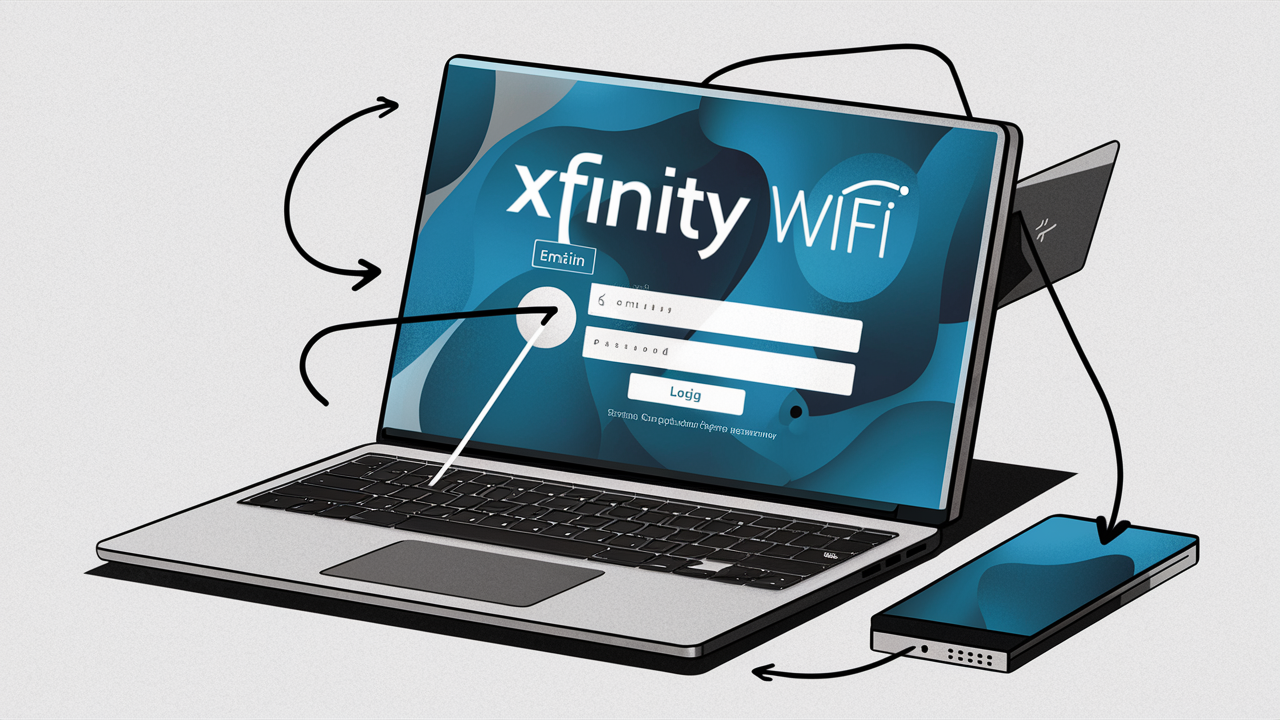
Struggling to connect to your Xfinity Wi-Fi? This comprehensive guide will walk you through every step of logging into your Xfinity Wi-Fi network, from finding your credentials to troubleshooting common issues. Get back online quickly and efficiently with our expert advice.
Getting Started: Understanding Your Xfinity Wi-Fi
In today's connected world, reliable Wi-Fi is no longer a luxury; it's a necessity. For millions of households, Xfinity provides that essential internet connection. However, when it comes to logging into your Xfinity Wi-Fi network, users can sometimes encounter confusion. This section aims to demystify the process, providing a foundational understanding of what you need and what to expect. We'll cover the basics of how Xfinity Wi-Fi works and the essential information you'll need before you can successfully connect your devices. Understanding these fundamentals will make the subsequent login steps much smoother.
Xfinity, a brand of Comcast, offers a robust internet service that powers our digital lives. This service typically comes with a modem or a modem/router combo unit, often referred to as a gateway. This device is the heart of your home network, broadcasting the Wi-Fi signal that your devices connect to. The network has a specific name, known as the Service Set Identifier (SSID), and a password, often called a security key or passphrase. These two pieces of information are your keys to unlocking your home's internet.
As of 2025, Xfinity continues to be a dominant player in the U.S. broadband market, with an estimated 32 million subscribers. Their service plans vary, offering different speeds and features, but the core principle of connecting to their Wi-Fi network remains consistent. The primary challenge for many users isn't the service itself, but the initial setup and login process, especially for new users or when connecting a new device. This guide is designed to address that very need, ensuring you can navigate this process with confidence.
The importance of a stable Wi-Fi connection cannot be overstated. Whether you're working from home, streaming your favorite shows, attending online classes, or simply browsing the web, a seamless connection is paramount. In 2025, the average household in the United States uses an estimated 400 GB of data per month, a figure that continues to climb as more devices become internet-connected and data-intensive applications become commonplace. This underscores the need for an efficient and straightforward Wi-Fi login process.
Before diving into the specifics of logging in, it's crucial to understand that Xfinity provides two types of Wi-Fi networks: your private home network and the public Xfinity Wi-Fi hotspots. This guide will primarily focus on connecting to your private Xfinity home Wi-Fi network. While connecting to public hotspots has its own set of steps, which can be found on the Xfinity Hotspots page, the primary goal for most users is securing their home connection.
The process of logging into your Xfinity Wi-Fi generally involves identifying your network name (SSID) and its corresponding password. These credentials are often found on a sticker attached to your Xfinity gateway device. However, many users choose to customize these details for enhanced security or ease of memorization. This guide will cover both scenarios, ensuring you're equipped to handle any situation. We will also touch upon the importance of network security and how strong passwords contribute to it.
By the end of this article, you will have a clear, step-by-step understanding of how to log into your Xfinity Wi-Fi network on any device, along with practical tips for troubleshooting and optimizing your connection. Our aim is to provide the most comprehensive and user-friendly guide available, ensuring you spend less time troubleshooting and more time enjoying your internet service.
Finding Your Xfinity Wi-Fi Credentials
The first and most critical step to logging into your Xfinity Wi-Fi is having the correct network name (SSID) and password. Without these, your devices won't be able to find or authenticate with your home network. This section will guide you through the most common places to find these essential pieces of information.
Default Credentials on the Xfinity Gateway
Most Xfinity internet packages include a gateway device, which is a modem and router combined. This device typically comes with a sticker that displays the default network name (SSID) and password.
- Locate the Gateway: Find your Xfinity modem/router. It's usually a black or white box connected to your wall outlet for internet service.
- Inspect the Sticker: Look for a sticker on the side, bottom, or back of the device. This sticker is often labeled "Wi-Fi Password," "Network Name (SSID)," or similar.
- Record the Information: Carefully note down the SSID and the password exactly as they appear. Passwords are case-sensitive, so pay close attention to uppercase and lowercase letters, numbers, and symbols.
Example:
SSID: XFINITY-XXXX
Password: [A combination of letters and numbers, e.g., P@$$wOrd123]
As of 2025, Xfinity gateways often come with pre-assigned, strong default passwords to enhance security from the moment of installation. However, for better security and memorability, it is highly recommended to change these default credentials.
Accessing Credentials via the Xfinity App
For many users, the Xfinity app is the most convenient way to manage their home network, including viewing and changing Wi-Fi credentials. This method is particularly useful if the sticker on your gateway is damaged or illegible.
- Download and Install: If you haven't already, download the Xfinity app from your device's app store (iOS App Store or Google Play Store).
- Log In: Open the app and log in using your Xfinity username and password. If you've forgotten your credentials, you can use the "Forgot Username/Password" option on the login screen.
- Navigate to Network Settings: Once logged in, look for a section related to "Internet," "Home Network," or "Wi-Fi."
- View/Change Credentials: Within the network settings, you should find an option to view your current Wi-Fi network name (SSID) and password. You will also typically have the option to change them here.
The Xfinity app provides a modern and secure interface for managing your home network. It's a valuable tool for any Xfinity customer, offering features beyond just Wi-Fi management, such as equipment status checks and troubleshooting.
Accessing Credentials via the Xfinity Router's Web Interface
If you prefer not to use the app or are having trouble with it, you can also access your gateway's settings through a web browser. This method requires you to be connected to your Xfinity network (either via Wi-Fi or an Ethernet cable).
- Connect to Your Network: Ensure your device is connected to your Xfinity Wi-Fi network.
- Open a Web Browser: Launch your preferred web browser (e.g., Chrome, Firefox, Safari, Edge).
- Enter Gateway IP Address: In the address bar, type the IP address of your Xfinity gateway. The most common IP address for Xfinity gateways is 10.0.0.1.
- Log In: You will be prompted to enter a username and password. The default username is usually admin. The default password can often be found on the sticker on your gateway, or it might be a specific password provided by Xfinity. If you've changed it and forgotten, you may need to reset your gateway.
- Navigate to Wireless Settings: Once logged in, navigate to the "Wireless," "Wi-Fi," or "Network Settings" section.
- Find SSID and Password: Here, you will be able to see your current Wi-Fi network name (SSID) and password. You can also change them from this interface.
Important Note: If you have changed the default login credentials for the gateway's web interface and forgotten them, you may need to perform a factory reset on your gateway. This will revert all settings, including Wi-Fi credentials, back to their defaults. Consult your gateway's manual or Xfinity support for instructions on how to perform a reset.
What If You Can't Find Your Credentials?
If you've exhausted the above methods and still cannot locate your Wi-Fi credentials, or if you suspect they have been changed without your knowledge, your next step is to contact Xfinity support.
- Contact Xfinity Support: You can reach Xfinity customer support via phone or through their website. They can help you retrieve your account information and, if necessary, guide you through resetting your gateway and setting up new Wi-Fi credentials.
- Gateway Reset: As a last resort, you can perform a factory reset on your Xfinity gateway. This will erase all custom settings and restore the network name and password to their factory defaults, which can then be found on the sticker. Be aware that a reset will disconnect all currently connected devices, and you will need to reconnect them using the new default credentials.
Securing your Wi-Fi credentials is vital. Sharing your Wi-Fi password with unauthorized individuals can compromise your network's security and potentially lead to unauthorized usage of your internet service.
Logging In to Xfinity Wi-Fi on Various Devices
Once you have your Xfinity Wi-Fi network name (SSID) and password, the next step is to connect your devices. The process is generally similar across most operating systems and device types, but there can be minor variations. This section provides step-by-step instructions for common devices.
Connecting to Xfinity Wi-Fi on a Windows PC
Windows computers offer a straightforward process for connecting to Wi-Fi networks.
- Click the Network Icon: In the bottom-right corner of your screen, near the clock, you'll see a network icon. Click on it. It might look like a Wi-Fi symbol or a globe.
- Select Your Network: A list of available Wi-Fi networks will appear. Find your Xfinity network name (SSID) in the list and click on it.
- Connect: Click the "Connect" button. If there's an option to "Connect automatically," you can check this box if you want your computer to connect to this network whenever it's in range.
- Enter Password: You will be prompted to enter the network security key (your Wi-Fi password). Type it in carefully, paying attention to case sensitivity.
- Join: Click "Next" or "OK." Your computer will attempt to connect to the network.
If the connection is successful, the network icon will change to indicate you are connected to a Wi-Fi network.
Connecting to Xfinity Wi-Fi on a macOS Device (MacBook, iMac)
Mac devices also make connecting to Wi-Fi simple and intuitive.
- Click the Wi-Fi Icon: In the top-right corner of your screen, in the menu bar, click the Wi-Fi icon. It looks like a series of curved lines.
- Select Your Network: A dropdown menu will appear showing available Wi-Fi networks. Click on your Xfinity network name (SSID).
- Enter Password: You will be prompted to enter the password for the network. Type it in accurately.
- Join: Click "Join."
The Wi-Fi icon will change to a solid, filled-in symbol once you are successfully connected.
Connecting to Xfinity Wi-Fi on an iPhone or iPad (iOS)
Connecting your Apple mobile devices is a quick process.
- Open Settings: Go to the "Settings" app on your iPhone or iPad.
- Tap Wi-Fi: Select the "Wi-Fi" option from the settings menu.
- Enable Wi-Fi: Ensure the Wi-Fi toggle switch at the top is turned on (green).
- Choose Your Network: Your device will scan for available networks. Tap on your Xfinity network name (SSID) under the "Networks" list.
- Enter Password: A prompt will appear asking for the Wi-Fi password. Enter it correctly.
- Tap Join: Tap "Join" in the top-right corner.
A blue checkmark will appear next to your network name once you are connected.
Connecting to Xfinity Wi-Fi on an Android Device
The steps for connecting to Wi-Fi on Android devices can vary slightly depending on the manufacturer and Android version, but the general process is consistent.
- Open Settings: Go to the "Settings" app on your Android phone or tablet.
- Tap Network & Internet (or Connections): Look for an option like "Network & Internet," "Connections," or "Wi-Fi."
- Tap Wi-Fi: Select the "Wi-Fi" option.
- Enable Wi-Fi: Make sure the Wi-Fi toggle is switched on.
- Select Your Network: Your device will display a list of available networks. Tap on your Xfinity network name (SSID).
- Enter Password: You will be prompted to enter the password. Type it in carefully.
- Tap Connect: Tap the "Connect" button.
Once connected, you'll see a Wi-Fi symbol in your status bar, and the network name will indicate "Connected."
Connecting to Xfinity Wi-Fi on Smart TVs and Other Devices
Most modern smart TVs, gaming consoles, streaming devices (like Roku, Fire TV), and smart home devices also have built-in Wi-Fi capabilities. The process typically involves navigating through the device's settings menu.
- Access Settings: On your smart TV, gaming console, or streaming device, find the "Settings" or "Network" menu.
- Select Wi-Fi/Wireless: Look for an option like "Wi-Fi," "Wireless," or "Network Setup."
- Scan for Networks: Choose to scan for available networks.
- Select Your Xfinity Network: Pick your Xfinity network name (SSID) from the list.
- Enter Password: Use the on-screen keyboard to enter your Wi-Fi password.
- Connect: Confirm and connect.
Refer to your specific device's user manual if you have trouble locating the network settings.
Using Xfinity Wi-Fi Hotspots
As mentioned earlier, Xfinity provides a network of public Wi-Fi hotspots. If you are an Xfinity internet customer, you can use these hotspots for free.
- Find a Hotspot: Use the Xfinity WiFi Hotspots map on their website or the Xfinity app to locate nearby hotspots.
- Connect to "xfinitywifi": On your device, look for a network named "xfinitywifi."
- Open a Browser: Once connected, open a web browser. You should be redirected to the Xfinity authentication page.
- Log In: Enter your Xfinity username and password.
This allows you to save your mobile data and access the internet when you're away from home.
Troubleshooting Common Xfinity Wi-Fi Login Issues
Even with the right credentials, you might encounter issues when trying to connect to your Xfinity Wi-Fi. This section addresses the most common problems and provides solutions to get you back online.
Incorrect Password
This is by far the most frequent reason for login failure.
- Double-Check Case Sensitivity: Passwords are case-sensitive. Ensure you are entering uppercase and lowercase letters exactly as they appear.
- Verify Special Characters: If your password includes symbols like !, @, #, $, %, etc., make sure they are entered correctly.
- Check for Typos: It's easy to mistype characters. Try typing the password slowly and deliberately.
- Re-enter Password: Sometimes, simply re-entering the password can resolve the issue.
- Confirm the Correct Network: Ensure you are trying to connect to your specific Xfinity network name (SSID) and not a neighbor's or a public hotspot.
Device Not Seeing the Network (SSID Not Visible)
If your device cannot find your Xfinity Wi-Fi network name at all, consider these possibilities:
- Gateway is Offline: Check if your Xfinity gateway is powered on and if the internet lights are illuminated. If not, troubleshoot your gateway connection.
- Distance from Gateway: Move your device closer to the Xfinity gateway. Walls and distance can weaken the Wi-Fi signal.
- Gateway Reboot: Power cycle your Xfinity gateway. Unplug it from the power outlet, wait about 30 seconds, and plug it back in. Allow a few minutes for it to fully restart.
- Wi-Fi is Disabled on Device: Ensure Wi-Fi is enabled on your device (phone, laptop, etc.).
- SSID Broadcasting Disabled: In rare cases, the SSID broadcasting might be turned off in your gateway's settings. You would need to log into the gateway's web interface (10.0.0.1) to check and re-enable it.
"Authentication Error" or "Cannot Connect to Network"
This error usually indicates a problem with the password or the authentication process.
- Re-enter Password Carefully: As mentioned above, this is the most common cause.
- Forget the Network and Reconnect: On your device, go to Wi-Fi settings, find your Xfinity network, and select the option to "Forget this network." Then, scan for networks again and try to reconnect, entering the password from scratch.
- Check for Network Congestion: If many devices are trying to connect simultaneously, it can sometimes cause issues. Try connecting one device at a time.
- Restart Gateway and Device: Reboot both your Xfinity gateway and the device you are trying to connect.
Device Connected but No Internet Access
This means your device is successfully connected to your Xfinity Wi-Fi network, but the network itself is not providing internet access.
- Check Gateway Status: Look at the lights on your Xfinity gateway. If the internet or online light is off or blinking, there might be an outage or a problem with your Xfinity service.
- Test with Another Device: Try connecting a different device to the same Wi-Fi network. If other devices can access the internet, the issue is likely with the specific device you're having trouble with.
- Check Xfinity Service Status: Visit the Xfinity website or use the Xfinity app to check for any reported service outages in your area.
- Contact Xfinity Support: If your gateway indicates an internet connection issue or if multiple devices cannot access the internet, contact Xfinity support.
- Clear Browser Cache: On the problematic device, clearing the browser's cache and cookies can sometimes resolve internet access issues.
Slow Wi-Fi Speeds
While not strictly a login issue, slow speeds can sometimes be perceived as a connection problem.
- Check Your Plan Speed: Ensure your Xfinity plan provides the speeds you need.
- Router Placement: Position your gateway in a central, open location, away from obstructions and other electronic devices that can cause interference.
- Number of Connected Devices: Too many devices using the network simultaneously can slow it down.
- Run a Speed Test: Use an online speed test tool (like Ookla Speedtest) while connected to your Wi-Fi to measure your current download and upload speeds. Compare this to your plan's advertised speeds.
- Update Gateway Firmware: Ensure your gateway has the latest firmware. This is usually updated automatically by Xfinity, but you can check in the gateway's web interface.
- Consider a Wi-Fi Extender or Mesh System: For larger homes or areas with weak signals, a Wi-Fi extender or a mesh Wi-Fi system can improve coverage.
Gateway Needs a Factory Reset
If all else fails, a factory reset of your Xfinity gateway can resolve persistent connectivity issues.
- Locate the Reset Button: Most gateways have a small, recessed reset button on the back or bottom.
- Use a Paperclip: You'll typically need a paperclip or a similar pointed object to press and hold the button.
- Press and Hold: With the gateway powered on, press and hold the reset button for about 10-15 seconds.
- Wait for Reboot: The gateway will restart and revert to its factory default settings. This includes resetting the Wi-Fi name and password to what's on the sticker.
- Reconnect Devices: You will need to reconnect all your devices using the new default credentials.
Caution: A factory reset will erase all custom settings, including any changes you've made to the Wi-Fi name, password, or network configurations.
Optimizing Your Xfinity Wi-Fi Experience
Once you've successfully logged into your Xfinity Wi-Fi, you'll want to ensure you're getting the best possible performance. Optimizing your network can lead to faster speeds, better stability, and a more reliable connection across all your devices.
Understanding Wi-Fi Bands (2.4 GHz vs. 5 GHz)
Modern Xfinity gateways typically broadcast on two different Wi-Fi bands: 2.4 GHz and 5 GHz. Understanding their differences can help you choose the best band for each of your devices.
- 2.4 GHz:
- Pros: Offers a longer range and is better at penetrating solid objects like walls.
- Cons: Slower speeds and more susceptible to interference from other electronic devices (microwaves, Bluetooth devices, cordless phones).
- 5 GHz:
- Pros: Provides significantly faster speeds and less interference.
- Cons: Shorter range and less effective at penetrating obstacles.
Recommendation: For devices that are close to the gateway and require high speeds (e.g., streaming 4K video, online gaming, large file downloads), connect to the 5 GHz network. For devices that are further away or don't require high speeds (e.g., smart home devices, basic browsing), the 2.4 GHz network might be more suitable. Many Xfinity gateways offer "band steering," which automatically connects your device to the optimal band. If your network name is the same for both bands, your gateway handles this. If you see two separate network names (e.g., "XFINITY-XXXX" and "XFINITY-XXXX_5G"), you can manually choose which one to connect to.
Changing Your Wi-Fi Network Name (SSID) and Password
While using the default credentials is functional, changing them offers significant security and personalization benefits.
- Security: Using a unique and strong password prevents unauthorized access to your network. Default passwords can sometimes be found online or guessed.
- Personalization: You can choose a network name and password that are easy for you to remember.
- How to Change: You can change your SSID and password through the Xfinity app or by accessing your gateway's web interface (usually at 10.0.0.1). Follow the steps outlined in the "Finding Your Xfinity Wi-Fi Credentials" section, but instead of viewing, select the option to "Edit" or "Change" your Wi-Fi settings.
- Strong Password Tips: Create a password that is at least 12 characters long, includes a mix of uppercase and lowercase letters, numbers, and symbols. Avoid using personal information or common words.
Gateway Placement and Environment
The physical location of your Xfinity gateway plays a crucial role in Wi-Fi signal strength and coverage.
- Central Location: Place your gateway in a central location in your home to ensure the signal reaches all areas.
- Elevated Position: Mount the gateway on a shelf or wall, rather than on the floor.
- Avoid Obstructions: Keep the gateway away from thick walls, large metal objects, aquariums, and other electronic devices that can cause interference.
- Minimize Interference: Devices like microwaves, cordless phones, and Bluetooth speakers can disrupt Wi-Fi signals.
Firmware Updates
Xfinity gateways are designed to receive automatic firmware updates from Comcast. These updates are crucial for security, performance improvements, and bug fixes.
- Automatic Updates: In most cases, you don't need to do anything. Xfinity pushes updates to your gateway remotely.
- Check Status: You can usually check the firmware version and update status within your gateway's web interface.
- Importance: Keeping firmware up-to-date ensures your gateway is running optimally and is protected against the latest security threats.
Using Wi-Fi Extenders or Mesh Systems
If you have a large home or areas with weak Wi-Fi signals, a standard gateway might not provide adequate coverage.
- Wi-Fi Extenders (Repeaters): These devices pick up your existing Wi-Fi signal and rebroadcast it, extending the range. They are generally easier to set up but can sometimes halve the bandwidth.
- Mesh Wi-Fi Systems: These consist of a main router and one or more satellite nodes that work together to create a single, seamless Wi-Fi network throughout your home. They offer better performance and coverage than extenders but are typically more expensive.
Xfinity also offers its own line of mesh Wi-Fi systems (like the Xfinity xFi Pods) that integrate seamlessly with their gateways.
Managing Connected Devices
The Xfinity app allows you to see which devices are connected to your network and manage them.
- View Connected Devices: See a list of all devices currently connected to your Wi-Fi.
- Pause Devices: Temporarily disconnect a device from the internet if needed.
- Prioritize Devices: Some systems allow you to prioritize certain devices to ensure they get the best bandwidth.
Regularly Restart Your Gateway
Just like any electronic device, your Xfinity gateway can benefit from occasional restarts. A simple reboot can clear temporary glitches and improve performance.
- How Often: Aim to restart your gateway once a month or if you notice performance issues.
- Procedure: Unplug the power cord, wait 30 seconds, and plug it back in. Allow a few minutes for it to fully boot up and reconnect to the internet.
By implementing these optimization strategies, you can ensure a robust and reliable Xfinity Wi-Fi experience throughout your home.
Conclusion
Navigating the process of logging into your Xfinity Wi-Fi is essential for staying connected in our increasingly digital world. We've covered the critical steps, from locating your network credentials on the gateway or through the Xfinity app, to successfully connecting various devices like Windows PCs, Macs, iPhones, Android phones, and smart TVs. Furthermore, we've provided a comprehensive troubleshooting guide for common issues such as incorrect passwords, network invisibility, and lack of internet access, ensuring you can resolve problems efficiently.
Remember, maintaining strong Wi-Fi security by using unique SSIDs and robust passwords is paramount. Optimizing your network through proper gateway placement, understanding Wi-Fi bands, and keeping firmware updated will enhance your overall internet experience. If you encounter persistent issues, don't hesitate to leverage the Xfinity app or contact their customer support for assistance. With the knowledge gained from this guide, you are well-equipped to manage and troubleshoot your Xfinity Wi-Fi connection with confidence, ensuring seamless connectivity for all your online activities.