How To Change Wifi Name Xfinity?
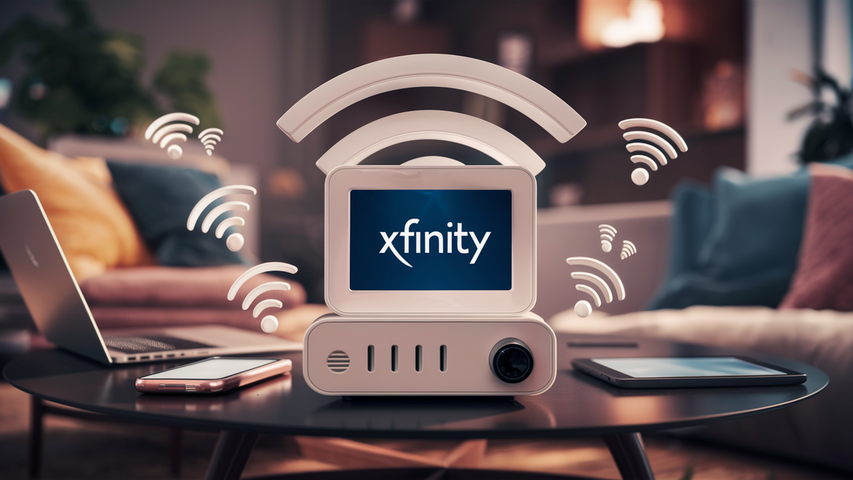
Changing your Xfinity Wi-Fi name (SSID) and password is a straightforward process that enhances your home network's security and personalization. This guide provides a comprehensive, step-by-step walkthrough, empowering you to manage your Xfinity Wi-Fi effectively and securely, ensuring a robust online experience for all your devices in 2025.
Why Change Your Xfinity Wi-Fi Name (SSID) and Password?
In today's interconnected world, the security and personalization of your home Wi-Fi network are paramount. For Xfinity customers, understanding how to change your Wi-Fi name (SSID) and password is not just about convenience; it's a crucial step in safeguarding your digital life. The default settings provided by your Internet Service Provider (ISP) are often generic and, in some cases, can be more vulnerable to unauthorized access. By taking the initiative to customize these settings, you significantly bolster your network's security, prevent potential intrusions, and even improve the ease with which you connect your devices.
As of 2025, the threat landscape for home networks continues to evolve. Malicious actors are increasingly sophisticated in their attempts to gain access to unsecured networks, which can lead to identity theft, financial fraud, and the misuse of your internet bandwidth. Changing your Wi-Fi password regularly, and ensuring it's strong and unique, acts as a primary defense. Similarly, changing the SSID can make your network less of a target for casual snooping or automated scanning tools that look for default network names. Beyond security, a personalized SSID can make it easier to identify your network among many in a crowded area, and a memorable password simplifies reconnection for family members and guests. This proactive approach ensures a safer, more reliable, and personalized internet experience.
Security Enhancements
The most compelling reason to change your Xfinity Wi-Fi name and password is security. Default SSIDs and passwords are often publicly known or easily discoverable, making your network a prime target for hackers. A strong, unique password and a customized SSID make it significantly harder for unauthorized users to access your network. This protects your personal data, prevents bandwidth theft, and shields you from potential legal liabilities if your network is used for illicit activities.
Network Personalization and Identification
A custom SSID allows you to brand your network. You can choose a name that is easy to remember and identify, especially useful in apartment buildings or densely populated areas where multiple Wi-Fi networks are present. This personalization can also extend to family members, making it simpler for everyone to connect to the correct network without confusion.
Improved Performance and Control
While changing the SSID itself doesn't directly impact Wi-Fi speed, a more secure network can indirectly lead to better performance. When your network is not being accessed by unauthorized devices, all available bandwidth is dedicated to your legitimate users, leading to a smoother online experience. Furthermore, having control over your network settings allows you to manage connected devices more effectively.
Compliance and Best Practices
Many cybersecurity experts recommend changing default credentials for any connected device, including your router. This aligns with general best practices for digital hygiene and helps maintain a secure home network environment, which is increasingly important as more devices become connected in 2025.
Accessing Your Xfinity Router Settings
Before you can change your Wi-Fi name and password, you need to access your Xfinity router's administrative settings. Xfinity provides two primary methods for this: through their dedicated mobile app or via a web browser. Both methods are designed to be user-friendly, but understanding the nuances of each can help you choose the most convenient option for your situation.
Understanding Your Xfinity Gateway
Xfinity typically provides a "gateway" device, which is a modem and router combined into one unit. This gateway is the central hub for your home network. Knowing the model of your gateway can sometimes be helpful, though the access methods are generally standardized across most Xfinity equipment. You can usually find the model number printed on a sticker on the device itself.
Method 1: The Xfinity App
The Xfinity app is the most modern and often the simplest way to manage your home network. It's designed for ease of use, especially for users who prefer a mobile-first approach. The app allows you to monitor your network, see connected devices, troubleshoot issues, and, crucially, change your Wi-Fi name and password without needing to log into a web interface.
- Download and Install: First, ensure you have the Xfinity app installed on your smartphone or tablet. It's available for both iOS and Android devices.
- Log In: Use your Xfinity account credentials to log in. If you don't have an account or have forgotten your credentials, you'll need to set one up or use the recovery options provided by Xfinity.
- Navigate to Network Settings: Once logged in, look for a section related to your home network, Wi-Fi, or gateway settings. This is typically prominently displayed on the app's dashboard or within a "My Account" or "Services" menu.
- Access Wi-Fi Settings: Within the network settings, you should find options to view and edit your Wi-Fi name (SSID) and password.
Method 2: Web Browser Access
The traditional method of accessing router settings involves using a web browser on a computer or device connected to your Xfinity network. This method provides a more detailed interface and is sometimes necessary for advanced configurations.
- Connect to Your Network: Ensure the device you are using is connected to your Xfinity Wi-Fi network.
- Open a Web Browser: Launch your preferred web browser (e.g., Chrome, Firefox, Safari, Edge).
- Enter Gateway IP Address: In the address bar, type the IP address of your Xfinity gateway. The most common IP address for Xfinity gateways is 10.0.0.1. If this doesn't work, you can often find the correct IP address on a sticker on your gateway or by checking your device's network settings (look for the "Default Gateway").
- Log In: You will be prompted to enter a username and password. The default username for Xfinity gateways is typically admin. The default password can vary; it might be printed on the gateway itself, or you might have set a custom password during initial setup. If you've never changed it and can't find it on the device, you may need to contact Xfinity support or reset your gateway to factory defaults (which will reset all settings, including Wi-Fi).
- Navigate to Wi-Fi Settings: Once logged in, you'll see the router's administrative interface. Look for sections labeled "Wireless," "Wi-Fi," "Network Settings," or "SSID Settings."
It's important to note that Xfinity often pushes firmware updates to their gateways, which can sometimes change the interface or default login credentials. If you encounter issues, consulting Xfinity's official support documentation or contacting their customer service is always a good step.
Method 1: Using the Xfinity App (Recommended)
The Xfinity app streamlines the process of managing your home network, making it the preferred method for most users to change their Wi-Fi name (SSID) and password. This approach is intuitive and requires minimal technical expertise.
Step-by-Step Guide Using the Xfinity App
- Launch the Xfinity App: Open the Xfinity app on your smartphone or tablet. Ensure you are logged in with your Xfinity account credentials. If you haven't used the app before, you may need to download it from your device's app store (Apple App Store or Google Play Store) and create an account.
- Navigate to the "Internet" or "Network" Section: Once logged in, you'll typically see a dashboard. Look for a tab or section labeled "Internet," "Network," "Home," or similar. This is where you'll find controls for your home Wi-Fi.
- Select "Wi-Fi": Within the Internet/Network section, tap on the "Wi-Fi" option. This will usually display your current Wi-Fi network name (SSID) and password.
- Tap "Edit" or "Change Settings": You should see an option to edit your Wi-Fi settings. This might be a button labeled "Edit," "Change Password," "Manage Wi-Fi," or a pencil icon. Tap on this to proceed.
- Change Your Wi-Fi Name (SSID): You will see a field for your current SSID. Delete the existing name and type in your desired new Wi-Fi name. Choose something unique and easily identifiable, but avoid personal information.
- Change Your Wi-Fi Password: Below the SSID field, you'll find the password field. Delete the current password and enter a new, strong password. Aim for a combination of uppercase and lowercase letters, numbers, and symbols. A password manager can help you generate and store strong, unique passwords.
- Save Changes: After entering your new SSID and password, look for a "Save," "Apply," or "Done" button. Tap this to confirm your changes.
- Reconnect Devices: Your Wi-Fi network will temporarily go offline as the changes are applied. Once the network comes back online, you will need to reconnect all your devices (laptops, smartphones, smart TVs, etc.) using the new Wi-Fi name and password. This is a crucial step, as all previously saved network credentials will now be invalid.
Tips for Using the Xfinity App
- Enable Two-Factor Authentication: For added security of your Xfinity account, enable two-factor authentication within the app or your Xfinity account settings.
- Keep the App Updated: Ensure you always have the latest version of the Xfinity app installed to benefit from new features and security updates.
- Network Status: The app provides a real-time view of your network status, including connected devices and internet speed.
Method 2: Using a Web Browser
For users who prefer a more traditional interface or need access to more advanced settings, logging into your Xfinity gateway via a web browser is an effective alternative. This method involves directly interacting with the router's administrative panel.
Step-by-Step Guide Using a Web Browser
- Connect to Your Xfinity Network: Ensure the computer or device you are using is connected to your Xfinity Wi-Fi network. A wired Ethernet connection is also an option and can sometimes be more stable for configuration tasks.
- Open a Web Browser: Launch your preferred web browser (e.g., Chrome, Firefox, Edge, Safari).
- Enter the Gateway IP Address: In the address bar, type 10.0.0.1 and press Enter. This is the default IP address for most Xfinity gateways. If this address doesn't work, check your gateway's sticker or your device's network settings for the correct "Default Gateway" IP.
-
Log In to the Gateway: You will be presented with a login screen.
- Username: Typically, the username is admin.
- Password: The password can vary. It might be printed on a sticker on your gateway, or it could be a password you set during initial setup. If you've forgotten it and haven't changed it from a default, you might need to contact Xfinity support or consider a factory reset of the gateway.
- Navigate to Wireless Settings: Once logged in, look for a menu option such as "Wireless," "Wi-Fi," "Network Settings," or "Advanced Settings." Click on this to access your Wi-Fi configuration.
- Locate SSID and Password Fields: Within the wireless settings, you should find fields for your Wi-Fi network name (SSID) and password. There might be separate settings for the 2.4 GHz and 5 GHz bands if your gateway is dual-band. It's generally recommended to change both if applicable.
- Change Your Wi-Fi Name (SSID): Enter your desired new SSID in the designated field. Make it unique and easy to remember.
- Change Your Wi-Fi Password: Enter your new, strong password in the password field. Ensure it meets security best practices. You may also have an option to set the Wi-Fi security type (WPA2/WPA3 is recommended).
- Save/Apply Changes: Click the "Save," "Apply," or "Submit" button to confirm your new settings. The gateway will likely reboot or apply the changes, which may cause a brief internet interruption.
- Reconnect Your Devices: After the gateway has finished applying the changes, you will need to reconnect all your wireless devices to the network using the new SSID and password. This includes smartphones, tablets, laptops, smart TVs, gaming consoles, and any other Wi-Fi-enabled devices.
Important Considerations for Web Browser Access
- Gateway Firmware: Xfinity gateways are managed remotely by Comcast. Firmware updates can sometimes alter the interface or default credentials. If you encounter an unfamiliar interface, consult Xfinity's official support resources.
- Security Type: Ensure you select a robust security protocol like WPA2 or WPA3. WPA3 is the latest standard and offers enhanced security. Avoid older protocols like WEP or WPA, as they are significantly less secure.
- Dual-Band Networks: If your gateway supports both 2.4 GHz and 5 GHz bands, you will typically need to configure the SSID and password for each band separately. You can choose to use the same credentials for both or different ones for easier identification.
Troubleshooting Common Issues
While changing your Xfinity Wi-Fi name and password is usually a smooth process, occasional hiccups can occur. Understanding common problems and their solutions can save you time and frustration.
Issue: Cannot Access Gateway IP Address (10.0.0.1)
Possible Causes and Solutions:
- Not Connected to the Network: Ensure your device is connected to the Xfinity Wi-Fi network. If you're using a wired connection, verify the Ethernet cable is securely plugged in at both ends.
- Incorrect IP Address: While 10.0.0.1 is standard, some configurations might differ. Check your device's network settings for the "Default Gateway" IP address. You can usually find this in your computer's network adapter settings or on your smartphone's Wi-Fi details screen.
- Gateway Not Responding: Try power cycling your Xfinity gateway. Unplug the power cord, wait 30 seconds, and plug it back in. Allow a few minutes for it to fully boot up before trying to access the IP address again.
- Firewall Blocking Access: Temporarily disable any firewall software on your computer to see if it's interfering. Remember to re-enable it afterward.
- Xfinity System Outage: Check the Xfinity status page or app for any reported outages in your area.
Issue: Forgotten Gateway Login Credentials
Solutions:
- Check Gateway Sticker: The default username and password are often printed on a sticker on the Xfinity gateway itself.
- Contact Xfinity Support: If you cannot find the credentials and have not changed them, Xfinity support can assist you. They may be able to retrieve or reset them for you.
- Factory Reset (Last Resort): If all else fails, you can perform a factory reset on your gateway. This will revert all settings to their original defaults, including the Wi-Fi name, password, and any custom configurations. This usually involves pressing and holding a small reset button on the back or bottom of the gateway for about 10-15 seconds. Be aware that this will erase all your custom settings, and you will need to reconfigure your network from scratch.
Issue: Devices Not Connecting After Changing Password
Possible Causes and Solutions:
- Incorrect Password Entered: Double-check that you are entering the new Wi-Fi password correctly. Passwords are case-sensitive.
- Device Not Updated: Ensure you have updated the Wi-Fi settings on each device. Some older devices might have issues with newer security protocols (WPA3); if so, you might need to revert to WPA2 in your gateway settings.
- Network Band Issues: If you changed settings for both 2.4 GHz and 5 GHz bands, ensure you are trying to connect to the correct one, or that the credentials are the same if you intended them to be.
- Router Reboot: Sometimes, a simple reboot of the gateway can resolve connectivity issues. Power cycle it as described above.
- Forget Network and Reconnect: On your device (smartphone, laptop, etc.), go to your Wi-Fi settings, find your network name, and select "Forget Network." Then, scan for available networks and reconnect, entering the new password when prompted.
Issue: Slow Internet Speeds After Changes
Possible Causes and Solutions:
- Bandwidth Congestion: If many devices are connected and actively using the internet, speeds can slow down. Check the Xfinity app for connected devices and their activity.
- Interference: Ensure your gateway is placed in an open area, away from obstructions and other electronic devices that can cause interference.
- Router Placement: The physical location of your gateway can impact signal strength. For optimal coverage, place it in a central location in your home.
- Gateway Overheating: Ensure the gateway has adequate ventilation.
- ISP Issue: Contact Xfinity support to rule out any issues on their end.
Best Practices for Wi-Fi Security
Securing your home network is an ongoing process. Implementing strong security practices ensures that your personal information remains private and your internet connection is used only by authorized devices. As of 2025, these practices are more critical than ever.
1. Create a Strong, Unique Password
This is the most fundamental step. Your Wi-Fi password should be:
- Long: Aim for at least 12-15 characters.
- Complex: Include a mix of uppercase letters, lowercase letters, numbers, and symbols (e.g., !, @, #, $).
- Random: Avoid using personal information like names, birthdays, addresses, or common words.
- Unique: Do not reuse passwords from other accounts.
Consider using a password manager to generate and store complex passwords securely.
2. Choose a Strong Wi-Fi Name (SSID)
While not as critical as the password, your SSID also plays a role:
- Avoid Personal Information: Do not include your name, address, or any identifying details in your SSID.
- Make it Unique: Choose a name that is easily recognizable to you but not easily guessable by others.
- Consider Disabling SSID Broadcast (Optional): Some users choose to hide their SSID, meaning it won't appear in the list of available networks. However, this is a minor security measure, as determined individuals can still find hidden networks. It can also make connecting new devices more cumbersome.
3. Use WPA3/WPA2 Encryption
Ensure your Wi-Fi network is using the strongest available encryption protocol.
- WPA3: This is the latest and most secure standard, offering enhanced protection against brute-force attacks and improved privacy. If your gateway and devices support WPA3, use it.
- WPA2: If WPA3 is not an option, WPA2 (AES) is the next best choice.
- Avoid WEP and WPA: These older protocols are considered insecure and should not be used.
4. Change Default Router Credentials
As detailed earlier, changing the login credentials for your router's administrative interface (the username and password used to access 10.0.0.1) is crucial. Default credentials are widely known and can grant unauthorized access to your network settings.
5. Keep Router Firmware Updated
Xfinity automatically updates the firmware on their gateways, which is a significant advantage. This ensures your router has the latest security patches and features. If you have a separate router, regularly check for and install firmware updates.
6. Enable Guest Network (If Available)
Many routers, including Xfinity gateways, offer a guest network feature. This allows you to provide internet access to visitors without giving them access to your main network and connected devices. The guest network typically has its own SSID and password and is isolated from your primary network.
7. Monitor Connected Devices
Periodically check the list of devices connected to your network. The Xfinity app or router's admin interface usually provides this information. If you see any unfamiliar devices, it's a sign that your network might be compromised, and you should change your password immediately.
8. Secure Smart Home Devices
Smart home devices (IoT devices) can be potential entry points for hackers. Ensure they are password-protected, have their firmware updated, and are on a separate network (like a guest network) if possible.
9. Consider a VPN for Enhanced Privacy
While not directly related to changing your Wi-Fi name and password, using a Virtual Private Network (VPN) on your devices adds another layer of privacy and security by encrypting your internet traffic.
Future-Proofing Your Network
The digital landscape is constantly evolving, and ensuring your home network is prepared for future advancements is a wise investment. As we move further into the 2020s and beyond, several trends will shape how we use and secure our home internet.
Embracing Wi-Fi 6E and Wi-Fi 7
Wi-Fi 6 (802.11ax) has become mainstream, offering faster speeds, better capacity, and improved performance in congested environments. However, the next generations are already here or on the horizon.
- Wi-Fi 6E: This standard extends Wi-Fi 6 into the 6 GHz band, offering significantly more spectrum, lower latency, and reduced interference. This is particularly beneficial for high-bandwidth applications like AR/VR and high-definition streaming.
- Wi-Fi 7 (802.11be): The upcoming Wi-Fi 7 promises even greater speeds (potentially up to 40 Gbps), lower latency, and enhanced reliability through features like multi-link operation and wider channels.
While Xfinity gateways will eventually support these newer standards, staying informed about their availability and considering upgrades for your devices (laptops, smartphones, smart TVs) will be key to leveraging these advancements.
The Rise of IoT and Smart Home Ecosystems
The number of connected devices in the average home is projected to continue its exponential growth. By 2026, it's estimated that the average household will have over 50 connected devices. This includes smart speakers, thermostats, security cameras, lighting, appliances, and more.
- Network Segmentation: As mentioned in security best practices, segmenting your network using guest networks or VLANs (Virtual Local Area Networks) becomes increasingly important to isolate potentially less secure IoT devices from your primary network.
- Device Management: Future gateways and apps will likely offer more sophisticated tools for managing and monitoring a large number of connected devices, including automated security checks and firmware updates.
Increased Reliance on Cloud Services
From cloud storage and streaming services to remote work and online education, our reliance on cloud-based applications is only growing. This means a stable, high-speed internet connection is no longer a luxury but a necessity.
- Bandwidth Demands: As cloud services become more feature-rich and data-intensive, the demand for higher internet speeds will continue to rise.
- Reliability: Network stability and uptime are paramount. Future network management tools will likely focus on proactive issue detection and resolution to minimize downtime.
Enhanced Network Security Measures
With the increasing sophistication of cyber threats, network security will continue to be a top priority.
- AI-Powered Security: Expect gateways and security software to incorporate more artificial intelligence and machine learning to detect and neutralize threats in real-time.
- Zero-Trust Architectures: While more common in enterprise environments, the principles of zero-trust (never trust, always verify) may trickle down to home network security, requiring verification for every device and connection.
- Biometric Authentication: As devices become more integrated, we might see more seamless and secure authentication methods for accessing networks and devices.
By understanding these trends and implementing robust security practices today, you can ensure your Xfinity home network remains secure, efficient, and ready for the technological advancements of tomorrow. Regularly reviewing your network settings, updating your passwords, and staying informed about new security protocols are key to future-proofing your digital life.
Conclusion
Mastering the process of changing your Xfinity Wi-Fi name (SSID) and password is an essential skill for any internet user in 2025. It's a proactive step towards a more secure, personalized, and reliable home network. Whether you prefer the simplicity of the Xfinity app or the detailed control of a web browser, the methods are accessible and designed to empower you. By implementing strong, unique passwords, utilizing robust encryption like WPA3, and regularly monitoring your network, you significantly reduce the risk of unauthorized access and protect your valuable data. Remember to reconnect all your devices after making changes and to troubleshoot any issues by consulting your gateway's documentation or Xfinity support. Staying vigilant with these security practices ensures your online experience remains safe and seamless as technology continues to evolve.