How To Add Xfinity Flex To Wifi?
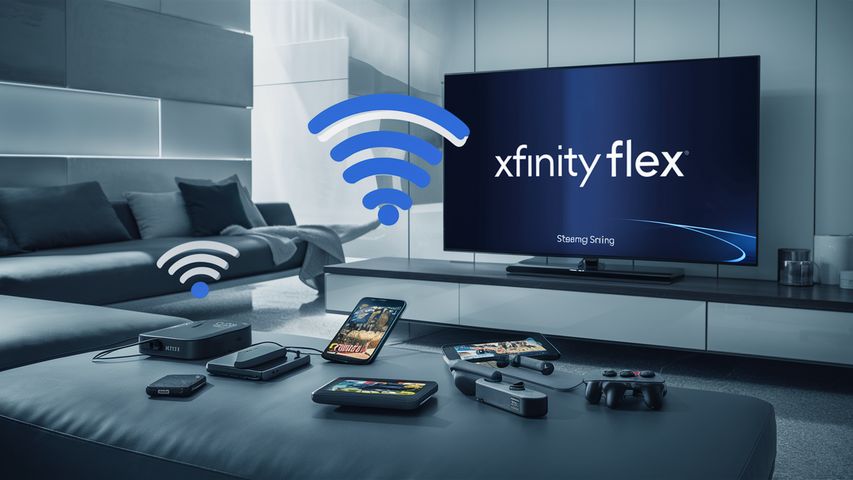
Unlock seamless entertainment by learning how to add Xfinity Flex to your WiFi. This comprehensive guide provides step-by-step instructions, troubleshooting tips, and insights into maximizing your streaming experience with Xfinity Flex, ensuring you connect effortlessly and enjoy your favorite content.
Understanding Xfinity Flex: Your Gateway to Streaming
In today's rapidly evolving digital landscape, streaming services have become the primary mode of entertainment for millions. Xfinity Flex, a product from Comcast, offers a compelling solution for users looking to consolidate their streaming apps and access them through a user-friendly interface, all powered by their existing Xfinity internet service. Unlike traditional cable boxes, Xfinity Flex is a streaming TV device that seamlessly integrates popular apps like Netflix, Hulu, Amazon Prime Video, Disney+, and many more, alongside live TV options and Xfinity's own content library. The core of its functionality relies on a stable and secure Wi-Fi connection, making the process of adding Xfinity Flex to your WiFi network a crucial first step for any new user.
This device acts as a central hub, allowing you to search for content across multiple platforms with voice commands via its remote. It's designed to be simple to set up and use, even for those less familiar with advanced technology. The primary benefit of Xfinity Flex is its ability to bring together disparate streaming services into a single, cohesive experience. For Xfinity internet customers, it's often provided at no additional monthly cost, making it an attractive value proposition. However, the effectiveness and enjoyment derived from Xfinity Flex are directly proportional to the quality of your home network. A robust Wi-Fi connection ensures smooth playback, quick app loading times, and a frustration-free streaming session. Therefore, understanding how to correctly connect Xfinity Flex to your WiFi is paramount to unlocking its full potential.
The device itself is a small, discreet box that connects to your television via HDMI. It requires power and, crucially, an internet connection. This internet connection is established wirelessly through your home WiFi network. The setup process is designed to be intuitive, guiding users through the necessary steps to link the device to their home network credentials. This guide will delve deep into this process, ensuring that whether you're a tech-savvy individual or a beginner, you can successfully integrate Xfinity Flex into your home entertainment system. We will cover everything from the initial requirements to advanced troubleshooting, ensuring a smooth and enjoyable streaming experience from day one.
What Exactly is Xfinity Flex?
Xfinity Flex is more than just another streaming device; it's a comprehensive entertainment hub designed by Comcast for its Xfinity internet-only customers. It provides a unified platform to access a vast array of streaming content, including on-demand movies and TV shows, popular apps, live TV channels (through various app subscriptions), and music. The device is powered by Comcast's own operating system, which is optimized for voice control and intuitive navigation. This means you can use the included remote to search for content, launch apps, and control playback using simple voice commands, making the user experience incredibly convenient.
Key features of Xfinity Flex include:
- Unified Search: Search for shows, movies, and apps across multiple streaming services from a single interface.
- Voice Control: The included voice remote allows for hands-free operation, making it easy to find content or control playback.
- App Integration: Access to a wide range of popular streaming apps such as Netflix, Hulu, Amazon Prime Video, Disney+, YouTube, Peacock (Comcast's own service), and many more.
- Live TV Access: While Flex itself doesn't include live TV channels, it allows easy access to live TV content through subscriptions to apps like YouTube TV, Sling TV, or Hulu + Live TV.
- Free with Xfinity Internet: For eligible Xfinity internet customers, the Flex device is typically provided at no additional monthly rental fee, making it a cost-effective streaming solution.
- Personalization: The interface learns your preferences over time, offering personalized recommendations.
The device's primary function is to simplify the streaming experience. Instead of juggling multiple apps and interfaces, Flex offers a consolidated view. This is particularly beneficial for households with diverse streaming preferences. The ease of use, coupled with the potential for cost savings compared to traditional cable packages, makes Xfinity Flex a popular choice for many households. However, its reliance on a stable internet connection means that understanding its integration with your home network is crucial for optimal performance.
How Xfinity Flex Uses Your WiFi
Xfinity Flex operates as a network-dependent device. It does not have its own cellular connection or a direct wired internet connection (unless you choose to use a USB-to-Ethernet adapter, which is not the standard setup). Instead, it connects wirelessly to your home's WiFi network. This WiFi connection is the lifeline that enables the Flex device to communicate with the internet, stream content from various services, and receive software updates. When you request to watch a show on Netflix, for instance, the Flex device sends a request through your WiFi network to Netflix's servers. The video data then travels back through your WiFi network to the Flex device, which decodes it and displays it on your TV.
The speed and stability of your WiFi network directly impact the quality of your streaming experience. A slow or unstable connection can lead to buffering, pixelation, reduced video quality, and even complete playback interruptions. Therefore, ensuring that your WiFi network is robust enough to handle the demands of streaming is essential. This includes having adequate internet speed from your provider and a well-configured home router. The process of connecting Xfinity Flex to your WiFi involves providing the device with your network's SSID (network name) and password, much like connecting a smartphone or laptop to your network.
Understanding this dependency is key. If you experience issues with Xfinity Flex, the first place to look is often your WiFi network. Is the signal strong where the Flex device is located? Is your internet speed sufficient? Are there too many devices competing for bandwidth on your network? These are all questions that become relevant when troubleshooting. This guide will address these points to ensure your Xfinity Flex experience is as smooth as possible.
Prerequisites for Connecting Xfinity Flex to Your WiFi
Before you embark on the journey of connecting your Xfinity Flex device to your home WiFi network, it's essential to ensure you have all the necessary components and information in place. Skipping these preliminary steps can lead to frustration and delays. Think of this as preparing your workspace before starting a complex project; a little preparation goes a long way in ensuring a smooth and successful outcome. By confirming these prerequisites, you'll significantly increase your chances of a seamless setup process.
Xfinity Internet Service is Required
The most fundamental requirement for using Xfinity Flex is an active Xfinity internet service. Xfinity Flex is not a standalone streaming device that works with any internet provider. It is a service and hardware offering exclusively for Comcast's Xfinity internet subscribers. If you do not have Xfinity internet, you will not be eligible to receive or use an Xfinity Flex device. This is a critical distinction, as it means the device is bundled as a perk for existing internet customers, rather than a universally available streaming box.
Ensure your Xfinity internet service is active and in good working order. If you are experiencing internet outages or service disruptions from Xfinity, the Flex device will not be able to connect or function. It's advisable to confirm your internet service is stable before proceeding with the Flex setup. You can typically check your service status through your Xfinity account online or by contacting Xfinity customer support. Having a reliable internet connection is the bedrock upon which the entire Xfinity Flex experience is built.
Compatible Router and Network Settings
Xfinity Flex connects to your home network via WiFi. Therefore, the compatibility and configuration of your WiFi router are paramount. While Xfinity Flex is designed to work with most standard home WiFi routers, certain settings or older router models might pose challenges. For the best experience, it's recommended to use a modern router that supports current WiFi standards, such as WiFi 5 (802.11ac) or WiFi 6 (802.11ax). These standards offer better speed, range, and capacity, which are crucial for streaming high-definition content.
Key router considerations include:
- 2.4 GHz and 5 GHz Bands: Most modern routers broadcast on both 2.4 GHz and 5 GHz bands. The 5 GHz band generally offers faster speeds and less interference, making it ideal for streaming. The 2.4 GHz band has a longer range. Xfinity Flex can connect to either, but the 5 GHz band is preferred for performance. Ensure your router is broadcasting both bands if possible.
- WPA2/WPA3 Security: For security, your WiFi network should be protected with WPA2 or WPA3 encryption. Xfinity Flex supports these security protocols. Avoid older, less secure protocols like WEP.
- SSID and Password: You will need to know your WiFi network's name (SSID) and its password. This information is usually found on a sticker on your router or in your router's administration settings.
- DHCP Enabled: Your router's DHCP (Dynamic Host Configuration Protocol) server must be enabled. This allows the Flex device to automatically obtain an IP address from your network. Most routers have DHCP enabled by default.
- Firewall Settings: While less common, overly restrictive firewall settings on your router could potentially block the Flex device from accessing the internet. If you encounter persistent connection issues, you might need to check these settings, though this is usually not necessary for a standard setup.
If you are using an Xfinity-provided modem/router combo (like an Xfinity Gateway), it is generally optimized for Xfinity devices, including Flex. If you are using a third-party router, ensure it is up-to-date and properly configured. For advanced users, ensuring the router firmware is also up-to-date is a good practice.
Television with an HDMI Port
Xfinity Flex connects to your television using an HDMI cable. Therefore, your TV must be equipped with at least one available HDMI port. HDMI (High-Definition Multimedia Interface) is the standard connection for transmitting high-definition video and audio signals between devices. If your TV is relatively modern (manufactured within the last 10-15 years), it is highly likely to have multiple HDMI ports.
Before you begin, locate an available HDMI port on your television. Ensure the port is clean and free from debris. You will also need an HDMI cable, which is typically included with the Xfinity Flex device. If for some reason it's not included or you need a longer one, standard HDMI cables are readily available at most electronics retailers.
Xfinity Account Credentials
During the setup process, you will likely need to log in to your Xfinity account to activate and personalize your Xfinity Flex device. This typically involves using your Xfinity username and password. It's crucial to have these credentials readily available. If you have forgotten your username or password, you can usually recover them through the Xfinity website or app by following their account recovery procedures.
Having your account credentials handy will streamline the activation process, allowing the device to be linked to your specific Xfinity service and preferences. This step is essential for ensuring that the Flex device is properly registered and provisioned for your account, enabling access to all its features and personalized content recommendations.
Physical Space and Power Outlet
The Xfinity Flex device is a compact unit. You'll need a suitable location to place it near your television. This location should:
- Be within reach of your TV's HDMI port.
- Be within a reasonable range of your WiFi router for a strong signal, though extensions or mesh systems can mitigate this.
- Have access to a power outlet for the device's power adapter.
Ensure there is adequate ventilation around the device, as electronic components can generate heat during operation. Avoid placing it in enclosed spaces like cabinets without proper airflow. The power adapter will also need to be plugged into a working electrical outlet.
Step-by-Step Guide: Adding Xfinity Flex to Your WiFi
Connecting your Xfinity Flex device to your WiFi network is a straightforward process designed to be user-friendly. By following these steps carefully, you should be able to get your streaming device up and running in no time. This guide assumes you have completed the prerequisite checks outlined in the previous section.
1. Unboxing and Initial Setup
Carefully unbox your Xfinity Flex device. You should find the Flex streaming box, a power adapter, an HDMI cable, and the voice remote with batteries. Connect the HDMI cable to the HDMI Out port on the Flex device and the other end to an available HDMI port on your TV. Then, connect the power adapter to the Flex device and plug it into a power outlet. Turn on your TV and select the correct HDMI input source that corresponds to the port you used for the Flex device.
Upon powering on, the Xfinity Flex device will display a welcome screen and begin its initial boot-up sequence. This may take a few minutes. You will be prompted to pair your voice remote. Typically, this involves pressing and holding a specific button combination on the remote as instructed on the screen.
2. Connecting to Your WiFi Network
Once the remote is paired and the device has booted up, you will be guided through the network connection process. The Flex device will scan for available WiFi networks in your vicinity.
- Select Your Network: A list of detected WiFi networks (SSIDs) will appear on your TV screen. Navigate through the list using your voice remote and select your home WiFi network's name.
- Enter Your Password: After selecting your network, you will be prompted to enter your WiFi password. Use the on-screen keyboard and your voice remote to carefully type in your WiFi password. Passwords are case-sensitive, so ensure you enter it exactly as it is.
- Confirm and Connect: Once you have entered your password, select the "Connect" or "Join" option. The Flex device will attempt to connect to your WiFi network.
A confirmation message will appear on the screen indicating whether the connection was successful. If it fails, double-check your password and try again. If issues persist, refer to the troubleshooting section of this guide.
3. Account Activation and Personalization
After successfully connecting to your WiFi, the Flex device will prompt you to activate it with your Xfinity account. This step links the device to your subscription and allows for personalization.
- Sign In: You will be asked to sign in using your Xfinity username and password. Enter these credentials using the on-screen keyboard and your voice remote.
- Device Registration: The system will verify your account and register the Flex device. This may involve a brief confirmation process.
- Personalization: You may be asked to set up user profiles, link existing streaming service accounts (like Netflix, Hulu, etc.), and set parental controls if desired. Follow the on-screen prompts to customize your experience.
This activation process ensures that your Xfinity Flex device is properly configured for your account and ready to stream your favorite content.
4. Completing Setup and Exploring the Interface
Once activation is complete, you will be taken to the main Xfinity Flex home screen. This is your central hub for all streaming content. Take some time to explore the interface:
- Apps: Navigate to the Apps section to see pre-installed streaming applications and discover new ones you can download.
- Search: Use the voice search function (usually activated by pressing and holding a microphone button on the remote) to find movies, shows, or actors across different services.
- Recommendations: The home screen often displays personalized recommendations based on your viewing habits.
- Settings: Explore the settings menu to adjust display options, audio preferences, network settings, and parental controls.
You are now ready to enjoy your Xfinity Flex experience! Launch your favorite apps and start streaming.
Troubleshooting Common Xfinity Flex WiFi Connection Issues
Even with a smooth setup process, you might occasionally encounter issues connecting your Xfinity Flex to your WiFi network. Fortunately, most common problems are resolvable with a few troubleshooting steps. This section covers the most frequent challenges and their solutions, ensuring you can get back to streaming quickly.
Issue: Xfinity Flex Does Not See My WiFi Network
Possible Causes:
- Router is off or not broadcasting SSID.
- Device is too far from the router.
- WiFi is hidden (SSID broadcast is disabled).
- Router is malfunctioning.
Solutions:
- Check Router: Ensure your WiFi router is powered on and broadcasting its signal. Check the indicator lights on the router.
- Move Closer: Temporarily move the Xfinity Flex device closer to your WiFi router to see if signal strength is the issue. If it connects, you may need to reposition your router or consider a WiFi extender.
- Enable SSID Broadcast: If your WiFi network name (SSID) is hidden, you'll need to manually enter it into the Flex device. This is usually done through an "Other Network" or "Manual Setup" option during the WiFi connection process. You'll need the exact SSID and password.
- Restart Router: Unplug your WiFi router from power for 30 seconds, then plug it back in. Wait a few minutes for it to fully boot up and then try scanning for networks again.
- Check Other Devices: See if other devices (like your phone or laptop) can see and connect to your WiFi network. If not, the issue is likely with your router or internet service.
Issue: "Incorrect Password" Error Message
Possible Causes:
- Typo in the password.
- Password has been changed recently.
- Incorrect case sensitivity.
Solutions:
- Re-enter Carefully: Double-check that you are entering the WiFi password exactly as it is, paying close attention to uppercase and lowercase letters, numbers, and symbols.
- Verify Password: Try connecting another device to your WiFi network using the same password to confirm it's correct. If another device fails, you'll need to reset your WiFi password via your router's settings or by contacting your internet provider.
- Check Router Label: The default password is often printed on a sticker on the router itself.
Issue: Connection Timed Out or Connection is Unstable/Buffering
Possible Causes:
- Weak WiFi signal strength.
- Network congestion (too many devices using the internet).
- Internet service provider (ISP) issues.
- Router needs a reboot.
- Xfinity Flex device software issue.
Solutions:
- Improve Signal Strength:
- Move the Flex device closer to the router.
- Reposition your router to a more central location, away from obstructions like thick walls or large metal objects.
- Consider a WiFi extender or a mesh WiFi system to improve coverage in areas with weak signals.
- Reduce Network Congestion: Temporarily disconnect other devices that are heavily using your internet bandwidth (e.g., devices downloading large files, other streaming devices).
- Restart Devices:
- Router: Unplug your router for 30 seconds and plug it back in.
- Xfinity Flex: Unplug the power adapter from the Xfinity Flex device for 30 seconds, then plug it back in.
- Check Internet Speed: Run an internet speed test on another device connected to your WiFi. If speeds are significantly lower than what you pay for, contact your ISP. Xfinity recommends at least 25 Mbps for HD streaming.
- Check Xfinity Service Status: Visit the Xfinity website or app to check for any reported outages in your area.
- Update Router Firmware: Ensure your router's firmware is up to date. Consult your router's manual or manufacturer's website for instructions.
Issue: Xfinity Flex Device Not Getting an IP Address
Possible Causes:
- DHCP server on the router is disabled or malfunctioning.
- IP address conflict.
- Router has reached its maximum number of connected devices.
Solutions:
- Enable DHCP: Log in to your router's administration panel and ensure that the DHCP server is enabled. This is usually found in the LAN or network settings.
- Restart Router and Flex: Perform a full restart of both your router and the Xfinity Flex device as described above. This often resolves temporary IP address conflicts.
- Check Device Limit: Some routers have a limit on the number of devices they can assign IP addresses to. If you have many devices connected, try disconnecting a few temporarily to see if the Flex device can then obtain an IP address.
- Factory Reset Router: As a last resort, you might consider a factory reset of your router, but be aware this will erase all custom settings, and you'll need to reconfigure your network from scratch.
Issue: Problems During Account Activation
Possible Causes:
- Incorrect Xfinity username or password.
- Xfinity account issues (e.g., service not provisioned correctly).
- Temporary server issues with Xfinity.
Solutions:
- Verify Credentials: Ensure you are using the correct Xfinity username and password. Try logging into your Xfinity account on a web browser to confirm.
- Reset Password: If you've forgotten your password, use the "Forgot Password" option on the Xfinity login page.
- Check Account Status: Confirm that your Xfinity internet service is active and properly provisioned for streaming services. Contact Xfinity support if you suspect an account issue.
- Wait and Retry: If you suspect temporary server issues, wait a few hours and try the activation process again.
- Contact Xfinity Support: If all else fails, contact Xfinity customer support for assistance with activation problems.
Optimizing Your Xfinity Flex Experience
Once your Xfinity Flex is successfully connected to your WiFi, you'll want to ensure you're getting the best possible performance and enjoyment from the device. Optimization involves fine-tuning your network, understanding device settings, and leveraging the features of Flex to their fullest potential. This section provides actionable tips to elevate your streaming experience beyond basic functionality.
Ensure Optimal WiFi Performance
A stable and fast WiFi connection is the cornerstone of smooth streaming. Even if your initial connection was successful, continuous optimization is key.
- Use the 5 GHz Band: Whenever possible, connect your Xfinity Flex to your router's 5 GHz WiFi band. This band offers higher speeds and less interference from other devices, leading to better video quality and reduced buffering. Ensure your router is configured to broadcast both 2.4 GHz and 5 GHz bands, and select the 5 GHz option during Flex setup if available.
- Router Placement: Position your router in a central location in your home, away from obstructions like thick walls, metal objects, or appliances that can cause interference (e.g., microwaves). For optimal signal strength to your Flex device, aim for a clear line of sight or minimal obstacles.
- Minimize Network Congestion: Be mindful of how many devices are actively using your WiFi network simultaneously. If you have multiple users streaming, gaming, or downloading large files, it can impact the performance of your Xfinity Flex. Consider scheduling bandwidth-intensive activities during off-peak hours or upgrading your internet plan if congestion is a persistent issue.
- Consider WiFi Extenders or Mesh Systems: If your home is large or has many dead spots, a WiFi extender or a mesh WiFi system can significantly improve signal strength and coverage, ensuring a stable connection for your Xfinity Flex regardless of its location.
- Regular Router Reboots: Periodically restarting your router (e.g., once a week) can help clear its memory and resolve minor performance issues.
Utilize Voice Search Effectively
The voice remote is one of Xfinity Flex's most powerful features. Mastering its use can save you time and enhance your discovery of content.
- Speak Clearly: When using the voice remote, speak clearly and directly into the microphone.
- Be Specific: Instead of just saying "action movies," try "Show me action movies starring Tom Cruise" or "Find the latest episode of 'The Mandalorian'." The more specific you are, the better the results.
- Search Across Apps: Remember that Flex's voice search can query multiple streaming services. If you're unsure where a show is available, simply ask Flex to find it.
- Control Playback: Use voice commands for playback control, such as "Pause," "Play," "Fast forward 30 seconds," or "Go back 1 minute."
- Explore Commands: Experiment with different commands. You can ask for "Comedy movies," "Kids' shows," or even "What's the weather?"
Manage Streaming Apps and Accounts
Xfinity Flex acts as a gateway to your favorite streaming services. Efficient management ensures you have access to everything you want.
- Pin Your Favorites: Pin your most frequently used apps to the home screen for quick access.
- Link Accounts: Ensure all your streaming service accounts (Netflix, Hulu, Disney+, etc.) are properly linked within the Flex settings. This allows for seamless content access without needing to log in repeatedly.
- Discover New Apps: Browse the Xfinity Flex app store regularly. New services are often added, and you might discover something new you'll enjoy.
- Organize Apps: While Flex doesn't offer extensive customization of app order beyond pinning, keeping your most used apps readily accessible is key.
Adjust Video and Audio Settings
Tailor the viewing experience to your preferences and your home theater setup.
- Resolution: Xfinity Flex typically defaults to the highest resolution supported by your TV and internet connection (e.g., 1080p or 4K). If you experience buffering, you might consider manually setting the resolution lower in the device's settings, though this is usually unnecessary if your internet is robust.
- Audio Output: If you have a soundbar or home theater system, ensure your TV is configured to output audio correctly (e.g., via HDMI ARC or optical). The Flex device will then pass through the audio signal.
- Accessibility Features: Explore accessibility options within the Flex settings, such as closed captions, audio descriptions, and contrast adjustments, if needed.
Leverage Xfinity Features
Beyond general streaming, Xfinity Flex integrates with other Xfinity services and features.
- Peacock Integration: If you subscribe to Peacock Premium, it's deeply integrated with Xfinity Flex, offering easy access to its content.
- Xfinity Stream App: While Flex is a separate device, Xfinity internet customers can also use the Xfinity Stream app on other devices to watch live TV and On Demand content, which can complement the Flex experience.
- Xfinity Rewards: Keep an eye on Xfinity Rewards for potential perks or discounts related to streaming services or Xfinity devices.
By implementing these optimization strategies, you can ensure that your Xfinity Flex device provides a consistently high-quality, convenient, and enjoyable streaming experience, making it the true centerpiece of your home entertainment.
Xfinity Flex vs. Other Streaming Solutions
The streaming device market is crowded, with numerous options available to consumers. Xfinity Flex carves out a unique niche, particularly for existing Xfinity internet customers. Understanding its strengths and weaknesses compared to other popular streaming solutions can help you determine if it's the right choice for your household.
Comparison with Streaming Sticks and Boxes (Roku, Fire TV, Apple TV, Chromecast)
Xfinity Flex competes directly with devices like Roku Streaming Sticks, Amazon Fire TV Sticks, Apple TV, and Google Chromecast. Here's how they stack up:
| Feature | Xfinity Flex | Roku / Fire TV Stick | Apple TV | Chromecast |
|---|---|---|---|---|
| Cost | Typically free with Xfinity Internet | Affordable (starting ~$30-$50) | Premium (starting ~$130+) | Affordable (starting ~$30-$50) |
| Ecosystem | Xfinity/Comcast | Open (wide app support) | Apple (iOS integration) | Google (Android/Google Home integration) |
| App Availability | Most major apps, some Xfinity specific | Vast library of apps | Vast library of apps | Relies on casting from phone/tablet apps |
| Voice Control | Excellent, integrated | Good (Alexa/Google Assistant) | Excellent (Siri) | Limited, via Google Assistant |
| User Interface | Clean, unified search | Customizable, app-centric | Sleek, user-friendly | Minimal interface, relies on casting |
| 4K HDR Support | Varies by model/content | Available on higher-end models | Standard on newer models | Available on Chromecast with Google TV |
| Gaming | Limited | Limited (casual games) | Good (Apple Arcade) | Limited |
| Target User | Xfinity Internet customers | Budget-conscious, broad appeal | Apple users, premium experience seekers | Google/Android users, simple casting |
Key Differentiators:
- Cost: The primary advantage of Xfinity Flex is its "free" aspect for Xfinity internet subscribers. While other devices have an upfront cost, Flex leverages your existing internet subscription.
- Integration: Flex is deeply integrated into the Xfinity ecosystem, offering a unified search that spans many services.
- Simplicity: For Xfinity users, Flex often simplifies the setup and management of streaming services.
However, Roku and Fire TV offer broader app stores and more customization options. Apple TV provides a premium, high-performance experience often favored by Apple enthusiasts. Chromecast excels at casting content from mobile devices.
Comparison with Smart TV Platforms (Google TV, webOS, Tizen)
Many modern televisions come with built-in smart platforms like Google TV (on Sony, TCL, etc.), LG's webOS, or Samsung's Tizen. These platforms offer integrated streaming capabilities directly on your TV.
Xfinity Flex vs. Built-in Smart TV Platforms:
- Performance: Built-in smart TV platforms can sometimes be slower or less responsive than dedicated streaming devices like Xfinity Flex, especially on lower-end TV models.
- App Updates: Dedicated streaming devices often receive more frequent software updates and may support new apps sooner than built-in TV platforms.
- User Interface: While smart TV interfaces have improved, some users find the unified search and voice control of Xfinity Flex more intuitive for managing multiple streaming services.
- Hardware Limitations: The processing power and memory of a TV's built-in smart platform are fixed. A dedicated streaming device like Flex can offer a more consistent and potentially more powerful experience.
- Xfinity Integration: Xfinity Flex offers specific integrations with Comcast services that a generic smart TV platform would not.
If your TV's smart platform is sluggish or lacks certain apps, Xfinity Flex can serve as a powerful upgrade, bringing a dedicated, optimized streaming experience to any TV with an HDMI port.
Xfinity Flex as a Complementary Device
It's important to note that Xfinity Flex is not designed to replace your Xfinity internet service; it enhances it. For Xfinity internet-only customers, it provides a cost-effective way to access a broad range of streaming content without needing a separate cable TV subscription or purchasing an expensive streaming device. It's particularly appealing for households that have "cut the cord" from traditional cable but still want a streamlined way to manage their various streaming subscriptions.
When is Xfinity Flex the Best Choice?
Xfinity Flex is an excellent choice if:
- You are an existing Xfinity internet customer.
- You want a cost-effective way to access major streaming apps.
- You appreciate a unified search and voice control interface.
- You are looking to simplify your streaming setup.
- You want to avoid the upfront cost of purchasing a separate streaming device.
If you are not an Xfinity internet customer, or if you require highly specialized apps or the absolute highest performance for demanding gaming, other dedicated streaming devices might be more suitable. However, for its target audience, Xfinity Flex offers a compelling value proposition and a robust streaming experience.
The Future of Xfinity Flex and Smart Streaming
The landscape of home entertainment is in constant flux, driven by technological advancements and evolving consumer habits. Xfinity Flex, as a key player in this space, is poised to adapt and grow. Understanding its trajectory and the broader trends in smart streaming provides valuable insight into its long-term potential and how it might integrate further into our digital lives.
Ongoing Software Updates and Feature Enhancements
Comcast consistently updates its Xfinity Flex platform. These updates are crucial for maintaining security, improving performance, and introducing new features. We can expect:
- New App Integrations: As new streaming services emerge and existing ones gain popularity, Comcast will likely work to integrate them into the Flex platform. This ensures Flex remains a comprehensive hub for all your entertainment needs.
- Improved AI and Personalization: Advancements in artificial intelligence will likely lead to more sophisticated recommendation engines, helping users discover content tailored even more precisely to their tastes. Voice control capabilities may also become more nuanced and responsive.
- Enhanced User Interface: User interface design is continually refined. Future updates might bring a more intuitive navigation, customizable layouts, or new ways to organize and access content.
- Performance Optimizations: Comcast will continue to optimize the software for better speed, stability, and responsiveness, ensuring a smoother streaming experience even on less powerful network conditions.
Integration with Other Smart Home Devices
The trend towards interconnected smart homes is undeniable. Xfinity Flex is well-positioned to become a more central part of this ecosystem.
- Voice Assistant Expansion: While Flex has its own voice control, deeper integration with popular voice assistants like Alexa or Google Assistant could allow users to control their Flex device and other smart home gadgets from a single command point.
- Smart Home Control Hub: Future iterations might see Xfinity Flex acting as a rudimentary smart home hub, allowing users to control lights, thermostats, and other connected devices directly through the Flex interface or voice commands, leveraging the Xfinity Home platform.
- Cross-Platform Synergy: As Comcast expands its portfolio of connected devices and services, Flex could serve as a unifying interface for managing these across the home.
The Role of Broadband Speed and 5G
The future of streaming is inextricably linked to internet infrastructure. As broadband speeds continue to increase and 5G technology becomes more widespread, the capabilities of devices like Xfinity Flex will expand.
- Higher Resolution Streaming: With faster and more reliable internet, 4K HDR content will become the norm, and even higher resolutions like 8K might become feasible for streaming.
- Reduced Latency: Lower latency in internet connections will improve the responsiveness of interactive features, potentially enabling more sophisticated cloud gaming or real-time interactive content experiences through Flex.
- Mobile Integration: Enhanced 5G capabilities could lead to more seamless integration between mobile devices and the Flex experience, perhaps allowing for easier content sharing or offloading processing to the cloud.
Competition and Market Positioning
The streaming device market is highly competitive. Xfinity Flex's primary advantage remains its integration with Xfinity internet service. Its future success will depend on:
- Continued Value Proposition: Comcast will need to ensure that Flex continues to offer significant value compared to purchasing standalone devices.
- Adaptability: Staying abreast of new streaming technologies and consumer demands will be crucial.
- User Experience: Maintaining a user-friendly interface and reliable performance will be key to customer retention.
As the media consumption landscape evolves, Xfinity Flex is likely to remain a relevant and valuable tool for Xfinity internet customers, offering a convenient and integrated gateway to the ever-expanding world of digital entertainment.
In conclusion, successfully adding Xfinity Flex to your WiFi is a fundamental step towards unlocking a world of streamlined streaming entertainment. By understanding the prerequisites, following the step-by-step connection guide, and employing effective troubleshooting techniques, you can ensure a smooth and enjoyable experience. Optimizing your WiFi performance and leveraging the device's features will further enhance your viewing pleasure. As the smart streaming landscape continues to evolve, Xfinity Flex is well-positioned to remain a valuable asset for Xfinity internet subscribers, offering convenience, accessibility, and a gateway to endless content. For any Xfinity internet customer seeking a unified and cost-effective streaming solution, mastering the Xfinity Flex WiFi connection is the essential first step.