How much is the Internet bill for Xfinity?
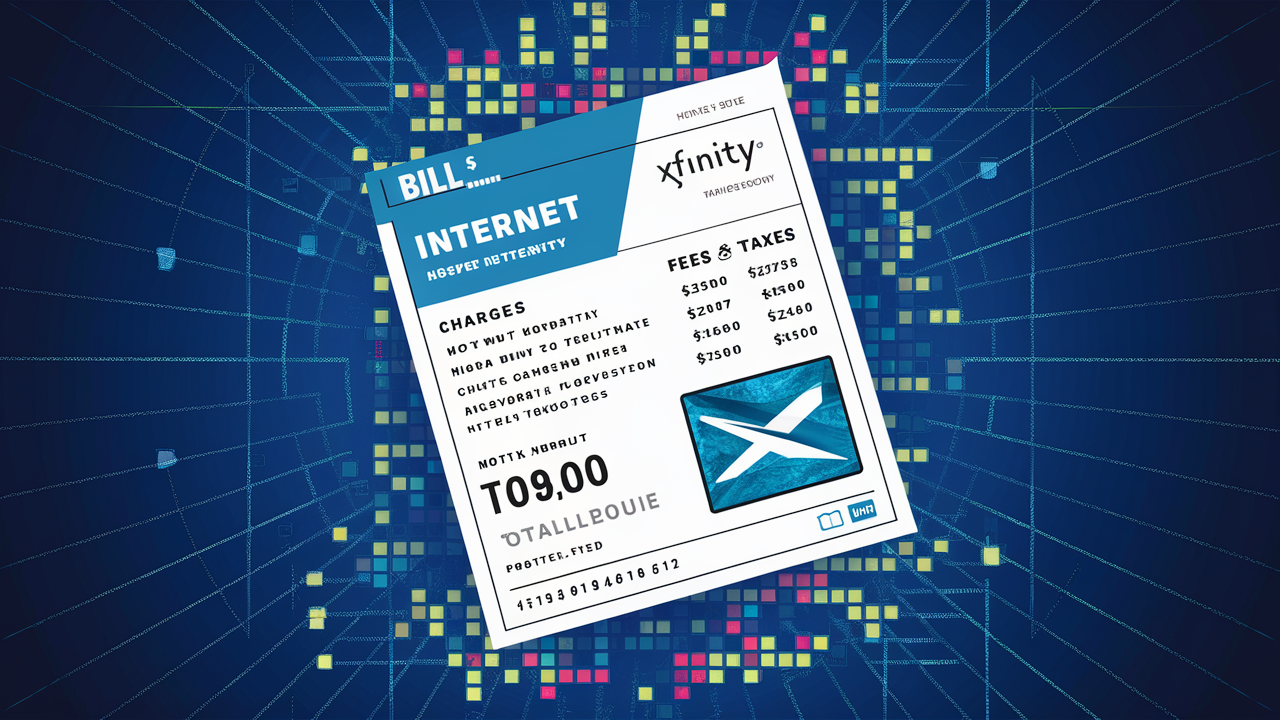
Unraveling the cost of Xfinity internet can feel like navigating a maze. This comprehensive guide breaks down exactly how much your Xfinity internet bill might be in 2025-2026, factoring in plans, fees, equipment, and potential savings, empowering you to understand and optimize your monthly expenses.
Understanding Xfinity Internet Plans and Pricing
Xfinity, a subsidiary of Comcast, offers a diverse range of internet plans designed to cater to various user needs and budgets. The base price of an Xfinity internet plan is just the starting point; understanding the different tiers and what they offer is crucial for estimating your monthly expenditure. In 2025-2026, Xfinity continues to categorize its plans primarily by download and upload speeds, with additional features like data caps (though increasingly less common for performance tiers) and included Wi-Fi hotspots playing a role.
Speed Tiers and Their Typical Costs
Xfinity typically offers plans ranging from basic connectivity suitable for light browsing and email to high-speed options designed for heavy streaming, online gaming, and multiple connected devices. Here's a general overview of speed tiers and their estimated pricing for 2025-2026, keeping in mind that these are base prices before taxes, fees, and equipment:
- Connect (formerly Performance Starter): Often starts around $35-$50 per month. This tier is suitable for 1-2 devices and basic internet activities like email, social media, and light web browsing. Speeds typically range from 50-100 Mbps download.
- Connect More (formerly Performance): Usually priced between $50-$65 per month. This is a popular mid-range option for households with a few users and moderate internet usage, supporting multiple devices for streaming in HD and online gaming. Speeds commonly fall between 100-300 Mbps download.
- Superfast (formerly Blast!): Typically ranges from $65-$80 per month. This plan is designed for households with higher bandwidth demands, offering smooth 4K streaming, faster downloads, and support for numerous connected devices. Speeds can be in the 300-800 Mbps download range.
- Ultrafast (formerly Extreme): Often priced between $80-$100 per month. For power users, this tier provides speeds that can handle demanding applications, extensive gaming, and simultaneous high-definition streaming on many devices. Speeds are generally from 800 Mbps to 1.2 Gbps download.
- Gigabit Internet: This premium tier, often exceeding $100 per month, offers speeds of 1 Gbps or more. It's ideal for the most demanding users, large households with many devices, or those who frequently transfer large files.
It's important to note that these prices can vary significantly based on your geographic location, current promotions, and whether you are a new or existing customer. Xfinity often advertises introductory pricing for new customers, which can be considerably lower for the first 12-24 months. After the promotional period ends, the price typically reverts to the standard rate, which can be substantially higher.
Understanding Data Caps
While Xfinity has been moving away from strict data caps on many of its plans, especially higher-tier ones, it's still a factor to be aware of. Many plans still come with a data threshold (e.g., 1.2 TB per month). Exceeding this limit can result in overage charges or a reduction in speeds. Xfinity offers options to purchase unlimited data, which adds to the monthly bill but provides peace of mind for heavy data users. As of 2025-2026, the trend is towards unlimited data being included in higher-speed tiers or being an optional add-on with a clear cost structure.
Key Factors Influencing Your Xfinity Internet Bill
Beyond the advertised monthly price of a plan, several other elements contribute to the final amount you pay for Xfinity internet. Understanding these components will give you a clearer picture of your total expenditure.
Plan Speed and Features
As detailed above, the speed tier you select is the primary driver of your base internet cost. Higher speeds and additional features like enhanced security suites or included access to public Wi-Fi hotspots will naturally increase the price. For instance, a plan offering 1 Gbps download speeds will cost more than a plan offering 300 Mbps.
Contract Length and Commitment
Xfinity often offers lower monthly rates in exchange for a 12-month or 24-month contract. If you opt for a no-contract plan, the monthly cost is usually higher. Early termination fees can apply if you break a contract before its term ends, so it's essential to factor this in when choosing a plan. For 2025-2026, contract-free options are becoming more prevalent, but they often come at a premium.
Bundling Services
Many customers choose to bundle their Xfinity internet with other services like TV (Xfinity TV) and phone (Xfinity Voice). While bundling can sometimes offer discounts compared to subscribing to each service individually, it also increases the overall monthly bill. The perceived savings from a bundle need to be weighed against the total cost and whether you truly need all the bundled services.
Equipment Rental
Xfinity requires customers to use their approved modem and router (or a gateway that combines both functions) for internet service. While you have the option to purchase your own compatible equipment, most customers rent it from Xfinity. The monthly rental fee for this equipment is a recurring charge that significantly impacts your total bill.
Promotional Offers and Introductory Pricing
Xfinity frequently runs promotional campaigns offering discounted rates for new customers or for specific periods (e.g., the first 12 or 24 months). These promotions can make the initial cost of service appear much lower. However, it's crucial to understand the standard rate that will apply after the promotional period concludes, as this is the long-term cost you'll be paying.
Taxes, Fees, and Surcharges
In addition to the base plan price and equipment rental, your bill will include various federal, state, and local taxes, as well as regulatory fees and surcharges imposed by Xfinity. These can add a significant percentage to your total monthly cost. Common examples include the FCC Regulatory Fee, Federal Universal Service Fund (FUSF) charge, and state/local franchise fees.
Service Location
Internet pricing can vary based on your geographic location. Factors like local competition, infrastructure costs, and regulatory environments can influence the rates Xfinity charges in different areas. What might be a standard price in one city could be different in another.
Detailed Breakdown of Influencing Factors
To illustrate how these factors combine, consider a hypothetical scenario:
- Base Plan: Connect More (300 Mbps) - Advertised at $55/month (promotional for 12 months).
- Contract: 12-month agreement.
- Equipment: Xfinity Gateway rental - $15/month.
- Unlimited Data Add-on: $30/month (if data cap is a concern).
- Taxes and Fees: Estimated at 10% of the base service cost + equipment.
Estimated Bill for the first 12 months:
($55 plan + $15 equipment + $30 unlimited data) = $100 base
$100 * 1.10 (10% taxes/fees) = $110 per month.
After 12 months, the plan might revert to a standard rate of $75, and the unlimited data add-on might also change. The total could then jump to:
($75 plan + $15 equipment + $30 unlimited data) = $120 base
$120 * 1.10 = $132 per month.
This example highlights the importance of understanding the post-promotional pricing and all associated costs.
Decoding Common Fees and Surcharges
The "other charges" section of your Xfinity bill can be a source of confusion. These fees are often mandated by government regulations or cover costs associated with providing the service. Understanding them can help you identify potential areas for inquiry or negotiation.
Government Mandated Fees
- Federal Universal Service Fund (FUSF) Charge: This fee supports programs that make telecommunications services affordable for low-income consumers, schools, libraries, and rural health care facilities. It's a percentage of your interstate and international telecommunications charges.
- FCC Regulatory Fee: This fee is collected by the FCC to recover the costs of its regulatory activities. It's typically a small, fixed amount.
- State and Local Sales Tax: Applicable sales taxes based on your state and local jurisdiction.
- Franchise Fees: These are fees paid to local governments for the right to use public rights-of-way to deliver cable and internet services. The amount can vary significantly by municipality.
Xfinity-Specific Fees and Surcharges
- Broadcast TV Fee: This fee helps offset the costs of retransmitting local broadcast television signals. It's often applied even if you don't subscribe to Xfinity TV, as it's tied to the internet service's ability to access certain content or infrastructure.
- Regional Sports Fee: If your package includes regional sports networks, this fee covers the costs associated with those channels.
- Equipment Rental Fee: As discussed, this is the monthly charge for leasing Xfinity's modem/router.
- Service Call Fee: If a technician needs to visit your home for installation or repairs, and the issue is deemed not to be a service fault (e.g., customer-caused damage, incorrect setup), you may be charged for the visit.
It's essential to review your bill carefully each month and compare it to previous bills. If you notice a significant increase or a new fee you don't understand, contact Xfinity customer service for clarification. Sometimes, fees can be misapplied or might be negotiable, especially if you are a long-standing customer.
Understanding Equipment Rental Costs
Xfinity's equipment rental policy is a significant factor in the overall cost of your internet bill. While renting offers convenience and ensures compatibility, it's a recurring expense that can add up over time.
Xfinity Gateway (Modem/Router Combo)
Most Xfinity customers rent a "gateway," which is a device that combines a modem (to connect to Xfinity's network) and a router (to create your home Wi-Fi network). As of 2025-2026, the monthly rental fee for these gateways typically ranges from $15 to $25, depending on the model and its capabilities (e.g., Wi-Fi 6 support, number of Ethernet ports).
Separate Modem and Router
In some cases, customers might rent a modem and a separate router. The combined cost for these two devices could be similar to or slightly higher than renting a gateway. The exact pricing depends on the specific equipment models.
The Option to Purchase Your Own Equipment
Xfinity allows customers to use their own compatible modems and routers. This can be a cost-saving measure in the long run. You'll need to ensure that any equipment you purchase is on Xfinity's approved device list. A one-time purchase of a high-quality modem and router can range from $100 to $300 or more, but this eliminates the monthly rental fee.
Calculating Long-Term Savings with Purchased Equipment
Let's say you pay $20 per month for equipment rental. Over two years (24 months), that's $480 in rental fees. If you can purchase a compatible modem and router for $200, you'll save $280 within those two years. After the initial purchase cost is recouped, the savings continue indefinitely. This makes purchasing your own equipment a financially sound decision for many users, provided they are comfortable with the setup and troubleshooting process.
Example:
Monthly rental fee: $20
Annual rental cost: $240
Cost of purchasing own equipment: $200
Break-even point: Approximately 10 months ($200 / $20 per month)
Savings after 2 years: $480 (rental) - $200 (purchase) = $280
Navigating Promotional Pricing and Discounts
Xfinity heavily relies on promotional offers to attract new customers and retain existing ones. These discounts can significantly reduce your monthly internet bill, but it's crucial to understand their terms and conditions.
New Customer Promotions
New subscribers are often eligible for the most attractive discounts. These typically involve a reduced monthly rate for a fixed period, usually 12 or 24 months. For example, a Gigabit plan might be advertised at $70/month for the first 12 months, with the price increasing to $95/month thereafter.
Existing Customer Offers
While less common or less aggressive than new customer deals, existing customers can sometimes negotiate discounts by contacting Xfinity, threatening to switch providers, or upgrading their service. Loyalty programs or special offers might also be available.
Bundled Discounts
As mentioned, bundling internet with TV and/or phone services can unlock discounts. Xfinity often offers "triple play" or "double play" packages that are cheaper than subscribing to each service individually. The savings are usually applied as a monthly discount on the combined package price.
Low-Income Programs
Xfinity participates in the Affordable Connectivity Program (ACP) and offers its own Internet Essentials program. These programs provide discounted internet service to eligible low-income households, including those receiving government assistance. For 2025-2026, these programs remain a vital resource for affordability.
- Internet Essentials: Offers 50 Mbps download speeds, a cable modem, Wi-Fi, and unlimited data for a low monthly price to qualifying families and individuals.
- Affordable Connectivity Program (ACP): A federal program that provides a discount of up to $30 per month (or up to $75 per month for households on Tribal lands) toward internet service. Xfinity often applies this discount to eligible plans, potentially making internet service free or very low cost.
It's essential to check your eligibility for these programs and understand how they apply to your Xfinity bill.
Military and Student Discounts
In some regions, Xfinity may offer specific discounts for military personnel or students. These are often tied to specific promotions and require verification of status.
The Importance of Understanding the "After Promo" Price
The most common pitfall with promotional pricing is not knowing the standard rate after the discount period ends. Always ask customer service or check your contract for the exact price you'll pay once the promotion expires. This allows you to budget accurately and avoid sticker shock.
The Impact of Bundling Xfinity Services
Bundling multiple Xfinity services (internet, TV, phone) is a popular strategy for many households. The primary appeal is the potential for cost savings and the convenience of a single bill. However, it's crucial to evaluate if a bundle truly meets your needs and offers genuine value.
Types of Bundles
- Double Play: Combines internet with either TV or phone service.
- Triple Play: Combines internet, TV, and phone service.
- Internet + Streaming Bundles: Xfinity is increasingly offering bundles that pair internet with specific streaming services or access to their own streaming platform.
Potential Savings
Xfinity often advertises significant savings for bundle packages. For example, a triple play package might be advertised at a lower monthly rate than the sum of individual internet, TV, and phone plans. These savings are typically most pronounced during the initial promotional period.
Example of a Bundle Calculation (Hypothetical 2025-26 Pricing)
Individual Services:
- Internet (Connect More, 300 Mbps): $75/month (standard rate)
- TV (Limited Basic Channels): $60/month
- Voice (Home Phone): $30/month
- Total Individual Cost: $165/month
Bundled Triple Play (Promotional for 12 months):
- Internet, TV, and Voice Bundle: $120/month
- Equipment Rental (Gateway): $15/month
- Taxes and Fees (estimated 10%): $13.50/month
- Total Bundled Cost: $148.50/month
In this hypothetical scenario, the bundle saves $16.50 per month during the promotional period. However, after 12 months, the bundle price might increase to $150, and individual services could also see price hikes.
Considerations Before Bundling
- Necessity of Services: Do you actually need all the services included in the bundle? If you primarily use streaming services for TV and a mobile phone for calls, paying for Xfinity TV and Voice might be unnecessary and costly.
- Contract Terms: Bundles often come with contracts. Understand the early termination fees if you decide to cancel one or more services within the contract period.
- Tier of Service: The savings often apply to specific tiers of internet, TV, and phone. If you need higher speeds or more TV channels, the bundled price might not be as attractive.
- Equipment Costs: Bundles may require specific equipment, and rental fees can still apply.
For many, bundling offers a straightforward way to manage multiple services and potentially save money, especially if they are heavy users of both internet and TV. However, a careful cost-benefit analysis is essential.
How to Calculate Your Estimated Xfinity Bill
Putting all the pieces together allows you to estimate your monthly Xfinity internet bill accurately. Here's a step-by-step guide for 2025-2026:
Step 1: Identify Your Plan and Base Price
Choose the Xfinity internet plan that best suits your needs (e.g., Connect, Connect More, Superfast, Ultrafast, Gigabit). Note the advertised monthly price. If you are a new customer, find out the promotional price and the standard price after the promotion ends.
Step 2: Determine Equipment Costs
Decide whether you will rent an Xfinity gateway or use your own compatible equipment. If renting, find the current monthly rental fee (typically $15-$25).
Step 3: Factor in Data Overages or Unlimited Data
Check if your plan has a data cap. If it does, and you anticipate exceeding it, consider the cost of unlimited data add-on (often $30-$50 per month) or the per-gigabyte overage charges.
Step 4: Add Any Additional Services or Features
Include costs for any add-ons like enhanced security, public Wi-Fi hotspot access (if not included), or bundled services (TV, phone).
Step 5: Account for Contract Terms
If you are on a contract, be aware of the monthly rate. If you are on a no-contract plan, the price might be higher.
Step 6: Estimate Taxes, Fees, and Surcharges
This is the trickiest part as it varies by location. A good rule of thumb is to add 10-20% to the sum of your plan, equipment, and any add-on costs. You can often find examples of these fees on Xfinity's website or by looking at sample bills.
Step 7: Sum Everything Up
Formula:
Estimated Monthly Bill = (Plan Base Price + Equipment Rental Fee + Unlimited Data Add-on + Other Service Costs) * (1 + Estimated Tax/Fee Percentage)
Example Calculation (New Customer, 12-Month Promotion):
- Plan: Superfast (500 Mbps)
- Promotional Price: $65/month (for 12 months)
- Equipment: Xfinity Gateway rental - $18/month
- Unlimited Data: Included in this tier (as of 2025-26 for Superfast+)
- Contract: 12-month agreement
- Estimated Taxes & Fees: 12%
Calculation:
($65 plan + $18 equipment) = $83 (subtotal before taxes/fees)
$83 * 1.12 (12% tax/fee rate) = $92.96
Estimated Monthly Bill for the first 12 months: Approximately $93.
After 12 months (hypothetical standard rates):
- Plan: Superfast (standard rate) - $85/month
- Equipment: $18/month
- Estimated Taxes & Fees: 12%
Calculation:
($85 plan + $18 equipment) = $103 (subtotal before taxes/fees)
$103 * 1.12 = $115.36
Estimated Monthly Bill after 12 months: Approximately $115.
This step-by-step process, combined with current pricing information from Xfinity's website or customer service, will provide the most accurate estimate of your internet bill.
Actionable Tips for Saving Money on Your Xfinity Bill
Reducing your Xfinity internet bill requires a proactive approach. Here are several strategies to help you save money in 2025-2026:
1. Negotiate Your Bill
Don't be afraid to call Xfinity customer service and ask for a better rate. Mention competitor pricing in your area, highlight your loyalty as a customer, or express your intention to switch providers. Often, retention specialists can offer discounts or promotions to keep you as a subscriber.
2. Purchase Your Own Equipment
As detailed earlier, investing in your own modem and router can save you significant money on monthly rental fees. Ensure the equipment is compatible with Xfinity's network.
3. Review Your Speed Needs
Are you paying for more speed than you actually use? If you primarily use the internet for email, social media, and occasional streaming, a lower-tier plan might suffice. Downgrading your plan can lead to substantial monthly savings.
4. Cut the Cord (or Reduce TV Services)
If you have a bundle with Xfinity TV, consider whether you can save money by switching to streaming services or opting for a lower-tier TV package. Many households find they can get all the entertainment they need through streaming apps, significantly reducing their cable bill.
5. Look for Bundling Opportunities (Wisely)
If you do need multiple services, explore bundle options. However, carefully compare the bundled price to the cost of individual services from Xfinity and other providers to ensure you're getting the best deal.
6. Take Advantage of Promotions and Discounts
Always inquire about current promotions for new or existing customers. If you qualify for programs like the Affordable Connectivity Program (ACP) or Internet Essentials, apply immediately. Check for military, student, or senior discounts.
7. Avoid Overage Charges
If your plan has a data cap, monitor your usage closely. If you frequently exceed it, consider upgrading to a plan with unlimited data or purchasing the unlimited data add-on, as overage charges can be expensive.
8. Understand Your Bill and Fees
Regularly review your bill for any unexplained charges or increases. Contact Xfinity to question any fees you don't understand or believe are incorrect.
9. Consider a No-Contract Plan (with caution)
While no-contract plans often have a higher monthly rate, they offer flexibility. If you anticipate moving or finding a better deal soon, a no-contract plan can help you avoid early termination fees.
10. Consolidate Bills
If you have multiple services from Xfinity (e.g., internet and mobile), see if consolidating them onto a single bill offers any additional discounts.
What to Expect for Xfinity Internet Bills in 2025-2026
The landscape of internet pricing is dynamic, with providers like Xfinity constantly adjusting their offerings and pricing strategies. For 2025-2026, several trends are likely to influence Xfinity internet bills:
Continued Focus on Higher Speeds
As demand for bandwidth grows with more connected devices, higher-speed tiers (Gigabit and above) will become more common and potentially more affordable. Xfinity will continue to invest in its network infrastructure to deliver these speeds.
Evolving Data Policies
While data caps are still present on some plans, the trend is towards unlimited data being standard on mid-to-high tier plans or offered as a more accessible add-on. Expect Xfinity to continue this evolution, potentially phasing out strict data caps for most users.
Increased Competition and Promotional Offers
With the rise of 5G home internet and continued competition from other cable and fiber providers, Xfinity will likely maintain aggressive promotional offers to attract and retain customers. This means new customers can expect good introductory deals, but understanding the post-promo pricing remains critical.
Bundling and Streaming Integration
Xfinity will likely continue to integrate streaming services and platforms into its bundles. Expect more offers that combine internet with popular streaming apps or Xfinity's own streaming solutions, aiming to be a central hub for home entertainment.
Potential for Price Increases
Despite competitive pressures, providers often implement modest annual price increases to cover infrastructure upgrades and operational costs. It's realistic to expect that base plan prices and equipment rental fees may see small increments over time, even outside of promotional periods.
Emphasis on Value-Added Services
Xfinity may increasingly bundle or offer add-ons related to cybersecurity, smart home integration, or enhanced Wi-Fi management. These services can add to the overall cost but are marketed as increasing the value proposition of their internet packages.
Affordability Programs Remain Crucial
Programs like ACP and Internet Essentials will continue to be vital for ensuring internet access for low-income households. Xfinity's participation in these programs will be a key factor in affordability for many.
To best manage your Xfinity internet bill in 2025-2026, stay informed about their latest plans and promotions, be prepared to negotiate, and regularly assess your actual internet usage to ensure you're on the most cost-effective plan.
In conclusion, understanding your Xfinity internet bill is a multi-faceted process. By dissecting plan costs, equipment fees, promotional nuances, and various surcharges, you can gain clarity on your monthly expenses. For 2025-2026, expect a landscape of competitive pricing, evolving data policies, and continued bundling strategies. Proactive management, including negotiation, equipment ownership, and careful plan selection, is key to optimizing your internet costs and ensuring you receive the best value for your money.