How is fiber internet installed in a neighborhood?
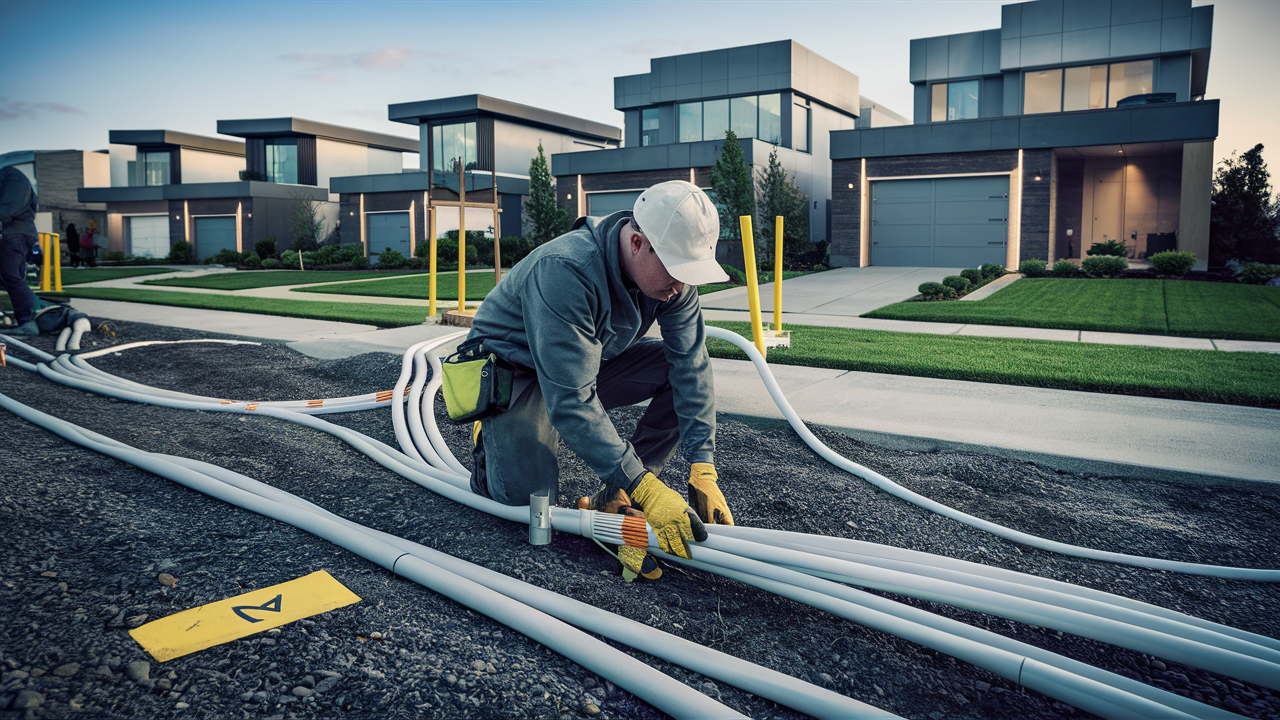
Discover the intricate process of fiber internet installation in your neighborhood. This comprehensive guide demystifies the journey from initial planning to your doorstep, explaining the technology, the steps involved, and what to expect during this essential upgrade for high-speed connectivity.
Understanding Fiber Optic Technology
Fiber optic internet represents a significant leap forward in data transmission. Unlike traditional copper wires that carry electrical signals, fiber optics use thin strands of glass or plastic to transmit data as pulses of light. This fundamental difference is the key to its superior speed, bandwidth, and reliability. The light signals travel at near the speed of light, allowing for incredibly fast download and upload speeds, often reaching gigabits per second. This makes it ideal for bandwidth-intensive activities such as streaming high-definition video, online gaming, video conferencing, and supporting multiple connected devices simultaneously. The installation process, while complex, is designed to bring this advanced technology directly to your neighborhood, transforming your digital experience.
The Science Behind the Speed
At its core, fiber optic communication relies on the principle of total internal reflection. Light is sent down the fiber cable, and as it bounces off the inner walls, it's guided along the length of the cable with minimal loss of signal strength. This is a stark contrast to electrical signals in copper, which degrade over distance and are susceptible to electromagnetic interference. The light pulses are generated by lasers or LEDs and are encoded with data. At the receiving end, a photodiode converts these light pulses back into electrical signals that your devices can understand. This light-based transmission is what enables the unprecedented speeds and low latency associated with fiber internet.
Key Components of a Fiber Network
A fiber optic network is a sophisticated system comprised of several critical components:
- Fiber Optic Cables: These are the backbone, consisting of numerous thin strands of glass or plastic, each capable of carrying vast amounts of data.
- Optical Line Terminal (OLT): Located at the service provider's central office, the OLT acts as the main distribution point, connecting the fiber network to the wider internet.
- Optical Network Terminal (ONT): Installed at the customer's premises (your home or business), the ONT converts the optical signals back into electrical signals that your router and devices can use.
- Splitters: These devices divide the light signal from a single fiber strand into multiple strands, allowing one fiber line from the OLT to serve many homes.
- Connectors and Splices: These are used to join fiber optic cables together or to connect them to equipment, ensuring a clean and efficient transmission of light.
Understanding these components helps to appreciate the engineering involved in bringing fiber internet to your neighborhood.
Phase 1: Planning and Neighborhood Assessment
Before any digging or cable pulling begins, extensive planning and assessment take place. This phase is crucial for determining the most efficient and cost-effective way to deploy the fiber network throughout a specific neighborhood. Internet service providers (ISPs) meticulously analyze the area, considering factors like existing infrastructure, terrain, population density, and future growth potential. This strategic approach ensures that the network is built to serve the maximum number of potential customers while minimizing disruption and environmental impact.
Geographic and Demographic Analysis
The initial step involves a thorough review of the neighborhood's geography. This includes mapping out streets, identifying potential obstacles like rivers or dense forests, and understanding the soil conditions. Demographics also play a significant role; areas with higher population density or a greater concentration of businesses are often prioritized due to the potential for a higher return on investment. ISPs will also look at the age of the existing infrastructure, as older neighborhoods might have more underground utilities that need to be carefully navigated.
Network Design and Route Planning
Once the assessment is complete, engineers begin designing the network layout. This involves determining the optimal path for the main fiber optic cables (often called the "backbone" or "feeder" lines) that will run through the neighborhood. They decide whether these cables will be buried underground or strung overhead on existing utility poles. The design also includes the placement of distribution points and the routes for the smaller "drop" cables that will eventually connect individual homes. This stage is highly technical, involving complex software and detailed mapping to create an efficient and scalable network architecture.
Coordination with Utility Companies
A vital part of the planning phase is coordinating with existing utility companies, such as those managing electricity, water, and gas. Fiber optic cables, whether underground or aerial, often need to share existing rights-of-way or be routed around other buried services. This coordination is essential to avoid damaging existing infrastructure and to ensure compliance with regulations. Discussions might involve sharing pole space for aerial deployments or agreeing on safe digging depths for underground installations. This collaboration is a cornerstone of successful neighborhood-wide infrastructure projects.
Phase 2: Securing Permits and Approvals
Deploying new infrastructure, especially underground, requires navigating a complex web of regulations and obtaining various permits. This phase can often be time-consuming, as it involves interactions with local, state, and sometimes federal authorities. The goal is to ensure that the installation adheres to all safety standards, environmental regulations, and zoning laws, protecting both the public and the integrity of the new network.
Local Government and Municipal Approvals
The primary hurdle is obtaining permits from the local municipality or city government. This typically involves submitting detailed plans for the proposed network, including maps of the cable routes, construction methods, and restoration plans. City planners and public works departments review these plans to ensure they align with local ordinances and do not unduly obstruct public access or create safety hazards. Approval might also require public hearings or consultations with community stakeholders. For example, the city of Austin, Texas, has specific requirements for fiber deployment to ensure minimal disruption to traffic and pedestrian flow.
Utility Pole Attachments and Easements
If the plan involves aerial deployment, ISPs must secure rights to attach their cables to existing utility poles owned by electric or telecommunications companies. This process involves negotiating pole attachment agreements, which outline the terms, conditions, and costs associated with using the poles. For underground installations, easements might be required. An easement is a legal right granted to the ISP to bury cables on private property or within public rights-of-way. Obtaining these easements can involve working with individual property owners or securing broader agreements with the municipality.
Environmental Reviews and Compliance
Depending on the location and the scope of the project, environmental reviews may be necessary. This is particularly true in areas with sensitive ecosystems, historical significance, or protected natural resources. ISPs must demonstrate that their installation methods will minimize environmental impact, such as preventing soil erosion or protecting endangered species. Compliance with environmental regulations ensures that the project is sustainable and responsible, a growing concern for both providers and consumers in 2025-26.
Phase 3: Infrastructure Deployment
With permits in hand, the physical work of building the fiber network begins. This phase involves the actual installation of the main fiber optic cables that will form the backbone of the neighborhood's new internet infrastructure. The methods used—whether aerial or underground—have distinct characteristics and challenges.
Aerial Installation
Aerial installation involves stringing fiber optic cables between existing utility poles. This method is often faster and less disruptive to existing landscapes compared to underground deployment. Specialized crews use bucket trucks and specialized equipment to attach the cables to the poles, often alongside power and telephone lines. The cables are secured using weather-resistant hardware. While visually less intrusive in some ways, aerial cables can be more susceptible to damage from storms, falling trees, or vandalism. However, for many suburban and rural areas, it remains a cost-effective and efficient deployment strategy.
Underground Installation (Trenching and Boring)
Underground installation is generally considered more aesthetically pleasing and offers greater protection from weather and physical damage. However, it is also more complex and disruptive. Two primary methods are used:
- Trenching: This involves digging a narrow trench along the planned cable route, laying the conduit (a protective tube), and then pulling the fiber optic cable through it. The trench is then refilled and the surface restored. This method is common for new developments or areas where digging is relatively straightforward.
- Boring (or Directional Drilling): This technique uses specialized machinery to drill horizontally underground, creating a tunnel without the need to dig a continuous trench. This is particularly useful for crossing roads, driveways, rivers, or other obstacles, minimizing surface disruption. A conduit is then pulled through the bored hole, and the fiber is installed.
For example, in densely populated urban areas in 2025, directional drilling is increasingly favored to minimize traffic disruption and impact on existing underground utilities.
Building the Network Backbone
The deployment process focuses on establishing the main "feeder" cables that run throughout the neighborhood. These are the high-capacity lines that carry the internet signal from the ISP's local hub. They are typically laid along main roads or utility easements. From these feeder lines, smaller "distribution" cables will eventually branch off to serve individual streets and blocks. The careful placement and connection of these cables are critical for the overall performance and reach of the network. The current trend in 2025-26 is towards denser fiber deployment, ensuring that most homes within a served area have access.
Phase 4: Connecting Individual Homes
Once the main network infrastructure is in place, the next crucial step is connecting each individual home to the fiber network. This is often referred to as the "last mile" connection, and it's the part of the process that directly impacts the homeowner. It involves running a fiber optic cable from the neighborhood's distribution point directly to the customer's residence.
The Drop Cable Installation
A specialized technician will visit your home to install the "drop cable." This cable, typically smaller than the main feeder cables, will run from a nearby fiber terminal (either on a utility pole or in an underground box) to your house. The method used depends on whether your home is serviced by aerial or underground cables. For aerial drops, the cable is usually secured to the side of your house. For underground drops, a small trench may be dug from the street or yard box to your home's foundation, or a small bore might be used.
Installing the Optical Network Terminal (ONT)
At your home, the technician will install an Optical Network Terminal (ONT). This device is the gateway between the fiber optic network and your home's internal network. It's responsible for converting the light signals from the fiber cable into electrical signals that your router and devices can understand. The ONT is typically mounted on an exterior wall or inside your home, often near where your internet service enters the building. The location is usually chosen in consultation with the homeowner to ensure convenience and accessibility.
Connecting Your Router
Once the ONT is installed and powered on, it will be connected to your home's router, usually via an Ethernet cable. This connection allows your router to distribute the internet signal throughout your home to all your connected devices. The technician will ensure that the ONT is functioning correctly and that a stable connection is established. They may also help with initial router setup or provide guidance on optimizing your home Wi-Fi network for the new fiber service.
Coordination with Homeowners
Throughout this phase, clear communication with homeowners is essential. Technicians will typically schedule appointments in advance, explain the installation process, and discuss the best placement for the ONT and any necessary external wiring. Homeowners may need to grant access to their property and provide input on preferred locations for equipment. This collaborative approach ensures a smooth and satisfactory installation experience for everyone involved. In 2025, many providers offer virtual consultations to assist homeowners in preparing for the installation.
Phase 5: Testing and Activation
After the physical installation is complete, the network and individual connections undergo rigorous testing to ensure optimal performance and reliability. This final phase guarantees that the fiber internet service is ready to be activated and delivered to your home at its full potential.
Network Performance Testing
Before individual homes are activated, the newly laid fiber infrastructure undergoes comprehensive testing. This includes checking the integrity of the fiber optic cables, ensuring there are no breaks or signal degradation, and verifying the performance of the OLT and other network equipment. Technicians use specialized testing equipment, such as Optical Time Domain Reflectometers (OTDRs), to precisely locate and identify any potential issues along the fiber lines. This proactive testing is critical for long-term network stability.
Speed and Latency Verification
Once a home is connected and the ONT is installed, the connection is tested for speed and latency. Technicians will run speed tests to confirm that the download and upload speeds meet the advertised rates for the service plan. Latency, or ping, is also measured to ensure it is low, which is crucial for real-time applications like online gaming and video conferencing. These tests confirm that the light signals are being transmitted efficiently and without interference.
Service Activation
After successful testing, the customer's service is activated. This usually involves provisioning the connection in the ISP's system, allowing data to flow to and from the home. For many users, this activation happens remotely, and they can begin using their new fiber internet service immediately. In some cases, a technician might need to be present to finalize the activation and assist with any final setup requirements.
Post-Installation Support
Even after activation, ISPs typically offer post-installation support. This can include troubleshooting any initial connectivity issues, answering questions about the service, or providing advice on optimizing home network performance. Many providers in 2025-26 are enhancing their customer support with AI-powered diagnostics and 24/7 online resources to ensure a seamless transition to fiber internet.
Fiber vs. Other Internet Technologies
To truly appreciate the significance of fiber optic installation, it's helpful to compare it with other common internet technologies. Each has its own strengths and weaknesses, but fiber consistently emerges as the superior option for speed, reliability, and future-proofing.
Fiber vs. DSL
Digital Subscriber Line (DSL) internet uses existing copper telephone lines to transmit data. While it was an improvement over dial-up, DSL is limited by the distance from the telephone company's central office and the quality of the copper wires. Speeds are generally much lower than fiber, often in the tens of megabits per second, and are highly susceptible to interference. Fiber, on the other hand, uses light, offering speeds that are orders of magnitude faster and are not affected by distance or interference.
Fiber vs. Cable Internet
Cable internet uses the same coaxial cables that deliver cable television. It offers significantly better speeds than DSL, often reaching hundreds of megabits per second. However, cable internet is a shared medium; all users on a particular node in a neighborhood share the same bandwidth. This can lead to slower speeds during peak usage times. Fiber optic internet, however, provides dedicated bandwidth to each user, ensuring consistent high speeds regardless of how many neighbors are online. Furthermore, fiber's capacity is virtually limitless compared to cable.
Fiber vs. Fixed Wireless
Fixed wireless internet uses radio waves to transmit data between a tower and a receiver at your home. It can be a viable option in areas where laying fiber is impractical or too expensive. However, fixed wireless speeds can vary greatly depending on signal strength, weather conditions, and line-of-sight obstructions. Fiber offers a more stable and predictable performance, unaffected by these external factors. The symmetrical upload and download speeds of fiber are also a significant advantage over most fixed wireless offerings.
Comparison Table: Internet Technologies (2025-26)
| Feature | Fiber Optic | Cable Internet | DSL | Fixed Wireless |
|---|---|---|---|---|
| Typical Download Speeds | 1 Gbps - 10 Gbps+ | 100 Mbps - 1 Gbps | 10 Mbps - 100 Mbps | 25 Mbps - 300 Mbps |
| Typical Upload Speeds | 1 Gbps - 10 Gbps+ (Symmetrical) | 10 Mbps - 50 Mbps | 1 Mbps - 10 Mbps | 5 Mbps - 50 Mbps |
| Latency | Very Low | Low to Moderate | Moderate to High | Moderate to High |
| Reliability | Very High (less prone to interference) | Moderate (shared bandwidth) | Moderate (distance dependent) | Moderate (weather dependent) |
| Future-Proofing | Excellent | Good | Limited | Good |
As the table illustrates, fiber optic internet stands out for its superior performance across nearly all metrics, making the investment in neighborhood-wide installation a significant upgrade for residents.
What to Expect: Timeline and Potential Disruptions
Understanding the installation process also means being aware of the potential timeline and any disruptions that might occur. While ISPs strive to minimize inconvenience, large-scale infrastructure projects inherently involve some level of impact on daily life.
Typical Project Timeline
The timeline for fiber installation in a neighborhood can vary significantly based on factors like the size of the area, the chosen deployment method (aerial vs. underground), the complexity of the terrain, and the speed of permitting processes. Generally, the entire process from initial planning to activation for all homes can take anywhere from several months to over a year. The initial deployment of the backbone infrastructure might take a few months, followed by the connection of individual homes, which can be phased over time.
Potential Disruptions During Installation
Homeowners can expect some temporary disruptions during the installation phases:
- Noise: Trenching and boring equipment can be noisy.
- Traffic: Construction crews and equipment may cause temporary traffic delays or detours on local streets.
- Access: Driveways or sidewalks might be temporarily blocked during trenching or boring operations.
- Yard Disruption: For underground installations, there will be digging in yards, though crews typically aim to restore the area afterward.
- Power Outages: In rare cases, if fiber is being installed alongside power lines, there might be brief, scheduled power interruptions.
ISPs typically provide advance notice for appointments and significant construction activities. For instance, providers like CTVforme often communicate project phases and expected impacts through mailers, email updates, or community meetings.
What Homeowners Can Do
To prepare for the installation and minimize personal disruption:
- Clear the Area: Keep yards and access points clear of obstructions where technicians may need to work.
- Be Available: Ensure someone is home during scheduled appointments for the drop cable installation.
- Communicate: Discuss any specific concerns or preferences with the installation technician.
- Stay Informed: Pay attention to any notices provided by the ISP regarding construction schedules or potential disruptions.
By understanding and preparing for these potential issues, residents can navigate the installation process more smoothly and look forward to the benefits of high-speed fiber internet.
The Long-Term Benefits of Fiber Internet
The effort and temporary disruption involved in neighborhood fiber installation are ultimately rewarded with significant long-term benefits that enhance digital life and can even increase property values. Fiber optics are not just about faster speeds today; they are about future-proofing your connectivity.
Unmatched Speed and Bandwidth
As discussed, the primary benefit is the dramatic increase in internet speed and bandwidth. This allows for seamless streaming of 4K and 8K content, lag-free online gaming, instant downloads, and the ability to support a growing number of connected devices in a smart home. With the increasing demand for data-intensive applications, fiber ensures your home is equipped for the future.
Enhanced Reliability and Stability
Fiber optic cables are more durable and less susceptible to electromagnetic interference than copper. This means a more stable and reliable internet connection, with fewer outages or slowdowns caused by external factors like weather or nearby electrical equipment. This reliability is crucial for remote work, online education, and critical communication.
Symmetrical Upload and Download Speeds
A key advantage of fiber is its ability to provide symmetrical upload and download speeds. This means your upload speed is as fast as your download speed. This is increasingly important for activities like video conferencing, uploading large files, live streaming, and cloud backups, which are becoming integral parts of both personal and professional life in 2025-26.
Future-Proofing Your Home
The demand for internet speed and bandwidth is only going to increase. Fiber optic technology has a virtually limitless capacity, meaning it can easily accommodate future technological advancements and higher data demands without needing a complete overhaul. Investing in fiber now means your home will be well-equipped for the next decade and beyond.
Increased Property Value
In today's increasingly digital world, access to high-speed internet is becoming a key amenity. Homes with fiber optic connectivity are often more attractive to buyers and can command higher property values. This makes fiber installation not just a personal upgrade but also a sound investment in your home.
Support for Smart Home Technology
The proliferation of smart home devices, from security cameras and smart thermostats to voice assistants and entertainment systems, requires robust and reliable internet connectivity. Fiber's high bandwidth and low latency are essential for these devices to function seamlessly and efficiently, creating a truly connected and convenient living environment.
Choosing the Right Fiber Provider
Once fiber internet becomes available in your neighborhood, selecting the right provider is a crucial step. While the technology is the same, different providers offer varying service plans, pricing, and customer support. Making an informed choice ensures you get the best value and experience.
Comparing Service Plans and Pricing
Look closely at the advertised speeds (both download and upload), data caps (though most fiber plans are unlimited), contract terms, and monthly pricing. Be aware of any introductory offers that may increase after a promotional period. Consider your household's internet usage habits to determine the most suitable speed tier. For example, a family with multiple streamers and gamers will need a higher speed than a single user who primarily browses the web.
Contract Length and Installation Fees
Understand the contract length required by the provider. Some offer month-to-month options, while others require a 12-month or longer commitment. Also, inquire about installation fees. Some providers waive these fees as part of a promotion, while others charge a one-time cost. The overall cost of ownership over the contract period is important to consider.
Customer Service and Reliability Reputation
Research the provider's reputation for customer service and network reliability. Online reviews, consumer reports, and local community forums can offer valuable insights into the experiences of other customers. A provider with a strong track record of responsive customer support and consistent service can make a significant difference, especially if issues arise.
Bundling Options
Some providers may offer bundles that include internet, TV, and phone services. Evaluate whether bundling provides a cost saving or if it's more beneficial to subscribe to these services separately. Ensure that the internet component of any bundle meets your needs.
Local Providers and Community Initiatives
Don't overlook smaller, local providers or community-led initiatives that may be bringing fiber to your area. These entities sometimes offer more personalized service and competitive pricing, especially if they are focused on serving a specific region. For instance, learning about how fiber is installed in your neighborhood can also shed light on which providers are actively investing in your community.
By carefully evaluating these factors, you can choose a fiber internet provider that best suits your needs and budget, ensuring you fully benefit from the advanced technology being brought to your doorstep.
In conclusion, the installation of fiber internet in a neighborhood is a multi-phased, technically intricate process designed to bring unparalleled connectivity. From meticulous planning and securing necessary approvals to the physical deployment of cables and the final activation in homes, each step is critical. Understanding this journey empowers residents to anticipate timelines, manage potential disruptions, and fully appreciate the long-term benefits of this transformative technology, including superior speeds, reliability, and future-proofing for the digital age of 2025-26 and beyond.