How do you connect to AT&T internet?
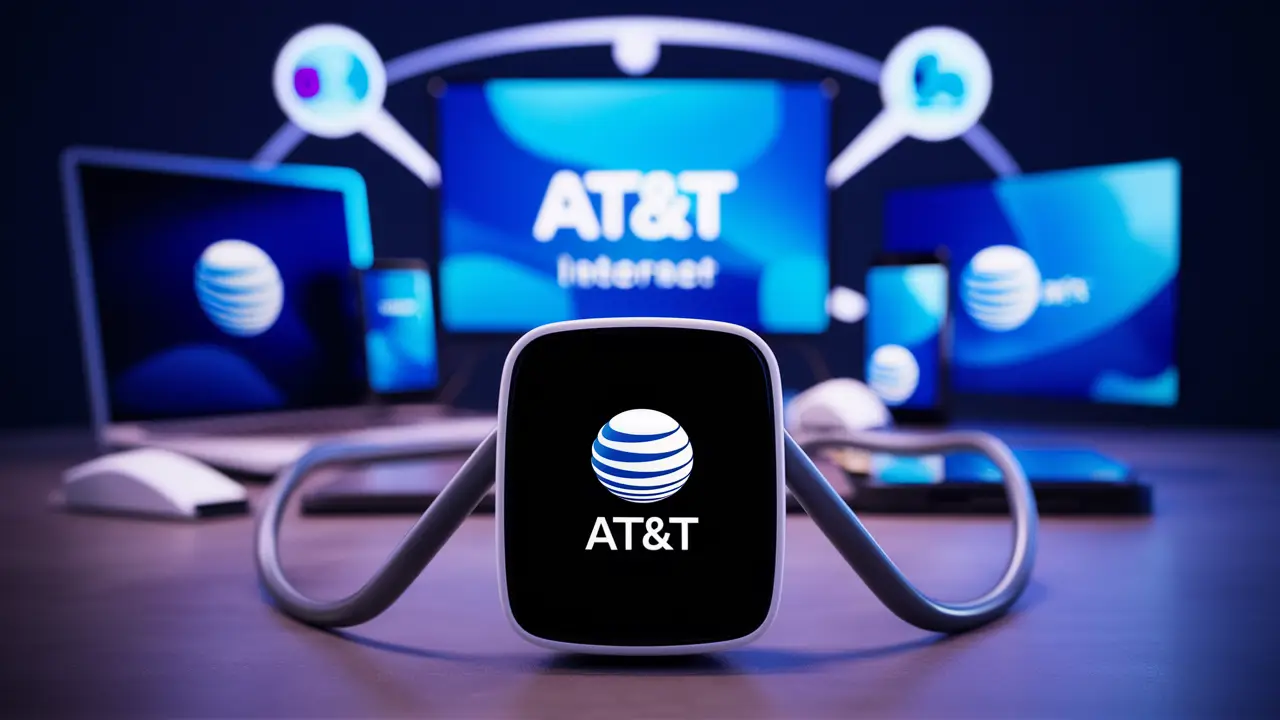
Connecting to AT&T Internet is a straightforward process, whether you're setting up a new service or troubleshooting an existing connection. This guide provides a comprehensive, step-by-step approach to ensure you get online quickly and efficiently, covering common issues and best practices for optimal performance in 2025-26.
Getting Started with Your AT&T Internet Connection
Embarking on the journey to connect to AT&T Internet involves a few key steps, designed to be as seamless as possible for new and existing customers alike. Whether you've just moved into a new home or are upgrading your service, understanding the initial setup is crucial. In 2025, AT&T continues to refine its installation and activation processes, aiming for a user-friendly experience. This section will guide you through the prerequisites and the very first actions you need to take to establish your AT&T internet connection.
Pre-Installation Checks
Before the installation day or before you even unbox your equipment, there are a few checks to ensure a smooth setup. Firstly, confirm that AT&T service is available at your address. You can do this directly on the AT&T website by entering your zip code and street address. This step is vital, as service availability varies by location and technology (DSL, Fiber, Fixed Wireless).
Secondly, identify the type of internet service you've ordered. AT&T offers a range of services, with Fiber being their premier offering, providing the fastest and most reliable speeds. Understanding whether you're getting Fiber, or a different technology, will help you anticipate the equipment and installation process. For Fiber installations, professional installation is typically required to ensure the fiber optic cable is properly run to your home and connected to the network. For DSL or fixed wireless, self-installation might be an option.
Ensure you have a clear pathway for any necessary wiring if a professional installation is scheduled. The technician will need access to the exterior of your home where the service enters and the location where you want your modem/router to be placed. For self-installation, identify a central location in your home that is close to a power outlet and ideally near where your main phone line (for DSL) or cable outlet enters the house.
Scheduling Your Installation
Once your service is confirmed and ordered, you'll typically be given an installation appointment window. For professional installations, this is a critical step. Make sure someone over 18 is present during the entire appointment window. If you need to reschedule, contact AT&T customer service as soon as possible to avoid any missed appointment fees. For self-installations, AT&T will ship the equipment to you, and you'll receive instructions on when to expect it and how to activate it online.
What to Expect on Installation Day (Professional Install)
On the day of your professional installation, the AT&T technician will arrive within the scheduled window. They will assess the best location for your modem/router, run any necessary cables, and connect your home to the AT&T network. They will then set up your equipment, test the connection, and ensure you have a working internet signal. This is also a good time to ask the technician any questions you might have about your new service or equipment. They can often provide initial tips on optimizing your Wi-Fi signal.
Self-Installation Process
If you've opted for a self-installation, your AT&T modem/router will arrive via mail. Inside the box, you'll find the equipment, power cords, and an Ethernet cable. Crucially, there will be a setup guide or a quick-start leaflet. Follow these instructions meticulously. The process usually involves connecting the modem to the wall outlet (phone jack for DSL, coaxial for cable, or a specific fiber terminal), plugging in the power, and then activating the service through a provided link or by visiting a specific AT&T activation website. The activation process will guide you through setting up your Wi-Fi network name (SSID) and password.
Understanding Your AT&T Internet Equipment
AT&T provides specific equipment to facilitate your internet connection. Understanding the roles and types of this equipment is fundamental to a successful setup and troubleshooting. In 2025, AT&T primarily uses gateways, which are devices that combine modem and router functionalities, especially for their Fiber and advanced U-verse services. For older DSL lines, you might receive a separate modem and potentially a separate router, though integrated gateways are becoming standard.
The AT&T Gateway (Modem/Router Combo)
The AT&T Gateway is the heart of your home network. It serves two primary functions:
- Modem: This component translates the digital signals from AT&T's network into a format your devices can understand and vice-versa. It's the bridge between your home and the internet service provider.
- Router: This component creates your local Wi-Fi network, allowing multiple devices (laptops, smartphones, smart TVs, etc.) to connect wirelessly to the internet simultaneously. It also manages traffic between your devices and the internet.
AT&T offers various Gateway models, with newer ones designed for higher speeds and advanced features like Wi-Fi 6 or Wi-Fi 6E. The specific model you receive will depend on the type of internet service you have (Fiber, U-verse, DSL) and the speed tier you've subscribed to. For instance, AT&T Fiber customers often receive the AT&T BGW320 or a similar advanced gateway capable of delivering multi-gigabit speeds.
Identifying Your Gateway Model
You can usually identify your Gateway model by looking at a label on the device itself. This label typically contains the model number (e.g., BGW320-500, NVG599, Pace 5268AC), serial number, and sometimes default Wi-Fi network names (SSIDs) and passwords. Knowing your model number is helpful for troubleshooting and finding specific support resources on the AT&T website.
Understanding Ports and Indicators
Your AT&T Gateway will have several ports and indicator lights on the front or back:
- Power Port: Connects the power adapter.
- DSL/WAN Port: Connects to the incoming AT&T service line (phone jack for DSL, coaxial for cable, or a fiber optic terminal).
- Ethernet Ports (LAN): These ports allow you to connect devices directly to the Gateway using an Ethernet cable for a more stable, wired connection.
- USB Port: Some models may have a USB port, though its functionality can vary and is often not used for standard internet connectivity.
- Indicator Lights: These lights provide status information about the Gateway's power, internet connection, Wi-Fi activity, and Ethernet connections. Common lights include Power, Broadband/DSL/Fiber, Internet, and Wi-Fi. A solid green or blue light typically indicates a healthy connection, while blinking or red lights often signal an issue.
Optional Equipment
In some cases, especially in larger homes or areas with Wi-Fi dead spots, AT&T might offer or recommend additional equipment to extend your Wi-Fi coverage. This could include Wi-Fi extenders or mesh Wi-Fi systems. These devices work in conjunction with your Gateway to provide a more robust and widespread wireless signal. If you're experiencing coverage issues, it's worth inquiring about these solutions.
Setting Up Your AT&T Modem/Router
The setup process for your AT&T modem/router, often referred to as a Gateway, is designed to be user-friendly, especially for self-installations. Whether you're connecting for the first time or replacing old equipment, following these steps will ensure a smooth transition to an active internet connection.
Step-by-Step Self-Installation Guide
If you received your equipment via mail, follow these steps:
- Unpack the Equipment: Carefully unpack your AT&T Gateway, power adapter, and any included Ethernet cables.
- Choose a Location: Place the Gateway in a central, open location in your home. Avoid placing it in enclosed cabinets, near large metal objects, or close to other electronic devices that could cause interference. Proximity to a power outlet is essential.
- Connect to the Wall Outlet:
- For Fiber: Connect the fiber optic cable from the wall's Optical Network Terminal (ONT) or the provided optical network unit to the corresponding port on the Gateway. The ONT is usually a small box installed by the technician.
- For DSL: Connect one end of the phone cord (usually provided, or use an existing one) to the DSL/WAN port on the Gateway and the other end to the active phone jack in your wall. If you have multiple phone jacks, use the one designated for internet service.
- For U-verse (Coaxial): Connect a coaxial cable from the wall outlet to the coaxial port on the Gateway.
- Connect Power: Plug the power adapter into the Gateway's power port and then into a working electrical outlet.
- Power On and Wait: The Gateway will power on. Allow several minutes for it to boot up and establish a connection. The indicator lights on the front of the device will change as it goes through its startup sequence. Look for lights indicating power, broadband connection, and internet connectivity to become solid.
- Activation:
- Via Wi-Fi: Once the Gateway is online, it will broadcast a Wi-Fi signal. The default network name (SSID) and password are often printed on a label on the Gateway itself. Connect to this network using a laptop or smartphone.
- Activation Website: Open a web browser on your connected device and navigate to the AT&T activation website. This is usually provided in your setup instructions or can be found by searching "AT&T Internet activation." Follow the on-screen prompts to register your service and complete the activation. You will likely be asked to enter account information.
- Set Up Your Wi-Fi Network: During the activation process, you'll be prompted to create your own unique Wi-Fi network name (SSID) and a strong password. Choose a password that is easy for you to remember but difficult for others to guess.
Professional Installation Steps (Overview)
If you have a professional installation, the AT&T technician will handle most of the physical connections. Their process typically includes:
- Running necessary cables from the outside demarcation point to the desired location for the Gateway.
- Connecting the Gateway to the AT&T network.
- Powering on the Gateway and ensuring it establishes a stable internet connection.
- Assisting you with the initial Wi-Fi setup, including naming your network and setting a password.
- Testing the connection and demonstrating that your internet is working.
Your role during a professional installation is to be present, confirm the placement of the Gateway, and ask any questions you may have.
Verifying the Connection
After completing the setup and activation, verify your internet connection by trying to browse a few websites on a connected device. If you're using Wi-Fi, ensure you've connected to the network name you created and entered the correct password. For wired connections, ensure the Ethernet cable is securely plugged into both the Gateway and your device.
Connecting Your Devices to AT&T Wi-Fi
Once your AT&T internet is active and your Gateway is broadcasting a Wi-Fi signal, the next crucial step is connecting your various devices to this network. This process is generally consistent across most modern devices, whether they are smartphones, tablets, laptops, smart TVs, gaming consoles, or smart home devices.
Connecting via Wi-Fi (Wireless)
This is the most common method. Each device has a slightly different interface, but the core steps are the same:
- Enable Wi-Fi: On your device, go to the settings menu and find the Wi-Fi or Network settings. Ensure Wi-Fi is turned on.
- Scan for Networks: Your device will scan for available Wi-Fi networks. A list of network names (SSIDs) will appear.
- Select Your Network: Look for the Wi-Fi network name (SSID) that you set up during your AT&T Gateway activation. This is the name you chose for your home network.
- Enter Password: Once you select your network, you will be prompted to enter the Wi-Fi password. This is the password you created for your AT&T network. Ensure you enter it accurately, paying attention to capitalization and special characters.
- Connect: After entering the password, tap or click "Connect" or "Join." Your device should then establish a connection to your AT&T Wi-Fi network.
Example (Smartphone): On an iPhone, go to Settings > Wi-Fi. On an Android phone, go to Settings > Network & Internet > Wi-Fi. Select your network and enter the password.
Example (Laptop): On a Windows laptop, click the Wi-Fi icon in the taskbar (usually near the clock). Select your network name from the list and click "Connect." Enter your password when prompted. On a MacBook, click the Wi-Fi icon in the menu bar, select your network, and enter the password.
Connecting via Ethernet Cable (Wired)
For devices that support it and where a stable, high-speed connection is paramount (like gaming consoles, desktop computers, or smart TVs), a wired Ethernet connection is often preferred. This method bypasses potential Wi-Fi interference and can offer faster speeds.
- Locate Ports: Find an available Ethernet port on your AT&T Gateway (usually labeled LAN 1, LAN 2, etc.) and on your device.
- Connect the Cable: Plug one end of an Ethernet cable into the Gateway's Ethernet port and the other end into your device's Ethernet port.
- Automatic Configuration: Most modern devices will automatically detect the wired connection and configure themselves to use it. You typically don't need to enter any network names or passwords for a wired connection.
Note: Ensure you are using a compatible Ethernet cable (Cat 5e or Cat 6 are common and recommended for speeds up to 1 Gbps).
Connecting Smart Home Devices
Smart home devices, such as smart speakers, thermostats, and security cameras, usually connect via Wi-Fi. The process for these devices often involves a dedicated mobile app provided by the device manufacturer. You'll typically:
- Download the App: Install the device's companion app on your smartphone or tablet.
- Follow App Instructions: Open the app and follow the on-screen instructions to add a new device. The app will guide you through putting the device into pairing mode and connecting it to your home Wi-Fi network. You will need to select your AT&T Wi-Fi network name and enter its password within the app.
Tips for Multiple Devices
- Network Capacity: Modern AT&T Gateways are designed to handle numerous devices. However, if you have dozens of devices actively using the internet simultaneously, you might notice a slight slowdown.
- Signal Strength: For Wi-Fi, ensure your devices are within a reasonable range of the Gateway for optimal performance. If you experience weak signals in certain areas, consider a Wi-Fi extender or mesh system.
- Separate Bands (2.4 GHz vs. 5 GHz): Many AT&T Gateways broadcast on both 2.4 GHz and 5 GHz bands. The 2.4 GHz band has a longer range but slower speeds, while the 5 GHz band offers faster speeds but has a shorter range. Some devices may have separate network names for each band, or the Gateway may manage this automatically. Generally, newer devices and those needing higher speeds should connect to the 5 GHz band if available and within range.
Troubleshooting Common AT&T Internet Connection Issues
Even with a reliable provider like AT&T, connection issues can arise. Fortunately, most common problems can be resolved with a few systematic troubleshooting steps. This section covers frequent issues and provides actionable solutions for 2025-26.
No Internet Connection
This is the most frustrating problem. Here's how to tackle it:
- Check Gateway Lights: Examine the indicator lights on your AT&T Gateway.
- Power Light: Should be solid. If not, check the power connection and outlet.
- Broadband/DSL/Fiber Light: This indicates the physical connection to AT&T's network. It should be solid. If it's off, blinking, or red, there's likely a problem with the line or the service.
- Internet Light: This light shows that the Gateway has successfully connected to AT&T's network and is online. If it's off or red, the Gateway isn't getting an internet signal.
- Wi-Fi Light: Indicates the Wi-Fi network is broadcasting.
- Reboot the Gateway: This is the most common fix. Unplug the power cord from the back of the Gateway, wait for at least 30 seconds, and then plug it back in. Allow 5-10 minutes for it to fully restart and re-establish the connection.
- Check Cables: Ensure all cables (power, Ethernet, phone line for DSL, coaxial for U-verse, fiber optic for Fiber) are securely plugged into both the Gateway and the wall outlet.
- Test with a Wired Connection: If you're primarily using Wi-Fi, try connecting a computer directly to the Gateway using an Ethernet cable. If the wired connection works, the issue is likely with your Wi-Fi signal or settings.
- Check for Service Outages: Visit the AT&T website or use their app to check if there's a known service outage in your area.
- Bypass Router (if applicable): If you're using a separate router behind the AT&T Gateway, try connecting a device directly to the AT&T Gateway to rule out issues with your own router.
Slow Internet Speeds
If your internet is connected but sluggish, consider these steps:
- Run a Speed Test: Use a reputable speed test website (e.g., Speedtest.net, Fast.com) to measure your current download and upload speeds. Perform tests at different times of the day.
- Reboot Gateway: As with no connection, a reboot can often resolve temporary performance issues.
- Check Wi-Fi Signal Strength: Weak Wi-Fi signals lead to slower speeds. Move closer to the Gateway or consider Wi-Fi extenders if you're far away.
- Reduce Network Congestion: Too many devices streaming, downloading, or gaming simultaneously can strain your bandwidth. Try disconnecting some devices temporarily to see if speeds improve.
- Check for Malware: Malicious software on your computer can consume bandwidth. Run a virus and malware scan.
- Update Device Drivers/Firmware: Ensure your computer's network adapter drivers and your Gateway's firmware are up to date. AT&T typically pushes firmware updates automatically, but sometimes a manual check or reboot is needed.
- Test with Wired Connection: Connect a device via Ethernet. If speeds are significantly better, the issue is likely Wi-Fi related.
- Contact AT&T: If speeds are consistently below what you're paying for, even on a wired connection, contact AT&T support. There might be an issue with your line or the service provisioned to your home.
Intermittent Wi-Fi Connection
Your Wi-Fi signal drops in and out:
- Reboot Gateway: A simple reboot often resolves Wi-Fi instability.
- Check for Interference: Other electronic devices (microwaves, cordless phones, Bluetooth devices, neighboring Wi-Fi networks) can interfere with your signal. Try changing your Wi-Fi channel within the Gateway's settings (advanced users).
- Router Placement: Ensure the Gateway is not in a location prone to interference or obstruction.
- Update Wi-Fi Password: If you suspect unauthorized access, change your Wi-Fi password.
- Consider Wi-Fi Extenders/Mesh: For larger homes or areas with dead spots, these can significantly improve Wi-Fi reliability.
Difficulty Connecting a Specific Device
One device won't connect:
- Restart the Device: Turn the device off and on again.
- Forget and Reconnect: On the device's Wi-Fi settings, "forget" your AT&T network, then scan for it again and re-enter the password.
- Check Device Compatibility: Ensure the device supports the Wi-Fi standards your Gateway is using (e.g., Wi-Fi 4/802.11n, Wi-Fi 5/802.11ac, Wi-Fi 6/802.11ax). Older devices might struggle with newer standards.
- Check MAC Filtering (Advanced): If you have MAC filtering enabled on your Gateway (unlikely by default), ensure the device's MAC address is allowed.
- Try Wired Connection: If possible, try connecting the device via Ethernet to see if it can access the internet that way.
Optimizing Your AT&T Internet Connection for Peak Performance
Once your AT&T internet is up and running, optimizing its performance ensures you get the most out of your service. This involves a combination of equipment placement, network configuration, and smart usage habits. By implementing these strategies in 2025-26, you can achieve faster speeds, better stability, and a more consistent online experience.
Strategic Gateway Placement
The location of your AT&T Gateway is paramount for Wi-Fi coverage. Follow these guidelines:
- Central Location: Position the Gateway as close to the center of your home as possible. This allows the Wi-Fi signal to radiate outwards evenly.
- Elevated Position: Place the Gateway on a shelf or table, rather than on the floor. Wi-Fi signals tend to travel downwards, so an elevated position can improve coverage.
- Open Space: Avoid placing the Gateway in enclosed cabinets, behind furniture, or near large metal objects (like refrigerators or filing cabinets), as these can block or weaken the signal.
- Minimize Interference: Keep the Gateway away from other electronic devices that emit radio waves, such as microwaves, cordless phones, Bluetooth devices, and even some older baby monitors.
Leveraging Dual-Band Wi-Fi
Most modern AT&T Gateways broadcast on two frequency bands: 2.4 GHz and 5 GHz. Understanding their differences and using them appropriately can optimize performance:
- 2.4 GHz Band:
- Pros: Longer range, better penetration through walls and obstacles.
- Cons: Slower speeds, more susceptible to interference from other devices.
- Best for: Devices further from the Gateway, smart home devices that don't require high bandwidth (e.g., smart bulbs, thermostats), and older devices that only support 2.4 GHz.
- 5 GHz Band:
- Pros: Faster speeds, less interference.
- Cons: Shorter range, struggles with obstacles.
- Best for: Devices close to the Gateway that require high bandwidth (e.g., streaming 4K video, online gaming, video conferencing), and newer devices that support 5 GHz.
Recommendation: If your Gateway broadcasts separate SSIDs for each band (e.g., "MyHomeWiFi" and "MyHomeWiFi_5G"), manually connect devices to the appropriate band. If your Gateway uses band steering, it will automatically assign devices to the best band. You can usually find these settings in your Gateway's admin interface.
Utilizing Wired Connections
For devices where speed and stability are critical, a wired Ethernet connection is always superior to Wi-Fi. Prioritize using Ethernet for:
- Desktop computers
- Gaming consoles
- Smart TVs (especially for 4K streaming)
- Network Attached Storage (NAS) devices
- Work-from-home setups requiring consistent performance
Ensure you have good quality Ethernet cables (Cat 5e or Cat 6) for optimal results.
Managing Network Congestion
The more devices actively using your internet simultaneously, the more bandwidth is consumed. To manage this:
- Prioritize Devices: If your Gateway supports Quality of Service (QoS) settings, you can prioritize certain devices or applications (e.g., give your work laptop priority over a guest's tablet).
- Schedule Large Downloads: If you need to download large files or perform software updates, schedule them for off-peak hours when fewer people are using the internet.
- Limit Simultaneous Streaming: While modern plans support multiple streams, avoid having too many devices streaming high-definition content at the exact same time if you notice performance dips.
Consider Wi-Fi Extenders or Mesh Systems
If you have a large home or multiple floors and experience Wi-Fi dead zones or weak signals, these solutions can dramatically improve coverage:
- Wi-Fi Extenders (Repeaters): These devices capture your existing Wi-Fi signal and rebroadcast it, extending its reach. They are typically less expensive but can sometimes halve the available bandwidth.
- Mesh Wi-Fi Systems: These systems consist of a main router and one or more satellite nodes that work together to create a single, seamless Wi-Fi network throughout your home. They offer better performance and coverage than extenders and are ideal for larger or more complex layouts. AT&T may offer its own mesh solutions or recommend compatible third-party systems.
Regularly Reboot Your Gateway
It might sound simple, but regularly rebooting your AT&T Gateway (e.g., once a week) can clear temporary glitches, refresh its connection to AT&T's network, and prevent performance degradation over time. Schedule a weekly reboot during a time of low internet usage.
Advanced Settings and Security for AT&T Internet
For users who want more control over their home network or enhanced security, AT&T Gateways offer a range of advanced settings. Accessing these typically involves logging into the Gateway's administrative interface. It's crucial to proceed with caution when making changes, as incorrect configurations can disrupt your internet service.
Accessing the Gateway Admin Interface
The method to access your Gateway's settings can vary slightly by model, but generally involves:
- Find the Gateway IP Address: This is often printed on the Gateway's label or can be found by checking your connected device's network settings (it's usually the "Default Gateway" address). Common IP addresses are 192.168.1.254 or 192.168.0.1.
- Open a Web Browser: On a device connected to your AT&T network (either wired or wireless), open a web browser (Chrome, Firefox, Safari, Edge).
- Enter the IP Address: Type the Gateway's IP address into the browser's address bar and press Enter.
- Log In: You will be prompted for a username and password. These are also typically found on the Gateway's label or in your AT&T setup documentation. If you've changed them, use your custom credentials.
Key Advanced Settings and Security Features
- Wi-Fi Network Name (SSID) and Password: You can change your Wi-Fi network name and password here. Choose a strong, unique password to prevent unauthorized access.
- Wi-Fi Channel and Bandwidth: For advanced users, manually selecting Wi-Fi channels can help avoid interference from neighboring networks. You can also adjust the channel bandwidth (e.g., 20 MHz, 40 MHz, 80 MHz, 160 MHz) to optimize speed, though leaving this on auto is often best.
- Guest Network: Many AT&T Gateways allow you to set up a separate guest Wi-Fi network. This provides internet access to visitors without giving them access to your main network and devices.
- Firewall Settings: Your Gateway has a built-in firewall that helps protect your network from external threats. You can usually adjust the firewall's sensitivity level. Avoid disabling it unless absolutely necessary and you understand the risks.
- Port Forwarding: If you run servers (e.g., game servers, web servers) or use specific applications that require direct incoming connections, you may need to configure port forwarding. This directs incoming traffic on specific ports to a designated device on your network.
- DMZ (Demilitarized Zone): For certain applications or devices that require open access to the internet, you can place them in the DMZ. This exposes the device to the internet with minimal firewall protection, so use with extreme caution.
- DHCP Server Settings: The Dynamic Host Configuration Protocol (DHCP) server assigns IP addresses to devices on your network. You can usually configure the range of IP addresses assigned here.
- Parental Controls: Some Gateways offer basic parental controls to block access to certain websites or schedule internet access times for specific devices.
- Firmware Updates: While AT&T typically manages firmware updates automatically, you may find an option to check for or initiate updates manually. Keeping your Gateway's firmware up-to-date is crucial for security and performance.
Security Best Practices
- Change Default Passwords: Immediately change the default administrator password for accessing your Gateway's settings. Also, ensure your Wi-Fi password is strong and unique.
- Enable WPA3 Encryption: If your Gateway and devices support it, use WPA3 encryption for your Wi-Fi network, as it offers the strongest security. If WPA3 is not available, use WPA2-AES. Avoid WEP or WPA, which are outdated and insecure.
- Use a Guest Network: Always use a guest network for visitors to keep your main network secure.
- Keep Firmware Updated: Ensure your Gateway's firmware is up-to-date to patch security vulnerabilities.
- Be Cautious with Port Forwarding and DMZ: Only use these features if you understand the implications and have a specific need. Incorrect configuration can expose your network to risks.
- Consider a VPN: For an extra layer of privacy and security, consider using a Virtual Private Network (VPN) on your devices.
Choosing the Right AT&T Internet Plan
Selecting the correct AT&T internet plan is fundamental to meeting your household's needs and budget. With various technologies and speed tiers available in 2025-26, understanding your options is key. AT&T offers plans designed for different user profiles, from casual browsing to heavy streaming and gaming.
Understanding AT&T Internet Technologies
AT&T offers several types of internet service, each with its own characteristics:
- AT&T Fiber: This is their premier service, utilizing fiber optic cables to deliver extremely high speeds (up to 5 Gigabits per second download and upload) and superior reliability. It's ideal for households with multiple users, heavy streaming, online gaming, and demanding applications. Availability is growing but still concentrated in certain areas.
- AT&T Internet (DSL): This service uses existing telephone lines to deliver internet. Speeds vary significantly based on your distance from the AT&T central office and the quality of the phone lines. It's generally suitable for basic internet use like email, web browsing, and light streaming.
- AT&T Fixed Wireless Internet: This option uses wireless signals to connect your home to AT&T's network, often from a nearby tower. It's a good alternative in areas where Fiber or DSL are not available or suitable. Speeds can be competitive but may be more susceptible to weather conditions and network congestion than Fiber.
Factors to Consider When Choosing a Plan
To make an informed decision, consider the following:
- Internet Usage Habits:
- Light Users: Primarily use the internet for email, web browsing, and occasional social media. Lower speeds (e.g., 25-100 Mbps) are often sufficient.
- Moderate Users: Stream standard-definition video, engage in video calls, and have a few devices online simultaneously. Speeds of 100-300 Mbps are usually adequate.
- Heavy Users: Stream 4K video, play online games, download large files frequently, and have many smart home devices. High-speed plans (300 Mbps to Gigabits) are recommended.
- Number of Connected Devices: The more devices you have connected simultaneously, the more bandwidth you'll need. A household with 10+ devices will benefit from higher speed tiers.
- Speed Requirements for Specific Activities:
- Web Browsing/Email: 10-25 Mbps
- Standard Definition Streaming: 5-10 Mbps per stream
- High Definition (HD) Streaming: 15-25 Mbps per stream
- 4K Ultra HD Streaming: 25-50 Mbps per stream
- Online Gaming: 10-25 Mbps (upload speed is also important for multiplayer)
- Video Conferencing: 10-25 Mbps
- Budget: AT&T plans vary in price. Fiber plans are generally more expensive but offer significantly better performance. DSL plans are typically the most budget-friendly.
- Data Caps: While AT&T Fiber plans often come with unlimited data, DSL and Fixed Wireless plans may have data caps. Check the terms of service carefully to avoid overage charges.
Current AT&T Internet Plans and Speeds (2025-26 Estimates)
While specific plan names and exact speeds can change, here's a general overview of what AT&T typically offers:
| Plan Name (Example) | Technology | Download Speed (Up to) | Upload Speed (Up to) | Ideal For |
|---|---|---|---|---|
| AT&T Internet Basic | DSL | 25 Mbps | 3 Mbps | Light users, email, basic browsing |
| AT&T Internet Standard | DSL | 100 Mbps | 10 Mbps | Moderate users, HD streaming, multiple devices |
| AT&T Fiber 300 | Fiber | 300 Mbps | 300 Mbps | Heavy users, 4K streaming, gaming, smart homes |
| AT&T Fiber 500 | Fiber | 500 Mbps | 500 Mbps | Very heavy users, multiple 4K streams, large downloads |
| AT&T Fiber 1 Gig | Fiber | 1 Gbps (1000 Mbps) | 1 Gbps (1000 Mbps) | Power users, businesses, simultaneous high-demand activities |
| AT&T Fiber 5 Gig | Fiber | 5 Gbps (5000 Mbps) | 5 Gbps (5000 Mbps) | Extreme power users, future-proofing, high-performance needs |
| AT&T Fixed Wireless | Fixed Wireless | 25-100 Mbps | 3-10 Mbps | Rural areas, alternative to DSL |
Note: Speeds are "up to" and actual speeds may vary. Data caps may apply to non-Fiber plans. Pricing and availability vary by location.
Promotions and Bundles
AT&T often offers promotional pricing for new customers, including discounts for the first 12 months or special introductory rates. They also frequently offer bundles that combine internet, TV, and/or mobile services, which can sometimes lead to cost savings.
Making Your Final Choice
Visit the AT&T website and enter your address to see the exact plans and speeds available in your area. Compare the speeds, data allowances, contract terms, and pricing. If you're unsure, it's often better to choose a slightly higher speed tier than you think you need, as your usage habits may evolve. For most modern households looking for a robust experience, AT&T Fiber plans offer the best performance and future-proofing.
Conclusion
Connecting to AT&T Internet is a process that, with the right guidance, can be accomplished efficiently and effectively. From understanding your equipment and performing the initial setup to troubleshooting common issues and optimizing your connection, this comprehensive guide has aimed to equip you with the knowledge needed for a seamless experience. By following the step-by-step instructions, paying attention to equipment placement, and leveraging advanced settings when appropriate, you can ensure a stable, fast, and secure internet connection for all your devices in 2025-26.
Remember that AT&T Fiber offers the pinnacle of internet performance, providing symmetrical high speeds ideal for demanding applications. If Fiber is not available, their DSL and Fixed Wireless options can still provide reliable service for less intensive needs. Always prioritize security by changing default passwords and keeping your network protected. Should you encounter persistent issues, AT&T's customer support is available to assist. With this knowledge, you are well-prepared to connect and enjoy your AT&T Internet service to its fullest potential.