Fidium Fiber Modem Guide: Everything You Need to Know for Setup and Performance
Unlock the full potential of your Fidium Fiber internet with this comprehensive guide. We demystify Fidium modem setup, performance optimization, and troubleshooting, ensuring a seamless online experience for every user. Get ready for blazing-fast speeds and reliable connectivity.
Understanding Fidium Fiber Modems
Fidium Fiber, known for its commitment to high-speed internet, relies on advanced modem technology to deliver its services. A modem, in essence, is the crucial gateway that translates the digital data from your computer into a format that can be transmitted over Fidium's fiber optic network, and vice versa. For fiber optic internet, this process is remarkably efficient, leveraging light signals to transmit data at incredible speeds. Understanding the role and capabilities of your Fidium modem is the first step towards ensuring optimal performance and a stable connection. This guide will delve into everything you need to know about Fidium's modem offerings, the setup process, and how to maximize your internet experience. As of 2025-26, Fidium continues to expand its fiber footprint, making reliable high-speed internet accessible to more households. The technology powering these connections is constantly evolving, and staying informed about your modem's specifics is key.
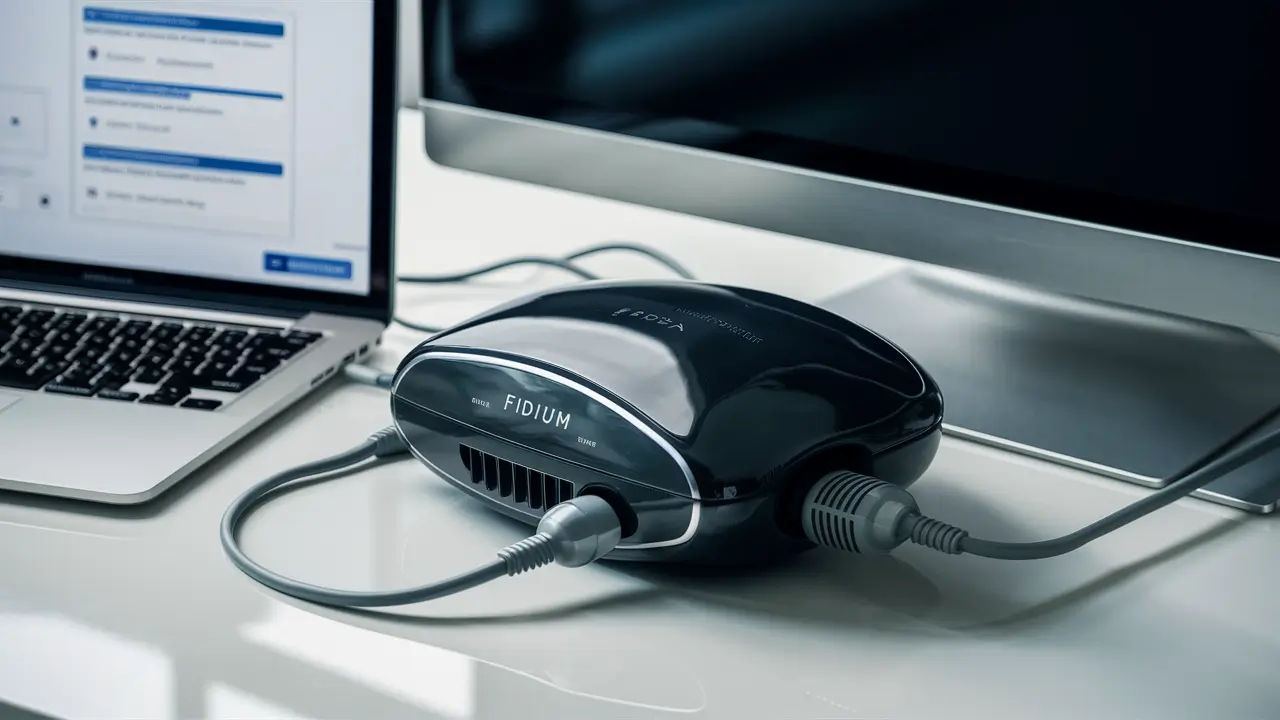
The modem acts as the bridge between the external fiber optic network and your internal home network. When you send data, like uploading a file or making a video call, your device sends digital signals to the modem. The modem then converts these signals into light pulses that travel through the fiber optic cable to Fidium's network. Conversely, when you receive data, such as streaming a movie or browsing a website, the light pulses from Fidium's network arrive at your modem. The modem then converts these light pulses back into digital signals that your devices can understand. This bidirectional communication is fundamental to your internet service. Fidium typically provides high-quality modems designed to work seamlessly with their network infrastructure, ensuring that you can take full advantage of the speeds advertised. However, the choice between using a Fidium-provided modem or your own device (BYOD) can significantly impact your setup and performance, a topic we will explore in detail.
Fiber optic technology itself is a marvel of modern engineering. Unlike traditional copper cables that transmit data as electrical signals, fiber optic cables transmit data as pulses of light. This fundamental difference allows for significantly higher bandwidth, lower latency, and immunity to electromagnetic interference. The modems used with fiber optic networks, often referred to as Optical Network Terminals (ONTs) or integrated modem/router units, are specifically designed to handle these light signals. Fidium Fiber utilizes state-of-the-art equipment to ensure that the transition from light signals to usable data is as efficient as possible. Understanding the basic principles of fiber optics helps in appreciating the technology powering your Fidium internet connection and why specific modem requirements might exist.
The performance of your internet connection is not solely dependent on the speed of your Fidium Fiber plan. The modem plays a pivotal role. A modem that is outdated, incompatible, or improperly configured can become a bottleneck, preventing you from experiencing the full speeds you are paying for. Therefore, understanding the specifications of your Fidium modem, whether provided by Fidium or your own, is essential. This includes its supported speeds, Wi-Fi capabilities (if it's a combo unit), and any specific configuration requirements. For instance, a modem capable of handling gigabit speeds is crucial if you have subscribed to a gigabit internet plan. This guide aims to equip you with the knowledge to make informed decisions about your Fidium modem and ensure it's performing at its peak.
Fidium Provided Modems vs. Bring Your Own Device (BYOD)
When you sign up for Fidium Fiber service, you are typically presented with a choice: use the modem provided by Fidium, or opt for a Bring Your Own Device (BYOD) approach. Each option comes with its own set of advantages and disadvantages, and the best choice for you depends on your technical expertise, budget, and specific networking needs. Understanding these differences is crucial for making an informed decision that aligns with your internet usage habits and expectations. As of 2025-26, Fidium continues to refine its BYOD policies, so it's always wise to check their latest guidelines.
Fidium Provided Modems
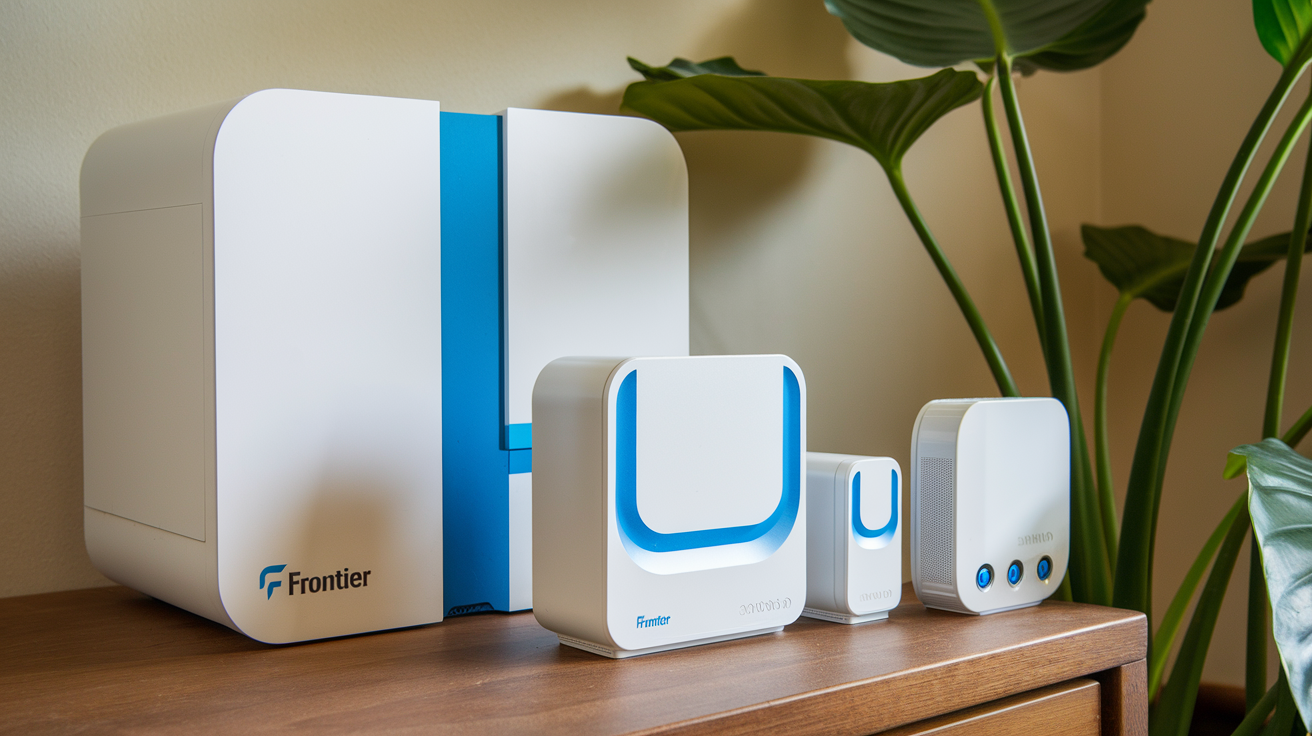
Opting for a Fidium-provided modem offers a streamlined and often hassle-free experience. Fidium engineers and selects modems that are guaranteed to be compatible with their network infrastructure. This compatibility ensures that the modem will function correctly right out of the box, minimizing the chances of setup issues or performance problems related to equipment incompatibility. Fidium technicians are also well-versed in troubleshooting their own equipment, which can lead to quicker resolutions if any issues arise.
Advantages of Fidium Provided Modems:
- Guaranteed Compatibility: Fidium-provided modems are tested and certified to work seamlessly with their fiber network.
- Simplified Setup: Often pre-configured or with straightforward setup instructions tailored for Fidium's service.
- Dedicated Support: Fidium's support teams are best equipped to assist with issues related to their own hardware.
- No Upfront Purchase Cost (often): While some providers charge a monthly rental fee, Fidium may offer a modem included in certain plans or at a reasonable monthly rate, avoiding a large initial investment.
- Latest Technology: Fidium typically provides modern equipment that supports the speeds of their offered plans.
Disadvantages of Fidium Provided Modems:
- Monthly Rental Fees: Many providers charge a recurring monthly fee for modem rental, which can add up over time.
- Limited Customization: You may have less control over the specific model and its features compared to purchasing your own.
- Potential for Outdated Hardware: While Fidium aims to provide current tech, rental units can sometimes be older models that might not support the absolute latest advancements.
Bring Your Own Device (BYOD)
The BYOD option allows you to purchase your own modem and connect it to Fidium's network. This approach can be appealing for users who want more control over their networking equipment, wish to avoid monthly rental fees, or already own a high-quality modem that meets Fidium's specifications. However, it requires a greater degree of technical understanding and careful selection of compatible hardware.
Advantages of BYOD:
- Cost Savings Over Time: Purchasing a modem outright eliminates monthly rental fees, potentially saving you money in the long run.
- Greater Control and Customization: You can choose a modem with specific features, higher performance capabilities, or advanced networking options that suit your needs.
- Familiarity: If you're already comfortable with a particular brand or model of modem, BYOD allows you to stick with what you know.
- Potential for Better Performance: You can invest in a premium modem that might offer superior Wi-Fi performance or advanced features not found in standard rental units.
Disadvantages of BYOD:
- Compatibility Requirements: You MUST ensure the modem you purchase is compatible with Fidium Fiber's network. Fidium publishes a list of approved modems, and using an incompatible one will prevent service activation.
- Initial Purchase Cost: High-quality modems can be expensive upfront.
- Self-Troubleshooting: If you encounter issues, Fidium's support may be limited in assisting with third-party hardware. You'll be responsible for troubleshooting your own modem.
- Setup Complexity: Connecting a new modem may require more technical steps, including MAC address registration with Fidium.
- Firmware Updates: You are responsible for ensuring your modem's firmware is up-to-date for security and performance.
Key Considerations for BYOD Modems
If you choose the BYOD route, it is paramount to consult Fidium's official documentation for a list of compatible modems. This list is typically updated to reflect current network standards and approved devices. Key specifications to look for include support for the correct fiber optic standards (e.g., GPON or EPON, depending on Fidium's deployment) and sufficient throughput to handle your subscribed internet speed. For example, if you have a 1 Gigabit plan, your modem must be capable of at least 1 Gbps. Many users opt for combination modem/router units (gateways) to simplify their home network setup, but ensure the modem component is Fidium-approved.
As of 2025-26, Fidium Fiber continues to emphasize the importance of using approved equipment to maintain network integrity and performance. Their website usually features a dedicated section or document outlining the BYOD policy and a list of compatible modem models. Always refer to this official source before making a purchase. For instance, a common requirement might be for the modem to support specific VLAN tagging or PPPoE authentication methods that Fidium uses to manage customer connections.
| Feature | Fidium Provided Modem | BYOD Modem |
|---|---|---|
| Compatibility | Guaranteed | Must be Fidium-approved |
| Setup Ease | High | Moderate to High (requires research) |
| Monthly Cost | Potential rental fee | None (after initial purchase) |
| Support | Fidium direct support | Self-support or manufacturer support |
| Customization | Limited | High |
Setting Up Your Fidium Fiber Modem: A Step-by-Step Guide
Setting up your Fidium Fiber modem is a critical step in getting your high-speed internet service operational. Whether you're using a Fidium-provided device or a compatible BYOD modem, the process involves a few key stages. Following these steps carefully will ensure a smooth installation and minimize potential issues. This guide assumes you have already received your Fidium Fiber service activation confirmation and have the necessary equipment.
Step 1: Unboxing and Identifying Your Equipment
Carefully unbox your Fidium modem. If it's a Fidium-provided unit, it will likely be a modem-router combo (gateway) or a separate modem and router. Familiarize yourself with the components: the modem itself, the power adapter, and any Ethernet cables included. If you are using a BYOD modem, ensure you have the modem, its power adapter, and an Ethernet cable. Note the model number and any unique identifiers like the MAC address, which might be printed on a sticker on the device. You may need this MAC address for activation, especially with BYOD.
Step 2: Connecting the Modem to the Fiber Optic Line
This is the most crucial physical connection. Locate the fiber optic cable coming from your wall. This cable is typically thin and may have a protective sheath. It will have a specific connector type (often SC or LC). Your Fidium modem will have a corresponding port labeled "Fiber," "WAN," "Optical," or similar. Gently but firmly connect the fiber optic cable to this port. Ensure the connection is secure. Important Note: Fiber optic cables are delicate. Avoid bending them sharply or forcing the connector. If you are unsure, consult Fidium's setup guide or contact their support.
If you are using a Fidium-provided modem and it's a gateway unit, this single connection often handles both the internet and Wi-Fi routing. If you have a separate modem and router, connect the fiber optic cable to the modem's designated port.
Step 3: Connecting the Power Adapter
Once the fiber optic cable is securely connected, plug the modem's power adapter into the modem and then into a nearby electrical outlet. The modem will begin to power on. You should see a series of lights on the front panel illuminate. These lights indicate the modem's status: power, connection to the network, and Wi-Fi activity (if applicable). Refer to your modem's manual or Fidium's quick start guide for the meaning of specific LED indicators.
Step 4: Connecting Your Router (if applicable) or Devices
For BYOD with a separate router: Connect an Ethernet cable from the modem's LAN port (usually labeled "Ethernet" or "LAN") to the WAN/Internet port on your router. Then, connect your computer or other devices to your router via Ethernet cable or Wi-Fi.
For Fidium-provided gateway (modem/router combo): The gateway unit typically provides both internet connectivity and Wi-Fi. You can connect devices directly to its LAN ports via Ethernet cable, or connect wirelessly via Wi-Fi using the network name (SSID) and password provided by Fidium (often found on a sticker on the device).
For BYOD modem only (no router): If your BYOD modem has built-in Wi-Fi capabilities and you are not using a separate router, you will connect your devices directly to the modem's Wi-Fi network. If it's a modem-only device without Wi-Fi, you will need to connect a computer directly via Ethernet cable.
Step 5: Activation and Configuration
This step is critical. Once the modem is powered on and connected, you'll need to activate your Fidium service. This usually involves one of the following:
- Automatic Activation: In many cases, Fidium's system will detect the new modem and automatically provision your service. You might see status lights change to indicate successful activation.
- Web Portal Activation: You may be directed to visit a specific Fidium activation web page (e.g., activate.fidiumfiber.com or similar) using a computer connected via Ethernet. You might need to enter account information or the modem's MAC address.
- Phone Activation: In some instances, you might need to call Fidium customer support to have them activate your service remotely.
For BYOD users: You will almost certainly need your modem's MAC address. This is a unique hardware identifier. Fidium will use this to register your modem on their network. Ensure you have this readily available.
Once activated, the modem's status lights should indicate a stable internet connection. For Wi-Fi, you'll need to connect your devices using the SSID and password. If you're using a Fidium-provided gateway, these details are usually on the device itself. If you're using your own router, you'll configure these settings within your router's administrative interface.
Step 6: Testing Your Connection
After activation and connecting your devices, it's time to test your internet speed. Open a web browser on a device connected to your Fidium network (preferably via Ethernet for the most accurate speed test) and visit a reputable speed test website like Speedtest.net or Fidium's own speed test tool if available. Compare the results to the internet plan you subscribed to. A slight variation is normal, but if speeds are significantly lower than expected, it might indicate a configuration issue or a problem with the modem or connection.
Troubleshooting Common Setup Issues
No Lights on Modem: Ensure the power adapter is securely plugged into both the modem and the wall outlet. Try a different outlet. Check if the power adapter itself is damaged.
No Internet Connection (Status Lights Indicate No Link): Double-check the fiber optic cable connection. Ensure it's fully seated and the connector is clean. Verify that your service has been activated by Fidium. If using BYOD, confirm your modem is on Fidium's approved list and that its MAC address was correctly registered.
Slow Speeds: Ensure you are testing with a wired Ethernet connection for the most accurate results. Restart your modem and router. If speeds are still low, contact Fidium support.
Wi-Fi Not Visible: Ensure the Wi-Fi function is enabled on your gateway or router. Check the device's status lights. Try restarting the device.
By following these steps diligently, you should be able to set up your Fidium Fiber modem successfully and begin enjoying high-speed internet. Remember to always refer to Fidium's official documentation for the most accurate and up-to-date instructions specific to their service and equipment.
Optimizing Fidium Fiber Modem Performance
Once your Fidium Fiber modem is set up and running, the next step is to ensure it's performing at its best. Optimizing your modem's performance isn't just about getting the advertised speeds; it's also about ensuring a stable, reliable connection for all your online activities. From strategic placement to understanding advanced settings, several factors can impact your internet experience. As of 2025-26, with the increasing demand for bandwidth for streaming, gaming, and remote work, optimizing your network is more critical than ever.
1. Strategic Modem Placement
The physical location of your modem (or modem/router combo) can significantly affect Wi-Fi signal strength and range. For optimal performance:
- Central Location: Place the modem in a central area of your home, ideally on the main floor. This helps distribute the Wi-Fi signal more evenly throughout your house.
- Open Space: Avoid placing the modem in enclosed cabinets, behind large furniture, or near thick walls, which can obstruct Wi-Fi signals.
- Away from Interference: Keep the modem away from other electronic devices that can cause interference, such as microwaves, cordless phones, Bluetooth devices, and even some older fluorescent lights.
- Elevated Position: Placing the modem on a shelf or table, rather than on the floor, can improve signal propagation.
2. Regular Modem Reboots
Like any electronic device, modems can benefit from occasional restarts. A simple reboot can clear temporary glitches, refresh network connections, and resolve minor performance issues. Fidium recommends rebooting your modem periodically, perhaps once a month or whenever you experience sluggishness or connectivity problems. To reboot:
- Unplug the power cord from the modem.
- Wait for at least 30 seconds.
- Plug the power cord back in.
- Allow the modem a few minutes to fully power up and reconnect to the Fidium network.
3. Understanding and Managing Wi-Fi Settings (for Gateway Units)
If your Fidium modem is a gateway unit (combining modem and router functions), you have access to Wi-Fi settings that can be optimized:
- Dual-Band Wi-Fi: Most modern gateways support dual-band Wi-Fi (2.4 GHz and 5 GHz). The 2.4 GHz band offers a longer range but slower speeds, while the 5 GHz band provides faster speeds but has a shorter range. Connect devices that are far from the router or don't require high speeds to the 2.4 GHz band, and devices that need speed (like streaming devices or gaming consoles) to the 5 GHz band, provided they are closer to the router.
- Channel Selection: Wi-Fi signals operate on different channels. If many networks in your area are using the same channel, it can lead to interference. Some gateways allow you to manually select the least congested Wi-Fi channel for both 2.4 GHz and 5 GHz bands. You can use Wi-Fi analyzer apps on your smartphone to identify the best channels.
- SSID and Password: Ensure your Wi-Fi network name (SSID) and password are set to something secure and memorable.
- Guest Network: If your gateway supports it, setting up a guest network can provide internet access to visitors without giving them access to your main network and devices.
Accessing these settings typically involves logging into your gateway's administrative interface via a web browser. The IP address and login credentials are often found on the modem itself or in Fidium's documentation.
4. Wired Connections for Critical Devices
While Wi-Fi is convenient, a wired Ethernet connection generally offers the most stable and fastest performance. For devices that are stationary and require the highest speeds and lowest latency (e.g., gaming consoles, desktop computers, smart TVs for 4K streaming), connect them directly to the modem/router via an Ethernet cable. This offloads traffic from your Wi-Fi network, improving overall performance for all devices.
5. Firmware Updates
Modem manufacturers and Fidium Fiber regularly release firmware updates to improve performance, patch security vulnerabilities, and add new features. If you are using a Fidium-provided modem, Fidium usually handles these updates remotely. However, if you are using a BYOD modem, it is your responsibility to ensure the firmware is up-to-date. Check your modem manufacturer's website for instructions on how to check for and install firmware updates.
6. Managing Network Congestion
Even with the fastest internet plan, network congestion within your home can occur if too many devices are using bandwidth-intensive applications simultaneously. Strategies to manage this include:
- Prioritize Devices: If your router supports Quality of Service (QoS) settings, you can prioritize certain devices or applications (e.g., prioritize video conferencing for work over background downloads).
- Schedule Bandwidth-Heavy Tasks: If possible, schedule large downloads or backups for off-peak hours when fewer people are using the internet.
- Limit Simultaneous Streaming: While Fidium Fiber offers high speeds, streaming multiple 4K videos on different devices simultaneously can still strain bandwidth.
7. Consider a Mesh Wi-Fi System or Extender
If you have a large home or persistent Wi-Fi dead zones, a single modem/router may not provide adequate coverage. In such cases, consider investing in a mesh Wi-Fi system or Wi-Fi extenders. These devices work together to create a more robust and widespread Wi-Fi network, ensuring a strong signal in every corner of your home. When using a mesh system with a Fidium gateway, you'll typically put the gateway into "bridge mode" to avoid network conflicts.
8. Monitoring Your Speeds
Periodically run speed tests using a wired connection to ensure you are consistently receiving the speeds you expect from your Fidium plan. If you notice a significant and persistent drop in speeds, it's time to investigate further, starting with a modem reboot and checking for firmware updates. If the issue persists, contact Fidium support.
By implementing these optimization techniques, you can ensure your Fidium Fiber modem is delivering the best possible performance, providing a reliable and fast internet experience for all your online activities in 2025-26 and beyond.
Troubleshooting Common Fidium Modem Issues
Even with the most reliable internet service, you might occasionally encounter issues with your Fidium Fiber modem. Understanding how to troubleshoot common problems can save you time and frustration, and often allow you to resolve issues without needing to contact customer support. This section provides a guide to diagnosing and fixing frequent modem problems.
Issue 1: No Internet Connection / Modem Offline
Symptoms: No internet access on any device. Modem status lights indicate no connection (e.g., "Online," "Internet," or "WAN" light is off or red/blinking).
Troubleshooting Steps:
- Check Physical Connections:
- Ensure the fiber optic cable is securely plugged into both the wall and the modem's fiber port.
- Verify the power adapter is firmly connected to the modem and the electrical outlet.
- If using a separate router, check the Ethernet cable connection between the modem's LAN port and the router's WAN port.
- Reboot the Modem: This is the most common fix. Unplug the power, wait 30 seconds, and plug it back in. Allow 3-5 minutes for it to fully boot up and establish a connection.
- Check Service Status: Visit Fidium's website or app to see if there are any reported outages in your area.
- Verify Activation (BYOD): If you recently installed a BYOD modem, ensure it was properly activated with Fidium and that its MAC address was registered correctly.
- Test with a Wired Connection: Connect a computer directly to the modem via Ethernet cable. If you get internet this way but not via Wi-Fi, the issue is likely with your router or Wi-Fi settings.
Issue 2: Slow Internet Speeds
Symptoms: Websites load slowly, videos buffer, downloads take a long time, speed tests show significantly lower speeds than your subscribed plan.
Troubleshooting Steps:
- Perform a Wired Speed Test: Connect a computer directly to the modem via Ethernet and run a speed test (e.g., Speedtest.net). This eliminates Wi-Fi as a variable.
- Reboot Modem and Router: A simple restart can often resolve temporary performance degradation.
- Check for Network Congestion: Are multiple devices simultaneously performing bandwidth-intensive tasks (streaming 4K, large downloads, online gaming)? Try disconnecting some devices or pausing activities to see if speeds improve.
- Check Wi-Fi Signal Strength: If testing via Wi-Fi, ensure you have a strong signal. Move closer to the router or consider repositioning it.
- Update Router Firmware: If you're using a Fidium gateway or your own router, ensure its firmware is up-to-date.
- Scan for Malware: Malware on your devices can consume bandwidth and slow down your connection. Run a full system scan.
- Contact Fidium Support: If wired speeds are consistently below your plan's advertised speeds, there might be an issue with the line, the modem, or Fidium's network.
Issue 3: Intermittent Connectivity / Dropped Connections
Symptoms: Internet connection drops periodically, requiring frequent reconnections or modem reboots.
Troubleshooting Steps:
- Check Physical Connections: Loose cables can cause intermittent drops. Ensure all connections are secure.
- Reboot Modem: This can resolve temporary network instability.
- Check for Interference: If the issue is primarily with Wi-Fi, other electronic devices might be causing interference. Try moving the modem or the interfering devices.
- Update Modem/Router Firmware: Outdated firmware can sometimes lead to instability.
- Monitor Modem Status Lights: Note any unusual blinking or color changes in the status lights when the connection drops. This can provide clues to the problem.
- Test with a Wired Connection: If wired connections are stable but Wi-Fi is not, the problem lies with your Wi-Fi setup (router, interference, or signal strength).
- Contact Fidium Support: Persistent intermittent issues often require investigation by Fidium technicians.
Issue 4: Wi-Fi Not Working (for Gateway Units)
Symptoms: Devices cannot connect to the Wi-Fi network, or the Wi-Fi network is not visible.
Troubleshooting Steps:
- Check Modem/Gateway Status Lights: Ensure the Wi-Fi indicator light is on and active.
- Reboot the Gateway: Power cycle the device.
- Verify Wi-Fi is Enabled: Log into your gateway's administrative interface and confirm that the Wi-Fi radios are turned on.
- Check SSID and Password: Ensure you are trying to connect to the correct network name (SSID) and entering the correct password. Passwords are case-sensitive.
- Move Closer to the Gateway: Weak signal strength can prevent connection.
- Reset Gateway to Factory Defaults: As a last resort, you can reset the gateway to its factory settings. This will erase all custom configurations, including your Wi-Fi name and password, reverting them to the defaults printed on the device. Use a paperclip to press and hold the reset button (usually on the back or bottom) for about 10-15 seconds.
Issue 5: Difficulty Connecting New Devices
Symptoms: New phones, laptops, or smart devices cannot connect to the Wi-Fi network.
Troubleshooting Steps:
- Check Wi-Fi Standards: Ensure your new device supports the Wi-Fi standards your gateway is using (e.g., Wi-Fi 5/ac or Wi-Fi 6/ax). Older devices might struggle with newer standards, and vice-versa.
- Verify Correct Network and Password: Double-check you are selecting the correct SSID and entering the password accurately.
- Reboot Gateway: Sometimes a reboot can help the gateway recognize new devices.
- Check MAC Filtering (Advanced): If MAC filtering is enabled on your router, ensure the new device's MAC address is on the allowed list. This is an advanced setting and usually not enabled by default.
- Check Device Limits: Some routers have a limit on the number of devices that can connect simultaneously.
When troubleshooting, always start with the simplest solutions (checking connections, rebooting) before moving to more complex steps. If you are unable to resolve the issue, Fidium Fiber's customer support is your best resource for further assistance, especially for issues related to their network or provided equipment.
Fidium Fiber Modem Security Best Practices
Securing your Fidium Fiber modem and home network is paramount in today's digital landscape. A compromised modem can lead to unauthorized access to your personal information, identity theft, and even the use of your internet connection for malicious activities. Implementing strong security practices is crucial for protecting your data and privacy. As of 2025-26, cyber threats continue to evolve, making robust security measures more important than ever.
1. Change Default Login Credentials
The most critical first step for any new modem or router is to change the default administrator username and password. Manufacturers often use generic credentials (like "admin/password") that are widely known. If these are not changed, anyone with physical access or knowledge of your network could potentially log into your modem's settings.
- How to: Access your modem/gateway's administrative interface (usually via a web browser using an IP address like 192.168.1.1 or 192.168.0.1). Navigate to the administration or security settings and change the password to a strong, unique one.
- What is a Strong Password? It should be at least 12 characters long, include a mix of uppercase and lowercase letters, numbers, and symbols. Avoid easily guessable information like names, birthdays, or common words.
2. Secure Your Wi-Fi Network
Your Wi-Fi network is the primary entry point for many devices into your home network. Securing it is essential.
- Use WPA3 Encryption (if available): WPA3 is the latest and most secure Wi-Fi encryption standard. If your modem/router supports it and your devices are compatible, enable WPA3. Otherwise, use WPA2-AES, which is still considered strong. Avoid older, insecure protocols like WEP or WPA.
- Strong Wi-Fi Password: Just like your admin password, your Wi-Fi password (PSK - Pre-Shared Key) should be strong and unique.
- Change Default SSID: While not a security measure in itself, changing the default SSID (network name) makes your network less obvious to casual attackers looking for default configurations.
3. Enable Firewall Features
Most modems and routers have a built-in firewall that acts as a barrier between your home network and the internet, blocking unauthorized incoming traffic. Ensure this feature is enabled. Advanced users might explore configuring specific firewall rules, but for most users, the default settings are sufficient if the firewall is active.
4. Keep Firmware Updated
As mentioned in the optimization section, firmware updates are crucial for security. They often patch newly discovered vulnerabilities that attackers could exploit. If you have a Fidium-provided modem, Fidium typically manages these updates remotely. If you have a BYOD modem, make it a habit to check for and install firmware updates regularly.
5. Disable Remote Management (Unless Needed)
Remote management allows you to access your modem's settings from outside your home network. While convenient for some, it also presents a potential security risk if not properly secured. If you do not need remote management capabilities, disable it in your modem's settings. If you do need it, ensure it's protected with a very strong password and, if possible, restricted to specific IP addresses.
6. Consider a Guest Network
If your modem/gateway supports a guest network feature, use it for visitors. This creates a separate Wi-Fi network with its own SSID and password, allowing guests to access the internet without giving them access to your main network and connected devices. This is particularly useful for smart home devices that may not have the strongest security protocols.
7. Network Segmentation (Advanced)
For users with advanced networking needs, segmenting your network can enhance security. This involves creating separate subnets for different types of devices (e.g., IoT devices, work devices, personal devices). This is typically achieved using more advanced routers or managed switches and is beyond the scope of basic modem security but is a powerful tool for comprehensive network protection.
8. Be Wary of Phishing and Social Engineering
Even with a secure modem, your data can be compromised if you fall victim to phishing attacks. Be cautious of emails, texts, or calls asking for your login credentials, personal information, or urging you to click suspicious links. Fidium Fiber will never ask for your modem's admin password or your Wi-Fi password via unsolicited communication.
By diligently following these security best practices, you can significantly reduce the risk of your Fidium Fiber modem and home network being compromised, ensuring a safer and more private online experience.
The Future of Fidium Fiber Modems
The world of internet technology is in constant flux, and Fidium Fiber modems are no exception. As we look towards 2025-26 and beyond, several trends are shaping the evolution of these essential devices. The drive for faster speeds, lower latency, and enhanced connectivity for a growing number of smart devices means that modem technology must continually adapt. Fidium, committed to delivering cutting-edge fiber optic services, will likely adopt and deploy modems that reflect these advancements.
1. Increased Speeds and Bandwidth
The demand for higher internet speeds continues to grow, fueled by 4K/8K streaming, cloud gaming, virtual reality, and the proliferation of connected devices. Future Fidium Fiber modems will undoubtedly be designed to support even greater speeds, potentially pushing beyond current multi-gigabit offerings. Technologies like XGS-PON (10 Gigabit Symmetrical Passive Optical Network) are becoming more common in fiber deployments, and modems will need to be compatible with these next-generation standards to deliver symmetrical multi-gigabit upload and download speeds.
2. Enhanced Wi-Fi Capabilities
As modem/router combo units (gateways) become the norm for many users, their Wi-Fi capabilities will see significant upgrades. Expect to see wider adoption of Wi-Fi 7 (802.11be) and subsequent standards. Wi-Fi 7 offers substantial improvements in speed, latency, and capacity, enabling smoother streaming, more responsive gaming, and better performance for the ever-increasing number of connected devices in a smart home. Features like Multi-Link Operation (MLO), which allows devices to connect over multiple bands simultaneously, will become standard, boosting reliability and speed.
3. Integration of AI and Machine Learning
Artificial intelligence (AI) and machine learning (ML) are poised to play a larger role in modem functionality. Future modems may incorporate AI to:
- Optimize Network Performance: Dynamically adjust settings for better speed, reduced latency, and improved Wi-Fi coverage based on usage patterns and environmental factors.
- Proactive Troubleshooting: Identify potential issues before they impact users and even self-heal certain problems.
- Enhanced Security: Detect and mitigate emerging cyber threats more effectively.
- Smarter Device Management: Better manage and prioritize traffic for a multitude of connected devices.
4. Improved IoT Support and Connectivity
The Internet of Things (IoT) continues to expand, with more smart home devices entering the market. Future modems will need to efficiently handle a greater number of simultaneous connections without performance degradation. This might involve improved handling of low-bandwidth, high-connection-count scenarios, and potentially integrated support for emerging IoT communication protocols.
5. Increased Focus on Security
With the growing sophistication of cyber threats, security will remain a top priority. Future modems will likely feature more advanced built-in security features, including enhanced firewalls, intrusion detection systems, and more robust encryption protocols like WPA3. Automatic firmware updates will become even more critical to patch vulnerabilities rapidly.
6. Power Efficiency and Sustainability
As devices become more powerful, there's also a growing emphasis on energy efficiency. Manufacturers will likely continue to develop modems that consume less power while delivering higher performance, contributing to sustainability efforts.
7. Modular and Upgradeable Designs
While less common in consumer-grade equipment, there's a possibility of more modular designs emerging, allowing users to upgrade specific components (like the Wi-Fi module) without replacing the entire modem. This could offer greater flexibility and reduce electronic waste.
For Fidium Fiber customers, these advancements mean a future of even faster, more reliable, and more intelligent internet connectivity. Staying informed about the latest modem technologies and ensuring your equipment is up-to-date will be key to leveraging the full potential of Fidium's fiber optic network in the years to come.
In conclusion, this comprehensive guide has covered the essential aspects of Fidium Fiber modems, from understanding their role and choosing between provided or BYOD options, to detailed setup instructions, performance optimization, troubleshooting common issues, and securing your network. As Fidium Fiber continues to expand its high-speed internet services, a well-understood and properly managed modem is your gateway to an exceptional online experience. By applying the knowledge gained here, you are well-equipped to maximize the performance, reliability, and security of your Fidium Fiber connection.