AT&T Wireless Internet: Your Connection to Fast Speeds
Discover how AT&T Wireless Internet can deliver blazing-fast speeds for your home or on-the-go needs. This comprehensive guide explores the technology, plans, and benefits, ensuring you get the most reliable and speedy wireless internet connection available in 2025-26.
Understanding AT&T Wireless Internet
In today's hyper-connected world, reliable and fast internet is no longer a luxury; it's a necessity. For many households and mobile users, traditional wired broadband solutions like DSL or cable might not be feasible due to infrastructure limitations or a desire for greater flexibility. This is where wireless internet services, particularly those offered by major carriers like AT&T, step in to fill the gap. AT&T Wireless Internet leverages the company's extensive cellular network to provide broadband connectivity without the need for physical cables running to your home or device. This means greater mobility, easier setup, and access to high-speed internet in areas where traditional options are scarce or non-existent. The service aims to deliver a robust internet experience for streaming, gaming, working from home, and everyday browsing, all powered by the latest advancements in mobile network technology.
The core appeal of AT&T Wireless Internet lies in its simplicity and accessibility. Instead of scheduling technician visits and dealing with installation complexities, users often receive a device that they can simply plug in and start using. This plug-and-play nature makes it an attractive option for those who are frequently on the move, live in rural or underserved areas, or simply prefer a less intrusive internet solution. AT&T's commitment to expanding its 5G network further enhances the potential for significantly faster speeds and lower latency, making wireless internet a truly viable alternative to wired connections for a growing number of consumers. This guide will delve deep into what makes AT&T's wireless offerings stand out, the technologies that enable their impressive speeds, and how you can best utilize their services to meet your specific connectivity needs in 2025-26.
What is AT&T Wireless Internet?
AT&T Wireless Internet encompasses a range of services designed to deliver broadband internet access using AT&T's vast cellular network. This isn't just about mobile hotspots on your smartphone; it refers to dedicated devices, often referred to as Fixed Wireless Internet (FWI) or Wireless Home Internet solutions, that are strategically placed in a home or business to act as a primary internet gateway. These devices connect wirelessly to AT&T's cell towers, receiving internet signals and then broadcasting them within the premises via Wi-Fi, similar to a traditional router. For users on the go, AT&T also offers mobile hotspot capabilities through its smartphone plans and dedicated mobile hotspot devices, allowing multiple gadgets to connect to the internet via the cellular network.
The primary differentiator for AT&T's wireless internet services is its reliance on cellular infrastructure. This means that the availability and performance of the service are directly tied to the strength and capacity of AT&T's 4G LTE and, increasingly, 5G networks. As AT&T continues to invest heavily in expanding its 5G coverage and capabilities, the potential for higher bandwidth and lower latency in their wireless internet offerings grows exponentially. This makes it a compelling choice for users who prioritize speed and a modern connectivity experience. The company offers various plans tailored to different usage needs, from basic browsing to heavy streaming and gaming, ensuring a flexible approach to wireless connectivity.
How Does It Work?
The fundamental principle behind AT&T Wireless Internet is the utilization of cellular radio waves to transmit data. For Fixed Wireless Internet, a dedicated modem/router device is installed at the user's location. This device contains a cellular modem that establishes a connection with the nearest AT&T cell tower that is equipped to handle data traffic. The strength and quality of this connection are crucial for performance. Once the device receives data from the tower, it acts as a Wi-Fi router, creating a local network that your computers, smartphones, tablets, and other smart devices can connect to wirelessly. The process is bidirectional, allowing your devices to send data back to the AT&T network through the wireless internet device.
For mobile hotspot services, the concept is similar but integrated into a smartphone or a portable hotspot device. These devices use their internal cellular modems to connect to the AT&T network and then create a Wi-Fi network that other devices can join. The speed and reliability of these services are dependent on several factors, including the specific cellular technology being used (4G LTE or 5G), the signal strength at your location, the number of users connected to the same cell tower, and the specific plan you have subscribed to. AT&T's ongoing network upgrades, particularly the deployment of 5G, are designed to enhance the capacity, speed, and responsiveness of these wireless connections, making them increasingly competitive with traditional wired broadband.
Key Technologies Powering AT&T Speeds
The impressive speeds delivered by AT&T Wireless Internet are a direct result of the cutting-edge technologies that underpin its cellular network. As the digital landscape evolves, so too does the infrastructure that supports it, with AT&T consistently investing in advancements to provide faster, more reliable, and lower-latency connections. Understanding these technologies provides crucial insight into why AT&T's wireless internet can be a powerful solution for modern connectivity needs.
5G Technology
The most significant driver of increased speeds in AT&T's wireless offerings is the widespread deployment of 5G technology. 5G represents a generational leap from 4G LTE, offering substantially higher bandwidth, significantly lower latency, and the ability to connect a far greater number of devices simultaneously. For wireless internet users, this translates into faster download and upload speeds, making activities like streaming high-definition video, online gaming, and video conferencing much smoother and more responsive. AT&T has been aggressively expanding its 5G network across the United States, making it available in a growing number of urban, suburban, and even some rural areas. The different types of 5G – low-band, mid-band, and high-band (mmWave) – offer varying levels of speed and coverage, with mid-band and high-band offering the most dramatic speed improvements where available.
In 2025-26, 5G is no longer just a future promise; it's a present reality that significantly impacts the performance of AT&T Wireless Internet. Users in areas with strong 5G coverage can expect speeds that rival or even surpass traditional cable internet in many instances. This is particularly true for AT&T's Fixed Wireless Internet solutions, which are optimized to take full advantage of the 5G network's capabilities. The lower latency inherent in 5G is also a game-changer, reducing the delay between sending a command and receiving a response, which is critical for real-time applications and immersive online experiences.
4G LTE Advanced
While 5G garners much of the attention, AT&T's 4G LTE Advanced network remains a robust and widely available backbone for its wireless internet services. LTE Advanced, also known as LTE-A or 4G+, builds upon the foundation of standard 4G LTE by incorporating technologies like carrier aggregation. Carrier aggregation allows the modem to combine multiple frequency bands simultaneously, effectively widening the data highway and increasing overall throughput. This means that even in areas where 5G is not yet deployed or where signal strength is not optimal for 5G, users can still benefit from significantly faster and more stable internet connections thanks to the advanced capabilities of the 4G LTE network.
For many users, particularly those in areas with excellent 4G LTE coverage, the speeds offered by LTE Advanced are more than sufficient for their daily internet needs. Streaming HD video, browsing the web, and managing emails are all handled with ease. AT&T's ongoing network enhancements mean that even the 4G LTE infrastructure is continuously being optimized for better performance and capacity, ensuring a reliable experience. When considering AT&T Wireless Internet, it's important to understand that the service will intelligently utilize the best available network technology, whether it's 5G or 4G LTE Advanced, to provide the optimal connection.
Carrier Aggregation
Carrier aggregation is a key technology that significantly boosts the performance of both 4G LTE Advanced and 5G networks. In essence, it allows a device to connect to multiple frequency bands simultaneously, acting like a multi-lane highway for data. Instead of relying on a single lane (frequency band), the device can utilize several, dramatically increasing the total amount of data that can be transmitted and received per unit of time. For AT&T Wireless Internet users, this means higher download and upload speeds, especially in areas where multiple frequency bands are available and well-utilized by the network.
This technology is particularly beneficial in congested areas where multiple users are trying to access the network. By aggregating different bands, AT&T can distribute the traffic more effectively, leading to a more consistent and faster experience for each user. For fixed wireless solutions, the ability to aggregate multiple bands can help overcome signal limitations and improve the overall stability of the connection, making it a more reliable primary internet source. As AT&T continues to deploy more spectrum and refine its carrier aggregation strategies, the speed and capacity of its wireless internet services will only continue to improve.
Beamforming and MIMO
Two other crucial technologies that enhance wireless internet performance are Beamforming and MIMO (Multiple-Input Multiple-Output). MIMO involves using multiple antennas at both the transmitter (cell tower) and receiver (your wireless internet device) to send and receive multiple data streams simultaneously. This significantly increases data throughput and improves signal reliability. Think of it as having multiple conversations happening at once, rather than just one.
Beamforming, often used in conjunction with MIMO, takes this a step further by intelligently directing the wireless signal towards the specific device it's communicating with. Instead of broadcasting the signal in all directions, beamforming focuses the energy of the signal, improving its strength and reducing interference for that particular connection. This is especially important in fixed wireless scenarios where the device is stationary. By focusing the signal, AT&T can achieve stronger, more stable connections, leading to higher speeds and a more consistent user experience. These advanced antenna technologies are integral to maximizing the potential of both 4G LTE Advanced and 5G networks, ensuring that AT&T Wireless Internet users get the best possible performance.
Comparing AT&T Wireless Internet Plans (2025-26)
Choosing the right AT&T Wireless Internet plan is crucial for ensuring you get the speed, data allowance, and features that best suit your household's or individual's needs. AT&T offers a variety of options, primarily categorized into Fixed Wireless Internet for home use and mobile hotspot services for on-the-go connectivity. The landscape of these plans evolves, so understanding the current offerings for 2025-26 is key to making an informed decision. It's important to note that specific plan details, pricing, and availability can vary by location.
Fixed Wireless Internet Plans
AT&T's Fixed Wireless Internet (FWI) is designed to provide a broadband alternative for homes where traditional wired options are limited. These plans typically offer a set amount of high-speed data per month, after which speeds may be reduced, or data usage might be subject to throttling, depending on the specific plan and network conditions. The key advantage here is the potential for significantly higher speeds and more generous data allowances compared to older wireless technologies, especially with the expansion of 5G FWI.
Key Features of AT&T Fixed Wireless Internet Plans (2025-26):
- Data Allowances: Plans often come with a monthly data cap (e.g., 100GB, 250GB, or even unlimited with potential speed reductions after a certain threshold). For 2025-26, AT&T is increasingly offering plans with higher data caps or "unlimited" data tiers, especially for 5G FWI subscribers, though it's essential to read the fine print regarding potential deprioritization during network congestion.
- Speed Tiers: While speeds can vary based on network conditions and location, AT&T often advertises speeds that are competitive with wired broadband. For 5G FWI, download speeds can range from 100 Mbps to over 1 Gbps in optimal conditions. 4G LTE FWI typically offers speeds in the range of 25-100 Mbps.
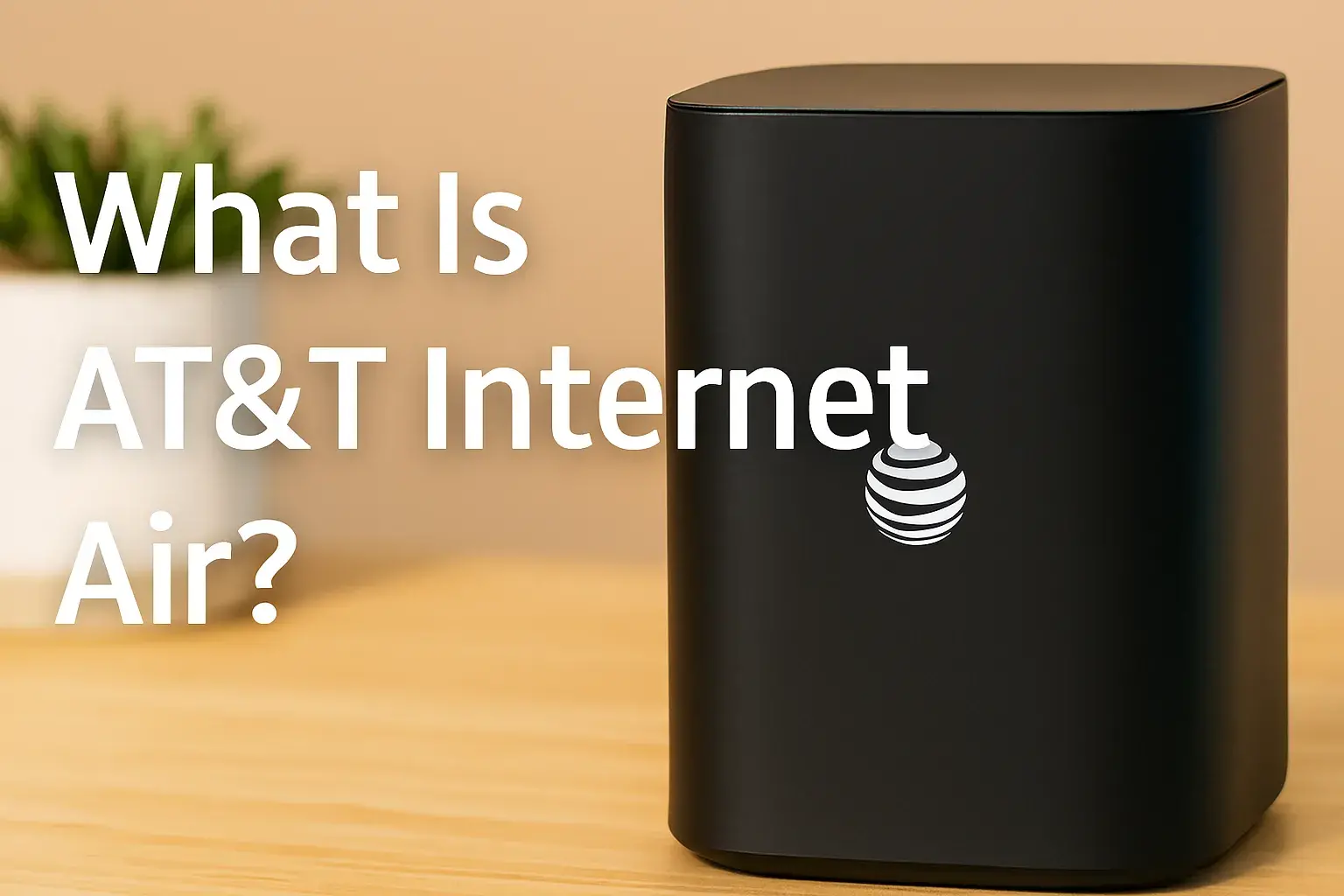
- Equipment: AT&T usually provides a dedicated wireless gateway device that acts as both a modem and a Wi-Fi router. This device is designed for optimal reception of the cellular signal.
- Pricing: Pricing varies based on the data allowance, speed tier, and any promotional offers. Expect monthly costs that are competitive with cable or fiber internet in comparable areas. Some plans might require a long-term contract, while others are month-to-month.
- Availability: Fixed Wireless Internet is generally available in specific geographic areas where AT&T has invested in the necessary infrastructure. Eligibility is typically determined by your service address.
For instance, a 2025-26 AT&T 5G Fixed Wireless Internet plan might offer up to 300 Mbps download speeds with 250GB of high-speed data, followed by unlimited data at reduced speeds. An alternative 4G LTE Fixed Wireless Internet plan might provide speeds of up to 100 Mbps with a 150GB data cap. It's crucial to check AT&T's website or contact customer service with your specific address to see which FWI plans are available to you.
Mobile Hotspot and Data Plans
For users who need internet access on the go or for smaller, portable needs, AT&T offers mobile hotspot services. These can be integrated into existing AT&T smartphone plans or available as standalone data-only plans with dedicated mobile hotspot devices. These plans are typically characterized by smaller data allowances compared to FWI, as they are designed for intermittent use rather than as a primary home internet solution.
Key Features of AT&T Mobile Hotspot Plans (2025-26):
- Data Allowances: Mobile hotspot data is often a subset of your overall smartphone data plan or a separate data bucket (e.g., 15GB, 30GB, 50GB per month). Exceeding this allowance usually results in significantly reduced speeds or additional charges.
- Speed: Speeds for mobile hotspots depend on the cellular network (4G LTE or 5G) and signal strength. While 5G can offer impressive speeds, tethering through a phone might sometimes be throttled compared to direct 5G FWI.
- Device Compatibility: Mobile hotspot functionality is built into most modern smartphones. Alternatively, users can purchase dedicated AT&T mobile hotspot devices (MiFi devices) for more robust sharing capabilities and potentially better battery life.
- Pricing: Standalone mobile hotspot plans or adding hotspot data to a smartphone plan incurs additional monthly fees. These are generally more expensive per gigabyte than FWI plans.
- Use Cases: Ideal for occasional internet access on laptops, tablets, or for sharing with a few devices while traveling, working remotely, or as a backup connection.
A typical 2025-26 smartphone plan might include 50GB of high-speed data, with 20GB of that specifically allocated for mobile hotspot usage. After the 20GB is consumed, hotspot speeds might be reduced to 2G or 3G levels. Standalone data plans for mobile hotspots are also available, offering various data tiers for users without a primary AT&T smartphone plan.
Plan Comparison Table
Here's a simplified comparison of typical AT&T Wireless Internet offerings for 2025-26. Note that specific details and availability vary by location and are subject to change.
| Feature | AT&T 5G Fixed Wireless Internet (Example) | AT&T 4G LTE Fixed Wireless Internet (Example) | AT&T Mobile Hotspot (on Smartphone Plan - Example) |
|---|---|---|---|
| Primary Use Case | Home Internet (Primary or Alternative) | Home Internet (Alternative) | On-the-go Connectivity, Backup |
| Typical Download Speeds | 100 Mbps - 1 Gbps+ (variable) | 25 Mbps - 100 Mbps (variable) | Varies (up to 5G speeds, can be throttled) |
| High-Speed Data Allowance | 250GB - Unlimited (with potential speed reduction) | 150GB - 250GB (with potential speed reduction) | 15GB - 50GB (often shared with phone data) |
| Latency | Low (especially with 5G) | Moderate | Varies (can be higher than FWI) |
| Equipment | Dedicated Wireless Gateway | Dedicated Wireless Gateway | Smartphone or Dedicated MiFi Device |
| Typical Monthly Cost | $60 - $90+ | $50 - $70+ | $15 - $30+ (as add-on to phone plan) |
Factors Affecting AT&T Wireless Internet Speed
While AT&T's network infrastructure and advanced technologies lay the groundwork for high speeds, several external and internal factors can influence the actual performance you experience with AT&T Wireless Internet. Understanding these variables is key to troubleshooting potential slowdowns and optimizing your connection.
Signal Strength and Quality
The most critical factor determining wireless internet speed is the strength and quality of the signal received by your AT&T device. This is measured in decibel-milliwatts (dBm). A stronger signal (closer to 0 dBm, e.g., -60 dBm is better than -90 dBm) generally leads to higher speeds and a more stable connection. Signal quality, often indicated by metrics like SINR (Signal-to-Interference-plus-Noise Ratio), also plays a vital role. Poor signal quality, even if the strength is decent, can lead to data errors and reduced speeds.
Factors influencing signal:
- Distance from the Cell Tower: The further you are from the nearest AT&T tower, the weaker the signal will likely be.
- Obstructions: Physical barriers like buildings, hills, dense foliage, and even certain building materials (e.g., thick concrete, metal siding) can significantly degrade signal strength and quality.
- Interference: Other electronic devices, neighboring Wi-Fi networks, and even atmospheric conditions can introduce interference, negatively impacting signal quality.
For Fixed Wireless Internet, the placement of the gateway device within your home is paramount. Positioning it near a window facing the nearest cell tower, away from obstructions and other electronics, can make a substantial difference.
Network Congestion
Like any shared resource, cellular networks can experience congestion when too many users are trying to access the network simultaneously in a particular area. During peak hours (typically evenings and weekends), when more people are online, the available bandwidth is divided among more users. This can lead to reduced speeds and increased latency for everyone connected to that cell tower.
AT&T employs various strategies to manage congestion, including load balancing and network optimization. However, in densely populated areas or during major local events, congestion can still be a factor. For Fixed Wireless Internet users, the impact of congestion might be more pronounced if the device is consistently connected to a tower that is heavily utilized. While AT&T's 5G network is designed with significantly greater capacity than 4G LTE, it is not immune to congestion, especially as adoption rates increase.
Device Capabilities
The performance of your AT&T Wireless Internet is also dependent on the capabilities of the device you are using. This applies to both the Fixed Wireless Internet gateway and any mobile hotspot devices or smartphones. Newer devices that support the latest cellular technologies (like 5G with advanced band support) and features (like higher-order MIMO and beamforming) will generally achieve faster speeds and better performance than older devices.
Key device considerations:
- 5G Support: Ensure your device supports the specific 5G bands AT&T uses in your area for optimal performance.
- LTE Category: For 4G LTE, higher LTE categories (e.g., Cat 12, Cat 16) indicate more advanced modems capable of higher speeds.
- Antenna Technology: Devices with advanced antenna designs (multiple antennas for MIMO) can improve signal reception and data throughput.
- Firmware Updates: Regularly updating the firmware on your AT&T wireless gateway or mobile hotspot device can often include performance improvements and bug fixes.
When opting for AT&T Fixed Wireless Internet, the provided gateway is usually optimized for the network. However, if using a personal mobile hotspot device or relying on your smartphone, ensure it's a recent model with robust cellular capabilities.
Your Data Plan and Usage
Your specific AT&T Wireless Internet plan and how you use your data allowance can directly impact perceived speeds. As mentioned earlier, many wireless internet plans have a high-speed data cap. Once you exceed this allowance, your speeds are typically reduced significantly, often to 3G or even slower speeds, until the next billing cycle or until you purchase additional high-speed data. This reduction is a deliberate network management practice to ensure fair usage for all subscribers.
Furthermore, some AT&T plans, particularly those for mobile hotspots or on shared data plans, might have specific data limits allocated solely for hotspot usage. Exceeding this specific hotspot data limit will result in reduced speeds for any devices connected via the hotspot, even if you haven't used up your overall data allowance. It's crucial to monitor your data usage through the AT&T app or website to avoid unexpected speed reductions.
Internal Network Factors
Once the internet signal reaches your AT&T wireless gateway or hotspot device, the performance within your home network also plays a role. The Wi-Fi signal broadcast by the device can be affected by several factors:
- Wi-Fi Interference: Other electronic devices (microwaves, Bluetooth devices, cordless phones) and neighboring Wi-Fi networks can interfere with your Wi-Fi signal, causing slowdowns.
- Router Placement: Similar to cellular signal strength, the placement of your wireless gateway within your home is important for optimal Wi-Fi coverage. Central locations, away from obstructions and interference, are best.
- Number of Connected Devices: The more devices actively using the Wi-Fi network simultaneously, the more the available bandwidth is shared, potentially leading to slower speeds for each device.
- Device Capabilities: Older devices connected to your Wi-Fi network might not be capable of utilizing the full speeds provided by your AT&T wireless internet service.
For Fixed Wireless Internet, ensuring your gateway is optimally placed and that your home Wi-Fi network is configured efficiently can significantly enhance the user experience.
Optimizing Your AT&T Wireless Internet Experience
Achieving the best possible speeds and a stable connection with AT&T Wireless Internet involves a combination of strategic placement, smart usage, and understanding your network. By implementing a few key optimization techniques, you can significantly enhance your online experience and get the most out of your service.
Strategic Device Placement
For AT&T Fixed Wireless Internet gateways, placement is paramount. The device needs to establish the strongest possible connection to the nearest AT&T cell tower. Follow these tips:
- High and Central: Place the gateway on an upper floor if possible, and in a central location within your home.
- Near Windows: Position the device near a window, ideally one facing the direction of the nearest AT&T cell tower. You can often use a signal strength app or AT&T's provided tools to help identify the tower's direction.
- Avoid Obstructions: Keep the gateway away from thick walls, metal objects, large appliances, and other potential signal blockers.
- Minimize Interference: Place the gateway away from other electronic devices that can cause Wi-Fi or cellular interference, such as microwaves, cordless phones, and Bluetooth speakers.
For mobile hotspots, while less critical than FWI, finding a location with good cellular reception will always yield better results. If using your smartphone as a hotspot, ensure it has a strong signal before activating the hotspot feature.
Understanding and Managing Data Usage
To avoid unexpected speed reductions due to data caps, it's essential to monitor your usage. AT&T provides tools for this:
- AT&T App: Download the myAT&T app on your smartphone or tablet. It allows you to track your data usage in real-time for your wireless internet service.
- Online Account: Log in to your AT&T account on the web to view detailed usage reports.
- Usage Alerts: Set up text or email alerts through your AT&T account to notify you when you're approaching your data limit.
Tips for managing data:
- Download during off-peak hours: If you have large downloads, schedule them for overnight when network congestion is typically lower and your usage won't impact your daily high-speed allowance.
- Stream in lower resolutions: When possible, opt for standard definition (SD) or high definition (HD) streaming instead of 4K, which consumes significantly more data.
- Use Wi-Fi for updates: Ensure your devices are configured to download app and operating system updates only when connected to Wi-Fi, not cellular data.
- Limit background data: Review app settings to disable background data usage for non-essential applications.
Optimizing Your Wi-Fi Network
Once the AT&T wireless internet signal is received, your internal Wi-Fi network plays a role in how well that speed is distributed to your devices:
- Change Wi-Fi Channel: If you experience Wi-Fi interference, try changing the Wi-Fi channel on your AT&T gateway. Many gateways have an auto-channel selection feature, but manually selecting a less congested channel can sometimes improve performance. Consult your gateway's manual for instructions.
- Use 5GHz Band: Most modern AT&T gateways broadcast both 2.4GHz and 5GHz Wi-Fi bands. The 5GHz band offers faster speeds but has a shorter range. Use it for devices closer to the gateway that require higher speeds (e.g., streaming devices, gaming consoles). The 2.4GHz band has a longer range and is better for devices further away or those that don't require maximum speed.
- Update Gateway Firmware: Ensure your AT&T gateway is running the latest firmware. AT&T typically pushes these updates automatically, but checking periodically can ensure you have the latest performance enhancements.
- Consider a Wi-Fi Extender or Mesh System: If you have a large home or areas with weak Wi-Fi signals, a Wi-Fi extender or a mesh Wi-Fi system can help improve coverage and provide a more consistent experience throughout your home.
Testing Your Speed
Regularly testing your internet speed can help you identify potential issues and confirm that you are receiving the speeds you expect from your plan. Use reputable speed test websites or apps (e.g., Speedtest.net by Ookla, Fast.com) to measure your download and upload speeds, as well as your ping (latency).
Tips for accurate speed tests:
- Test at different times: Run tests during peak and off-peak hours to understand how network congestion affects your speeds.
- Test close to the gateway: For Wi-Fi tests, perform them close to your AT&T wireless gateway to minimize Wi-Fi signal degradation.
- Test with a wired connection (if possible): If your AT&T gateway has an Ethernet port, connect a computer directly via Ethernet cable for the most accurate test of the internet service coming into your home, bypassing Wi-Fi variables.
- Run multiple tests: Take an average of several tests to get a more reliable result.
If your speed tests consistently show significantly lower speeds than what your plan promises, especially during off-peak hours and with a strong cellular signal, it's time to contact AT&T customer support.
Real-World AT&T Wireless Internet Use Cases
AT&T Wireless Internet is not just a theoretical solution; it's a practical answer for a wide array of users and situations. Its flexibility and reliance on AT&T's robust cellular network make it suitable for diverse needs, from rural connectivity to mobile workforces. Here are some common and impactful use cases for AT&T Wireless Internet in 2025-26.
Rural and Underserved Areas
One of the most significant benefits of AT&T Wireless Internet, particularly Fixed Wireless Internet (FWI), is its ability to provide reliable broadband to areas where traditional wired infrastructure (cable, fiber) is either unavailable or prohibitively expensive to deploy. Many rural communities struggle with slow DSL or dial-up speeds. AT&T's FWI solutions, leveraging their extensive 4G LTE and expanding 5G networks, can offer speeds that dramatically improve the quality of life and economic opportunities in these regions. Residents can finally enjoy streaming services, participate in online education, work remotely, and access telehealth services without the frustration of inadequate internet.
For example, a family living on a farm several miles outside of a major town might have no access to cable internet. With AT&T 5G FWI, they could potentially achieve download speeds of hundreds of Mbps, enabling all family members to work, study, and entertain themselves online simultaneously. This bridges the digital divide and ensures that geographical location doesn't dictate access to essential modern connectivity.
Mobile Professionals and Remote Workers
The rise of remote work and the increasing prevalence of mobile professionals have created a demand for reliable internet access wherever one might be. AT&T's mobile hotspot capabilities, whether through a smartphone plan or a dedicated MiFi device, are invaluable for this demographic. Professionals can set up a temporary workspace in a coffee shop, a hotel room, a co-working space, or even a remote location and connect their laptops and other devices securely and efficiently.
Consider a consultant who frequently travels between client sites. Instead of relying on potentially insecure or slow public Wi-Fi, they can use their AT&T mobile hotspot to create a private, high-speed internet connection for their work. This ensures productivity, secure access to company networks, and the ability to participate in video conferences without interruption. For those who have transitioned to full-time remote work but don't have ideal wired options at home, AT&T's Fixed Wireless Internet can serve as a primary, high-performance internet solution, offering speeds comparable to urban broadband.
Temporary Locations and Events
Setting up internet connectivity for temporary sites, such as construction trailers, pop-up shops, outdoor events, or disaster relief operations, can be a logistical challenge. Traditional installations are time-consuming and costly. AT&T Wireless Internet offers a rapid and flexible solution. A Fixed Wireless Internet gateway can be set up and activated quickly, providing immediate internet access for operations, communication, and point-of-sale systems.
Imagine a festival organizer needing internet for ticket sales, vendor payments, and live streaming. Instead of waiting weeks for a wired connection, they can deploy an AT&T FWI device on-site and have a robust internet connection within hours. Similarly, a construction company can equip its site office with reliable internet for project management, blueprint access, and communication with the main office, all powered by AT&T's wireless network.
Backup Internet Solutions
For businesses and households that cannot afford any downtime, AT&T Wireless Internet can serve as a critical backup connection. If your primary wired internet service (cable, fiber, DSL) experiences an outage, an AT&T Fixed Wireless Internet gateway or a robust mobile hotspot can seamlessly take over, ensuring that essential operations continue uninterrupted.
A retail store, for instance, relies heavily on its internet connection for credit card processing, inventory management, and online orders. If their primary fiber line goes down, an AT&T FWI backup could automatically switch over, preventing lost sales and customer frustration. For remote workers, having an AT&T mobile hotspot as a backup means that even if their home internet falters, they can continue their workday without missing a beat, especially during crucial client calls or deadlines.
Students and Gamers
Students require fast and reliable internet for online classes, research, and submitting assignments. Gamers, on the other hand, demand low latency and high bandwidth for smooth online multiplayer experiences and fast game downloads. AT&T's 5G Wireless Internet, with its low latency and high speeds, is particularly well-suited for these demanding applications.
A college student living off-campus in an area with limited wired options could benefit immensely from AT&T 5G FWI, allowing them to stream lectures, participate in video study groups, and download large research files quickly. For gamers, the low latency of 5G means reduced ping times, leading to more responsive gameplay and a competitive edge. The high bandwidth also allows for quicker downloads of large game files and updates, minimizing downtime between gaming sessions. While latency can still be a concern compared to the absolute lowest possible on fiber, 5G is rapidly closing that gap and often outperforms many traditional cable connections.
Troubleshooting Common AT&T Wireless Internet Issues
Even with advanced technology, you might occasionally encounter issues with your AT&T Wireless Internet service. Fortunately, many common problems can be resolved with basic troubleshooting steps. This section will guide you through identifying and fixing frequent issues to restore your connection quickly.
No Internet Connection
This is the most common and frustrating issue. If you have no internet access, start with these steps:
- Check Device Status Lights: Examine the lights on your AT&T wireless gateway or mobile hotspot device. Consult your device's manual to understand what each light indicates (e.g., power, cellular signal, Wi-Fi). If there are no lights or unusual blinking patterns, the device might not be powered on or may be experiencing a hardware issue.
- Power Cycle the Device: Turn off your AT&T wireless gateway or mobile hotspot. Unplug it from the power source, wait for at least 30 seconds, and then plug it back in and turn it on. This simple reboot can often resolve temporary glitches.
- Check Cellular Signal: Ensure your device has a good cellular signal. Look at the signal strength indicator on the device or in its management interface. If the signal is weak or non-existent, try repositioning the device (as per the optimization section) or check if there are known network outages in your area.
- Verify Wi-Fi Connection: Make sure your computer or other devices are properly connected to your AT&T device's Wi-Fi network. Try disconnecting and reconnecting to the Wi-Fi.
- Test with Another Device: If possible, try connecting another device to your AT&T wireless internet. If other devices can connect, the issue might be with the specific device you are trying to use.
- Check for Network Outages: Visit the AT&T website or use the myAT&T app to check for any reported network outages in your area.
Slow Internet Speeds
If your internet is working but is significantly slower than expected, consider these troubleshooting steps:
- Perform a Speed Test: Use a reliable speed test tool (like Speedtest.net) from a device connected to your AT&T wireless network. Run the test at different times of the day to see if speeds fluctuate.
- Check Signal Strength: As mentioned before, weak cellular signal is a primary cause of slow speeds. Ensure your device is optimally placed for the best possible signal.
- Reduce Network Congestion: Temporarily disconnect some devices from your network to see if speeds improve. If they do, you might be exceeding the capacity of your plan or experiencing network congestion.
- Restart Your Device: A simple power cycle can sometimes refresh the connection and improve speeds.
- Check Your Data Usage: If you've exceeded your high-speed data allowance, your speeds will be reduced. Check your data usage via the myAT&T app or website.
- Update Device Firmware: Ensure your AT&T wireless gateway or mobile hotspot has the latest firmware installed.
- Test with a Wired Connection (if applicable): If your gateway has Ethernet ports, connect a computer directly via cable to rule out Wi-Fi issues.
Intermittent Connection Drops
If your internet connection frequently disconnects and reconnects, it can be very disruptive:
- Check for Signal Fluctuation: A weak or unstable cellular signal can cause intermittent drops. Try repositioning your device to find a more stable signal location.
- Minimize Interference: Ensure your device is not placed near sources of electromagnetic interference.
- Examine Power Source: Make sure the power adapter is securely connected and functioning correctly. An unstable power supply can cause the device to reset.
- Check for Overheating: Ensure the device is not overheating, as this can lead to performance issues and drops. Ensure it has adequate ventilation.
- Firmware Updates: Outdated firmware can sometimes cause stability issues. Ensure your device is running the latest software.
- Contact AT&T: If the problem persists, it could indicate an issue with the local AT&T network or a potential hardware fault with your device.
Wi-Fi Issues
If your AT&T wireless internet is connected, but you're having trouble with your Wi-Fi network:
- Restart Your Wi-Fi Devices: Reboot your AT&T gateway and any devices connected to it.
- Check Wi-Fi Password: Ensure you are using the correct Wi-Fi password.
- Change Wi-Fi Channel: Access your AT&T gateway's settings and try changing the Wi-Fi channel to a less congested one.
- Utilize the 5GHz Band: If your gateway supports it, connect devices that are close to the gateway to the 5GHz band for potentially faster speeds.
- Consider Wi-Fi Extenders: If you have dead zones or weak Wi-Fi signals in certain areas of your home, a Wi-Fi extender or mesh system might be necessary.
Contacting AT&T Support
If you've tried the above steps and are still experiencing issues, it's time to contact AT&T customer support. Be prepared to provide them with:
- Your account information.
- The model of your AT&T wireless gateway or mobile hotspot.
- A detailed description of the problem.
- The troubleshooting steps you have already taken.
- Any relevant diagnostic information (e.g., signal strength readings, speed test results).
AT&T support can remotely diagnose your connection, check for network issues in your area, and arrange for a technician visit or device replacement if necessary.
AT&T Wireless Internet vs. Competitors (2025-26)
In the competitive landscape of wireless internet providers in 2025-26, AT&T stands out due to its extensive network reach, ongoing 5G expansion, and diverse plan offerings. However, it's crucial to compare AT&T's wireless internet solutions against other major players to understand where it excels and where alternatives might be more suitable. Key competitors include T-Mobile Home Internet, Verizon Home Internet, and various smaller regional providers or satellite internet services.
vs. T-Mobile Home Internet
T-Mobile has been a significant force in the fixed wireless internet market, leveraging its strong 5G network. Like AT&T, T-Mobile Home Internet offers a simple, plug-and-play setup with a gateway device and often boasts competitive pricing and generous data allowances, sometimes with no hard caps on high-speed data.
Comparison Points:
- Network: Both AT&T and T-Mobile have robust 5G networks. T-Mobile's network is often cited for its broad 5G coverage, particularly mid-band spectrum, which offers a good balance of speed and range. AT&T is rapidly expanding its 5G, with a focus on both low-band for coverage and mid/high-band for speed.
- Plans: T-Mobile Home Internet typically offers a single, straightforward plan with a fixed monthly price and unlimited high-speed data. AT&T's FWI plans can be more varied, with different data tiers and speed options, which might appeal to users who prefer more choice or have specific data needs.
- Availability: Both services are subject to availability based on your address and local network capacity.
- Performance: Real-world speeds can vary significantly. In areas where T-Mobile's 5G mid-band is strong, it can offer very competitive speeds. AT&T's 5G FWI can also deliver excellent performance, especially in areas with strong 5G deployment.
For users prioritizing simplicity and potentially unlimited high-speed data at a fixed price, T-Mobile Home Internet is a strong contender. AT&T might be preferred by those who want more plan options or are already invested in the AT&T ecosystem.
vs. Verizon Home Internet
Verizon also offers fixed wireless internet services, utilizing both its 4G LTE and 5G networks. Similar to AT&T, Verizon's offerings can include both 5G Home Internet and LTE Home Internet options, with varying speeds and data structures depending on the plan and location.
Comparison Points:
- Network: Verizon has a strong reputation for its network reliability and extensive 4G LTE coverage. Its 5G Home Internet is expanding, with different tiers (e.g., 5G Ultra Wideband for higher speeds). AT&T's network is comparable in terms of reach and 5G investment.
- Plans: Verizon's plans can be structured similarly to AT&T's, offering different speed tiers and data allowances, often with incentives for existing Verizon customers.
- Pricing: Pricing is generally competitive across all three major carriers for their fixed wireless offerings. Bundling discounts might be available if you have other Verizon services.
- Device: Like AT&T, Verizon provides a dedicated gateway device for its FWI services.
The choice between AT&T and Verizon often comes down to which carrier offers better coverage and performance at your specific address. It's advisable to check availability and compare plan details directly from both providers.
vs. Satellite Internet
For the most remote locations where even cellular signals are weak, satellite internet (e.g., Starlink, Viasat, HughesNet) might be the only option. However, it comes with significant trade-offs compared to AT&T Wireless Internet.
Comparison Points:
- Speed: While satellite speeds have improved, they generally lag behind 4G LTE and especially 5G wireless internet.
- Latency: Satellite internet inherently has very high latency due to the vast distance signals must travel to space and back. This makes it unsuitable for real-time applications like online gaming or high-quality video conferencing. AT&T Wireless Internet, particularly 5G, offers much lower latency.
- Data Caps: Satellite plans often have stricter data caps and can be more expensive per gigabyte.
- Weather Dependency: Satellite signals can be significantly affected by heavy rain, snow, or clouds.
- Installation: Satellite requires a clear view of the sky and professional installation, which can be more complex than AT&T's plug-and-play FWI.
AT&T Wireless Internet is a vastly superior option in terms of speed, latency, and overall user experience wherever cellular coverage is available. Satellite internet remains a niche solution for extremely remote areas.
Advantages of AT&T Wireless Internet
In summary, AT&T Wireless Internet offers several key advantages:
- Extensive Network: Leverages one of the largest cellular networks in the U.S.
- 5G Potential: Access to rapidly expanding 5G network for high speeds and low latency.
- Flexibility: Fixed Wireless Internet provides a viable alternative to wired broadband, especially in underserved areas. Mobile hotspot options offer on-the-go connectivity.
- Ease of Setup: FWI is typically a plug-and-play solution, requiring minimal installation.
- Competitive Plans: Offers a range of plans to suit different needs and budgets.
When choosing a wireless internet provider, always check availability at your specific address and compare the latest plan details, speeds, data allowances, and pricing from AT&T and its competitors to make the most informed decision for your connectivity needs in 2025-26.
Conclusion
In conclusion, AT&T Wireless Internet, powered by its evolving 4G LTE Advanced and increasingly widespread 5G networks, presents a compelling and high-performance solution for a diverse range of connectivity needs in 2025-26. Whether you're in a rural area seeking a viable broadband alternative, a mobile professional requiring constant connectivity, or a gamer demanding low latency, AT&T's offerings are designed to deliver. The key to unlocking its full potential lies in understanding the underlying technologies like 5G and carrier aggregation, carefully selecting the plan that matches your data and speed requirements, and implementing optimization strategies such as strategic device placement and mindful data management. By comparing AT&T's fixed wireless and mobile hotspot options against competitors and troubleshooting any potential issues proactively, users can confidently leverage AT&T's robust infrastructure for a fast, reliable, and flexible internet experience. For those prioritizing speed, convenience, and access in areas where traditional broadband falls short, AT&T Wireless Internet is a leading choice worth serious consideration.