Does Xfinity Stream Work With Chromecast?
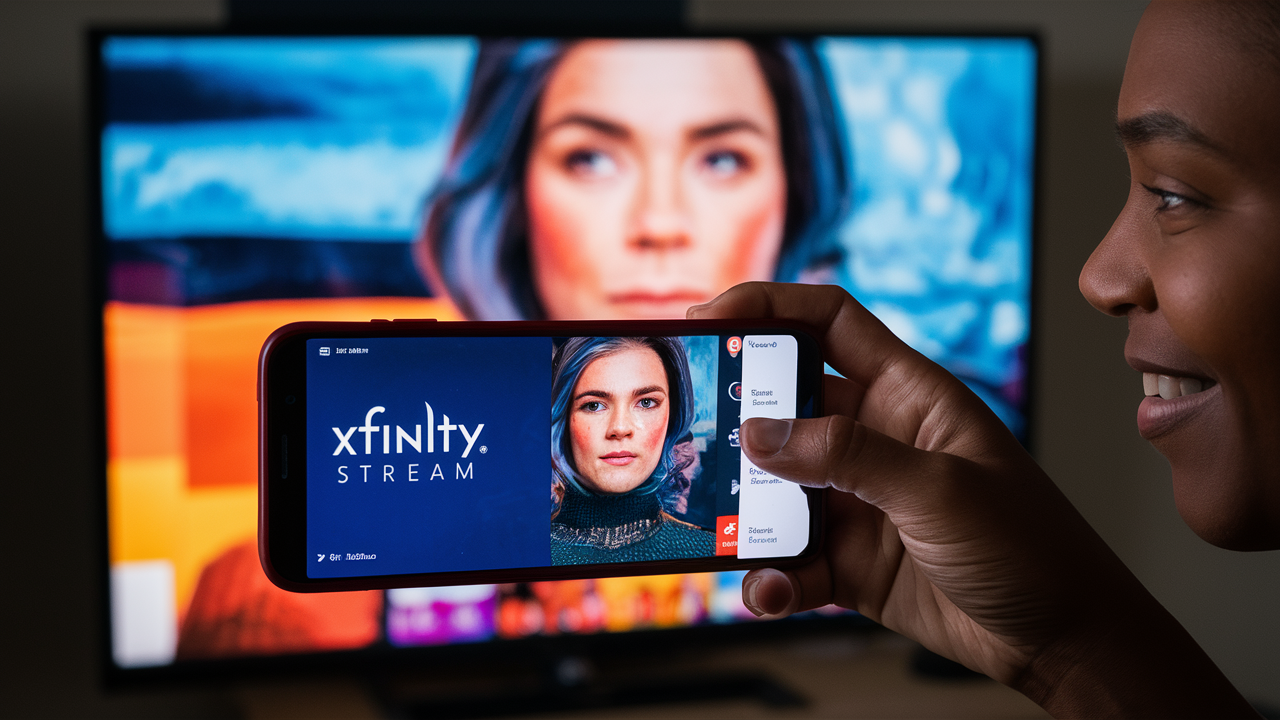
Unlock seamless entertainment with Xfinity Stream and Chromecast. This guide dives deep into whether Xfinity Stream fully supports Chromecast, offering clear steps, troubleshooting tips, and alternatives to ensure you can cast your favorite shows and movies to your TV without hassle. Get ready for a superior streaming experience.
Understanding Xfinity Stream and Chromecast Integration
Xfinity Stream is Comcast's comprehensive entertainment platform, offering live TV, on-demand content, DVR recordings, and more, accessible across various devices. Chromecast, on the other hand, is a popular digital media player developed by Google. It plugs into your TV's HDMI port and uses your Wi-Fi network to stream content from your smartphone, tablet, or computer. The allure of Chromecast lies in its ability to transform any TV into a smart TV, allowing users to cast content from a multitude of apps directly to their television screen. This seamless integration is what many users desire for their Xfinity Stream experience, enabling them to enjoy their subscribed content on a larger display without needing a dedicated smart TV or set-top box.
The core question for many Xfinity subscribers is whether these two technologies play well together. Can you easily cast your Xfinity Stream library, including live channels and DVR recordings, to your TV using a Chromecast device? This involves understanding how casting protocols work and whether Xfinity Stream has officially enabled this functionality. In 2025 and 2026, with the continued prevalence of streaming and smart home devices, this integration is more relevant than ever. Users are looking for flexible ways to consume their paid television services, and casting offers a cost-effective and convenient solution compared to purchasing additional cable boxes or smart TVs.
The Xfinity Stream app itself is designed to be versatile, available on iOS, Android, and web browsers. This broad availability is a good starting point, but direct casting support requires specific implementation within the app's architecture. Google's Chromecast technology relies on apps implementing the Cast SDK (Software Development Kit). When an app supports Chromecast, you'll typically see a cast icon within the app's interface. Tapping this icon allows you to select your Chromecast device and initiate playback on your TV. The complexity arises from how Xfinity Stream handles DRM (Digital Rights Management) and content licensing, which can sometimes influence third-party integration capabilities.
Furthermore, the user experience is paramount. Even if technical compatibility exists, a clunky or unreliable casting experience can be frustrating. Users expect a smooth transition from their mobile device to their TV, with minimal buffering, easy playback control, and high-quality video and audio. This means not only that Xfinity Stream *can* cast, but that it does so effectively and reliably. We will explore the current state of this integration, looking at official statements from Comcast, user experiences, and the technical underpinnings that dictate its success.
Xfinity Stream and Chromecast: The Compatibility Verdict
As of late 2025 and into 2026, the direct, officially supported integration of Xfinity Stream with Google Chromecast is **limited and often indirect**. While the Xfinity Stream app on mobile devices (iOS and Android) does not natively feature a prominent cast icon for direct casting of all content, there are workarounds and specific scenarios where casting is possible. This is a nuanced answer, and it's crucial to understand the distinctions.
Comcast has not explicitly advertised or prioritized Chromecast integration for the Xfinity Stream app in the same way many other streaming services have. This means you won't typically find a dedicated "Cast" button within the Xfinity Stream app itself that allows you to send live TV channels, DVR recordings, or on-demand titles directly to your Chromecast device from the app's primary playback interface. This lack of direct support is a significant point of differentiation compared to services like Netflix, YouTube, or Hulu, which have robust Chromecast functionality.
However, this doesn't mean casting is entirely impossible. The primary method for casting Xfinity Stream content to a Chromecast involves using the **screen mirroring** feature available on most Android devices. This feature essentially mirrors whatever is displayed on your Android phone or tablet screen onto your Chromecast-connected TV. If you open the Xfinity Stream app on your Android device and play content, you can then use Android's built-in casting functionality to mirror that screen.
Key points regarding compatibility:
- Direct Casting: Generally not available within the Xfinity Stream app for most content types (live TV, DVR, VOD).
- Screen Mirroring (Android): The most common workaround. Mirrors the entire device screen, including the Xfinity Stream app's playback.
- iOS Limitations: Screen mirroring from iOS devices to Chromecast is typically more restricted and less reliable for app-based content compared to Android.
- Web Browser Casting: Some users report success casting from the Xfinity Stream web portal (stream.xfinity.com) using the Chrome browser's built-in casting feature, though this can also be inconsistent.
- Content Restrictions: Even with screen mirroring, certain content might be subject to DRM restrictions that prevent it from being mirrored effectively, leading to black screens or error messages.
This situation is not uncommon for some cable provider apps. Companies often prioritize their own proprietary hardware and platforms or focus on developing their native apps for smart TVs and streaming devices. The lack of direct Chromecast integration means that users relying solely on this method might find the experience less seamless than with other streaming services. For instance, while you can mirror your screen, you lose the ability to use your phone for other tasks without interrupting the cast, and the playback controls are managed through the app on your phone, not directly on the TV interface.
Looking at 2025-26 trends, the demand for flexible content access continues to grow. Many users subscribe to Xfinity not just for traditional cable but also for the flexibility of the Stream app. The absence of robust Chromecast support remains a notable gap in the user experience for those who have invested in Google's casting ecosystem. While Comcast does offer its own Xfinity Flex streaming box, which integrates various apps, it's a separate device and not a direct replacement for the ubiquity and simplicity of Chromecast.
In summary, while Xfinity Stream doesn't offer native, one-click Chromecast support for all its content, it's not entirely incompatible. The primary method involves using Android's screen mirroring feature. However, users should temper expectations for a fully integrated, app-level casting experience akin to what they might find with other major streaming platforms.
Step-by-Step Guide: Casting Xfinity Stream to Chromecast
Given the compatibility landscape, the most reliable method to get Xfinity Stream onto your Chromecast-enabled TV is through screen mirroring on an Android device. Here’s a detailed breakdown of how to achieve this.
Method 1: Using Android Screen Mirroring
This method works by mirroring your entire Android device's screen to your Chromecast. Ensure both your Android device and your Chromecast are connected to the same Wi-Fi network.
- Open the Xfinity Stream App: Launch the Xfinity Stream app on your Android smartphone or tablet. Log in with your Xfinity credentials if prompted.
- Select Content: Navigate through the app and choose the live channel, on-demand movie, or DVR recording you wish to watch.
- Start Playback: Begin playing the content within the Xfinity Stream app on your device.
-
Access Casting Options:
- On most Android devices (Android 5.0 and later), you can access quick settings by swiping down from the top of the screen. Look for a "Cast," "Screen Cast," "Smart View," or "Mirroring" option. The exact name may vary depending on your device manufacturer (e.g., Samsung, Google Pixel, OnePlus).
- Tap on this option. Your device will begin scanning for available casting devices on your network.
- Select Your Chromecast: From the list of detected devices, select your Chromecast device.
- Confirm Connection: Your Android device's screen should now appear on your TV. The Xfinity Stream app, with your chosen content playing, will be visible.
- Control Playback: You can control playback (play, pause, rewind, fast-forward) directly from the Xfinity Stream app on your Android device. The TV will simply mirror what you do on your phone or tablet.
Important Considerations for Screen Mirroring:
- Battery Drain: Screen mirroring can consume significant battery power on your Android device. It's advisable to keep your device plugged in if you plan for extended viewing sessions.
- Other Apps Interruption: If you switch to another app on your Android device or receive a notification that takes over the screen, it will also be mirrored. To avoid this, you might need to keep the Xfinity Stream app in the foreground.
- Content Blackouts: Some content, particularly live sports or premium channels, might have Digital Rights Management (DRM) that prevents screen mirroring. In such cases, you might see a black screen or an error message on your TV, even though the content is playing on your device.
- Video Quality: The quality of the mirrored stream depends on your Wi-Fi network strength and the processing power of your Android device.
Method 2: Casting from the Xfinity Stream Web Portal (Experimental)
Some users have reported success casting from the Xfinity Stream web portal (stream.xfinity.com) using Google Chrome's built-in casting feature. This method is less consistent than screen mirroring but can be an option if you're using a computer.
- Access the Web Portal: Open the Google Chrome browser on your computer and navigate to stream.xfinity.com. Log in with your Xfinity credentials.
- Select Content: Choose the content you wish to watch.
-
Initiate Chrome Casting:
- Click the three vertical dots (menu icon) in the top-right corner of the Chrome browser.
- Select "Cast..."
- Choose Source: In the Cast tab that appears, click the dropdown arrow next to "Sources." You will have options like "Tab," "Desktop," or "File." To cast the Xfinity Stream website, you'll likely want to select "Desktop" to mirror your entire computer screen, or ensure the Xfinity Stream tab is active and select "Tab."
- Select Your Chromecast: Choose your Chromecast device from the list.
- Play Content: Once casting is active, play the content on the Xfinity Stream website.
Caveats for Web Portal Casting:
- Performance: Casting your entire desktop can be resource-intensive and may lead to lag or lower quality.
- Inconsistency: This method is often reported as less reliable than native app casting or even Android screen mirroring.
- DRM Issues: Similar to mobile screen mirroring, DRM can interfere with casting from the web portal.
For the most reliable experience in 2025-26, relying on Android screen mirroring is the primary way to get Xfinity Stream content onto a Chromecast. Always ensure your devices and network are up-to-date and functioning optimally.
Troubleshooting Common Xfinity Stream & Chromecast Issues
Even with the best intentions, technology can sometimes be finicky. If you're encountering problems casting Xfinity Stream to your Chromecast, here are some common issues and their solutions.
Issue 1: Chromecast Not Appearing in the List of Devices
Possible Causes:
- Devices are not on the same Wi-Fi network.
- Chromecast is not powered on or is not set up correctly.
- Router settings are blocking device discovery (e.g., AP isolation).
- Firewall on your computer (if casting from web).
Solutions:
- Verify Wi-Fi Connection: Double-check that both your Android device (or computer) and your Chromecast are connected to the exact same Wi-Fi network name (SSID).
- Restart Devices: Power cycle your Chromecast (unplug it from the power source for 30 seconds, then plug it back in), your router, and your Android device/computer.
- Check Router Settings: Log into your router's administration page and ensure that "AP Isolation" or "Client Isolation" is disabled. This setting prevents devices on the same network from communicating with each other.
- Update Chromecast Firmware: Ensure your Chromecast has the latest firmware updates. This usually happens automatically, but a restart can sometimes trigger an update check.
- Re-setup Chromecast: If issues persist, consider factory resetting your Chromecast and going through the setup process again using the Google Home app.
Issue 2: Content Not Playing or Showing a Black Screen
Possible Causes:
- Digital Rights Management (DRM) restrictions on the specific content.
- Outdated Xfinity Stream app or Chromecast firmware.
- Network congestion or weak Wi-Fi signal.
- Interference from other apps or processes on your casting device.
Solutions:
- Try Different Content: Test with a different live channel, on-demand movie, or DVR recording. If some content works and others don't, it's likely a DRM issue specific to the problematic content.
- Update Apps and Firmware: Ensure your Xfinity Stream app is updated to the latest version from your device's app store. Also, ensure your Chromecast firmware is up-to-date (as mentioned in Issue 1).
- Improve Wi-Fi Signal: Move your Chromecast closer to your router, or consider a Wi-Fi extender if your signal is weak. Reduce the number of devices actively using your network simultaneously.
- Close Background Apps: On your Android device, close any unnecessary apps running in the background that might be consuming resources or interfering with the stream.
- Check Xfinity Service Status: Occasionally, service outages or issues with Xfinity's streaming servers can affect playback. Check the Xfinity status page or app for any known issues in your area.
Issue 3: Lagging, Buffering, or Poor Video/Audio Quality
Possible Causes:
- Weak Wi-Fi signal strength.
- Network congestion.
- Insufficient processing power on the casting device (especially with screen mirroring).
- Issues with the Chromecast device itself.
Solutions:
- Optimize Wi-Fi: As mentioned above, ensure a strong Wi-Fi signal. Try connecting your router to a different channel if you suspect interference from neighbors' networks.
- Reduce Network Load: Temporarily pause other high-bandwidth activities on your network, such as large downloads, other streaming devices, or online gaming.
- Use a Wired Connection (for Computer Casting): If casting from a computer via the web portal, a wired Ethernet connection to your router will provide a more stable and faster connection than Wi-Fi.
- Restart Chromecast: A simple restart of the Chromecast can sometimes resolve performance glitches.
- Consider a Newer Chromecast Model: Older Chromecast models might struggle with higher-resolution streams or more demanding casting scenarios. If you consistently have issues, an upgrade might be beneficial.
Issue 4: Screen Mirroring Stops Unexpectedly
Possible Causes:
- Your Android device went to sleep or locked its screen.
- You switched to another app that took over the screen.
- Low battery on your Android device.
- Network interruption.
Solutions:
- Keep Device Awake: Ensure your Android device's screen doesn't automatically turn off while casting. You can adjust this in your device's display or battery settings.
- Maintain App Foreground: Keep the Xfinity Stream app as the active application on your Android device.
- Charge Your Device: Keep your Android device plugged in during casting sessions.
- Stable Network: Ensure your Wi-Fi connection remains stable throughout the session.
By systematically working through these troubleshooting steps, you can resolve most common issues and enjoy a smoother Xfinity Stream experience on your Chromecast-enabled TV. Remember that the screen mirroring method, while functional, is a workaround and may not always be as seamless as native app integration.
Alternatives to Chromecast for Xfinity Stream Viewing
While Chromecast is a popular choice for many, its indirect support for Xfinity Stream might lead some users to explore alternative methods for enjoying their content on a larger screen. Fortunately, there are several other viable options available in 2025-26 that offer more direct and potentially more stable integration.
1. Xfinity Flex Streaming Box
Comcast's own streaming box, Xfinity Flex, is designed to provide a unified gateway to your Xfinity services and other popular streaming apps.
- Direct Integration: Flex offers direct access to the Xfinity Stream app, allowing you to browse and watch live TV, On Demand content, and DVR recordings seamlessly.
- Unified Interface: It provides a familiar interface for managing all your entertainment, often controlled by voice commands through the Xfinity remote.
- App Ecosystem: Beyond Xfinity Stream, Flex also supports popular apps like Netflix, Hulu, Amazon Prime Video, and Peacock, making it a comprehensive entertainment hub.
- Availability: Typically provided free of charge to Xfinity internet-only customers, or included with Xfinity TV packages.
For Xfinity customers, Flex is often the most straightforward and fully supported solution for accessing Xfinity Stream on a TV.
2. Smart TV Apps
Many modern televisions come with built-in smart capabilities, offering app stores where you can download streaming applications directly.
- Native Xfinity Stream App: Comcast has developed native Xfinity Stream apps for various smart TV platforms, including:
- Samsung Tizen
- LG webOS
- Roku TV (built on Roku OS)
- Amazon Fire TV (which powers Insignia, Toshiba, and other brands)
- Google TV / Android TV (Sony, TCL, Hisense, etc.)
- Direct Access: Once installed, you log in with your Xfinity credentials, and the app provides a direct, optimized experience for TV viewing.
- No Extra Hardware: If you already own a smart TV, this option requires no additional hardware purchases.
The availability and performance of the Xfinity Stream app can vary slightly by smart TV platform, but it generally offers a superior experience compared to screen mirroring.
3. Streaming Devices (Roku, Fire TV, Apple TV, Google TV/Android TV)
Dedicated streaming devices are excellent alternatives that bridge the gap between smart TVs and traditional cable boxes.
- Roku Devices: Roku offers a wide range of streaming players and Roku TV models. The Xfinity Stream app is available on the Roku platform, providing a robust viewing experience.
- Amazon Fire TV Devices: Fire TV Sticks, Cubes, and Fire TV Edition smart TVs also host the Xfinity Stream app. This is a popular choice for its integration with Alexa.
- Apple TV: While there isn't a dedicated Xfinity Stream app for Apple TV, users can often leverage AirPlay from an iOS device to cast content to an Apple TV. However, this is similar to screen mirroring and might have limitations.
- Google TV / Android TV Devices: Devices running Google TV or Android TV (like Chromecast with Google TV, Nvidia Shield, or certain smart TVs) can also download the Xfinity Stream app directly from the Google Play Store.
These devices often provide a more fluid and feature-rich experience than relying on screen mirroring, with dedicated remotes and optimized interfaces.
4. Casting from a Computer to a Smart TV or Streaming Device
If you're using the Xfinity Stream web portal on a computer, you can sometimes cast your browser window or desktop to a smart TV or streaming device that supports casting protocols (like Miracast or AirPlay, depending on your devices).
- Miracast: Many Windows PCs and some smart TVs support Miracast for screen mirroring.
- AirPlay: Macs and Apple TVs support AirPlay.
This method is generally less direct than using a dedicated app but can be a fallback if other options are unavailable.
When choosing an alternative, consider your existing hardware, budget, and desired level of integration. For most users seeking a direct and reliable Xfinity Stream experience on their TV in 2025-26, utilizing the Xfinity Flex box or installing the native Xfinity Stream app on a compatible smart TV or streaming device are the recommended paths.
Optimizing Your Streaming Experience with Xfinity Stream and Casting
Achieving a consistently high-quality streaming experience with Xfinity Stream, especially when using casting methods like Chromecast, involves more than just ensuring compatibility. It requires a holistic approach to your home network and device setup. In 2025-26, with higher bandwidth demands and more connected devices, network optimization is crucial.
1. Network Infrastructure is Key
Your home Wi-Fi network is the backbone of your streaming experience.
- Router Quality: Ensure you have a modern router, preferably Wi-Fi 6 (802.11ax) or Wi-Fi 6E, capable of handling multiple high-bandwidth streams simultaneously. Older routers (Wi-Fi 4/802.11n or earlier) can become bottlenecks.
- Router Placement: Position your router in a central, open location in your home, away from obstructions like thick walls, metal objects, or appliances that can cause interference (e.g., microwaves).
- Mesh Wi-Fi Systems: For larger homes or areas with weak Wi-Fi coverage, consider a mesh Wi-Fi system. These systems use multiple nodes to create a seamless, strong Wi-Fi signal throughout your entire home, ensuring consistent connectivity for your Chromecast and casting device.
- Band Steering: If your router supports it, enable band steering. This feature automatically connects devices to the optimal Wi-Fi band (2.4GHz or 5GHz) based on signal strength and performance needs. For streaming, the 5GHz band is generally preferred due to its higher speeds, though it has a shorter range.
2. Optimize Your Casting Device
The device you use to initiate the cast also plays a role.
- Android Devices: Keep your Android device's operating system and the Xfinity Stream app updated. Close unnecessary background applications to free up processing power and memory. If using screen mirroring, ensure your device is not overheating, as this can throttle performance.
- Computers: If casting from a web browser, ensure your computer meets the minimum system requirements for smooth operation. Close unnecessary browser tabs and applications. Using a wired Ethernet connection for your computer will significantly improve stability and speed compared to Wi-Fi.
3. Chromecast Device Health
Even your Chromecast device needs attention.
- Power Source: Ensure your Chromecast is powered by its dedicated power adapter, not a USB port on the TV. TV USB ports often provide insufficient power, leading to performance issues or intermittent connectivity.
- Firmware Updates: As mentioned, keep your Chromecast firmware updated. A simple restart can often resolve temporary glitches.
- Proximity: While Chromecast doesn't need to be physically close to the router, a strong Wi-Fi signal reaching it is essential.
4. Content and App Settings
Sometimes, settings within the Xfinity Stream app or the content itself can affect quality.
- Video Quality Settings: While Xfinity Stream might not offer granular video quality settings within the app for casting, ensure your casting device's overall display settings are appropriate.
- DVR Recordings: The quality of a DVR recording is determined at the time of recording. If the original recording quality was low, casting won't improve it.
5. Testing and Monitoring
Regularly test your setup. If you notice degradation in quality, perform a quick restart of your router, Chromecast, and casting device. You can also use network speed test apps on your casting device to check your Wi-Fi speeds to ensure they are adequate for streaming (typically at least 5-10 Mbps for HD content).
By implementing these optimization strategies, you can significantly enhance the reliability and quality of your Xfinity Stream viewing experience when casting to a Chromecast or other compatible devices. This proactive approach ensures you get the most out of your subscription and technology investments in 2025-26.
The Future of Xfinity Stream and Casting Technology
The landscape of home entertainment is constantly evolving, driven by user demand for convenience, flexibility, and seamless integration. For Xfinity Stream and its compatibility with casting technologies like Chromecast, the future holds potential for both improvement and continued evolution. As of 2025-26, while direct Chromecast support remains a gap, several trends suggest how this might change.
1. Increased Demand for Native App Integration
Users have grown accustomed to the ease of one-tap casting offered by major streaming services. The expectation is that more content providers, including cable companies, will prioritize developing robust integrations with popular casting platforms. This could mean Comcast eventually updating the Xfinity Stream app to include native Chromecast support, allowing for a more direct and intuitive user experience. This would involve implementing the Cast SDK and ensuring DRM compatibility for all content types.
2. Evolution of Smart TV and Streaming Device Ecosystems
Smart TVs and dedicated streaming devices (Roku, Fire TV, Google TV) continue to gain market share. As these platforms become more sophisticated, the need for intermediary solutions like screen mirroring diminishes. We can expect to see Xfinity continue to invest in its native apps for these platforms, offering a more streamlined experience. The Xfinity Flex box is already a testament to this strategy, aiming to consolidate content access. Future iterations of Flex or similar devices might offer even deeper integration with Comcast's services and third-party apps.
3. Advancements in Casting Technology
Google is continuously updating its Chromecast technology. Future versions might offer improved performance, better codec support, and enhanced security features that could make it easier for content providers to integrate their apps. Similarly, other casting technologies and protocols are evolving, potentially offering new ways for devices to communicate and stream content.
4. Shift Towards Cloud-Based Services and AI
The trend towards cloud-based services and AI-driven experiences is undeniable. In the future, we might see Xfinity Stream leverage AI to personalize content recommendations more effectively or even to optimize streaming quality based on network conditions in real-time. Cloud-based rendering could also play a role, potentially simplifying the process of delivering content to various devices, including casting targets.
5. Potential for Enhanced Screen Mirroring or Alternative Protocols
While native integration is ideal, if direct Chromecast support remains elusive, there's potential for improvements in screen mirroring technology or the adoption of alternative, more efficient casting protocols. This could involve more intelligent mirroring that only sends the video stream rather than the entire screen, or protocols that offer better performance and less battery drain on the casting device.
6. Comcast's Strategic Decisions
Ultimately, the future of Xfinity Stream's casting capabilities will depend on Comcast's strategic priorities. Their focus might remain on their own hardware (like Xfinity Flex) and smart TV apps, or they may see value in broader compatibility with platforms like Chromecast to cater to a wider audience. Market competition and user feedback will undoubtedly influence these decisions.
For users in 2025-26, the current situation requires a pragmatic approach: utilize the most reliable workaround (Android screen mirroring) or opt for more integrated solutions like native smart TV apps or dedicated streaming devices. As technology advances, the hope is for a future where Xfinity Stream offers the same level of seamless casting convenience that users have come to expect from other leading digital entertainment platforms.
In conclusion, while Xfinity Stream's direct integration with Chromecast is currently limited, workarounds like Android screen mirroring offer a functional, albeit imperfect, solution. For a truly seamless experience, users are best advised to explore native smart TV apps, dedicated streaming devices, or Comcast's own Xfinity Flex box. By understanding the available options and optimizing your network, you can enjoy your Xfinity entertainment on the big screen.