Does AT&T provide signal boosters?
This comprehensive guide directly answers whether AT&T provides signal boosters, exploring their official stance, alternatives, and how to improve your AT&T mobile reception in 2025-26. Discover your best options for a stronger signal.
Introduction: The Quest for a Stronger AT&T Signal
In today's hyper-connected world, a reliable mobile signal isn't a luxury; it's a necessity. Whether for work, staying in touch with loved ones, or accessing essential services, a weak AT&T signal can be incredibly frustrating. Many users find themselves searching for solutions, often wondering if their carrier offers direct assistance in the form of signal boosters. This guide delves deep into AT&T's approach to signal enhancement, clarifying their policies and presenting the most effective strategies for improving your reception in 2025-26.
AT&T's Official Stance on Signal Boosters
The direct answer to whether AT&T *provides* signal boosters is nuanced. Historically, AT&T, like many major carriers, has not directly manufactured or distributed their own branded signal boosters for customer purchase or installation in the same way they might offer a modem or router. Instead, their strategy has evolved to focus on network expansion and leveraging existing technologies that users can implement themselves.
The Evolution of Carrier Support for Signal Improvement
In the past, carriers were more hesitant to endorse third-party signal boosters due to potential interference with their network. However, as customer demand for better indoor coverage has grown, and with the advent of technologies like Wi-Fi calling, the landscape has shifted. AT&T's current approach prioritizes solutions that are compatible with their network and minimize the risk of causing disruptions.
Understanding "Signal Booster" vs. "Network Extender"
It's crucial to differentiate between a traditional "signal booster" (often referred to as a cellular repeater or amplifier) and what AT&T might offer as a "network extender." A signal booster typically takes an existing weak signal from outside, amplifies it, and rebroadcasts it indoors. A network extender, on the other hand, often leverages your existing broadband internet connection to create a localized cell signal, essentially acting as a mini cell tower.
AT&T's Focus: Network Expansion and Wi-Fi Calling
AT&T's primary investments in improving signal coverage are through the continuous expansion and densification of their cellular network. This includes deploying more cell towers, upgrading existing infrastructure to 5G, and optimizing signal strength in areas that have historically been underserved. For indoor coverage issues, AT&T has heavily promoted and relies on Wi-Fi Calling as a primary solution.
The Role of Wi-Fi Calling
Wi-Fi Calling allows your AT&T phone to make and receive calls and texts over your Wi-Fi network when you have little to no cellular signal. This feature is built into most modern smartphones and is generally enabled by default. It's a highly effective way to overcome poor cellular reception indoors, provided you have a stable Wi-Fi connection. AT&T actively encourages users to utilize this feature, and it's often the first recommendation they provide for indoor coverage problems.
Third-Party Boosters: Compatibility and Considerations
While AT&T doesn't sell its own boosters, they do acknowledge the existence and utility of third-party signal boosters. However, they emphasize that these devices must be registered with the carrier to ensure they meet specific technical requirements and do not interfere with the AT&T network. This registration process is a critical step for anyone considering a third-party amplifier.
Registration Requirements for Third-Party Boosters
The Federal Communications Commission (FCC) and carriers like AT&T require that all signal boosters be registered. This is to prevent unauthorized devices from causing harmful interference to wireless services. The registration process typically involves providing details about the booster, its location, and its intended use. AT&T provides information on their website detailing how to register a signal booster.
Why the Indirect Approach?
Carriers often adopt an indirect approach to signal boosters for several reasons:
- Network Integrity: Ensuring that any amplification technology doesn't disrupt the broader network is paramount.
- Technical Expertise: The installation and proper tuning of signal boosters can be complex.
- Customer Support Burden: Directly supporting a wide range of third-party hardware could be overwhelming.
- Technological Evolution: Carriers prefer to push their own evolving network technologies and solutions like Wi-Fi Calling.
In essence, AT&T's official stance is that they don't *provide* their own branded boosters but support the use of compliant, registered third-party devices and strongly advocate for Wi-Fi Calling as the primary solution for indoor coverage gaps.
Types of Signal Boosters and Their Functionality
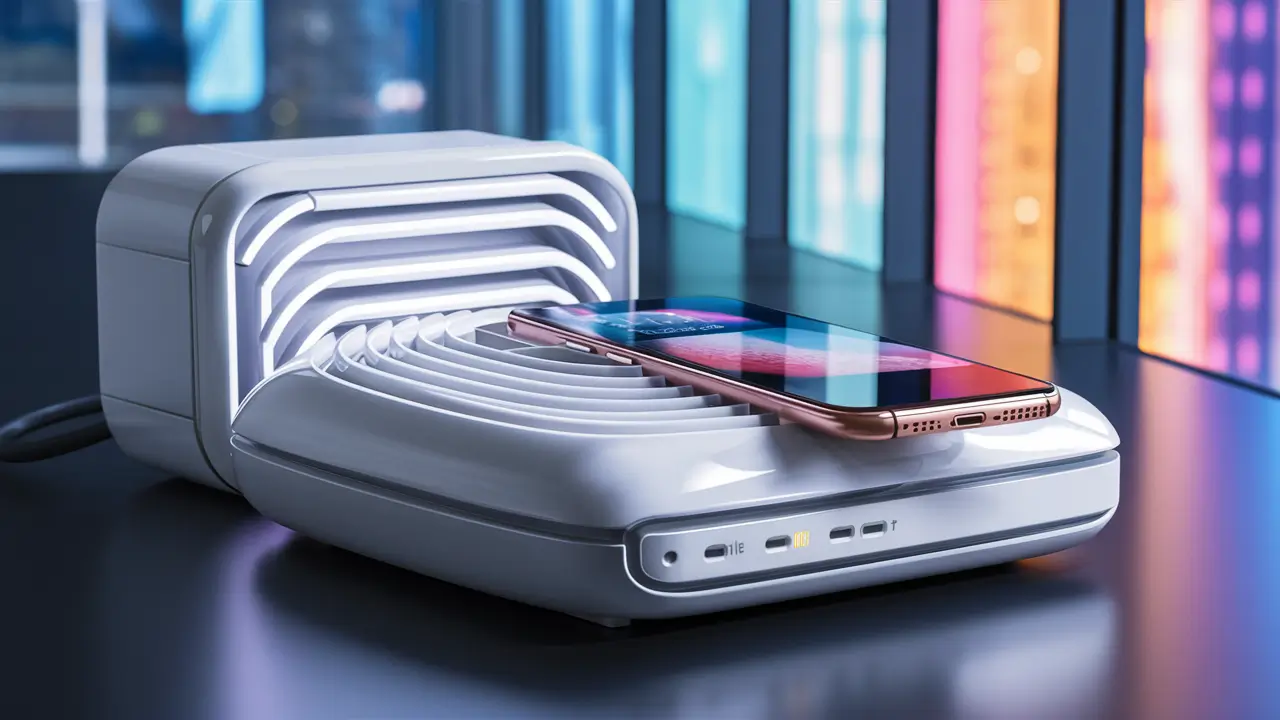
For users experiencing weak AT&T signals, understanding the different types of signal boosters available is crucial. While AT&T doesn't sell them directly, third-party options are the primary route if Wi-Fi Calling isn't sufficient or feasible. These devices work by capturing a weak cellular signal, amplifying it, and then rebroadcasting it to improve coverage within a specific area.
How Cellular Signal Boosters Work
At their core, cellular signal boosters are a three-part system:
- Outdoor Antenna: This antenna is placed in a location with the strongest possible cellular signal, often on a roof or exterior wall. It captures the available signal from the nearest AT&T tower.
- Amplifier (Booster Unit): The captured signal is sent via coaxial cable to the amplifier unit, which is usually located indoors. This unit boosts the signal strength significantly.
- Indoor Antenna: The amplified signal is then broadcast throughout the desired indoor area by the indoor antenna. This provides a stronger signal to your mobile devices.
Categories of Signal Boosters
Signal boosters generally fall into two main categories, based on their coverage area:
1. Wide-Area or Building Boosters
These are powerful systems designed to cover larger spaces, such as entire homes, multi-story buildings, offices, or commercial spaces. They typically involve more complex installations, with separate outdoor and indoor antennas connected by extensive cabling. These are the most robust solutions for significant dead zones.
- Pros: Extensive coverage, significant signal improvement, can serve multiple users and devices simultaneously.
- Cons: Higher cost, requires professional installation or advanced DIY skills, needs a reasonably strong signal source outside to be effective.
2. Personal or Mini Boosters
These are smaller, more portable, and less powerful units. They are often intended for smaller spaces like a single room, a car, or a small apartment. Their range is more limited compared to wide-area boosters.
- Pros: More affordable, easier to install, suitable for specific problem areas.
- Cons: Limited coverage area, less powerful amplification, may not be sufficient for widespread coverage issues.
Key Components and Technologies
When looking at third-party boosters, consider these technical aspects:
- Frequency Bands: A booster must support the specific frequency bands used by AT&T in your area for the services you need (e.g., 4G LTE, 5G). AT&T utilizes a range of bands, including AWS, PCS, and lower frequency bands for broader coverage. Ensure the booster is compatible with these.
- Gain (dB): This measures how much the booster amplifies the signal. Higher gain means stronger amplification, but also a greater potential for interference if not properly configured.
- Coverage Area (Sq. Ft.): Manufacturers provide estimates for the square footage a booster can cover. This is highly dependent on the initial signal strength and building materials.
- Certifications: Look for boosters that are FCC-certified and meet carrier requirements.
Important Considerations for Third-Party Boosters
Before purchasing and installing a third-party signal booster, it's essential to:
- Check AT&T's Network Coverage Map: Ensure there is at least some signal available outside your home or office. A booster cannot create a signal where none exists.
- Identify Signal Frequencies: Use a signal meter app or consult AT&T's technical support to understand which frequency bands are being used in your location.
- Register the Device: As mentioned, AT&T requires registration of all signal boosters. Failure to do so can result in service disruption.
- Understand Installation: Proper placement of the outdoor and indoor antennas is critical for optimal performance and to avoid oscillation (feedback loops).
While AT&T doesn't sell these devices, understanding their functionality is key to choosing a compatible and effective solution if Wi-Fi Calling isn't enough.
AT&T Approved Devices and Wi-Fi Calling
When discussing AT&T and signal enhancement, the most prominent "approved" solution they actively promote is not a traditional signal booster but rather the utilization of their Wi-Fi Calling feature, coupled with compatible devices. This is AT&T's primary strategy for addressing indoor coverage gaps.
The Power of Wi-Fi Calling
Wi-Fi Calling leverages your existing broadband internet connection to make and receive voice calls and text messages. When your smartphone detects a weak or non-existent cellular signal but is connected to a Wi-Fi network, it can automatically switch to using Wi-Fi for your calls and texts. This is particularly effective in areas with poor AT&T cellular coverage but a strong, reliable Wi-Fi signal.
Benefits of Wi-Fi Calling
- Seamless Transition: Most modern smartphones automatically handle the switch between cellular and Wi-Fi networks for calls.
- Cost-Effective: It uses your existing internet service, so there are no additional charges from AT&T for calls made over Wi-Fi.
- Extended Coverage: It effectively extends your AT&T service to areas where cellular signals are weak or unavailable, provided Wi-Fi is present.
- Crystal Clear Calls: High-quality broadband internet can often provide clearer call quality than a weak cellular signal.
- Emergency Services (E911): AT&T has implemented E911 services for Wi-Fi Calling. Your registered E911 address is transmitted to emergency services when you call 911. It's crucial to keep this address updated in your AT&T account settings.
Ensuring Your Device Supports Wi-Fi Calling
The vast majority of smartphones sold in the last several years support Wi-Fi Calling. This includes most iPhones (iOS 10 and later) and Android devices from major manufacturers like Samsung, Google Pixel, and others.
- For iPhone Users: Wi-Fi Calling is typically found under Settings > Phone > Wi-Fi Calling. Ensure it's toggled ON.
- For Android Users: The exact location can vary by manufacturer and Android version, but it's commonly found in Settings under "Network & Internet," "Connections," "Mobile Networks," or a similar category. Look for an option labeled "Wi-Fi Calling."
If your device doesn't have the option, it might be an older model or a device not designed for AT&T's network features. In such cases, upgrading your phone might be the most straightforward solution.
AT&T Network Extenders (Femtocells)
In some specific cases, AT&T has offered "Network Extenders" which are essentially small, indoor base stations (femtocells) that connect to your home broadband internet. These devices create a localized AT&T cellular signal within your home or office, acting like a mini cell tower. Unlike third-party boosters, these are AT&T-provided devices.
- Availability: AT&T's availability of these devices can vary, and they are often provided on a case-by-case basis, sometimes requiring specific eligibility criteria or a monthly fee.
- Functionality: They provide a dedicated cellular signal, independent of Wi-Fi.
- Installation: They require a stable broadband internet connection and are generally plug-and-play, though setup may involve some configuration.
While not as widely promoted as Wi-Fi Calling, AT&T Network Extenders are a direct solution they can provide for persistent indoor coverage issues where Wi-Fi Calling is not an option or is insufficient.
Compatibility and Device Requirements
For both Wi-Fi Calling and potential Network Extenders, having a compatible device is key. AT&T maintains a list of compatible devices on their website. Using an unapproved device might mean you cannot access these features.
Key Takeaway: AT&T's primary "approved" solution for weak indoor signals is Wi-Fi Calling, which is integrated into most modern smartphones. For more persistent issues, they may offer Network Extenders. Traditional third-party signal boosters are permitted but require registration.
Alternatives to Boosters for AT&T Users
While the term "signal booster" often comes to mind first when dealing with weak cellular reception, there are several other effective strategies and technologies that AT&T users can employ in 2025-26 to improve their mobile signal without necessarily resorting to a third-party amplifier.
1. Wi-Fi Calling (Revisited)
As detailed previously, this remains AT&T's preferred and most accessible solution for indoor coverage. If you have a stable Wi-Fi connection, enabling Wi-Fi Calling on a compatible smartphone is the easiest and most cost-effective way to ensure you can make calls and send texts even with zero AT&T cellular bars.
- Action: Check your phone's settings and ensure Wi-Fi Calling is enabled. Update your E911 address.
2. AT&T Network Extenders (Femtocells)
If Wi-Fi Calling is not an option (e.g., unstable Wi-Fi, older phone, or preference for direct cellular signal), inquire with AT&T about their Network Extender program. These devices create a localized cellular signal using your broadband internet connection.
- Action: Contact AT&T customer support to determine eligibility and availability in your area.
3. Strategic Device Placement
Sometimes, the solution is as simple as finding the "sweet spot" for your signal. Cellular signals can be affected by building materials, location within a building, and even the time of day.
- Indoors: Move closer to windows, higher floors, or open areas. Basements and interior rooms are often the worst.
- Outdoors: Even a few feet can make a difference. Standing in an open area away from large obstructions can improve signal strength.
- Action: Use your phone's signal indicator or a signal strength app to test different locations.
4. Smartphone Case Optimization
Certain smartphone cases, especially those with metallic components or thick materials, can sometimes interfere with cellular signals. While less common with modern designs, it's worth considering.
- Action: Temporarily remove your phone case and test the signal strength. If it improves, consider a different case.
5. Software Updates
Mobile operating systems and carrier settings are frequently updated to improve network performance and compatibility. Ensuring your phone's software is up-to-date can sometimes resolve signal issues.
- Action: Check for and install any available software updates for your smartphone and carrier settings.
6. Network Optimization by AT&T
AT&T is continuously working to improve its network. If you are in an area with consistently poor service, it might be a known issue that AT&T is addressing.
- Action: Report persistent dead zones or poor signal areas to AT&T customer support. They can log these issues and use the data to prioritize network upgrades. Check AT&T's coverage maps for planned improvements in your area.
7. Utilizing LTE over 5G (If Applicable)
While 5G offers higher speeds, its range and penetration capabilities can sometimes be weaker than LTE, especially in certain frequency bands or in challenging environments. If you are experiencing issues specifically with 5G, you might consider temporarily forcing your phone to use LTE.
- Action: In your phone's network settings, you may find an option to select preferred network types (e.g., 5G/LTE/3G). Experiment with selecting LTE.
8. Evaluating Your Current Plan and Device
In some rare instances, older plans or devices might not be optimized for the latest network technologies. While less likely to be the primary cause of a weak signal, it's worth considering as part of a comprehensive review.
- Action: Review your current AT&T plan and ensure your device is fully compatible with their current network offerings.
These alternatives provide a range of options, from simple adjustments to leveraging AT&T's own services, that can often resolve weak signal issues before needing to explore third-party signal boosters. They are generally easier to implement and align directly with AT&T's supported solutions.
Troubleshooting Weak AT&T Signal
Experiencing a weak AT&T signal can be frustrating, but a systematic troubleshooting approach can help identify the cause and lead to a resolution. Whether you're at home, at work, or on the go, these steps can guide you through diagnosing and improving your connection in 2025-26.
Step 1: Assess the Scope of the Problem
Before diving into technical solutions, determine the extent of the issue.
- Is it just you? Ask others on AT&T if they are experiencing similar signal issues. If it's widespread, it points to a network problem.
- Where is the problem occurring? Is it only in a specific room, your entire house, your office, or a particular neighborhood?
- When did it start? Did the problem begin after a new construction project, a change in your environment, or a software update?
- What services are affected? Is it just calls, or are data speeds also slow? Are text messages failing to send?
Step 2: Check AT&T's Network Coverage Map
AT&T provides online coverage maps that show expected signal strength in different areas. This is a good starting point to see if your location is known to have weak coverage.
- Action: Visit the AT&T website and enter your address to view the coverage map. Pay attention to the distinction between 5G, 4G LTE, and 3G coverage.
Step 3: Verify Your Device's Signal Strength
Most smartphones have a signal indicator (bars), but for more precise measurements, you can often access a "field test mode."
- For iPhone: Dial *3001#12345#* and press Call. This opens Field Test Mode, showing detailed signal information (e.g., RSRP, RSSI).
- For Android: The method varies by device. Typically, go to Settings > About Phone > Status (or Network) > SIM Status. Look for "Signal strength" or similar metrics. You can also download third-party apps like "Network Cell Info Lite."
Interpreting Signal Strength: Lower negative numbers for RSRP (e.g., -80 dBm is better than -110 dBm) and higher numbers for RSSI (closer to 0 is better) generally indicate a stronger signal.
Step 4: Troubleshoot Your Immediate Environment
Several environmental factors can impact signal strength.
- Location within the building: Move to different rooms, floors, or closer to windows.
- Obstructions: Thick walls (especially concrete, brick, metal), energy-efficient windows, and large appliances can block signals.
- Interference: Other electronic devices, such as microwaves, cordless phones, or even certain LED lights, can sometimes cause interference.
Step 5: Restart Your Phone
A simple reboot can often resolve temporary glitches with your phone's cellular radio.
- Action: Turn your phone off completely, wait 30 seconds, and then turn it back on.
Step 6: Check for Software and Carrier Settings Updates
Outdated software can lead to various issues, including poor network connectivity.
- Action:
- iOS: Go to Settings > General > Software Update. For carrier settings, go to Settings > General > About. If an update is available, you'll be prompted.
- Android: Go to Settings > System > System update. For carrier settings, this is often bundled with system updates or found under Network & Internet settings.
Step 7: Test Wi-Fi Calling
If you have Wi-Fi, enable Wi-Fi Calling and see if it resolves your communication issues.
- Action: Follow the steps outlined in the "AT&T Approved Devices and Wi-Fi Calling" section to enable it. Test making a call or sending a text.
Step 8: Reset Network Settings
This will reset all network-related configurations on your phone, including Wi-Fi passwords, Bluetooth pairings, and cellular settings. It can often fix persistent connectivity problems.
- Action:
- iOS: Go to Settings > General > Transfer or Reset iPhone > Reset > Reset Network Settings.
- Android: Go to Settings > System > Reset options > Reset Wi-Fi, mobile & Bluetooth (or similar wording).
Note: You will need to re-enter Wi-Fi passwords and re-pair Bluetooth devices after this reset.
Step 9: Contact AT&T Customer Support
If none of the above steps resolve the issue, it's time to involve your carrier.
- Report the problem: Explain the troubleshooting steps you've already taken.
- Inquire about Network Extenders: Ask if a Network Extender is an option for your location.
- Check for Network Outages: Confirm there are no known outages in your area.
- Discuss Signal Booster Registration: If you are considering a third-party booster, confirm the registration process and requirements.
Step 10: Consider a Third-Party Signal Booster (as a last resort)
If AT&T cannot provide a direct solution and Wi-Fi Calling is not viable, a registered third-party signal booster might be your next step. Ensure you purchase a reputable brand that supports AT&T's frequency bands and is FCC-certified.
By following these troubleshooting steps systematically, you can effectively diagnose and address most weak AT&T signal issues, ensuring better connectivity when you need it most.
Choosing the Right Solution for Your Needs
Navigating the options for improving your AT&T signal can seem complex, but by understanding your specific situation and the available solutions, you can make an informed decision. AT&T's approach, as we've explored, leans heavily towards Wi-Fi Calling and network expansion, with third-party boosters requiring careful consideration and registration.
Assessing Your Primary Need
The first step is to clearly define what you need the signal improvement for:
- Occasional dropped calls or slow data in specific spots? Simple troubleshooting, device placement, or Wi-Fi Calling might suffice.
- Consistent poor signal throughout your home or office? This points towards a more systemic issue requiring a robust solution.
- Need for reliable voice calls and texts even with no cellular signal? Wi-Fi Calling or a Network Extender is ideal.
- Desire for enhanced cellular data speeds indoors? This is where boosters or Network Extenders might offer a benefit, though Wi-Fi Calling can also provide fast data if your internet is strong.
Comparing the Solutions
Here's a comparative look at the main options:
| Solution | Pros | Cons | Best For | AT&T's Role |
|---|---|---|---|---|
| Wi-Fi Calling | Free, easy to enable, uses existing Wi-Fi, works with most modern phones. | Requires stable Wi-Fi, not a direct cellular signal. | Indoor coverage gaps where Wi-Fi is available. | Strongly promoted and supported. |
| AT&T Network Extender (Femtocell) | Provides a direct cellular signal, independent of Wi-Fi, potentially better for data. | Requires broadband internet, availability can be limited, may have a fee. | Persistent indoor cellular dead zones where Wi-Fi is unreliable or insufficient. | May be provided on a case-by-case basis. |
| Third-Party Signal Booster | Amplifies existing cellular signal, can cover large areas. | Can be expensive, requires careful selection and installation, MUST be registered with AT&T, potential for interference if not properly installed. | Significant indoor coverage issues where other solutions fail and a cellular signal exists outside. | Requires registration; AT&T does not provide or directly support. |
| Basic Troubleshooting & Device Placement | Free, simple, quick to implement. | Limited effectiveness for severe signal issues. | Minor signal fluctuations or specific dead spots within a generally covered area. | N/A |
Key Decision Factors for 2025-26
- Your Internet Connection: If you have a fast and reliable home broadband connection, Wi-Fi Calling or a Network Extender are excellent choices.
- Your Budget: Wi-Fi Calling is free. Network Extenders may have a cost. Third-party boosters can range from a few hundred to over a thousand dollars.
- Your Technical Comfort Level: Wi-Fi Calling is the easiest. Basic troubleshooting is simple. Network Extenders are generally plug-and-play. Third-party boosters can require more technical skill for optimal installation.
- AT&T's Network Presence: A signal booster will only work if there is a usable (even if weak) signal available outside your building. Check AT&T's coverage maps.
- Regulatory Compliance: Remember that any third-party booster *must* be registered with AT&T.
Recommended Approach
- Start with the simplest: Enable Wi-Fi Calling on your compatible smartphone. This is the most common and effective solution for indoor AT&T signal issues.
- If Wi-Fi Calling isn't enough: Contact AT&T to inquire about a Network Extender.
- If AT&T cannot provide a solution: Research reputable third-party signal boosters that are FCC-certified and specifically state compatibility with AT&T's frequency bands. Prepare to register the device with AT&T.
- Always troubleshoot first: Before investing in hardware, ensure you've tried basic steps like restarting your phone, updating software, and testing different locations.
By following this tiered approach, you can systematically address your AT&T signal issues, prioritizing AT&T's supported solutions before considering third-party hardware.
The Future of AT&T Signal Enhancement
The landscape of mobile connectivity is in constant flux, driven by technological advancements and evolving consumer demands. For AT&T users experiencing signal challenges in 2025-26 and beyond, the future of signal enhancement points towards a multi-faceted strategy involving continued network evolution, smarter device integration, and potentially more advanced localized solutions.
Continued 5G Expansion and Densification
AT&T's commitment to 5G is unwavering. As 5G technology matures, we can expect:
- Broader 5G Coverage: More widespread availability of 5G signals, including mid-band and potentially low-band spectrum that offers better range and penetration than early mmWave deployments.
- Network Slicing: Advanced 5G features like network slicing could allow for customized network performance tailored to specific needs, potentially offering dedicated bandwidth for critical communications or high-demand applications in localized areas.
- Improved Indoor 5G: Ongoing efforts to enhance 5G signal penetration into buildings, addressing one of the current challenges with higher frequency bands.
Advancements in Wi-Fi Calling and Wi-Fi 6/7 Integration
Wi-Fi Calling is likely to remain a cornerstone of AT&T's indoor coverage strategy. Future developments may include:
- Seamless Handover: Even more fluid transitions between cellular and Wi-Fi networks, making the user experience virtually indistinguishable.
- Enhanced Wi-Fi Standards: As Wi-Fi 6 and Wi-Fi 7 become more prevalent in homes and public spaces, the capacity and speed of Wi-Fi Calling will increase, providing a more robust alternative to cellular signals.
- IoT and Device Integration: Expect tighter integration of Wi-Fi Calling capabilities across a wider range of devices, not just smartphones.
The Role of Small Cells and Distributed Antenna Systems (DAS)
To address coverage gaps in dense urban areas, large venues, and complex indoor environments, AT&T will continue to deploy small cells and DAS. These technologies distribute cellular capacity more granularly, bringing signals closer to users without relying on large, traditional cell towers.
- Small Cells: Compact base stations that can be deployed on street furniture, utility poles, or building facades.
- DAS: Networks of antennas installed throughout a building or venue, connected to a central hub, to provide consistent coverage.
Potential for More Sophisticated Network Extenders
While AT&T Network Extenders (femtocells) are currently available, future iterations might offer:
- Higher Capacity: Supporting more simultaneous users and higher data throughput.
- Broader Band Support: Ensuring compatibility with the latest AT&T frequency bands, including 5G.
- Smarter Integration: Better coordination with the main AT&T network to optimize performance.
Evolving Regulations and Carrier Responsibilities
The FCC and other regulatory bodies continue to shape the wireless landscape. Future regulations might:
- Encourage Indoor Coverage Solutions: Potentially mandate or incentivize carriers to provide better solutions for indoor dead zones.
- Streamline Booster Registration: Simplify or standardize the process for registering signal boosters, making it easier for consumers to use compliant devices.
- Promote Network Neutrality Principles: Ensure fair access and performance across different network technologies.
The User's Role in Future Signal Enhancement
As a user, staying informed and proactive will be key:
- Keep Devices Updated: Ensure your smartphone and home Wi-Fi equipment are up-to-date to leverage the latest network capabilities.
- Provide Feedback: Report persistent signal issues to AT&T; this data is invaluable for network planning.
- Understand Your Options: Be aware of Wi-Fi Calling, Network Extenders, and the requirements for third-party boosters.
The future of AT&T signal enhancement is one of continuous improvement, leveraging a combination of macro network upgrades, localized solutions like Wi-Fi Calling and small cells, and user-empowering technologies. While AT&T may not directly sell signal boosters, their commitment to providing robust connectivity ensures that solutions will continue to evolve.
Conclusion
In summary, AT&T does not directly provide its own branded signal boosters. Instead, their primary strategy for addressing weak indoor cellular reception in 2025-26 revolves around the widespread availability and promotion of Wi-Fi Calling on compatible smartphones. For more persistent issues, AT&T may offer Network Extenders, which utilize your broadband internet to create a localized cellular signal. If you are considering a third-party signal booster, it is crucial to ensure it is FCC-certified, compatible with AT&T's frequency bands, and, most importantly, registered with AT&T to avoid network interference and potential service disruptions. Always begin by troubleshooting basic issues, enabling Wi-Fi Calling, and inquiring with AT&T about their official solutions before investing in third-party hardware. By understanding these options and AT&T's approach, you can effectively enhance your mobile signal and stay connected.