Does AT&T charge monthly for internet modem?

Understanding AT&T's modem charging practices is crucial for managing your home internet budget. This guide clarifies whether AT&T charges a monthly fee for internet modems, exploring equipment options, associated costs, and strategies for potential savings in 2025-26.
AT&T Modem Fees Explained
The question of whether AT&T charges a monthly fee for internet modems is a common one, and the answer, like many things in telecommunications, has nuances. As of 2025-26, AT&T's approach to modem charges can depend on several factors, primarily the type of internet service you subscribe to and the specific plan you select. Historically, many internet service providers (ISPs), including AT&T, have offered modem rental as a standard option, bundling the cost into your monthly bill. This provides convenience for the customer, as the equipment is provided, installed, and maintained by the ISP. However, this convenience often comes with a recurring fee.
For AT&T Internet services, particularly those utilizing DSL or Fiber technology, a monthly equipment charge is often a component of the overall service cost. This fee typically covers the rental of a gateway device, which serves as both a modem and a router. The exact amount can vary based on the specific gateway model provided and the region. It's important for consumers to carefully review their service agreement and monthly statements to identify any such charges. Understanding these fees upfront is the first step in managing your internet expenses effectively.
In some instances, AT&T may offer promotional periods where the equipment rental fee is waived, or they might include it as part of a bundle with other AT&T services. However, these waivers are usually temporary. For customers who prefer to own their equipment outright, AT&T also offers the option to purchase a compatible modem or gateway. This can be a significant long-term cost-saving strategy, although it requires an initial investment. The decision between renting and purchasing often hinges on the duration of your service, the rental cost versus purchase price, and your comfort level with managing your own hardware.
The landscape of internet service provision is constantly evolving, with ISPs seeking to balance service delivery, customer satisfaction, and profitability. AT&T's modem policies are a reflection of these dynamics. By providing clear information about their equipment options and associated costs, AT&T aims to empower consumers to make informed decisions. This guide will delve deeper into these options, helping you navigate the complexities and determine the most cost-effective path for your home internet needs in the coming years.
Understanding AT&T Equipment Options
AT&T offers a range of equipment options for its internet services, designed to cater to different customer needs and preferences. Understanding these options is key to deciphering any associated costs. The primary distinction lies between renting equipment directly from AT&T and using your own compatible device.
AT&T Provided Gateways (Modem/Router Combos)
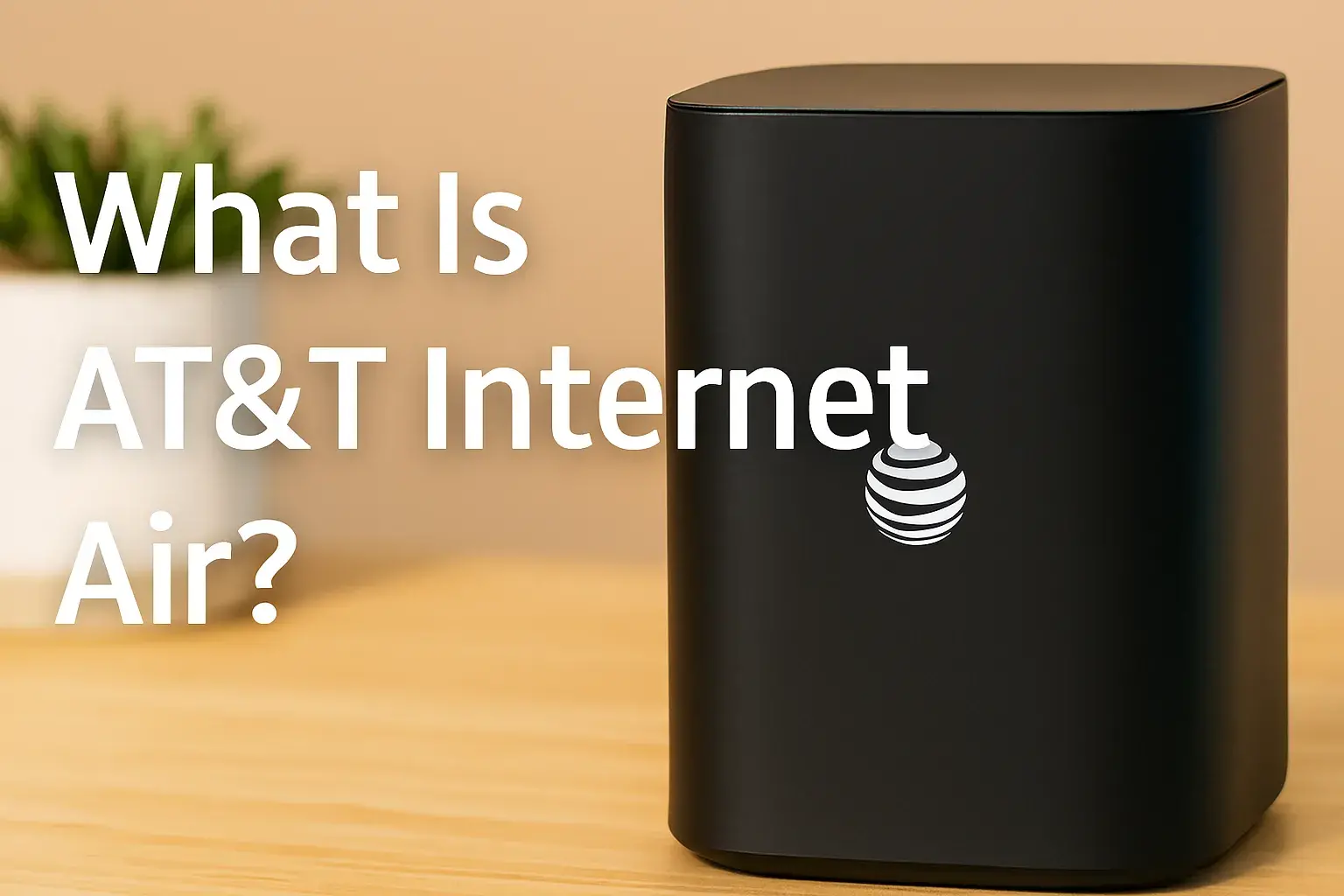
For most of its broadband services, including AT&T Fiber and AT&T Internet (which may utilize DSL or fixed wireless technology), AT&T provides a "gateway" device. This is typically an all-in-one unit that combines the functions of a modem (which connects your home to AT&T's network) and a router (which creates your Wi-Fi network and allows multiple devices to connect). These gateways are designed to be compatible with AT&T's network infrastructure and are optimized for the speeds offered by your plan.
When you sign up for AT&T internet service, the standard offering often includes the rental of one of these AT&T-provided gateways. This means that a monthly fee is usually applied to your bill for the use of this equipment. The specific model of the gateway can vary depending on the service type and availability in your area. For example, AT&T Fiber customers might receive a more advanced gateway capable of supporting higher speeds compared to customers on a DSL plan.
The advantage of using an AT&T-provided gateway is convenience. AT&T handles the selection, installation (often remotely or with technician assistance), and troubleshooting of the device. If the gateway malfunctions, AT&T is responsible for replacing it. This removes the burden of hardware management from the customer. However, as mentioned, this convenience typically comes with a recurring rental fee.
Customer-Owned Equipment
AT&T also permits customers to use their own compatible modems or gateways. This option is particularly attractive for those who wish to avoid monthly rental fees or who have specific hardware preferences. If you choose to use your own equipment, you will need to ensure that it meets AT&T's compatibility requirements. These requirements often include specific technical standards and firmware support.
For AT&T Fiber, the company has specific guidelines regarding customer-owned equipment, and in some cases, using your own device might require a technician visit to ensure proper configuration. For DSL-based AT&T Internet, compatibility lists are usually available, detailing modems that have been tested and approved.
If you opt for customer-owned equipment, you will be responsible for purchasing the device, setting it up, and troubleshooting any issues that arise. This means an upfront cost for the hardware, but it eliminates the ongoing monthly rental charge from AT&T. This can lead to significant savings over the lifespan of your internet service.
Bundled Services and Promotions
It's also worth noting that AT&T sometimes offers promotions or bundles that might affect equipment charges. For instance, signing up for a specific package that includes AT&T TV or mobile services might come with a waived equipment fee for a limited time. Always check the terms and conditions of any offer to understand the duration of any waived fees and what happens after the promotional period ends.
Monthly Rental vs. Purchase: A Detailed Look
The decision between renting an AT&T modem/gateway or purchasing your own is a significant one with long-term financial implications. Understanding the costs associated with each option is crucial for making an informed choice in 2025-26.
Monthly Rental Costs
When you rent an AT&T gateway, you are essentially paying a recurring fee for the use of their hardware. This fee is typically added to your monthly internet bill. The exact amount can vary based on the type of service and the specific gateway model. For instance, as of early 2025, AT&T Fiber gateways might incur a rental fee in the range of $10-$15 per month, while older DSL modems might have a slightly lower charge, perhaps around $7-$10 per month.
Example Scenario (Rental):
- Monthly Rental Fee: $12
- Service Duration: 24 months
- Total Rental Cost: $12/month * 24 months = $288
The primary advantage of renting is the minimal upfront cost and the convenience of AT&T managing the equipment. If the device fails, AT&T replaces it at no additional charge. However, over time, these monthly payments can add up significantly. After a few years, the total amount paid in rental fees can exceed the cost of purchasing a comparable device outright.
Purchase Costs
If you choose to purchase your own modem or gateway, you will incur an upfront cost for the hardware. The price of compatible modems can range widely, from around $50 for a basic DSL modem to $150-$250 or more for advanced Wi-Fi 6 or 6E compatible gateways suitable for high-speed fiber connections.
Example Scenario (Purchase):
- Purchase Price of Compatible Gateway: $150
- Service Duration: 24 months
- Total Purchase Cost: $150 (one-time)
In this scenario, purchasing the equipment is clearly more cost-effective over the 24-month period ($150 vs. $288). The primary responsibility shifts to the customer for installation, configuration, and troubleshooting. If the purchased device fails, the customer is responsible for its replacement.
Comparison Table: Rental vs. Purchase (Illustrative 2025-26 Data)
| Feature | AT&T Monthly Rental | Customer-Owned Purchase |
|---|---|---|
| Upfront Cost | Minimal (often $0) | Significant (e.g., $50 - $250+) |
| Monthly Cost | Recurring Fee (e.g., $7 - $15/month) | $0 (after initial purchase) |
| Equipment Management | AT&T Responsible | Customer Responsible |
| Troubleshooting & Replacement | AT&T Handles | Customer Handles |
| Long-Term Savings Potential | Lower | Higher (over 1-2+ years) |
| Compatibility Concerns | None (provided by AT&T) | Must meet AT&T specs |
The break-even point, where the total cost of renting equals the cost of purchasing, typically occurs within 12 to 24 months, depending on the rental fee and the purchase price of the equipment. If you plan to stay with AT&T for longer than this period, purchasing your own modem is almost always the more economical choice.
Factors Influencing Modem Costs in 2025-26
Several factors will continue to influence the costs associated with internet modems and gateways for AT&T customers in the 2025-26 period. These include technological advancements, market competition, and AT&T's own strategic decisions regarding equipment provisioning.
Technological Advancements
The rapid evolution of internet technology drives the need for more advanced modems and gateways. Technologies like Wi-Fi 6E and the emerging Wi-Fi 7 standard offer faster speeds, lower latency, and improved capacity for handling multiple devices. As these technologies become more mainstream, the cost of compatible equipment tends to decrease over time. However, newer, cutting-edge devices will initially command higher prices. AT&T's decision to provide gateways supporting these latest standards will directly impact the rental fees charged to customers. For those purchasing their own equipment, staying abreast of these advancements is key to selecting a device that will remain relevant for years to come.
Service Type and Speed Tiers
The type of internet service you subscribe to significantly impacts modem requirements and, consequently, costs.
- AT&T Fiber: Requires gateways capable of handling very high symmetrical speeds (e.g., 1 Gbps, 2 Gbps, 5 Gbps). These advanced devices are generally more expensive to purchase and may command higher rental fees due to their performance capabilities.
- AT&T Internet (DSL/VDSL): Uses modems that connect over traditional copper phone lines. While generally less expensive than fiber gateways, the technology is older, and the speeds are more limited. Rental fees for these are typically lower.
- Fixed Wireless Internet: This service uses a different type of outdoor antenna and indoor modem/router. The cost structure for this equipment can also differ.
Higher speed tiers within any service type will necessitate more robust hardware, potentially increasing both rental and purchase costs.
Market Competition and ISP Policies
The competitive landscape among ISPs influences their equipment policies. In markets with strong competition, providers might be more inclined to offer attractive equipment deals, such as waived rental fees or discounted purchase prices, to attract and retain customers. Conversely, in areas with limited ISP options, providers might have more leverage to charge higher rental fees. AT&T's policies are also shaped by its overall business strategy, including its investment in network infrastructure and its approach to customer service.
Promotional Offers and Bundles
As mentioned previously, AT&T frequently uses promotional offers to incentivize new sign-ups or encourage upgrades. These can include:
- Waived modem rental fees for the first 12 or 24 months.
- Discounted prices on purchasing AT&T-provided equipment.
- Bundling internet with other AT&T services (e.g., TV, mobile) which may include equipment benefits.
These offers can significantly alter the perceived cost of equipment, but it's vital to understand the terms and the cost after the promotional period ends.
AT&T's Equipment Upgrade Cycles
ISPs periodically update their recommended or provided equipment to align with network upgrades and new technology standards. This can influence the availability and cost of older models. For customers renting, AT&T might eventually require an upgrade to a newer gateway, potentially with a change in rental fees. For those who own their equipment, they may need to consider upgrading their modem every 3-5 years to take full advantage of their internet plan's speed and features.
Regional Differences
While less common for equipment fees themselves, regional differences in service availability and pricing structures can indirectly affect the overall cost of internet service, including any bundled equipment charges.
How to Avoid or Reduce AT&T Modem Charges
For budget-conscious consumers, minimizing or eliminating AT&T's monthly modem charges is a primary goal. Fortunately, there are several effective strategies to achieve this in 2025-26.
1. Purchase Your Own Compatible Modem/Gateway
This is the most direct and impactful way to avoid recurring rental fees. As detailed earlier, the upfront cost of purchasing a modem is often recouped within 1-2 years through savings on monthly rental charges.
Steps:
- Identify Compatible Equipment: Visit the AT&T support website to find the most up-to-date list of compatible modems and gateways for your specific service type (Fiber, DSL, etc.). Pay close attention to the required specifications for your internet speed tier.
- Purchase the Device: Buy a compatible modem from a reputable retailer (e.g., Amazon, Best Buy, manufacturer's website). Ensure it supports the latest Wi-Fi standards for optimal performance.
- Self-Installation/Activation: Follow AT&T's instructions for self-installing and activating your own equipment. This usually involves connecting the modem, powering it on, and accessing an AT&T activation portal via a web browser. For AT&T Fiber, you might need to ensure the gateway has a specific WAN port configuration.
- Inform AT&T: Notify AT&T that you are using your own equipment to ensure they remove the rental charge from your bill.
Considerations:
- Upfront Cost: Be prepared for the initial investment.
- Technical Proficiency: You'll need to be comfortable with basic network setup and troubleshooting.
- Warranty & Support: You are responsible for the device's warranty and support.
2. Negotiate with AT&T
While AT&T's standard policy might include rental fees, customer service representatives often have some flexibility, especially for long-term customers or when facing competitive offers.
Tactics:
- Call Customer Service: Contact AT&T's customer support and explain your situation. Mention that you are considering switching providers due to the equipment fees.
- Inquire About Promotions: Ask if there are any current promotions that waive or reduce modem rental fees, especially for existing customers.
- Request a Different Gateway: Sometimes, older or less feature-rich gateways might have lower rental fees. If you don't need the absolute latest technology, inquire about less expensive rental options.
- Bundle Services: Explore if bundling your internet with other AT&T services (like mobile or TV) could lead to a package deal that includes a reduced or waived equipment fee.
3. Take Advantage of Promotional Offers
Keep an eye out for new customer promotions or special offers that AT&T might extend to existing customers during contract renewal periods or specific sales events.
What to Look For:
- "Free" Equipment for X Months: Many offers include a waiver of rental fees for the first 12, 18, or 24 months. Understand the fee that applies *after* this period.
- Discounted Purchase Price: AT&T sometimes offers their gateways at a discounted price, which can be more economical than renting over the long term.
Caution: Always read the fine print. Understand the exact duration of the promotion and the standard monthly fee that will apply once it expires.
4. Explore AT&T Bundles
If you use other AT&T services, such as AT&T Wireless or DIRECTV, investigate bundling options. Sometimes, combining services can unlock discounts or benefits, including reduced equipment charges for your internet service. This can be a way to streamline your bills and potentially save money overall.
5. Consider Long-Term Value
While avoiding monthly fees is the goal, also consider the overall value. If renting an AT&T gateway means seamless service, automatic upgrades, and hassle-free support, the slightly higher cost might be justifiable for some users who prioritize convenience over managing their own hardware. However, for most, purchasing compatible equipment offers superior long-term financial benefits.
Alternatives to AT&T-Provided Equipment
Opting for alternatives to AT&T-provided equipment is a popular strategy for saving money and gaining more control over your home network. The primary alternative is purchasing a third-party modem or gateway that is compatible with AT&T's network.
Compatible Modems and Routers
The key to using your own equipment lies in ensuring compatibility. AT&T maintains lists of approved devices for its different service types.
- For AT&T Internet (DSL/VDSL): You'll need a DSL modem that supports the specific standards used by AT&T in your area (e.g., ADSL2+, VDSL2). Many retail modems are compatible, but it's crucial to check AT&T's official compatibility list. Examples of reputable brands include NETGEAR, TP-Link, and Motorola.
- For AT&T Fiber: This is where things can be more complex. AT&T Fiber typically requires a specific type of Optical Network Terminal (ONT) to be installed by AT&T technicians. While you might be able to connect your own high-performance Wi-Fi 6/6E/7 router to the AT&T-provided gateway (in a bridge mode or cascaded setup), directly replacing the AT&T Fiber gateway with a third-party device is often not supported or requires advanced technical knowledge and specific configurations that may void AT&T's support. However, AT&T has been gradually opening up support for customer-owned routers connected directly to their ONT in some areas. Always verify the latest policy on the AT&T support site.
- For Fixed Wireless: Compatibility for fixed wireless equipment is highly specific to the technology and AT&T's deployment. It's less common to use third-party equipment for this service.
Benefits of Third-Party Equipment
- Cost Savings: As discussed, avoiding monthly rental fees leads to significant long-term savings.
- Advanced Features: Retail modems and routers often offer more advanced features, better Wi-Fi performance, and newer technology standards (like Wi-Fi 6/6E/7) than the standard AT&T-provided gateways, especially for older DSL plans.
- Control and Customization: You have more control over network settings, security features, and firmware updates.
- Future-Proofing: You can choose a device that meets your needs for the foreseeable future, rather than being tied to AT&T's upgrade cycle.
Potential Downsides and Considerations
- Compatibility Verification: Ensuring a device is truly compatible with AT&T's network can sometimes be challenging. Incorrectly purchased equipment will not work.
- Setup Complexity: Self-installation and configuration can be more complex than using AT&T's plug-and-play devices.
- Troubleshooting: If you encounter internet issues, AT&T support may direct you to troubleshoot your own equipment first, potentially leading to frustration. They may not provide direct support for third-party modems.
- AT&T Fiber Limitations: For AT&T Fiber, the ability to use a completely third-party gateway is still limited in many areas, often requiring AT&T's device for the initial connection.
Where to Find Compatible Devices
The best resources for finding compatible devices are:
- AT&T's Official Support Website: This is the most reliable source for current compatibility lists. Search for "compatible modems" or "BYOD modem" (Bring Your Own Device) on their support pages.
- Reputable Online Retailers: Websites like Amazon, Best Buy, and Newegg often have sections dedicated to networking equipment. Read product descriptions carefully and cross-reference with AT&T's requirements.
- Manufacturer Websites: Brands like NETGEAR, TP-Link, ASUS, and Motorola provide detailed specifications for their modems and routers.
When purchasing, look for devices that explicitly state compatibility with AT&T DSL or Fiber, depending on your service. For Fiber, the focus is often on the router that connects *after* the AT&T ONT, unless AT&T explicitly supports a third-party gateway.
Troubleshooting and Support for Your Modem
Whether you rent an AT&T modem or use your own, encountering issues with your internet connection is inevitable at some point. Understanding the support structure for each scenario is crucial for a swift resolution.
Support for AT&T-Provided Equipment
When you rent a modem or gateway directly from AT&T, the company assumes responsibility for its performance and maintenance.
- Direct Support: AT&T's customer support is your primary point of contact. They have access to diagnostic tools to check your connection and the status of their provided equipment.
- Troubleshooting Steps: They will guide you through common troubleshooting steps, such as power cycling the modem, checking cable connections, and verifying network status.
- Remote Diagnostics: AT&T can often perform remote diagnostics on their gateways to identify issues without needing a technician visit.
- Equipment Replacement: If the equipment is determined to be faulty, AT&T will arrange for its replacement, typically at no additional cost to you (unless damage is due to misuse). This might involve shipping a new device or scheduling a technician visit.
- Technician Visits: For more complex issues that cannot be resolved remotely, AT&T will dispatch a technician to your home to diagnose and fix the problem, which may involve the modem or other network components.
The advantage here is that AT&T's support is comprehensive for their hardware. You don't need to worry about whether the issue is with the modem itself or the connection to their network; they will investigate both.
Support for Customer-Owned Equipment
If you choose to use your own modem or gateway, the support structure changes significantly.
- Manufacturer Support: For issues related to the modem's hardware or firmware, your first point of contact should be the manufacturer of the device (e.g., NETGEAR, TP-Link, Motorola). They can help with setup, configuration, and hardware defects.
- AT&T Support (Limited): AT&T's support will primarily focus on their network infrastructure up to the point where your modem connects. They can confirm if there's an outage in your area or if the signal reaching your home is strong. However, they generally will not troubleshoot the internal workings of your third-party modem or router. They might ask you to confirm that your device is properly connected and configured according to their specifications.
- Community Forums: Online forums dedicated to networking hardware or AT&T services can be invaluable resources. Other users may have encountered and solved similar problems.
- Third-Party IT Support: For complex network issues involving your own equipment, you might consider hiring a local IT professional.
Key Considerations for BYOD Support:
- Clear Documentation: Keep all manuals and documentation for your purchased modem and router.
- Firmware Updates: Regularly check for and install firmware updates from the manufacturer to ensure optimal performance and security.
- Compatibility is Key: Ensure your device is fully compatible with AT&T's network. If it's not, AT&T support will likely be unable to assist.
General Troubleshooting Tips (Applicable to Both)
- Power Cycle: The most common fix. Unplug your modem/router, wait 30 seconds, and plug it back in.
- Check Connections: Ensure all cables (coaxial, Ethernet, power) are securely connected.
- Verify Lights: Observe the indicator lights on your modem/router. Consult your device's manual or AT&T's support documentation to understand what each light signifies.
- Test with a Wired Connection: If experiencing Wi-Fi issues, connect a computer directly to the modem/router via an Ethernet cable to see if the problem persists. This helps isolate whether the issue is with the Wi-Fi signal or the internet connection itself.
- Check for Outages: Visit the AT&T website or use their app to check for reported service outages in your area.
Having a clear understanding of who to contact and what support is available for your specific equipment setup will save you time and frustration when internet problems arise.
Future Trends in Internet Equipment Costs
The landscape of internet service and associated equipment costs is dynamic, with several trends shaping what consumers can expect in the coming years, including 2025-26 and beyond. AT&T's approach to modem fees will likely evolve in response to these broader industry shifts.
Increased Adoption of Wi-Fi 7 and Beyond
The rollout of Wi-Fi 7 is gaining momentum, promising even faster speeds, lower latency, and greater efficiency in managing connected devices. As Wi-Fi 7-certified gateways become more common, we can expect:
- Higher Purchase Prices Initially: New, cutting-edge technology is always more expensive at launch.
- Decreasing Rental Fees for Older Tech: As AT&T upgrades its fleet to Wi-Fi 7, rental fees for older Wi-Fi 6/6E gateways might decrease or be phased out.
- Greater Incentive for BYOD: The availability of advanced, competitively priced Wi-Fi 7 routers from third-party manufacturers will further incentivize customers to purchase their own equipment to access the latest features without AT&T's rental markups.
AT&T's Continued Fiber Expansion
AT&T is heavily invested in expanding its fiber optic network. This means:
- More Advanced Gateways: Fiber requires more sophisticated gateways capable of handling multi-gigabit speeds. These devices are inherently more expensive to produce and purchase.
- Potential for Standardized Fiber ONTs: AT&T may continue to standardize its Fiber ONT installations, making it easier for customers to connect their own high-end routers directly, bypassing AT&T's gateway for routing functions. This could reduce the perceived need for AT&T's all-in-one rental units.
The Rise of Managed Wi-Fi Services
Beyond basic modem rental, ISPs are increasingly offering "managed Wi-Fi" services. These often include:
- Whole-Home Wi-Fi Systems: Providing mesh Wi-Fi extenders or nodes to ensure strong coverage throughout larger homes.
- Advanced Network Management: Features like parental controls, network security monitoring, and guest network management, often accessible via a mobile app.
These services typically come with an additional monthly fee, layered on top of the internet service and potentially the modem rental. This could represent a new avenue for AT&T to generate revenue from equipment and services, making the decision between renting AT&T's solution versus building your own managed Wi-Fi system (using third-party mesh systems) even more critical.
Increased Focus on Sustainability and E-Waste
There's a growing global emphasis on reducing electronic waste. This could lead to:
- Longer Lifespans for Equipment: ISPs might be encouraged to design or procure more durable equipment.
- Refurbished Equipment Programs: AT&T could expand programs for refurbishing and re-deploying returned gateways, potentially lowering costs for some rental options.
- Customer Education on Recycling: More emphasis on responsible disposal and recycling of old modems and routers.
Potential for Unbundling Equipment Fees
While currently standard practice, there's a long-term possibility that regulatory pressure or market forces could push ISPs to more clearly unbundle equipment costs from service fees, similar to how phone companies unbundled handset costs years ago. This would provide greater transparency and choice for consumers. However, this is a more speculative trend.
The BYOD Movement Continues
The trend of customers purchasing their own modems and routers is likely to continue, driven by:
- Cost Savings: The primary driver remains the significant long-term savings.
- Technological Superiority: Consumers seeking the best performance often find third-party devices offer superior features and speeds.
- Desire for Control: Many users prefer to manage their own network infrastructure.
As long as AT&T provides clear compatibility lists and facilitates the activation of third-party devices, this trend will persist.
In summary, while AT&T is likely to continue offering rental gateways, the underlying costs and the appeal of alternatives will be influenced by technological advancements, competitive pressures, and evolving service models. Customers who stay informed and actively manage their equipment choices will be best positioned to control their internet expenses in the future.
Conclusion
Navigating AT&T's modem charging policies in 2025-26 reveals a landscape where understanding your options is key to managing costs. While AT&T typically charges a monthly fee for renting their provided gateway devices, this is not the only path. For those seeking to avoid recurring expenses, purchasing a compatible modem or gateway outright presents a significant long-term saving opportunity. The initial investment is often recouped within one to two years, making it the more economical choice for most users planning to stay with AT&T for an extended period. Always verify compatibility with AT&T's latest requirements before making a purchase. Alternatively, proactive negotiation with AT&T customer service and careful consideration of promotional offers can also lead to reduced or waived equipment fees, at least temporarily. Ultimately, by staying informed about equipment options, understanding the financial implications of renting versus purchasing, and leveraging available strategies, consumers can effectively control their AT&T internet modem costs and optimize their home network experience.