Do You Have to Switch From CenturyLink to Quantum Fiber? Full Comparison Explained
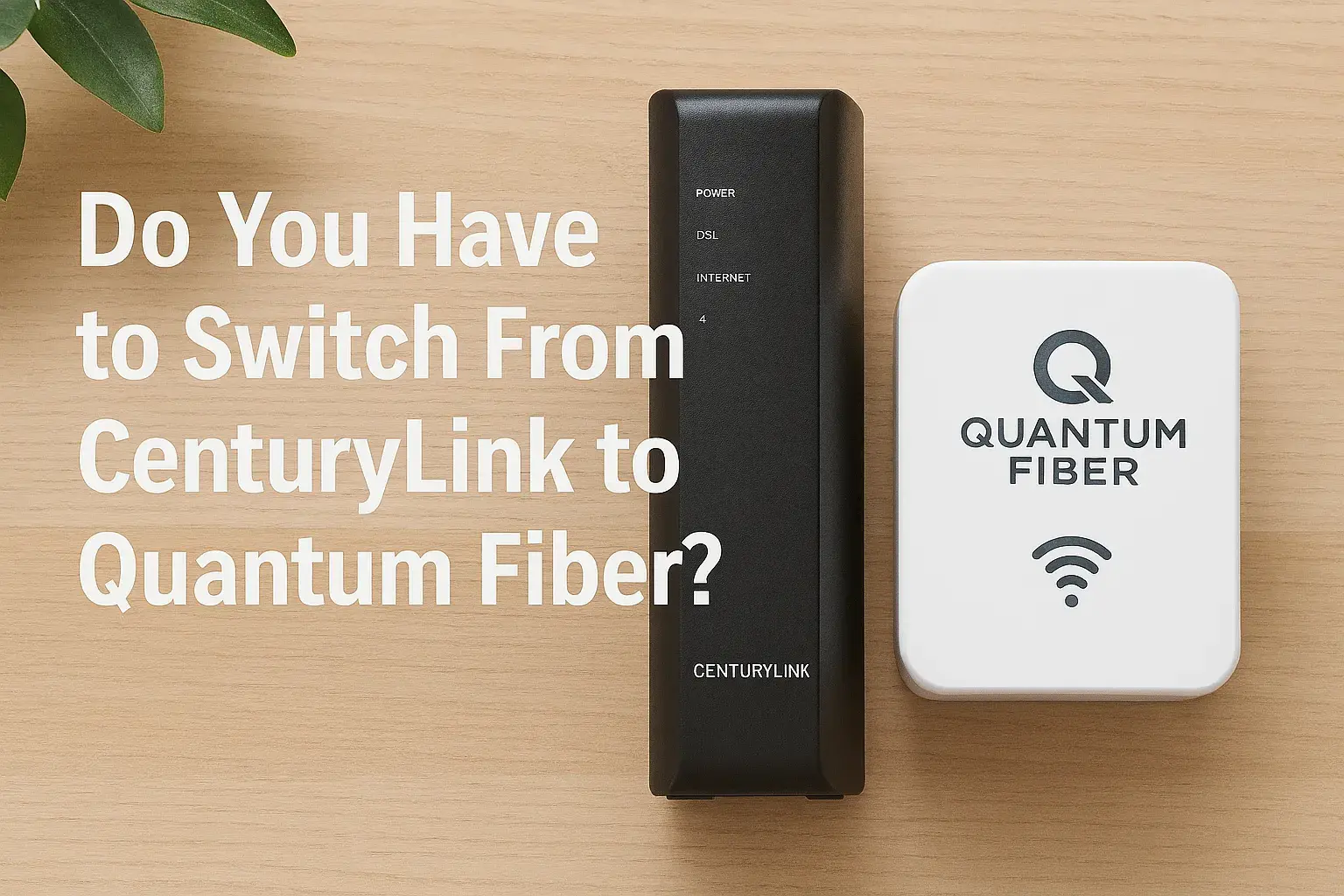
Deciding whether to transition from CenturyLink to Quantum Fiber is a significant choice for many internet users. This comprehensive guide breaks down the key differences, benefits, and potential drawbacks of both services, helping you make an informed decision for your home or business in 2025-2026.
Understanding the CenturyLink to Quantum Fiber Transition
For many years, CenturyLink has been a familiar name in the telecommunications landscape, providing internet, phone, and TV services to millions. However, as technology evolves, so do service providers. Quantum Fiber represents a significant evolution for many CenturyLink customers, particularly in areas where Lumen Technologies (the parent company of CenturyLink) has been actively upgrading its network. This transition isn't just a rebranding; it signifies a fundamental shift in the underlying technology and the service experience offered. Understanding this transition is crucial for anyone currently relying on CenturyLink and considering an upgrade. This guide aims to demystify the process, compare the offerings head-to-head, and help you determine if making the switch to Quantum Fiber is the right move for your connectivity needs in 2025-2026.
What is Quantum Fiber?
Quantum Fiber is Lumen Technologies' next-generation fiber-to-the-home (FTTH) internet service. Unlike traditional DSL or cable internet, which often rely on a mix of copper and fiber optic lines, Quantum Fiber utilizes a pure fiber optic network that extends all the way to the customer's premises. This means that data travels through light signals over glass or plastic strands, offering significantly higher speeds, lower latency, and greater reliability. Lumen has been investing heavily in expanding its fiber footprint, and Quantum Fiber is the embodiment of this investment. It's designed to meet the increasing demands of modern internet usage, from high-definition streaming and online gaming to remote work and smart home technology. The service is positioned as a premium, future-proof internet solution, emphasizing speed, consistency, and an enhanced customer experience.
Key Differences Explained
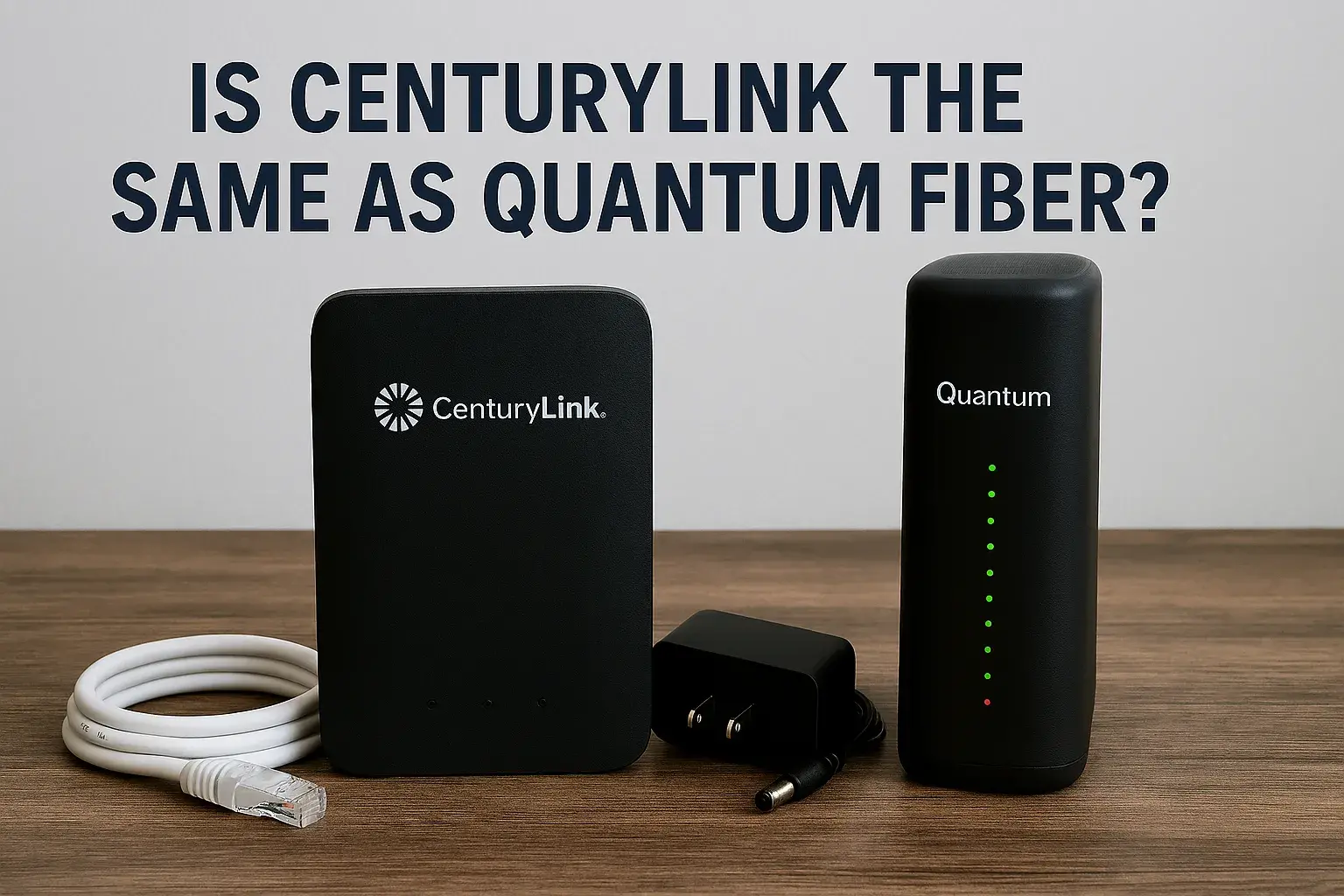
The distinction between CenturyLink and Quantum Fiber goes beyond just a new name. It's rooted in the technology, the infrastructure, and the overall service model. While both are under the Lumen umbrella, Quantum Fiber represents a deliberate upgrade path for customers seeking superior internet performance. The primary differences lie in the speed capabilities, the underlying network technology, the pricing structures, and the customer service approach. Understanding these core distinctions is the first step in evaluating whether a switch is beneficial.
Speed and Performance
This is arguably the most significant differentiator. CenturyLink, historically, has offered a range of internet plans, many of which utilize DSL technology. DSL (Digital Subscriber Line) internet transmits data over existing telephone lines. While it offers a step up from dial-up, its performance is heavily dependent on the distance from the local exchange and the quality of the copper wiring. This can result in variable speeds, often capping out at speeds that are no longer sufficient for many modern households. Typical CenturyLink DSL plans might range from 10 Mbps to 100 Mbps download speeds, with upload speeds being considerably lower.
Quantum Fiber, on the other hand, is built on a pure fiber optic network. Fiber optic cables transmit data using light, allowing for dramatically higher speeds and much lower latency. Quantum Fiber plans typically start at 300 Mbps symmetrical (meaning upload and download speeds are the same) and can go up to 1 Gbps (1000 Mbps) symmetrical, and in some areas, even higher. This symmetrical speed is crucial for activities like video conferencing, uploading large files, and online gaming, where upload bandwidth is just as important as download bandwidth. The consistency of fiber is another major advantage; speeds are less affected by network congestion or distance from the provider's equipment, leading to a more stable and predictable online experience. For 2025-2026, with the increasing reliance on cloud services, high-definition content, and bandwidth-intensive applications, the speed and performance leap offered by Quantum Fiber is substantial.
Current 2025-2026 Statistics on Internet Usage:
Average household internet consumption in the US is projected to exceed 400 GB per day by the end of 2025, driven by 4K/8K streaming and smart home devices.
The demand for symmetrical speeds is growing, with over 60% of users reporting the need for faster upload speeds for remote work and content creation.
Online gaming latency requirements are becoming more stringent, with many professional gamers and enthusiasts seeking ping times below 20ms.
Technology and Infrastructure
The core difference in technology is the physical infrastructure. CenturyLink's network often comprises a hybrid approach. While Lumen has been upgrading some areas to fiber-to-the-premises (FTTP), many customers still receive a DSL connection that relies on copper lines from the local telephone pole or exchange to their home. This "last mile" of copper is the bottleneck for DSL performance.
Quantum Fiber is exclusively fiber-to-the-home (FTTH). This means that a dedicated fiber optic cable runs directly from Lumen's network infrastructure all the way into the customer's residence. This end-to-end fiber optic connection eliminates the limitations of copper wiring. Fiber optic cables are also more durable, less susceptible to electromagnetic interference, and can carry data over much longer distances without signal degradation. This robust infrastructure is what enables the higher speeds, lower latency, and greater reliability associated with Quantum Fiber. Lumen's ongoing investment in expanding its fiber network means that Quantum Fiber availability is growing, often replacing older CenturyLink infrastructure in targeted areas.
Pricing and Plans
Pricing structures can vary significantly between CenturyLink and Quantum Fiber, and also by region. Historically, CenturyLink has offered a range of plans with tiered pricing, often with introductory offers that increase after a promotional period. Their DSL plans can sometimes appear more budget-friendly upfront, especially for basic internet needs.
Quantum Fiber is generally positioned as a premium service, and its pricing reflects the superior technology and performance. While it might have a higher starting price than some of CenturyLink's basic DSL plans, it often includes benefits like:
Symmetrical Speeds: Higher upload speeds come standard, which are often not available or are very expensive with DSL.
No Data Caps: Most Quantum Fiber plans come with unlimited data, a significant advantage over some bundled or older plans that might impose caps.
Bundled Equipment: Often includes a Wi-Fi 6 router at no extra charge.
Transparent Pricing: Lumen has been moving towards more transparent pricing with Quantum Fiber, aiming to reduce surprise fees and price hikes after introductory periods, though this can still vary.
It's essential to check specific availability and pricing for your address, as promotions and plan structures can differ. However, when comparing apples to apples (i.e., a plan that meets your speed needs), Quantum Fiber's value proposition often lies in its performance and reliability, not just its sticker price. For 2025-2026, the increasing demand for bandwidth means that the cost per Mbps is often lower with fiber, making it a more cost-effective solution for heavy internet users in the long run.
Equipment and Installation
The equipment and installation process can also differ. For CenturyLink DSL, customers often use their own modems or rent one from CenturyLink. The installation might be relatively straightforward if phone lines are already active, sometimes even allowing for self-installation.
Quantum Fiber typically involves a more involved installation process because a new fiber optic line needs to be run to the home. This often requires a technician visit to lay the fiber and install the necessary equipment, including a fiber optic terminal (ONT) and a Wi-Fi 6 router. While this might sound like a drawback, it ensures the optimal setup for the fiber connection. The inclusion of a modern Wi-Fi 6 router with Quantum Fiber plans is a significant plus, as it supports faster wireless speeds and better performance for multiple devices simultaneously, which is crucial for a gigabit-speed connection. Installation appointments are scheduled, and technicians are responsible for ensuring the connection is fully operational. For 2025-2026, the focus on Wi-Fi 6 and advanced networking equipment is standard for Quantum Fiber, aiming to provide a seamless user experience from the moment the service is activated.
Customer Service and Support
Customer service experiences can be subjective and vary widely. Historically, CenturyLink has faced mixed reviews regarding its customer support, with some customers reporting long wait times and difficulties resolving issues. As a legacy provider, it serves a broad customer base with diverse needs and infrastructure.
Quantum Fiber is presented as Lumen's flagship service, and there's an emphasis on providing a more modern and streamlined customer experience. This often includes:
Dedicated Support Channels: Potentially more specialized support teams for fiber customers.
Digital Tools: Enhanced online portals and mobile apps for account management, troubleshooting, and support requests.
Proactive Monitoring: Advanced network monitoring to identify and address potential issues before they impact customers.
While it's still part of Lumen, the Quantum Fiber brand aims to differentiate itself with a superior customer interaction. However, it's always advisable to check recent customer reviews and feedback for the most up-to-date insights. For 2025-2026, the competitive landscape for internet providers means that customer service is a key battleground, and Quantum Fiber is designed to be a strong contender in this area.
Availability and Coverage
This is a critical factor. CenturyLink's DSL service has historically had broad availability across many rural and suburban areas where fiber infrastructure was not yet deployed. Its coverage is extensive due to its long-standing presence and reliance on existing telephone lines.
Quantum Fiber, being a newer, fiber-optic-only service, has more limited availability. Lumen is actively expanding its fiber network, but it's a significant undertaking. Quantum Fiber is typically available in specific cities and neighborhoods where Lumen has invested in building out its FTTH infrastructure. This means that while you might be a CenturyLink customer, you may not be eligible for Quantum Fiber at your current address, or vice versa. Coverage maps are the definitive source for determining eligibility. As of 2025-2026, Lumen is continuing its fiber build-out, so areas that don't have Quantum Fiber today might have it in the near future. It's crucial to use an address checker on the Quantum Fiber website to confirm availability.
Pros and Cons of Switching
Making the decision to switch from CenturyLink to Quantum Fiber involves weighing the potential benefits against the drawbacks. For many, the allure of significantly faster and more reliable internet is compelling, but it's important to have a balanced perspective.
Pros of Switching to Quantum Fiber
Dramatically Higher Speeds: Access to gigabit speeds (1000 Mbps) and beyond, both for download and upload. This is a game-changer for bandwidth-intensive activities.
Superior Reliability: Fiber optic networks are inherently more stable, less prone to outages caused by weather or interference, and offer consistent performance.
Lower Latency: Reduced ping times are beneficial for online gaming, video conferencing, and real-time applications.
Symmetrical Speeds: Equal upload and download speeds are crucial for remote work, uploading large files, streaming, and online collaboration.
Future-Proofing: A fiber connection is built to handle future bandwidth demands as technology evolves.
Modern Equipment: Often includes a Wi-Fi 6 router, enhancing wireless performance within the home.
Unlimited Data: Typically, Quantum Fiber plans do not have data caps, offering peace of mind for heavy users.
Enhanced Customer Experience: Lumen aims to provide a more modern and streamlined customer service for its flagship fiber product.
Cons of Switching to Quantum Fiber
Limited Availability: Quantum Fiber is not available everywhere. If you are in an area not yet served by Lumen's fiber network, you cannot switch.
Potentially Higher Cost: While offering more value, Quantum Fiber plans might be more expensive than basic CenturyLink DSL plans, especially for users with very low internet usage.
Installation Process: Requires a professional installation, which might be more disruptive than a self-install for DSL.
No Bundled TV/Phone (Often): Quantum Fiber is primarily an internet service. If you rely on bundled TV or phone services from CenturyLink, you'll need to find separate solutions.
Potential for Price Increases: Like any service, introductory offers may expire, and prices can increase over time, though Quantum Fiber aims for more transparency.
Who Should Switch to Quantum Fiber?
The decision to switch hinges on your specific internet usage habits and needs. Based on the capabilities of Quantum Fiber versus CenturyLink, certain user profiles will benefit most from the transition:
Remote Workers and Professionals: Those who rely on stable, high-speed internet for video conferencing, cloud-based applications, and large file transfers will see a significant productivity boost. Symmetrical speeds are particularly valuable here.
Online Gamers: Low latency and consistent high speeds are critical for a smooth and competitive gaming experience.
Streamers and Content Consumers: Households that frequently stream 4K/8K video content, download large media files, or have multiple devices streaming simultaneously will appreciate the bandwidth and lack of data caps.
Smart Home Enthusiasts: Homes with numerous connected devices (smart lights, thermostats, security cameras, voice assistants) require robust bandwidth and low latency to function seamlessly.
Families with Multiple Users: When several people in a household are online at the same time, each using bandwidth for different activities (work, school, entertainment), a high-speed fiber connection prevents bottlenecks and ensures everyone has a good experience.
Users Experiencing Slow or Unreliable CenturyLink Service: If you are currently frustrated with slow speeds, frequent disconnections, or inconsistent performance from your CenturyLink service, and Quantum Fiber is available, it's a strong candidate for a solution.
Those Seeking Future-Proofing: If you want an internet connection that can handle the demands of technology for the next 5-10 years, fiber is the way to go.
Conversely, if your internet usage is very basic (e.g., occasional email, light web browsing, infrequent streaming on a single device) and you are satisfied with your current CenturyLink speeds and pricing, the upgrade to Quantum Fiber might not be cost-effective or necessary. However, even basic users can benefit from the reliability and improved experience that fiber offers.
Making the Decision: A Step-by-Step Guide
To ensure you make the best decision for your internet needs, follow these steps:
Assess Your Current Internet Usage:
How many people use the internet in your household?
What are the primary activities? (Streaming, gaming, working from home, general browsing, smart home devices)
What speeds are you currently getting from CenturyLink? (Use speed test tools like Ookla Speedtest)
Are you experiencing any issues with reliability, latency, or speed consistency?
Do you have data caps with your current plan? Are you close to hitting them?
Check Quantum Fiber Availability at Your Address:
Visit the official Quantum Fiber website.
Enter your full address to check if Quantum Fiber is available in your area. This is the most critical step. If it's not available, the decision is made for you until it becomes so.
Compare Plans and Pricing:
If Quantum Fiber is available, review the available plans (e.g., 300 Mbps, 1 Gbps).
Note the monthly cost, any installation fees, and equipment rental fees (though Quantum Fiber often includes equipment).
Compare these costs and speeds directly with your current CenturyLink plan. Consider the value proposition – what are you getting for your money?
Look for current promotions or discounts for new Quantum Fiber customers.
Evaluate Your Needs Against Quantum Fiber's Offerings:
Does Quantum Fiber's fastest plan align with your future bandwidth needs?
Are the symmetrical speeds offered by Quantum Fiber important for your activities?
If you're on a bundled CenturyLink plan, how will switching affect your TV and phone services? You may need to find new providers for those.
Read Reviews and Gather Information:
Search for recent reviews of Quantum Fiber service in your specific geographic area if possible.
Look for information on installation experiences, customer service responsiveness, and overall satisfaction.
Make Your Decision:
If Quantum Fiber is available and its benefits (speed, reliability, symmetrical speeds) significantly outweigh the potential cost increase and the inconvenience of switching providers, then making the switch is likely a good idea.
If Quantum Fiber is not available, or if your current CenturyLink service adequately meets your needs and budget, you may choose to stay put for now.
Conclusion: Your Next Steps
The transition from CenturyLink to Quantum Fiber represents a significant upgrade for internet connectivity, driven by the power of pure fiber optic technology. For users in 2025-2026 who demand higher speeds, lower latency, and greater reliability, Quantum Fiber offers a compelling solution. Its symmetrical gigabit speeds are ideal for remote work, high-definition streaming, online gaming, and supporting a growing number of connected devices. While availability remains a key consideration, Lumen's ongoing network expansion means more households will gain access to this next-generation service. Carefully assess your current internet usage, check Quantum Fiber's availability at your address, and compare plans to determine if the enhanced performance justifies the potential cost difference. If Quantum Fiber is an option for you and your internet needs are growing, making the switch is a strategic move towards a faster, more dependable, and future-ready online experience.