AT&T U-Verse Outage: Identifying the Problem and Seeking Solutions
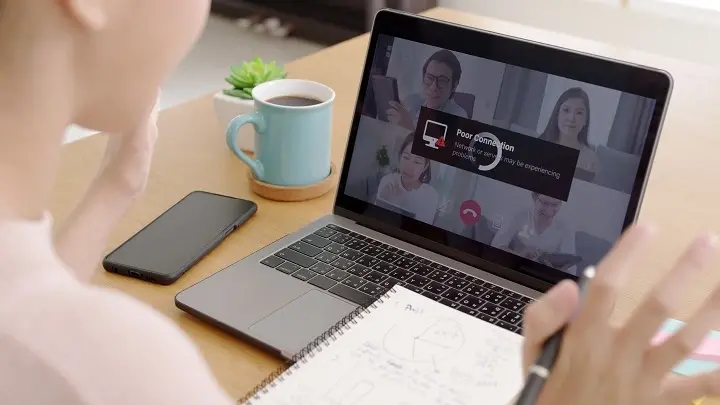
Experiencing an AT&T U-verse outage can be incredibly disruptive. This guide provides immediate solutions, detailed troubleshooting steps, and insights into common causes for 2025-2026, ensuring you get back online swiftly and understand your service better.
Understanding AT&T U-verse Outages
An AT&T U-verse outage refers to a temporary disruption in the services provided by AT&T's U-verse platform, which typically includes internet, television (IPTV), and sometimes phone services. These disruptions can range from localized, short-lived glitches affecting a single household to widespread, prolonged service interruptions impacting entire neighborhoods or regions. Understanding the nature of these outages is the first step toward effective resolution. In 2025 and 2026, with the increasing reliance on stable internet for remote work, online education, and entertainment streaming, even brief outages can cause significant inconvenience. AT&T U-verse, while a robust platform, is not immune to the complexities of modern network infrastructure, which involves a delicate balance of hardware, software, and external environmental factors.
When you experience an AT&T U-verse outage, it's crucial to differentiate between a problem with your personal equipment, an issue within the local network infrastructure, or a broader network failure. Identifying the scope of the problem can help you determine the most efficient troubleshooting path. For instance, if only your television is affected but your internet is working, the issue might be specific to the IPTV component. Conversely, if all services are down, it points to a more general connectivity problem, likely originating further up the network chain.
The prevalence of U-verse outages can also be influenced by geographical location, the age of the local network infrastructure, and the specific technologies deployed. While AT&T continues to invest in its fiber optic network, many U-verse services still rely on a hybrid fiber-coaxial (HFC) or fiber-to-the-node (FTTN) architecture. This means that while the core network might be fiber, the "last mile" to your home could involve copper wiring, which is more susceptible to environmental factors like weather or physical damage.
In 2025-26, the demand for higher bandwidth and lower latency continues to surge. This puts additional strain on existing infrastructure. Therefore, understanding the potential causes and having a systematic approach to troubleshooting is more important than ever. This guide aims to equip you with the knowledge and tools to navigate these disruptions effectively, minimizing downtime and ensuring you can enjoy uninterrupted service as much as possible.
Common Causes of AT&T U-verse Outages
The reasons behind an AT&T U-verse outage are varied, stemming from both internal and external factors. A comprehensive understanding of these causes can help users anticipate potential issues and expedite the resolution process. As of 2025-26, the landscape of network infrastructure, while advanced, still presents several common culprits for service disruptions.
Equipment Malfunctions
One of the most frequent causes of localized outages is related to customer-premises equipment (CPE). This includes the U-verse modem/router (often referred to as a gateway), set-top boxes for television, and associated power adapters and cables. Over time, electronic components can fail, firmware can become corrupted, or a device might simply overheat. Power surges or brownouts can also damage sensitive electronics. For example, a faulty power supply unit in the gateway can prevent it from establishing a connection to the AT&T network, leading to a complete service outage for the household.
Network Infrastructure Issues
Beyond the home, problems can arise in the broader AT&T network infrastructure. This can include issues with:
- Fiber Optic Cables: While highly resilient, fiber optic cables can be damaged by construction, accidental digging, severe weather (like fallen trees), or even rodent damage. A break in a fiber line can render service unavailable for a significant number of users.
- Coaxial Cables (in HFC areas): In areas where U-verse uses a hybrid approach, coaxial cable integrity is vital. Damage to these cables, corrosion, or loose connections can degrade signal quality or cause complete signal loss.
- Network Equipment (Nodes, Amplifiers, Switches): AT&T utilizes various pieces of network equipment to manage and distribute service. These devices, located in neighborhood cabinets or central offices, can experience hardware failures, software glitches, or require maintenance, leading to service interruptions.
- Power Outages at Network Facilities: If a local AT&T network hub or distribution point loses power, all connected services will cease to function until backup power is restored or the main power grid is repaired.
Software and Firmware Glitches
Modern network equipment relies heavily on sophisticated software and firmware. Updates, whether planned or unexpected, can sometimes introduce bugs or compatibility issues that lead to service disruptions. Similarly, a device might experience a software crash, requiring a reboot to clear the error. In 2025-26, the complexity of integrated services (internet, TV, voice) means that a glitch in one service's software could potentially impact others.
Environmental Factors and External Events
Nature can play a significant role in service reliability. Common environmental causes include:
- Severe Weather: High winds, heavy rain, snowstorms, ice, and lightning strikes can cause physical damage to poles, lines, and equipment. Lightning strikes, in particular, can cause power surges that damage electronics both in the network and in homes.
- Power Grid Issues: Widespread power outages affecting the local utility grid will inevitably impact AT&T's network equipment, which relies on electricity.
- Accidental Damage: Construction work, vehicle accidents involving utility poles, or vandalism can lead to physical damage to network infrastructure.
Maintenance and Upgrades
Occasionally, AT&T may schedule maintenance or perform network upgrades to improve service quality, expand capacity, or implement new technologies. While these are generally beneficial in the long run, they can sometimes necessitate planned service interruptions. AT&T typically notifies customers in advance of scheduled maintenance that may affect their service.
Overload and Congestion
While less common for established services like U-verse compared to newer, more dynamic networks, localized network congestion can occur, especially during peak usage hours in densely populated areas. If the network infrastructure serving a particular neighborhood is operating at its maximum capacity, it could lead to slower speeds or intermittent connectivity issues that might be perceived as an outage.
Understanding these potential causes is the first step in diagnosing and resolving an AT&T U-verse outage. The following sections will delve into practical steps for troubleshooting and reporting.
Immediate Troubleshooting Steps
When your AT&T U-verse service goes down, a systematic approach to troubleshooting can often resolve the issue quickly without needing to contact customer support. These steps are designed to be performed by the user and address the most common causes of service disruption.
Step 1: Check for Service Outages in Your Area
Before diving into equipment checks, it's essential to determine if the problem is widespread. AT&T often provides outage information through their official channels.
- AT&T Website/App: Visit the AT&T website or use the AT&T mobile app. Log in to your account to check for any reported outages affecting your specific address or region. They often have a dedicated "Outage Center" or a notification system.
- Social Media: AT&T's official social media accounts (like Twitter/X) may post updates on significant, widespread outages.
- Neighbor Check: If possible, ask your immediate neighbors if they are also experiencing similar AT&T U-verse service issues. This can quickly confirm if it's a localized problem or a broader outage.
If a widespread outage is confirmed, your best course of action is to wait for AT&T to resolve the issue. Further troubleshooting on your end will likely be futile until the network is restored.
Step 2: Verify Your Equipment
If no widespread outage is reported, the problem likely lies with your equipment or the connection to your home.
- Check Lights on the Gateway: Your AT&T U-verse gateway (modem/router) has indicator lights that provide crucial diagnostic information. Refer to your gateway's manual or AT&T's support site for the meaning of specific light patterns. Generally, you'll want to see solid lights for Power, Broadband/DSL/Fiber, and Internet/Online. Flashing or off lights often indicate a connection problem.
- Inspect Cables: Ensure all cables connected to your gateway and wall outlets are securely plugged in. This includes the power cord, the coaxial cable (if applicable), or the Ethernet/fiber optic cable coming from the wall. Loose connections are a common culprit.
- Check Set-Top Boxes: For TV issues, ensure your U-verse set-top boxes are powered on and displaying any error messages. Check their connections to the gateway and power source.
Step 3: Power Cycle Your Equipment (The Reboot Method)
This is the most common and often effective troubleshooting step. It involves restarting your U-verse gateway and any connected devices to clear temporary glitches and re-establish connections.
- Unplug the Power: Disconnect the power adapter from your AT&T U-verse gateway.
- Unplug Other Devices: If you have separate devices like a Wi-Fi extender or a set-top box that is part of the issue, unplug their power as well.
- Wait: Leave all devices unplugged for at least 60 seconds. This allows capacitors to discharge and memory to clear.
- Plug In the Gateway: Reconnect the power adapter to your U-verse gateway.
- Wait for Boot-Up: Allow the gateway several minutes (typically 5-10) to fully boot up and re-establish its connection to the AT&T network. Observe the indicator lights to confirm it's attempting to connect.
- Plug In Other Devices: Once the gateway appears to be online (e.g., Internet/Online light is solid), plug in your other devices (set-top boxes, etc.) one by one, allowing each to boot up fully.
- Test Service: Once all equipment has restarted, test your internet and TV services.
This process effectively refreshes the connection and can resolve many transient software or connectivity issues.
Step 4: Bypass the Router (If Applicable)
Some users may have their own router connected behind the AT&T U-verse gateway. If you suspect your personal router is causing issues, try connecting a computer directly to the U-verse gateway via an Ethernet cable to see if you can access the internet.
- Disconnect your personal router from the U-verse gateway.
- Connect a computer directly to one of the Ethernet ports on the U-verse gateway using an Ethernet cable.
- Restart both the U-verse gateway and the computer.
- Test internet connectivity.
If you can get online this way, the problem lies with your personal router. If you still cannot connect, the issue is likely with the U-verse service or gateway itself.
If these immediate steps do not restore your service, it's time to move on to more advanced diagnostics or contact AT&T support.
Advanced Diagnostics and Solutions
When the basic troubleshooting steps haven't resolved your AT&T U-verse outage, it's time to delve deeper. Advanced diagnostics involve checking specific settings, performing system tests, and understanding potential hardware failures. For 2025-26, AT&T's network relies on sophisticated systems, and sometimes a more technical approach is needed.
Accessing Gateway Diagnostics
Most AT&T U-verse gateways have a web-based interface that allows users to access diagnostic tools and view detailed network status. The exact IP address and login credentials vary by model, but commonly it's something like 192.168.1.254 or `home`.
- Login: Open a web browser on a computer connected to your U-verse network (preferably via Ethernet cable for stability) and type the gateway's IP address into the address bar. You'll be prompted for a username and password. These are often found on a sticker on the gateway itself or in your setup documentation.
- Navigate to Diagnostics: Once logged in, look for sections labeled "Diagnostics," "System Status," "Broadband Status," or "Event Logs."
- Interpret Information:
- DSL/Broadband Status: This section will show signal strength (e.g., SNR, Attenuation), line status (connected/disconnected), and connection speed. High attenuation or low SNR can indicate line issues.
- Event Logs: These logs can provide error messages or timestamps of connection drops, which are invaluable for identifying the pattern of the outage. Look for critical errors or repeated warnings.
- Device Status: Check the status of connected devices, Wi-Fi signal strength, and any potential conflicts.
If you see persistent errors related to the broadband connection, line quality, or frequent disconnections in the logs, it strongly suggests an issue with the physical line coming into your home or with AT&T's network equipment. If you are not comfortable interpreting these logs, they can be very helpful when explaining the problem to AT&T support.
Testing Different Devices and Connections
To isolate the problem further, test your U-verse service with different devices and connection types.
- Wired vs. Wireless: If you're experiencing Wi-Fi issues, try connecting a device directly to the gateway using an Ethernet cable. If the wired connection works but Wi-Fi doesn't, the problem is likely with the gateway's Wi-Fi radio or your wireless settings.
- Multiple Devices: Try connecting multiple devices (laptops, smartphones, tablets) to the network. If only one device is having trouble, the issue is specific to that device. If all devices are affected, it points to the network or gateway.
- Test on Different Networks (if possible): If you have mobile data, try accessing a website or app that uses your U-verse internet connection from your phone while on cellular data. This helps confirm if the issue is with the internet connection itself or the devices trying to access it.
Checking for Firmware Updates
While AT&T typically manages gateway firmware updates automatically, sometimes a manual check or a specific update process might be necessary, especially if you're experiencing persistent software-related issues. Accessing the gateway's interface might offer an option to check for or initiate firmware updates.
Note: Be cautious when manually updating firmware. Ensure you have a stable power source and follow AT&T's instructions precisely, as an interrupted firmware update can render your gateway unusable.
Troubleshooting U-Verse TV Specific Issues
If your internet is working but your U-Verse TV service is down, the troubleshooting steps are slightly different:
- Check Set-Top Box (STB) Lights: The STBs have indicator lights that can signal their status. Consult your STB manual for their meaning.
- Reboot STB: Similar to the gateway, unplugging the power from the STB for 60 seconds and plugging it back in can resolve many temporary issues.
- Check Connections: Ensure the Ethernet cable connecting the STB to the gateway is secure.
- Verify U-Verse App/DVR: If you use the U-Verse app for streaming or have a DVR, check if those services are also affected. This can help pinpoint if the issue is with the live TV signal or specific hardware.
- Error Codes: Pay close attention to any error codes displayed on your TV screen. These codes are often specific and can be searched on the AT&T support website for targeted solutions. For example, error codes like "220" or "605" often point to specific connectivity or authentication problems.
Factory Resetting the Gateway (Last Resort)
A factory reset will restore your gateway to its original default settings, erasing any custom configurations you may have made (like Wi-Fi name/password, port forwarding). This can resolve deep-seated software issues but requires you to reconfigure your network afterward.
- Locate Reset Button: Most gateways have a small, recessed reset button, often on the back or bottom.
- Use a Paperclip: You'll typically need a paperclip or a similar pointed object to press and hold the button.
- Press and Hold: With the gateway powered on, press and hold the reset button for about 10-15 seconds until the lights on the gateway flash or change.
- Release and Reboot: Release the button. The gateway will reboot and restore to factory defaults. This process can take several minutes.
- Reconfigure: After the gateway restarts, you will need to reconfigure your Wi-Fi network name (SSID) and password, and any other custom settings.
Important: Only perform a factory reset if you are comfortable reconfiguring your network or if instructed to do so by AT&T support. It is a drastic step that can resolve complex software glitches but should not be your first recourse.
If, after performing these advanced diagnostics, your AT&T U-verse service remains unavailable, it is time to contact AT&T support with detailed information about the steps you've taken and any error messages you've encountered.
Reporting and Support Channels
When self-troubleshooting doesn't resolve your AT&T U-verse outage, leveraging AT&T's official support channels is the next crucial step. Having specific information from your troubleshooting efforts will significantly expedite the process. As of 2025-26, AT&T offers multiple avenues for support, catering to different user preferences.
Contacting AT&T Customer Support
This is the most direct way to get assistance from a technical representative.
- Phone Support:
- General Support: For internet, TV, or phone issues, you can typically call 1-800-288-2020.
- Technical Support: Sometimes there are dedicated technical support lines. Check your billing statement or the AT&T website for specific numbers.
- Live Chat: Many users find live chat to be an efficient way to communicate with support. Access this through the AT&T website's "Contact Us" or "Support" section. It allows you to copy and paste error messages and provides a written record of your interaction.
- In-Person Support (Limited): While less common for immediate technical issues, AT&T retail stores can sometimes assist with equipment exchanges or basic account inquiries. However, they are generally not equipped for on-the-spot network troubleshooting.
Preparing for Your Support Call/Chat
To make your interaction with AT&T support as productive as possible, have the following information ready:
- Account Information: Your AT&T account number or the phone number associated with your account.
- Service Address: The full address where the service is located.
- Equipment Details: The make and model of your U-verse gateway and any set-top boxes.
- Troubleshooting Steps Taken: A clear summary of what you have already tried (e.g., "I power cycled the gateway," "I checked the indicator lights," "I bypassed the router").
- Observed Symptoms: Describe the problem in detail:
- What services are affected (internet, TV, phone)?
- When did the outage start?
- Are there any error messages on your TV screen or gateway?
- What do the indicator lights on your gateway show?
- Diagnostic Information: If you accessed your gateway's diagnostic interface, note any error codes, signal levels (SNR, attenuation), or log entries.
AT&T Online Support Resources
Beyond direct contact, AT&T offers a wealth of online resources:
- AT&T Support Website: This is an invaluable resource. You can find:
- Troubleshooting Guides: Step-by-step guides for common issues.
- Knowledge Base/FAQs: Answers to frequently asked questions and solutions to specific problems.
- Device Manuals: Downloadable manuals for your specific U-verse gateway and set-top boxes.
- Outage Map/Status: Often linked from the main support page, allowing you to check for known service disruptions.
- AT&T Community Forums: These forums allow you to connect with other AT&T customers and sometimes AT&T employees. You can search for similar issues or post your own problem for community assistance.
What to Expect When Contacting Support
A support representative will likely guide you through some of the same troubleshooting steps you've already performed. This is standard procedure to ensure all basic checks have been completed. Be patient and cooperative. They may also be able to remotely diagnose your gateway and line status. If they identify a network issue or a problem with your equipment that cannot be resolved remotely, they will typically schedule a technician visit.
Scheduling a Technician Visit
If the issue cannot be resolved remotely, a technician visit will be necessary. When scheduling:
- Availability: Be prepared to provide your availability. Technicians often have appointment windows (e.g., 8 AM - 12 PM).
- Technician Notes: Clearly communicate all the troubleshooting steps you've taken and any specific issues observed. This helps the technician come prepared with the right tools and parts.
- Access: Ensure the technician will have access to your home, any necessary utility boxes, and the location of your AT&T equipment.
A technician visit is often the final step in resolving complex hardware failures or external line problems. While it can be an inconvenience, it's essential for restoring full service.
Preventative Measures and Best Practices
While you can't prevent all AT&T U-verse outages, adopting certain preventative measures and best practices can significantly reduce the frequency and impact of service disruptions. In the dynamic environment of 2025-26, proactive maintenance and smart usage are key.
Maintain Your Equipment
Your U-verse gateway and set-top boxes are the frontline of your service. Keeping them in good condition is paramount.
- Proper Ventilation: Ensure your gateway and set-top boxes are placed in well-ventilated areas. Overheating can lead to performance issues and premature component failure. Avoid placing them in enclosed cabinets or stacking them with other heat-generating electronics.
- Surge Protection: Connect your U-verse gateway, set-top boxes, and any associated networking equipment to a high-quality surge protector. This is especially critical during thunderstorms, as power surges can fry sensitive electronics. Look for surge protectors with adequate joule ratings and indicator lights to confirm they are functioning.
- Cleanliness: Periodically dust your equipment and the surrounding area. Accumulated dust can impede airflow and contribute to overheating.
- Avoid Tampering: Do not attempt to open or repair your AT&T-provided equipment yourself. This can void warranties and may lead to further damage.
Optimize Your Home Network
A well-configured home network can prevent issues that might be mistaken for an AT&T outage.
- Wi-Fi Channel Optimization: If you experience Wi-Fi dead zones or interference, consider using a Wi-Fi analyzer app to identify the least congested channels in your area and manually set your gateway to use those channels. Newer gateways often have automatic channel selection, but manual tuning can sometimes be more effective.
- Router Placement: Position your U-verse gateway in a central location in your home to maximize Wi-Fi coverage. Avoid placing it near large metal objects, microwaves, or cordless phone bases, which can interfere with the signal.
- Firmware Updates: While AT&T typically manages gateway firmware, stay informed. If you have a separate router, ensure its firmware is also up-to-date.
- Wired Connections: For critical devices like desktop computers, gaming consoles, or smart TVs that require the most stable connection, use Ethernet cables whenever possible. This bypasses potential Wi-Fi interference and provides a more reliable link to your gateway.
Understand Your Service Agreement
Familiarize yourself with the terms of your AT&T U-verse service agreement.
- Service Level Agreements (SLAs): While consumer-level internet often doesn't have strict SLA guarantees like business services, understanding AT&T's commitments regarding service availability can be helpful.
- Maintenance Notifications: Pay attention to any notifications from AT&T regarding planned maintenance or upgrades.
Prepare for Emergencies
Have a plan in place for extended outages.
- Backup Connectivity: Consider a mobile hotspot plan or a secondary internet service (like a fixed wireless or satellite option if available) for essential needs during prolonged outages.
- Offline Entertainment: Download movies, shows, or music when your service is working so you have options during an outage.
- Power Backup: For critical devices, a UPS (Uninterruptible Power Supply) can keep your gateway and essential devices running for a short period during power outages, allowing you to finish tasks or safely shut down devices.
Regularly Monitor Your Service
Pay attention to the performance of your U-verse service.
- Speed Tests: Periodically run internet speed tests (e.g., using Ookla Speedtest or Google's speed test) to ensure you are receiving the speeds you are paying for. Consistently low speeds might indicate an underlying issue that could lead to an outage.
- Observe Patterns: Note if outages tend to occur at specific times of day, during certain weather conditions, or after specific events. This information can be useful when reporting issues to AT&T.
By implementing these preventative measures, you can create a more resilient home network and be better prepared to handle the inevitable disruptions that can occur with any internet and TV service.
The Future of AT&T U-verse and Connectivity
The landscape of home entertainment and internet access is constantly evolving. While AT&T U-verse has been a significant player, its future and the broader trends in connectivity are worth considering, especially as we move further into the mid-2020s. Understanding these shifts can help users anticipate changes in service and potential upgrades.
Transition to Fiber Optics
AT&T has been actively investing in and expanding its fiber optic network, often branded as AT&T Fiber. Fiber optic technology offers significantly higher speeds, lower latency, and greater reliability compared to older technologies like DSL or hybrid fiber-coaxial (HFC) that U-verse may utilize in some areas. As fiber deployment progresses, many customers are being migrated or offered the option to upgrade from U-verse to AT&T Fiber. This transition is driven by the increasing demand for bandwidth to support 4K streaming, online gaming, virtual reality, and the proliferation of smart home devices.
In 2025-26, the focus for AT&T is largely on expanding its pure fiber footprint. This means that while U-verse services might continue to be supported for existing customers in certain regions, new installations and upgrades are increasingly pointing towards AT&T Fiber. For users experiencing frequent U-verse outages, especially those in areas with older infrastructure, an upgrade to fiber might be the most effective long-term solution for improved reliability and performance.
The Rise of 5G Home Internet
Another significant trend impacting traditional broadband services is the rollout of 5G home internet from various providers, including AT&T. 5G technology offers wireless broadband speeds that can rival or even exceed some traditional wired connections, providing a compelling alternative, particularly in areas where deploying fiber is cost-prohibitive. AT&T is leveraging its 5G network to offer home internet services, which could eventually compete with or complement its wired offerings. For consumers, this provides more choice and can drive innovation and competitive pricing across the board.
Increased Demand for Bandwidth and Reliability
The pandemic accelerated trends that have continued into 2025-26: remote work, online education, and home-based entertainment. These activities require robust, stable internet connections. The expectation for "always-on" connectivity is higher than ever. This puts pressure on providers like AT&T to not only deliver high speeds but also to ensure exceptional reliability. Outages that might have been tolerable a decade ago are now significantly more disruptive.
As a result, providers are investing in more resilient network architectures, advanced monitoring systems, and faster response mechanisms for outages. The technologies underpinning services like U-verse are continually being evaluated against newer, more capable alternatives.
Potential for Service Integration and Bundling
The future likely holds further integration of services. AT&T is known for bundling its internet, TV, and mobile services. As technology converges, we may see more seamless integration between these platforms. For instance, features that allow easy switching between home Wi-Fi and 5G mobile data, or unified content delivery systems that work across all devices and network types, will become more common. This aims to provide a more cohesive and convenient user experience.
What This Means for U-Verse Users
For current AT&T U-verse customers:
- Monitor Upgrade Offers: Keep an eye out for offers to upgrade to AT&T Fiber or potentially 5G Home Internet. These upgrades often come with improved performance and potentially better reliability.
- Be Aware of Service Changes: As AT&T prioritizes fiber deployment, support for older U-verse infrastructure might eventually be phased out in some areas. Understanding the long-term direction of AT&T's network can help you make informed decisions about your service.
- Continued Support: Despite the push towards fiber, AT&T is likely to continue supporting U-verse services for a considerable period, especially in areas where fiber is not yet available. However, proactive troubleshooting and understanding potential future upgrades are always beneficial.
The future of connectivity is geared towards speed, ubiquity, and reliability. While U-verse has served many well, the ongoing technological advancements and AT&T's strategic investments indicate a clear path towards fiber and advanced wireless solutions as the primary means of delivering home internet and entertainment.
Conclusion
Navigating an AT&T U-verse outage in 2025-26 requires a blend of immediate action, systematic troubleshooting, and an understanding of the underlying causes. From checking your equipment lights and performing a simple power cycle to delving into gateway diagnostics and understanding network infrastructure, this guide has provided a comprehensive roadmap. We've explored common culprits ranging from faulty hardware and software glitches to environmental factors and planned maintenance. Crucially, we've outlined the most effective channels for reporting issues and seeking support from AT&T, emphasizing the importance of having detailed information ready.
Furthermore, adopting preventative measures like ensuring proper equipment ventilation, utilizing surge protectors, and optimizing your home network can significantly mitigate future disruptions. Looking ahead, the evolution of connectivity, with AT&T's increasing focus on fiber optics and the rise of 5G home internet, promises even greater speeds and reliability. For current U-verse users, staying informed about upgrade opportunities and understanding these technological shifts is key to ensuring uninterrupted service.
Recommendation: Should you encounter an AT&T U-verse outage, begin with the immediate troubleshooting steps. If the issue persists, utilize the advanced diagnostics and be prepared to contact AT&T support with the information gathered. For long-term service stability and performance, consider exploring AT&T's fiber optic upgrade options if available in your area.