Are ATT fiber lines underground?
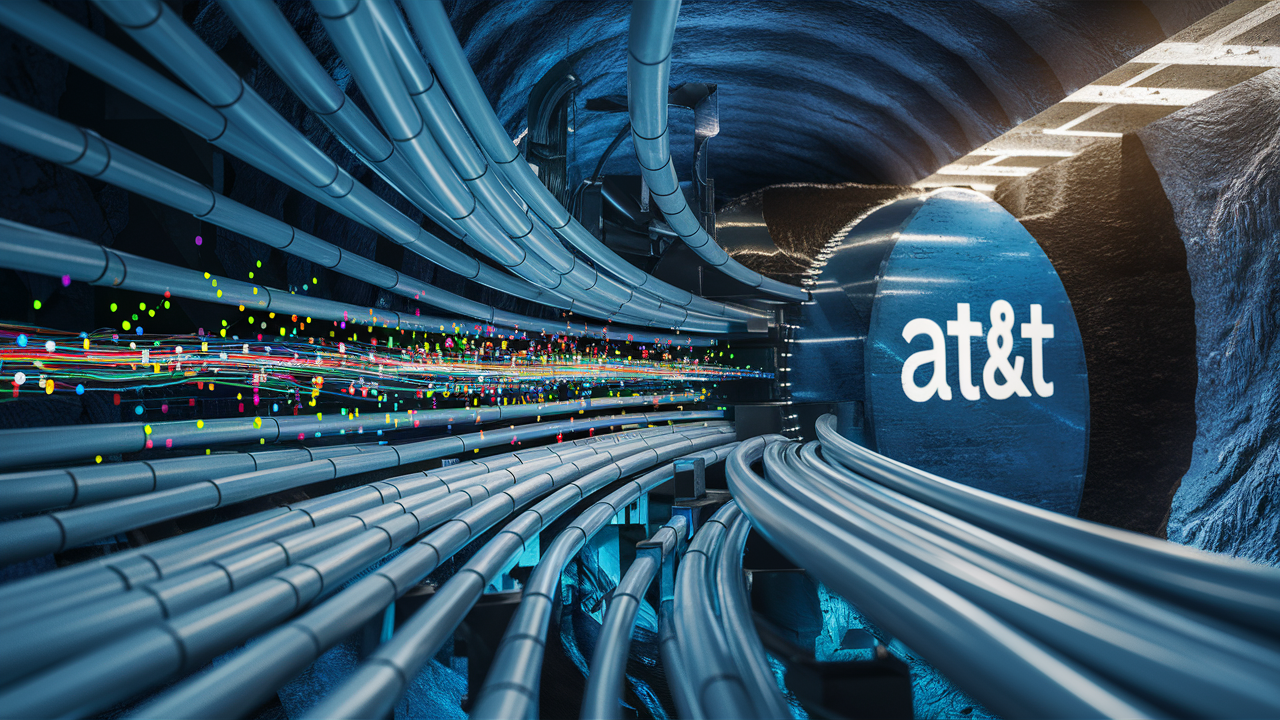
Discover whether AT&T fiber lines are typically buried underground, a crucial detail for homeowners and businesses planning installations. This comprehensive guide clarifies the infrastructure practices of AT&T fiber, helping you understand what to expect regarding cable placement and potential impacts on your property.
Underground vs. Aerial Fiber: The Basics
The debate over whether fiber optic cables are installed above or below ground is a common concern for anyone considering a new internet service. Both methods have distinct advantages and disadvantages, impacting aesthetics, reliability, and installation complexity. Understanding these differences is key to setting expectations and appreciating the infrastructure that powers our digital lives. Aerial installations involve cables strung on utility poles, often alongside power lines, while underground installations require trenching or directional boring to place cables beneath the surface. The choice between these two methods is influenced by a multitude of factors, including local regulations, terrain, existing infrastructure, and the provider's investment strategy.
For many, the visual appeal of a neighborhood is significantly enhanced when utility lines are out of sight. Undergrounding not only improves curb appeal but also offers a layer of protection against environmental factors. However, the process can be more disruptive and costly upfront. Aerial installations, while sometimes perceived as less attractive, can be quicker and more cost-effective to deploy in certain scenarios. This section will lay the groundwork for understanding the nuances of each approach before we delve specifically into AT&T's practices.
AT&T Fiber's Infrastructure Approach
AT&T, as one of the largest telecommunications providers in the United States, employs a varied strategy for deploying its fiber optic network. While the company has made significant investments in expanding its fiber-to-the-home (FTTH) footprint, the decision to bury lines or run them aerially is not uniform across all service areas. Historically, AT&T has utilized both methods, often dictated by the existing infrastructure in a given region and the feasibility of new construction.
In newer developments and areas where AT&T is actively upgrading its network, there is a strong inclination towards underground fiber deployment. This is often the case in suburban and urban environments where the company is focused on providing high-speed internet to a dense population. The goal is to create a robust and future-proof network that minimizes external interference and maximizes service longevity. However, in older communities with established aerial utility poles, or in more rural areas where trenching is prohibitively expensive, AT&T may opt for aerial installations.
The company's commitment to fiber expansion means that in many areas, even if existing service is aerial, new fiber deployments are increasingly being placed underground. This reflects a broader industry trend towards prioritizing underground infrastructure for its reliability and aesthetic benefits. It's important to note that AT&T's approach can also be influenced by local franchise agreements and municipal requirements, which may mandate specific installation methods.
Furthermore, AT&T's "Fiber" branding generally signifies a commitment to the highest speed tiers, which often correlates with more modern, underground infrastructure. While not an absolute guarantee, areas designated for AT&T Fiber service are more likely to benefit from buried cables. For a definitive answer regarding your specific location, direct inquiry with AT&T or observation of existing infrastructure in your neighborhood is recommended.
AT&T Fiber Deployment Strategy
AT&T's fiber deployment strategy is multifaceted, aiming to balance rapid expansion with long-term network stability. The company prioritizes areas with high demand and potential for growth, often focusing on urban and suburban centers where population density supports the investment. In these areas, the preference leans heavily towards undergrounding fiber optic cables. This approach is driven by several factors, including the desire to minimize service disruptions caused by weather or physical damage to overhead lines, and to enhance the visual appeal of communities.
The process of deploying underground fiber involves significant planning and execution. This can include trenching, directional boring, and the use of existing conduit systems. AT&T works with local municipalities and utility companies to navigate existing underground utilities and obtain necessary permits. The investment in underground infrastructure is substantial, but it is seen as a long-term solution that reduces maintenance costs and improves service reliability compared to aerial deployments.
However, AT&T's network is vast, and its fiber deployment does not exclusively mean underground cables. In areas where AT&T has existing aerial infrastructure, or in more remote or rural locations where undergrounding is economically challenging, aerial fiber deployment may still occur. This can involve attaching new fiber optic cables to existing utility poles. While this method is often faster and less expensive to implement initially, it can be more susceptible to damage from storms, falling trees, or accidents.
The company's ongoing network upgrades mean that even in areas with older aerial infrastructure, new fiber installations might be routed underground if feasible. This is part of AT&T's broader commitment to enhancing its network capabilities and providing a superior customer experience. The specific method of deployment in any given location is a result of a complex interplay of geographical, economic, regulatory, and logistical considerations.
Regional Variations in AT&T Fiber Installation
It is crucial to understand that AT&T's fiber installation practices are not monolithic across the entire country. Regional variations play a significant role in determining whether fiber lines are buried or run aerially. In states and cities where AT&T has heavily invested in modernizing its network infrastructure, such as in parts of California, Texas, and the Southeast, you are more likely to find underground fiber lines, especially in newer residential developments and urban cores. These areas often have more advanced municipal planning that favors underground utilities for aesthetic and resilience reasons.
Conversely, in older established neighborhoods where utility poles are already prevalent, or in more rural and less densely populated areas, AT&T may opt for aerial installations. This decision is often driven by cost-effectiveness and the speed of deployment. Running fiber along existing poles is typically less disruptive and requires less capital investment than trenching or boring new lines underground. For instance, in some parts of the Midwest or older towns in the Northeast, aerial fiber might be more common.
Local regulations and franchise agreements also contribute to these regional differences. Some municipalities have ordinances that mandate undergrounding of utilities for new construction or major infrastructure projects, while others may not have such strict requirements. AT&T must comply with these local mandates, which can lead to varied deployment strategies from one town or county to another.
Furthermore, the presence of existing AT&T infrastructure is a key factor. If AT&T already has a robust network of underground conduits, it is more likely to extend its fiber service through these existing pathways. If the existing infrastructure is primarily aerial, the decision to go underground for fiber may depend on the cost-benefit analysis for that specific area. Therefore, while AT&T is increasingly prioritizing underground fiber, the reality on the ground can differ significantly based on location.
Factors Influencing AT&T Fiber Line Placement
The decision to place AT&T fiber optic lines underground or overhead is influenced by a complex interplay of technical, economic, environmental, and regulatory factors. Understanding these elements provides clarity on why one neighborhood might have buried cables while another has them strung on poles.
Terrain and Geography
The physical landscape of an area plays a pivotal role. Hilly, rocky, or densely wooded terrain can make trenching and boring significantly more challenging and expensive. In such environments, aerial installation might be the more practical and cost-effective solution. Conversely, relatively flat and open areas are more conducive to underground deployment, allowing for easier excavation and cable laying. For example, deploying fiber across a desert landscape with minimal obstacles might favor undergrounding, while navigating a mountainous region could necessitate aerial routes.
Existing Infrastructure
The presence and type of existing utility infrastructure are major determinants. If a neighborhood already has a network of utility poles carrying power and older communication lines, it's often more efficient and less disruptive to attach new fiber optic cables to these poles. This leverages existing rights-of-way and avoids the need for extensive new construction. In areas where underground conduits already exist, AT&T may utilize these for fiber deployment, effectively burying the new lines within existing pathways.
Cost and Economics
Undergrounding fiber is generally more expensive than aerial installation due to the costs associated with excavation, boring, conduit installation, and restoration of the land. AT&T must conduct a thorough cost-benefit analysis for each deployment. Factors such as the density of potential customers, the cost of labor and materials, and the projected revenue from the area influence this decision. In high-density urban and suburban areas where the return on investment is higher, the higher upfront cost of undergrounding is more justifiable.
Regulatory and Municipal Requirements
Local ordinances and municipal policies significantly impact infrastructure deployment. Some cities and towns have strict regulations mandating that new utility installations, including fiber, must be placed underground to improve aesthetics and resilience. These requirements can override a provider's preference for aerial deployment. AT&T must adhere to these local laws, which can vary widely from one jurisdiction to another. Obtaining permits for excavation and construction also involves navigating a complex regulatory landscape.
Environmental and Weather Considerations
The susceptibility of fiber lines to environmental factors influences placement decisions. Underground cables are generally better protected from extreme weather events such as high winds, ice storms, and lightning strikes, which can damage or sever aerial lines. However, undergrounding can also be affected by flooding or ground shifts. Providers assess the typical weather patterns and geological conditions of an area to determine the most resilient deployment method.
Aesthetics and Community Preference
In many communities, there is a growing preference for underground utilities to enhance the visual appeal of neighborhoods. Cable clutter on poles can be unsightly, and burying lines contributes to a cleaner streetscape. While not always the primary driver, community preference and aesthetic considerations can influence AT&T's decisions, especially in new developments or areas undergoing significant revitalization.
What to Expect During AT&T Fiber Installation
Understanding the installation process for AT&T Fiber is essential for a smooth experience. Whether your lines will be underground or aerial, there are standard procedures and considerations. The specifics can vary, but a general overview helps set expectations.
Pre-Installation Site Survey
Before any work begins, AT&T technicians or contractors will typically conduct a site survey. This involves assessing the path the fiber optic cable will take from the street to your home. They will identify potential obstacles, determine the most feasible installation method (underground trenching/boring or aerial drop), and mark any underground utilities that need to be avoided. This step is crucial for safety and efficiency.
Underground Installation Process
If your service is to be installed underground, the process generally involves the following:
- Marking Utilities: Professional locators will mark existing underground utilities (gas, water, electric, other telecom) with colored flags or paint. This is a critical safety step to prevent accidental damage.
- Trenching or Boring: A trench will be dug from the demarcation point (often a pedestal or box on your property line or the street) to your home. Alternatively, directional boring may be used, which is less disruptive to landscaping as it creates smaller entry and exit holes.
- Cable Laying: The fiber optic cable is laid into the trench or pulled through the bored conduit.
- Restoration: The trench will be refilled, and the area will be restored as closely as possible to its original condition. This may involve replacing soil, grass, or other landscaping.
- Connection: The fiber cable is then run into your home through a small entry point, typically near where your utilities enter the house.
The duration of underground installation can vary from a few hours to a full day or more, depending on the complexity of the route and the terrain.
Aerial Installation Process
For aerial installations, the process is generally quicker and less invasive to your property:
- Connection to Pole: A technician will connect the fiber line to the nearest utility pole that serves your area.
- Running the Drop: A fiber cable, known as a "drop," will be run from the pole to your home. This cable is typically secured to the side of your house.
- Entry into Home: The fiber cable enters your home through a small drilled hole, usually near the eaves or where existing utility lines enter.
- Installation of Equipment: Inside your home, an Optical Network Terminal (ONT) will be installed, which converts the optical signal to an electrical signal for your router.
Aerial installations are often completed within a few hours.
Indoor Installation
Regardless of whether the main line is underground or aerial, the indoor installation process is similar. Technicians will install the ONT and connect it to your router. They will ensure the equipment is functioning correctly and that you have internet access before completing the job.
Post-Installation Checks
After the installation is complete, the technician will perform tests to ensure optimal signal strength and internet speed. They will also answer any questions you may have about your new AT&T Fiber service and equipment. It's advisable to have someone present who can identify any specific needs or concerns regarding the installation location within your home.
Benefits of Underground Fiber Optic Cables
The decision to bury fiber optic cables, while often more costly upfront, offers a multitude of long-term benefits that contribute to a more reliable, resilient, and aesthetically pleasing telecommunications infrastructure. These advantages are increasingly driving the industry's shift towards underground deployment.
Enhanced Reliability and Durability
One of the most significant advantages of underground fiber is its superior protection against external damage. Aerial cables are vulnerable to a wide range of threats, including severe weather (high winds, ice storms, lightning), falling trees or branches, and accidental damage from vehicles or construction equipment. Buried cables are shielded from these elements, leading to fewer service interruptions and a more stable internet connection. This resilience is particularly valuable in areas prone to extreme weather.
Improved Aesthetics
Undergrounding utilities dramatically improves the visual appeal of neighborhoods. It eliminates the clutter of overhead wires, poles, and associated hardware, contributing to a cleaner, more modern, and attractive streetscape. This can enhance property values and the overall quality of life in a community. The absence of visible cables also reduces visual pollution, particularly in scenic or historic areas.
Reduced Maintenance Costs
While the initial installation cost is higher, underground fiber optic networks often incur lower long-term maintenance costs. Because they are protected from the elements and physical damage, there are fewer instances requiring repairs. This translates to reduced labor costs, fewer emergency dispatch calls, and less frequent equipment replacement. Over the lifespan of the network, this can lead to significant cost savings for the provider and, potentially, more stable service pricing for consumers.
Protection from Environmental Hazards
Beyond weather, underground cables are also better protected from other environmental hazards. This includes risks associated with construction, vandalism, and even wildlife interference that can sometimes affect aerial installations. The buried nature of the cables provides a physical barrier against many common causes of service disruption.
Future-Proofing Infrastructure
Underground conduit systems provide a pathway for future upgrades. As technology advances and higher bandwidth demands emerge, new fiber optic cables can often be pulled through existing underground conduits without the need for extensive new digging. This makes the infrastructure more adaptable and cost-effective for future technological evolution.
Compliance with Regulations
In many municipalities, regulations mandate or strongly encourage undergrounding of utilities, especially for new developments. By deploying fiber underground, providers like AT&T can more easily comply with these local ordinances, facilitating smoother project approvals and community relations.
Potential Drawbacks of Undergrounding Fiber
While the benefits of underground fiber are substantial, the method is not without its challenges and potential drawbacks. These factors often influence the decision-making process for providers like AT&T and can impact the customer experience during installation.
Higher Initial Installation Costs
The most significant drawback of underground fiber deployment is the substantially higher upfront cost compared to aerial installations. Trenching, directional boring, the installation of conduit, and the subsequent restoration of the landscape all require significant investment in specialized equipment, labor, and materials. This can make undergrounding prohibitively expensive in areas with low population density or where the return on investment is uncertain.
Disruption During Installation
The process of burying fiber optic cables can be disruptive to existing landscapes, driveways, and public spaces. Trenching requires digging up yards, sidewalks, and potentially streets, which can cause inconvenience to residents and businesses. While efforts are made to restore the area, it may take time for landscaping to fully recover, and there's always a risk of encountering unforeseen underground obstacles.
Difficulty in Locating and Repairing Faults
While underground fiber is generally more reliable, locating and repairing faults when they do occur can be more challenging than with aerial cables. Identifying the exact location of a break or damage in a buried cable requires specialized equipment and techniques. Excavation is then necessary to access and repair the damaged section, which can prolong outage times compared to simply replacing an aerial cable.
Susceptibility to Ground Shifts and Flooding
Underground cables are not entirely immune to environmental issues. Ground shifts due to frost heave or seismic activity can put stress on buried cables. In areas prone to significant flooding, water ingress into conduits or direct damage to buried lines can also be a concern, although proper sealing and conduit design can mitigate these risks.
Longer Installation Times
The process of trenching or boring and laying underground cables typically takes longer than stringing lines from poles. This can extend the time it takes to bring service to a new area or to individual homes, potentially delaying customer access to high-speed internet.
Permitting and Regulatory Hurdles
Obtaining the necessary permits for excavation and construction can be a complex and time-consuming process, involving coordination with multiple municipal departments and utility companies. Navigating these regulatory hurdles can add to the overall project timeline and cost.
Aerial Fiber: When and Why It's Used
Despite the growing trend towards undergrounding, aerial fiber optic installations remain a vital part of telecommunications infrastructure for AT&T and other providers. There are specific circumstances and strategic reasons why aerial deployment is chosen, often balancing cost, speed of deployment, and existing infrastructure.
Cost-Effectiveness and Speed of Deployment
The primary driver for aerial installations is often their cost-effectiveness and the speed at which service can be rolled out. Utilizing existing utility poles significantly reduces the need for new trenching or boring, which are labor-intensive and expensive processes. This allows providers to expand their fiber footprint more rapidly and at a lower initial capital cost, making it feasible to serve more customers, especially in less densely populated areas.
Leveraging Existing Infrastructure
In many established neighborhoods and older towns, utility poles are already in place, carrying power and telephone lines. Attaching new fiber optic cables to these existing poles is a logical and efficient approach. It avoids the need to disturb existing underground utilities or property, minimizing disruption to residents and reducing the complexity of the installation project.
Terrain Challenges
As previously mentioned, certain geographical terrains make undergrounding difficult or uneconomical. Steep slopes, rocky soil, dense forests, or areas with high water tables can pose significant challenges for excavation equipment. In such cases, aerial deployment offers a more practical solution for bringing fiber connectivity to these locations.
Rural and Less Densely Populated Areas
The economics of fiber deployment are heavily influenced by customer density. In rural or sparsely populated regions, the cost per customer for undergrounding can be exceptionally high. Aerial installations allow providers to extend fiber service to these areas more affordably, bridging the digital divide and providing essential connectivity to communities that might otherwise be underserved.
Temporary or Expedited Service
In some instances, aerial deployment might be chosen for temporary solutions or when rapid service deployment is critical, such as for events or emergency response. The quicker setup time makes it a viable option for short-term needs or when immediate connectivity is paramount.
Comparison to Underground Vulnerabilities
While aerial cables are more exposed to weather and physical damage, they can also be easier to repair. A break in an aerial cable can often be identified and fixed more quickly than a fault in a buried line, which may require extensive excavation. This trade-off in repair time versus installation resilience is a factor in the deployment decision.
Comparing AT&T's Approach to Competitors (2025-26)
As of 2025-26, the landscape of fiber optic deployment is highly competitive, with major providers like Verizon, Spectrum (Charter Communications), and CenturyLink (Lumen Technologies) all vying for market share. AT&T's approach to undergrounding fiber lines is part of a broader industry trend, but there are nuances in how each provider operates.
Verizon Fios: Focus on Undergrounding
Verizon's Fios network is renowned for its commitment to fiber-to-the-home, and in many of its Fios-served areas, the infrastructure is predominantly underground. Verizon has historically invested heavily in building out a new, entirely fiber-optic network, often prioritizing underground deployment for its reliability and aesthetic benefits. This has led to a reputation for a robust and aesthetically pleasing network in Fios territories. However, the sheer scale of Verizon's network means that aerial deployments can still be found in some legacy areas or specific circumstances.
Spectrum (Charter Communications): Hybrid Approach
Spectrum, primarily a cable internet provider that is increasingly deploying fiber, often utilizes a hybrid approach. While they are expanding their fiber footprint, much of their existing infrastructure relies on coaxial cable, which is often deployed aerially. When they upgrade to fiber, the method of deployment can vary significantly based on the existing infrastructure in a particular neighborhood. In areas where they are building new fiber networks from scratch, undergrounding is more likely, but they also leverage existing aerial pathways where feasible and cost-effective.
CenturyLink (Lumen Technologies): Legacy and Fiber
CenturyLink, now operating under the Lumen Technologies umbrella for business services, has a vast legacy network that includes a significant amount of copper infrastructure, often deployed aerially. When deploying fiber, particularly for residential services (often branded as Quantum Fiber), they are increasingly prioritizing underground installations. However, similar to AT&T, their deployment strategy is heavily influenced by the existing infrastructure and the cost-effectiveness of undergrounding in different regions. They may utilize existing conduits or poles where it makes sense.
AT&T Fiber: The Balancing Act
AT&T's approach in 2025-26 can be characterized as a strategic balancing act. They are aggressively expanding their fiber footprint, and in areas where they are building new infrastructure or upgrading existing networks, there is a strong preference for undergrounding. This is particularly evident in newer developments and urban centers where demand is high and the long-term benefits of buried fiber are most pronounced. However, AT&T also operates in a vast geographic area with diverse infrastructure, meaning that aerial deployments remain a necessary component of their network strategy, especially in older neighborhoods or more rural locations where cost and existing infrastructure dictate the method.
Key Differentiators in 2025-26
The primary differentiator among these providers often comes down to the age and type of their core network infrastructure and their specific investment priorities. Providers like Verizon Fios, having built a largely new fiber network, often have a higher percentage of underground fiber. AT&T and Lumen are working with extensive legacy networks while simultaneously building out new fiber, leading to more varied deployment methods. Spectrum's approach is also influenced by its cable network origins. Ultimately, for consumers, the most reliable way to determine the installation method is to check service availability for their specific address and observe the existing infrastructure in their neighborhood.
Troubleshooting Common Fiber Line Issues
While fiber optic cables are known for their reliability, issues can still arise. Understanding common problems and how they are addressed can help users manage their service expectations. The nature of these issues can sometimes be related to how the fiber lines are installed – underground or aerial.
Service Outages
The most noticeable issue is a complete loss of internet service.
- Causes: Outages can stem from damage to the fiber line (e.g., construction accidents, falling trees on aerial lines, rodent damage to underground cables), equipment failure at the central office or at your home, or broader network issues.
- Troubleshooting:
- Check if your modem/router is powered on and all lights are functioning correctly.
- Restart your modem and router.
- Check AT&T's outage map or contact customer service to see if there's a known outage in your area.
- If the issue persists and there's no widespread outage, it may indicate a problem with the line leading to your home or with your equipment.
Slow Internet Speeds
Experiencing speeds significantly lower than what you're subscribed to can be frustrating.
- Causes: This can be due to network congestion, issues with your Wi-Fi signal (if testing wirelessly), problems with your router, or a degraded connection on the fiber line itself.
- Troubleshooting:
- Perform speed tests using a wired Ethernet connection directly to your router to rule out Wi-Fi issues.
- Restart your modem and router.
- Ensure your router is capable of handling the speeds you're paying for.
- If speeds remain low, contact AT&T for a line test.
Intermittent Connectivity
The internet connection drops in and out sporadically.
- Causes: This often points to a loose connection, a damaged cable section that is intermittently failing, or environmental factors affecting the line (e.g., extreme temperature fluctuations affecting underground cables, or wind affecting aerial cables).
- Troubleshooting:
- Ensure all cable connections are secure, both at the wall and at your modem/router.
- If you suspect damage to the line entering your home, contact AT&T.
- Monitor when these drops occur – is it during specific weather, or at certain times of day? This information can help technicians diagnose the problem.
Issues Related to Underground vs. Aerial
While the core fiber technology is the same, the installation method can influence the types of issues encountered.
- Aerial: More susceptible to damage from storms, falling branches, and accidental contact. Repairs can sometimes be quicker as the cable is accessible.
- Underground: Less prone to weather damage but can be affected by ground shifts, flooding, or accidental digging. Locating and repairing faults may require excavation, potentially leading to longer repair times.
Contacting AT&T Support
If you encounter persistent issues, the best course of action is to contact AT&T customer support. They have diagnostic tools to test your line remotely and can dispatch a technician if necessary. Be prepared to provide details about the problem, including when it started, its frequency, and any troubleshooting steps you've already taken.
Making Informed Decisions About Your Fiber Service
Choosing an internet service provider and understanding their infrastructure is a critical step in ensuring you receive reliable and high-quality connectivity. When considering AT&T Fiber, or any fiber service, paying attention to how the lines are installed – whether underground or aerial – can provide valuable insights.
Assessing Your Neighborhood Infrastructure
The most direct way to gauge whether AT&T Fiber lines are likely to be underground in your area is to observe your surroundings.
- Look at existing utility poles: Are the current power and communication lines strung on poles? If so, it's more probable that new fiber installations might also follow an aerial route, especially if AT&T is leveraging existing infrastructure.
- Observe newer developments: Newer housing developments often have underground utilities as a standard practice for aesthetic and resilience reasons. If AT&T is expanding into such an area, undergrounding is more likely.
- Check for pedestals or underground boxes: The presence of AT&T-branded utility boxes or pedestals on sidewalks or property lines can indicate an underground network.
Understanding the Implications
Underground Fiber:
- Pros: Generally more reliable, protected from weather and physical damage, better aesthetics.
- Cons: Potentially more disruptive installation, higher initial cost, sometimes longer repair times for buried faults.
Aerial Fiber:
- Pros: Often quicker and less expensive to install, easier access for repairs.
- Cons: More susceptible to weather damage and physical interference, can detract from neighborhood aesthetics.
Asking the Right Questions
When speaking with AT&T sales representatives or customer service, don't hesitate to inquire about the installation method for your specific address. While they may not always provide a definitive answer before a site survey, they can often offer insights based on the general deployment strategy for your neighborhood. Questions to consider include:
- "Will the fiber line be buried or run overhead to my home?"
- "What is the typical installation process for this area?"
- "Are there any known infrastructure limitations in my neighborhood that might affect the installation method?"
Balancing Speed and Reliability
While all fiber optic connections offer superior speeds compared to older technologies like DSL or cable, the physical installation method can impact the overall reliability and longevity of your service. For many users, the enhanced durability and aesthetic benefits of underground fiber are well worth any potential increase in installation complexity or cost. However, in areas where undergrounding is not feasible or cost-prohibitive, aerial fiber still provides a significant upgrade in speed and performance.
Ultimately, AT&T aims to provide high-speed internet across its service areas. While the prevalence of underground fiber is increasing, the reality of infrastructure deployment means that both methods are utilized. By understanding the factors influencing these decisions and observing your local environment, you can make more informed choices about your internet service.
In conclusion, AT&T Fiber lines are not exclusively underground; the deployment method is highly dependent on the specific location, existing infrastructure, local regulations, and economic feasibility. While AT&T is increasingly prioritizing underground installations for their superior reliability and aesthetics, aerial deployments remain common, particularly in older neighborhoods or rural areas. The decision is a complex one, balancing cost, speed of deployment, and long-term network resilience.
For homeowners and businesses, understanding these factors can help manage expectations during the installation process. If aesthetics and maximum protection from environmental factors are paramount, underground fiber is the ideal. However, aerial fiber, while potentially more susceptible to external damage, still offers significant speed and performance advantages over older technologies. To get a definitive answer for your specific location, it is always best to consult directly with AT&T and observe the existing utility infrastructure in your neighborhood. This knowledge empowers you to make the best decision for your connectivity needs.